Roller Specification
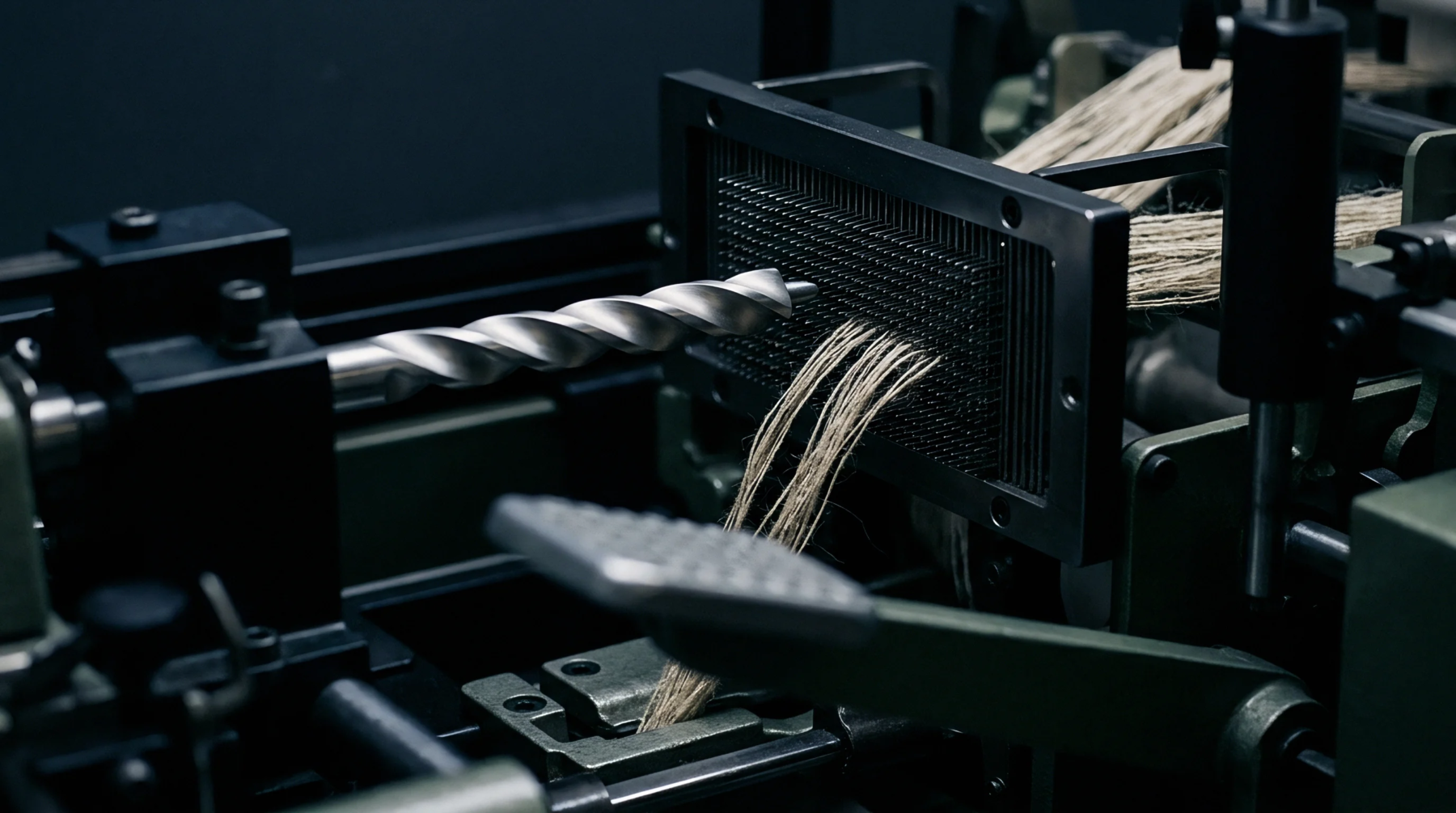
Drafting systems in wet-spinning frames utilize pressurized rollers to control fiber movement through the draft zone. The elastomer cot hardness represents the resistance of the roller’s rubber covering to deformation under load, typically measured on the Shore A scale. This material property determines the grip of the rollers on the slippery flax fibers as they pass through the wet drafting zone.
Proper selection of this hardness prevents fiber slippage and ensures a uniform yarn count.
Mechanical Performance
Softer cots with a lower Shore A rating provide a larger contact area but wear down more rapidly due to the abrasive nature of wet linen fibers. Harder cots resist wear and chemical attack from warm water but provide less grip, which can lead to uncontrolled draft and yarn irregularity. Mill managers select the hardness rating based on the yarn count being spun and the pressure of the drafting arm.
Standard ratings usually range between seventy and eighty-five Shore A.
Wear Pattern
Regular maintenance is necessary because the abrasive flax yarn wears grooves into the elastomer surface over time. These grooves reduce the pressure on the fibers and lead to draft defects. Resurfacing the cots restores the required grip.