Tensile Measurement
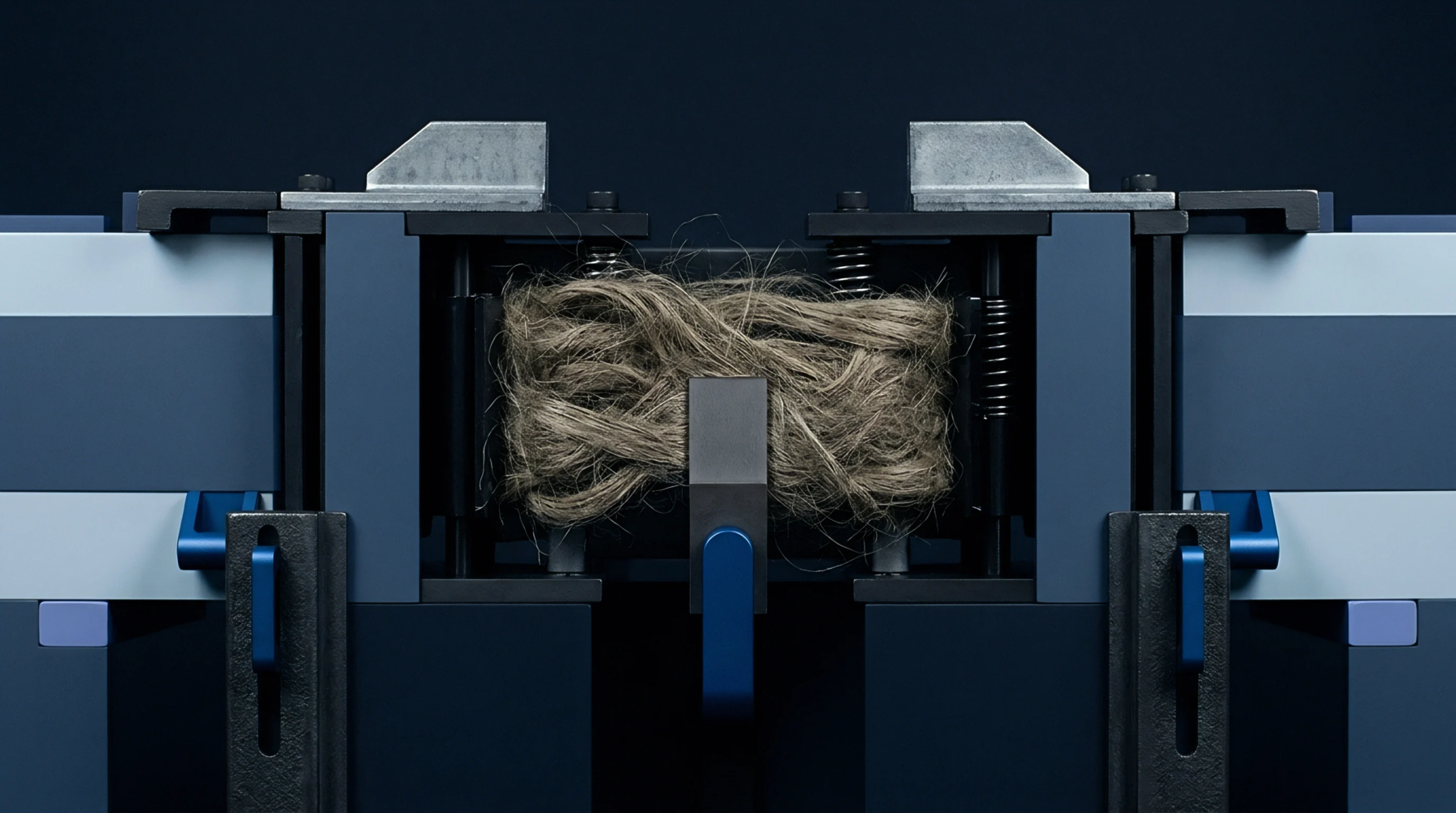
Mechanical resistance defines the force required to fracture a single strand under a longitudinal pull. This flax yarn tenacity represents the upper threshold of tension a specific gauge of natural fibre withstands before rupture occurs during manufacturing operations. Engineers utilize this physical property to predict performance under high speed spinning frames.
Processing Baseline
Testing protocols identify structural weaknesses in the raw fibre bundles that eventually form the finished cordage. Mills monitor flax yarn tenacity to ensure the consistency of output across diverse batches of harvested crop. Each spinning facility maintains internal records of these values to calibrate atmospheric humidity levels inside the production hall.
Lower numbers indicate excessive retting damage or contamination within the supply chain while higher counts suggest superior cellulose alignment. These specific measurements determine the compatibility of the raw material with automated weaving looms. Documenting these findings provides a permanent record for quality assurance departments that verify compliance with contractual strength requirements for export orders.
Laboratory technicians calculate the ratio of breaking force to linear density to standardize the assessment across different yarn counts.
Quality Threshold
Commercial agreements rely upon these objective figures to settle disputes between domestic fibre producers and international textile buyers. Final inspection reports include these values to confirm that the material adheres to global mechanical standards before shipment from the port. Consistent performance at the mill reflects the structural integrity of the crop selection.