
Linen Lea Conversion Formulas and Direct Metric System Equivalated Mechanics
Converting linen lea to direct tex requires dividing 1653.52 by the lea count to yield accurate greige mass calculations under standard moisture regain.
Converting linen lea to direct tex requires dividing 1653.52 by the lea count to yield accurate greige mass calculations under standard moisture regain.
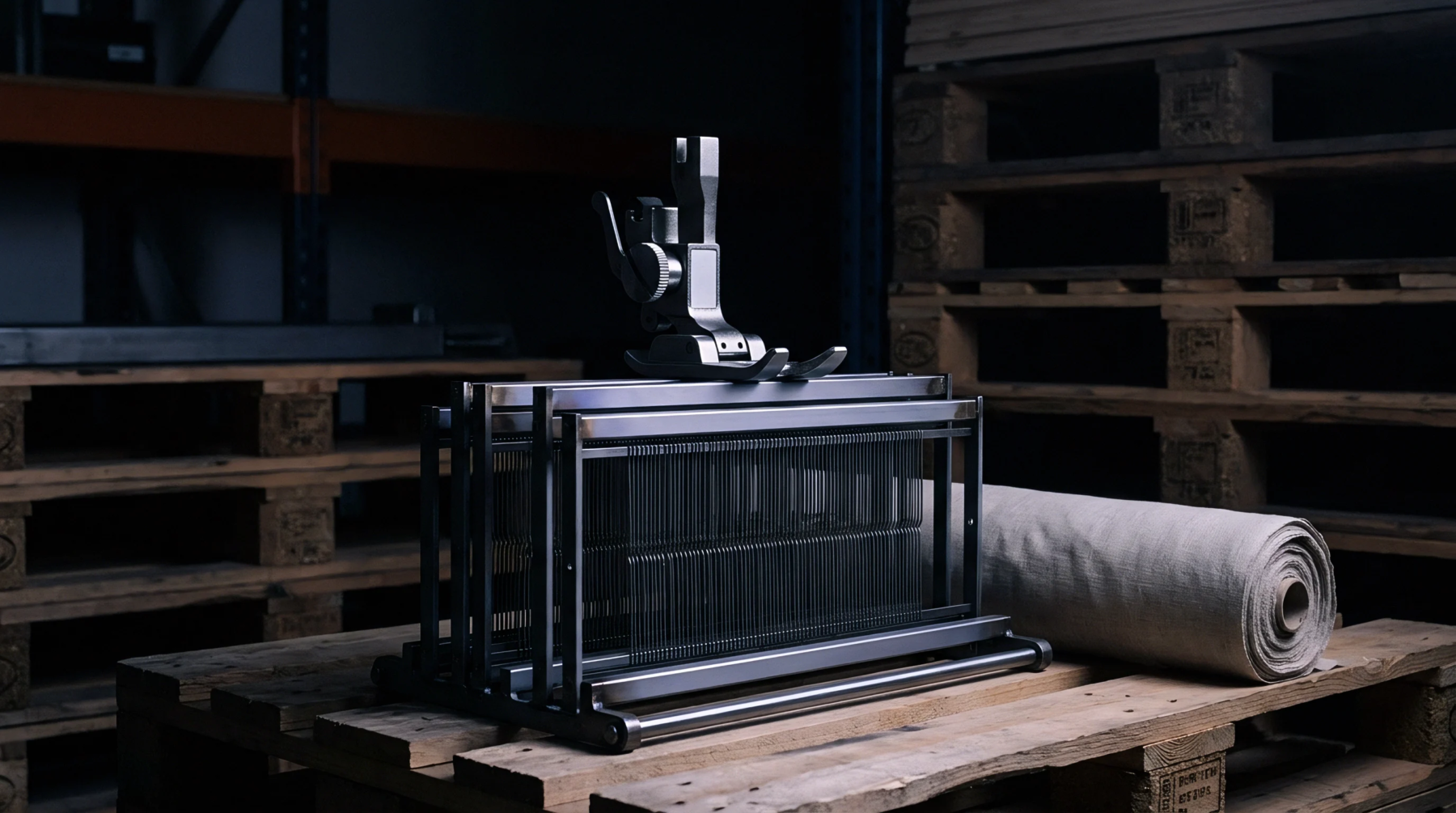
Limiting fine flax warp elongation below two percent through asymmetric shed geometry preserves loom speeds above five hundred picks per minute.

Calculating basic greige fabric yield converts loom speed, pick density, and crimp factors into net linear output and relaxed fabric mass per hour.
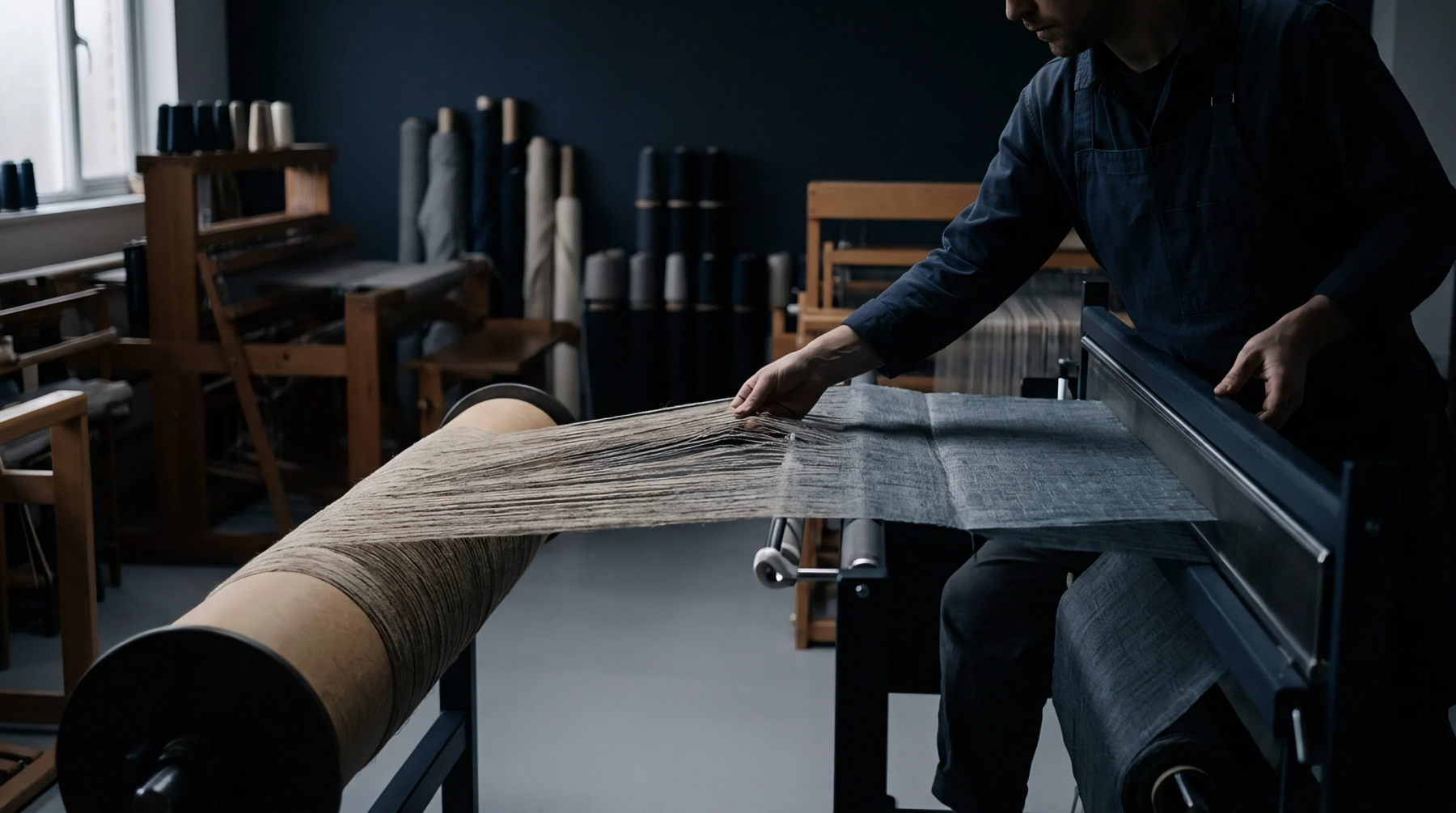
Standardized interlaboratory tribology dossiers secure commercial recovery for stalled looms by linking ASTM D3108 friction spikes to verified shed stop logs.
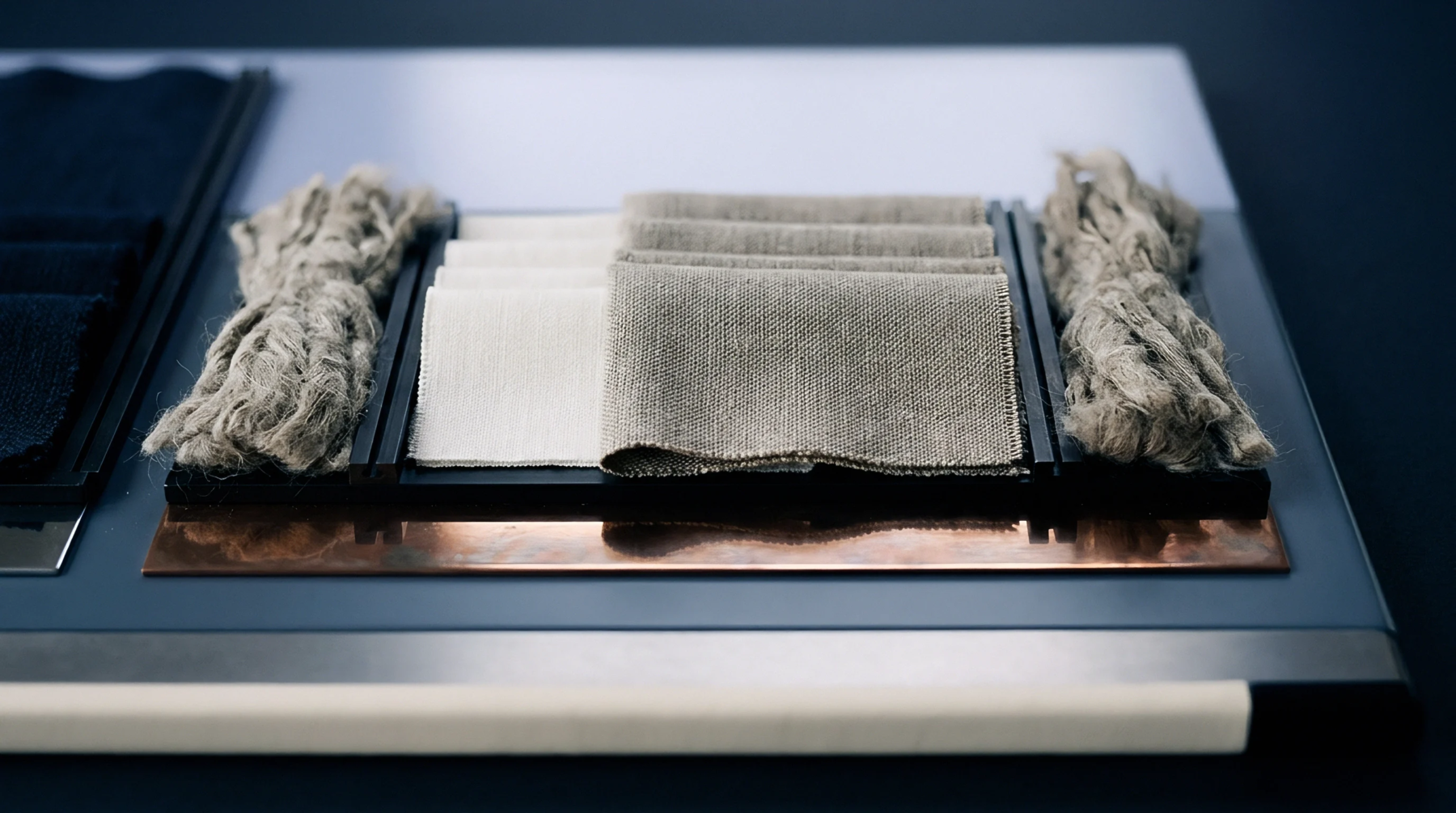
Chemical pectin extraction loss on linen warp yarn must hold between 8.5% and 10.5% to prevent shed cling, high stop rates, and lost high-speed rapier loom hours.
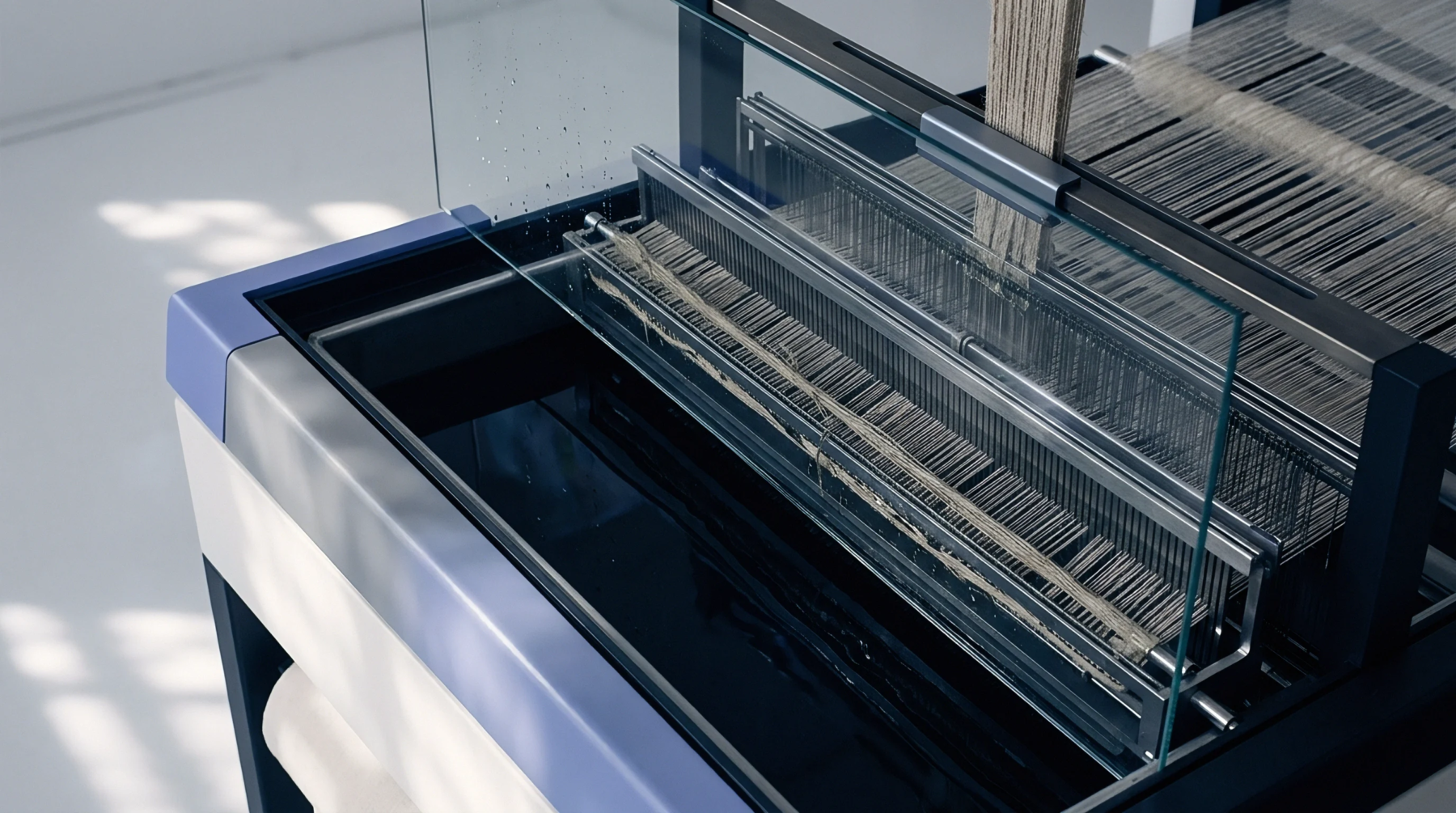
Booking Chinese high-speed loom capacity hinges on locking sizing recipes and shed allocation into contract terms before peak seasonal congestion begins.

Chinese linen weaving allocation hinges on booking rapier capacity around seasonal crunches and sizing constraints rather than generic yardage purchasing.

Sizing add-on increases greige cantilever bending length non-linearly, cubically elevating flexural rigidity and directly degrading loom-shed runnability.

Controlled 11% regain prevents bast matrix delamination, cutting loom stops to under 1.5 per 100k picks to secure full shed efficiency.
Locking jacquard linen capacity requires booking minimum warp beam lengths of 1,200 metres and balancing pick densities to protect low-elasticity flax yarns.
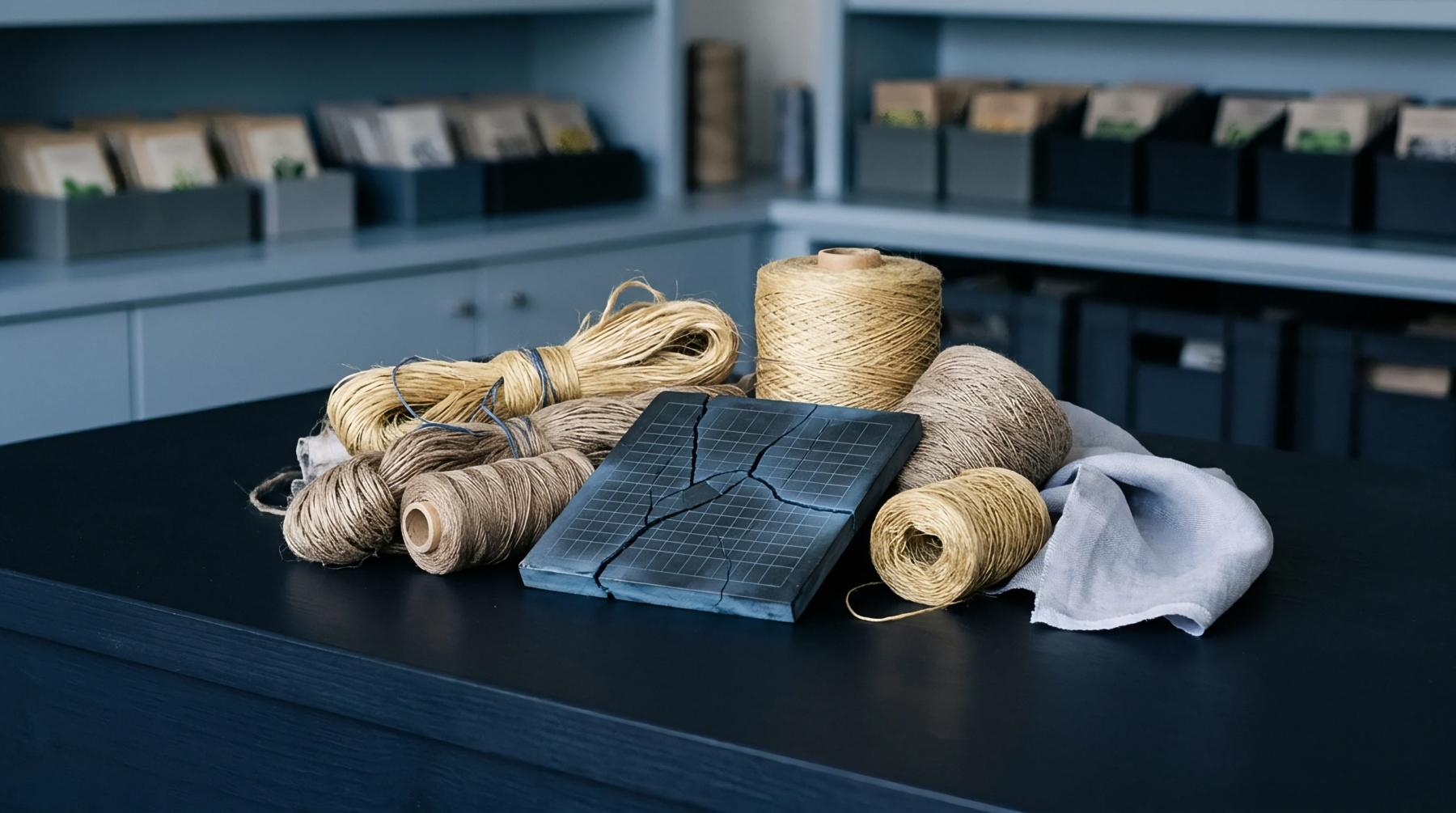
Dynamic shedding cycles degrade inelastic linen sizing films, inducing viscoelastic warp creep, starting marks, and avoidable stop frequency losses.

Pneumatic yarn splices in linen warp must balance wrapper coil friction and splice diameter to prevent abrasive fatigue failure during high-speed loom shedding.
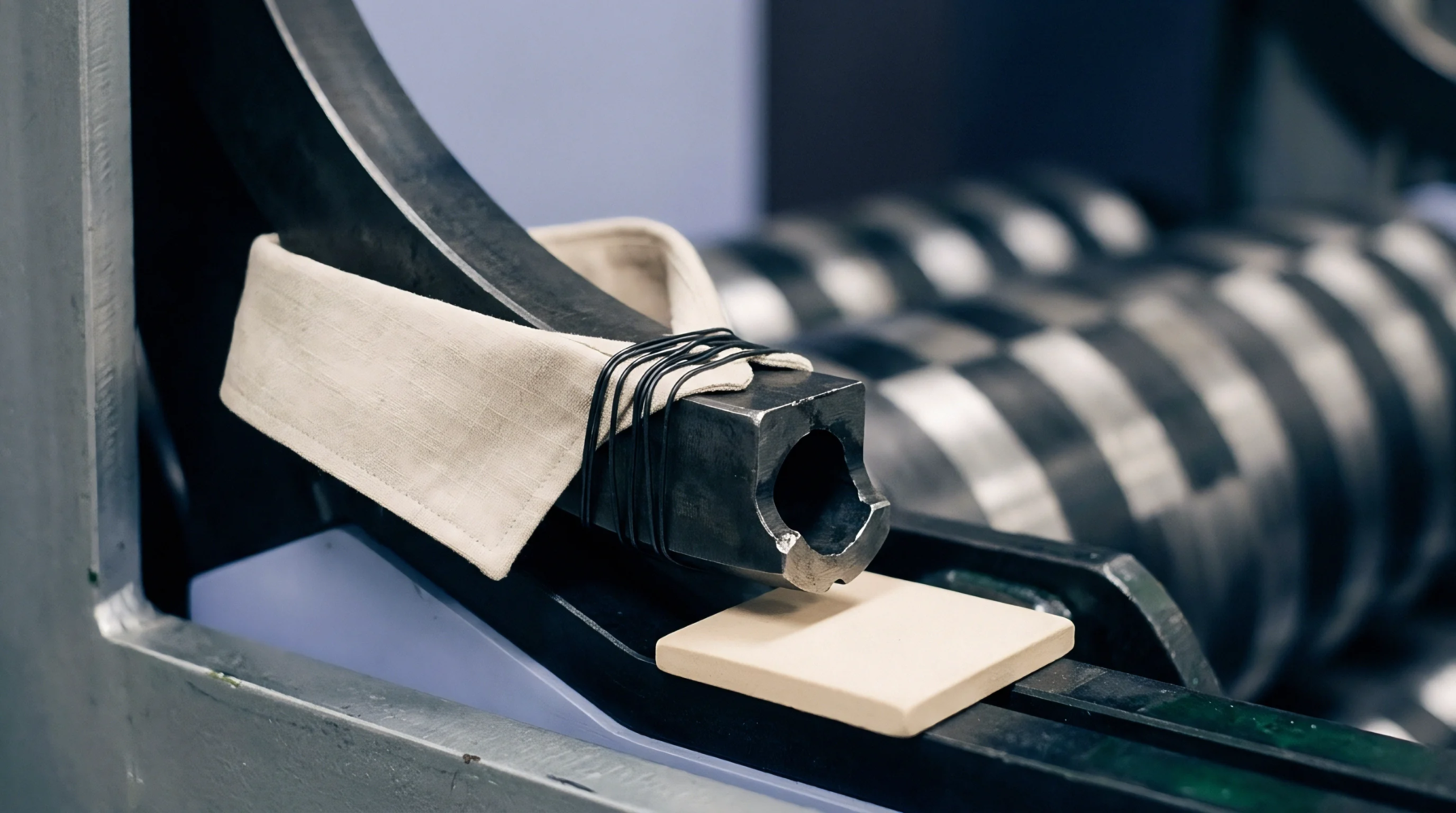
Air jet weaving of fine linen requires active back rest dampening and controlled sizing to hold dynamic tension peaks below yarn elastic limits.
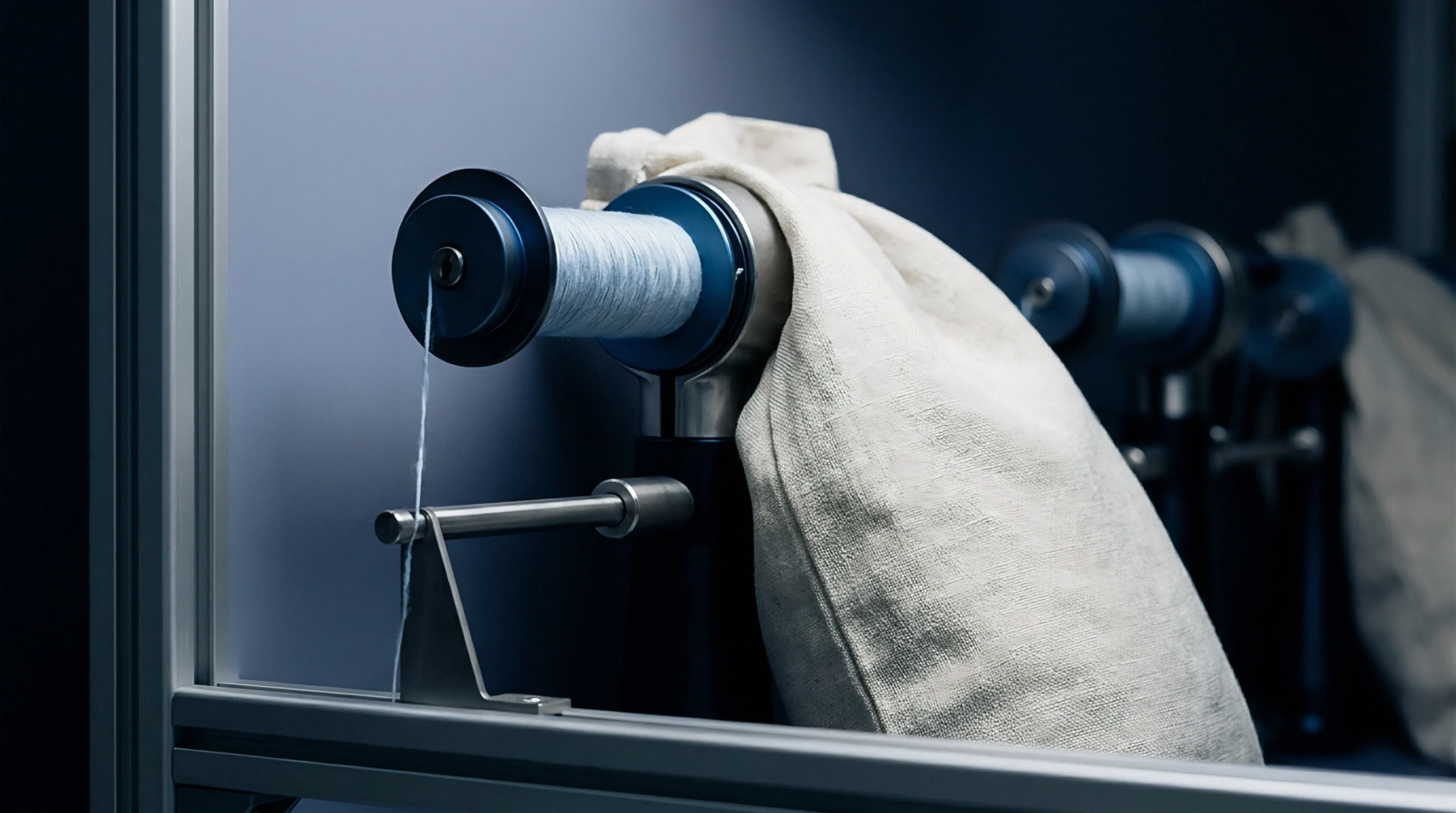
Quantifying fine linen abrasion mechanics requires matching sizing film strength to dynamic shed tension to maintain loom efficiency above ninety percent.
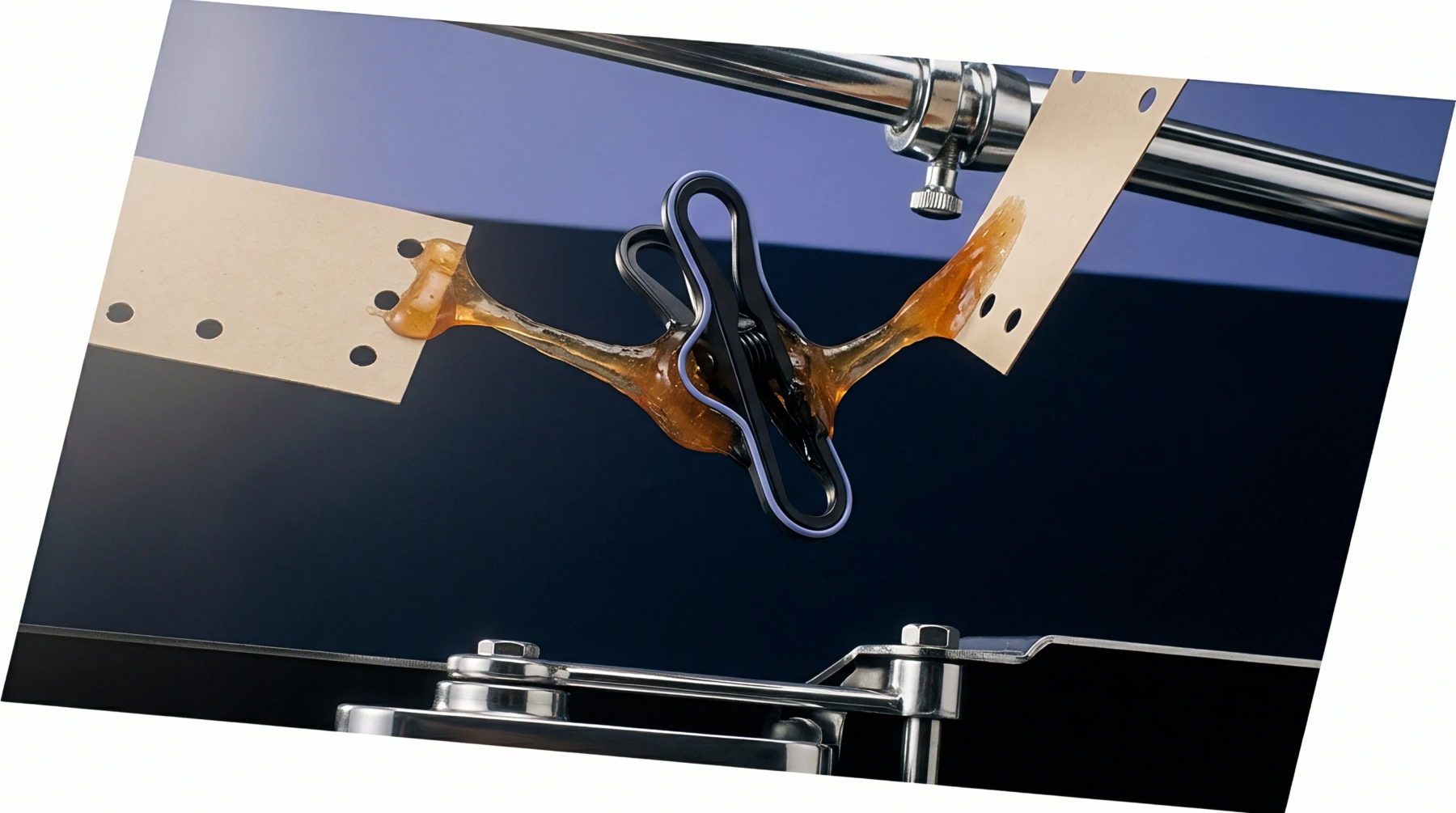
Dynamic let-off back-stepping and multi-term Maxwell relaxation modeling prevent tension-decay stop marks in dense flax warps.
Expertise is a utility, not a secret. sentiention™ publishes its working knowledge as open reference: intelligence layer covering the materials it sources, the markets it enters, and the reference that serves both.