Production Validation
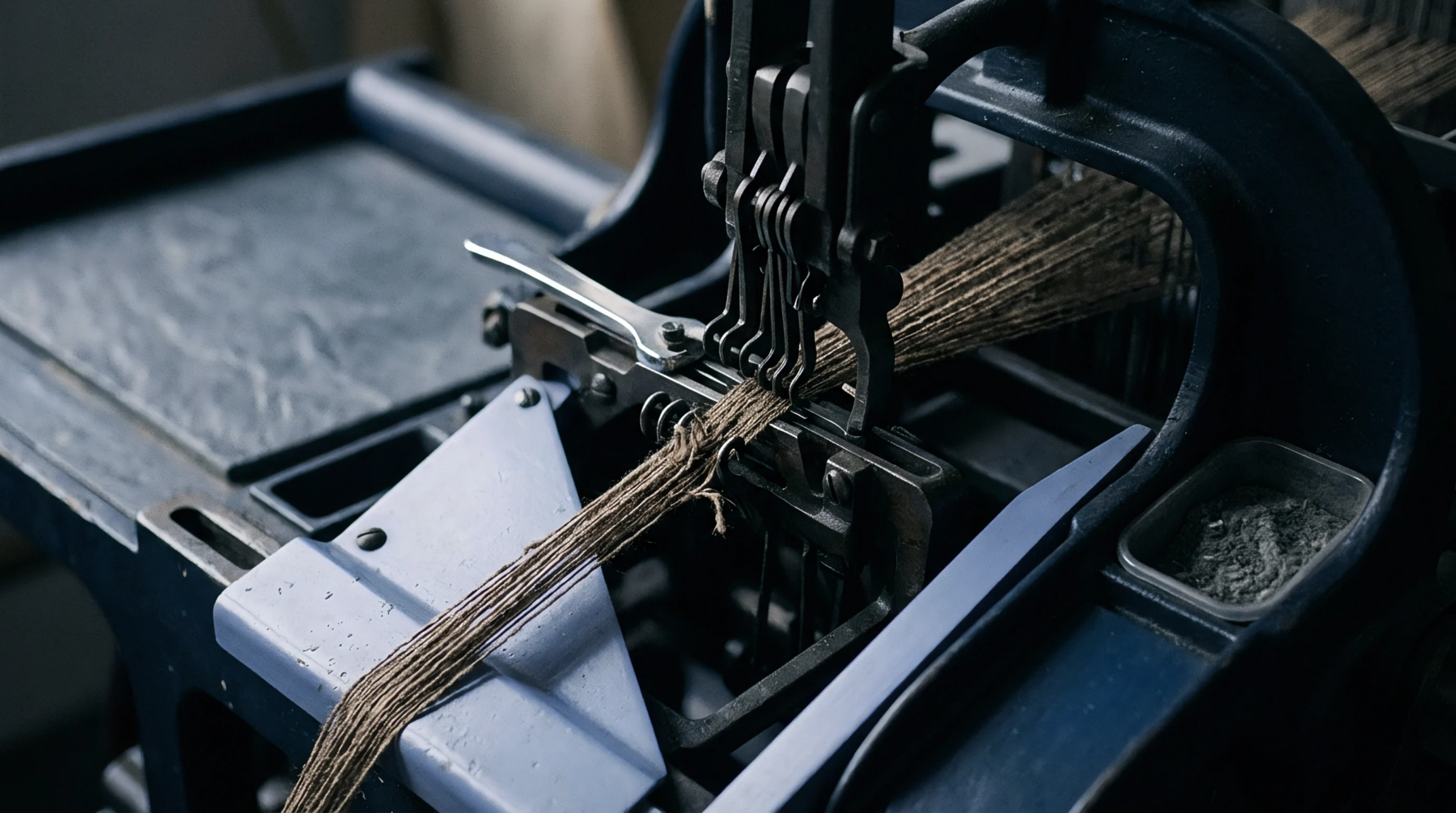
Documentary evidence of origin tracks raw flax fibre through mechanical processing stages until the transformation into refined yarn occurs. Chain of custody verification authenticates the material source against declared regional cultivation profiles during initial intake at the primary mill. This stage documents the movement of bundles across cleaning and carding machines to confirm the weight of input aligns with the physical yield of output.
Inspectors record these mass balances in a central register to prevent the unauthorized inclusion of cheaper synthetic or non-certified natural fibres during the spinning stage. Discrepancies at this checkpoint trigger a mandatory audit of internal transfer logs between the batching area and the looms. The registry remains accessible to authorized mill operators who match the lot number against the supplier delivery notice.
Grade Differentiation
Fibre quality metrics differ from finished fabric criteria because raw flax responds to moisture and ambient storage conditions that fluctuate before the spinning process begins. Chain of custody verification applies to the fibre grade by documenting the length and cleanliness of the flax stalk as it arrives from the field. Manufacturers grade the fibre on structural consistency and colour uniformity before it enters the first stage of hackling.
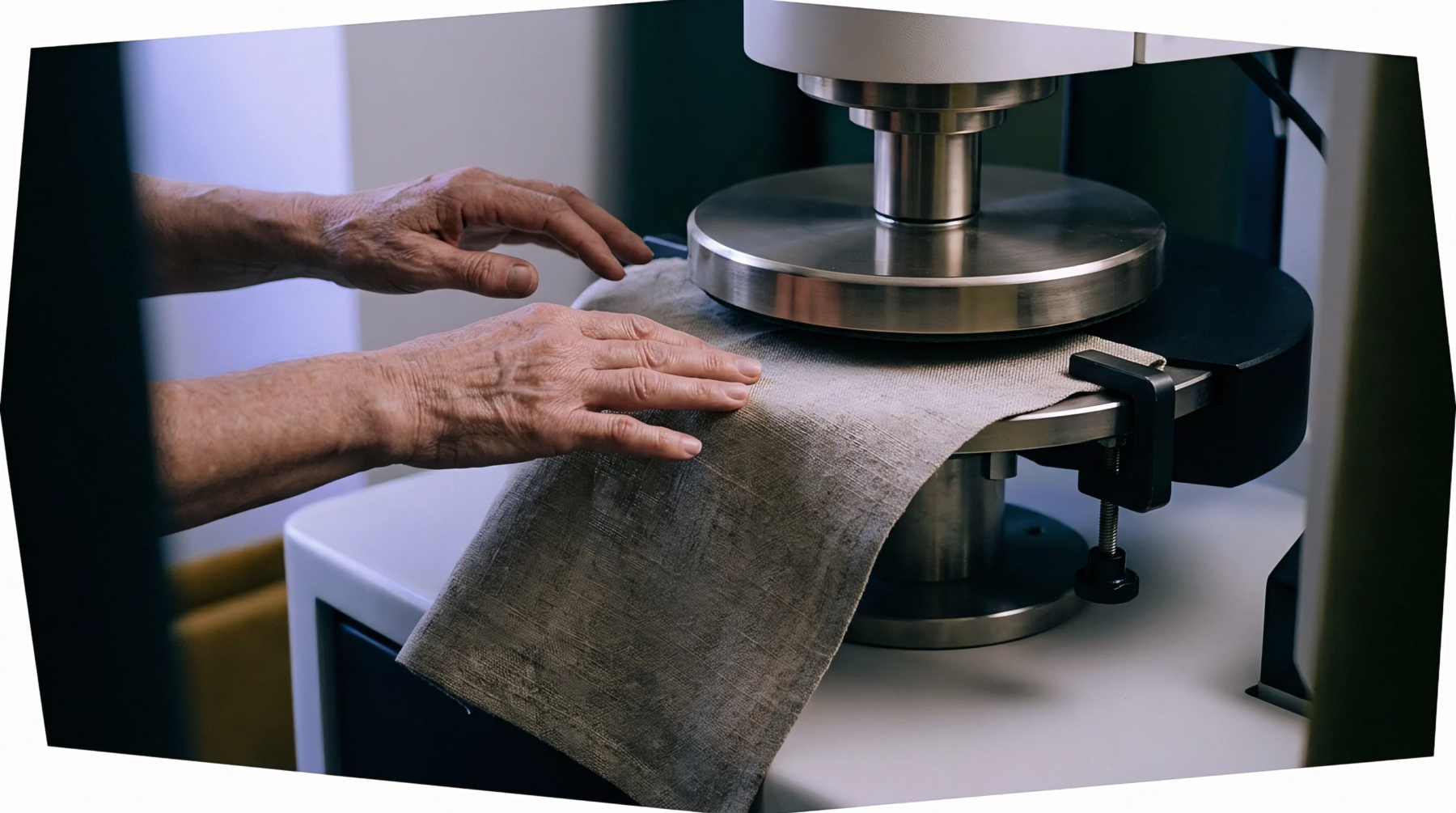
Buyers set distinct acceptance levels for the resulting woven linen that prioritize tensile strength and finished texture over the initial fibre classification. These parameters ensure that the final product adheres to the performance standards established by the finishing house. Quality control departments verify that the specific fibre lot listed on the master bill of lading matches the test results reported by the loom operators.
Process Audit
Operational standards mandate that the facility records every movement of materials to provide a complete history of the product lifecycle. Chain of custody verification relies on the consistent application of tracking codes that move alongside the textile product throughout the finishing floor. Mill managers designate specific stations where personnel confirm the integrity of these codes before the fabric undergoes chemical washing or dyeing.
This verification identifies the exact point where a lot loses its certification status due to contamination from unverified material sources. The system prevents the mislabelling of processed goods when internal logistics fail to update the electronic record. Consistent identification of every batch prevents the substitution of fabric lots during the final export packaging stage.