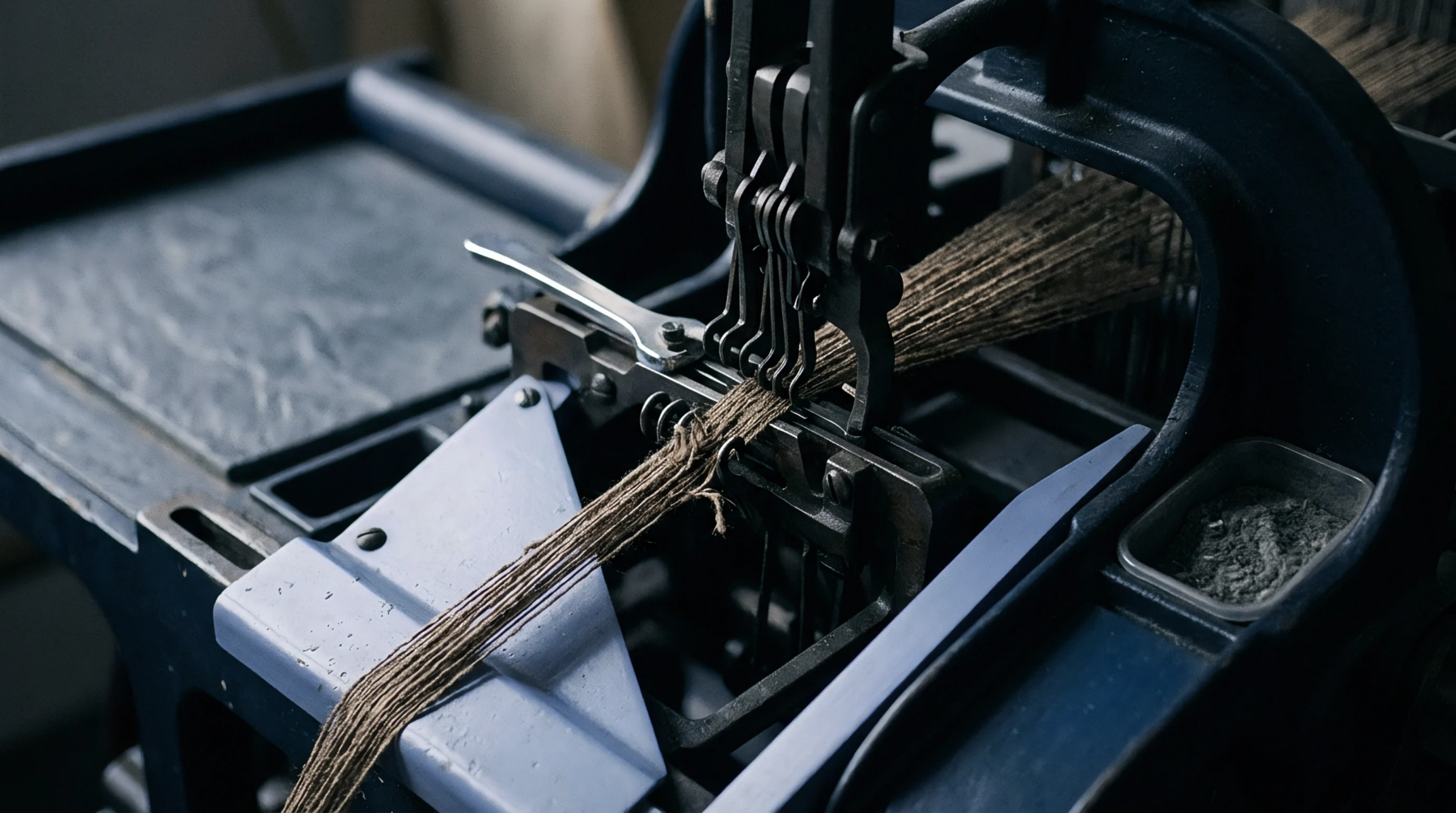
Enzymatic Boiling Parameters for High Count Linen Yarn Drafting Cohesion
Enzymatic roving boiling balances pectinase cleavage to leave 1.1-1.5% residual pectin, stabilizing wet-drafting tension for fine linen spinning up to Nm 75.
Enzymatic roving boiling balances pectinase cleavage to leave 1.1-1.5% residual pectin, stabilizing wet-drafting tension for fine linen spinning up to Nm 75.
Non-enzymatic calcium chelators sequester cross-linking ions to suppress trough bath viscosity, reduce drafting force, and prevent roller lapping at high frame speeds.
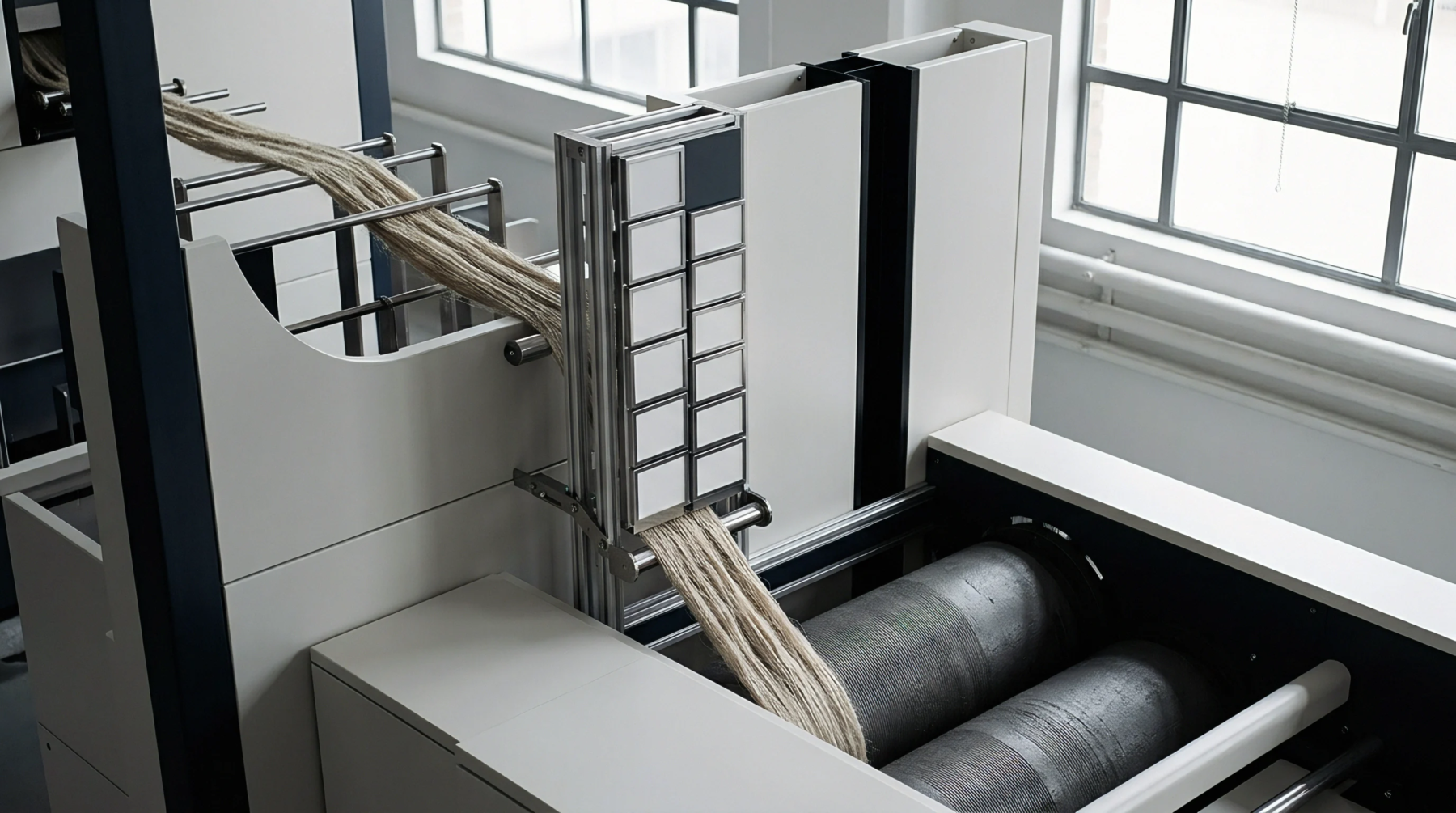
Stabilizing wet-spinning troughs at 60 to 63°C plasticizes flax middle lamella pectins, suppressing drafting force spikes and yarn mass CV drift.

Targeting 1.2 to 1.5 percent residual pectin via controlled hydrolysis stabilizes wet drafting forces below 5 cN per tex, preventing breaks at Nm 80 and above.

Dynamic sliver cohesion between 16 and 22 cN/ktex under controlled trough temperatures prevents drafting waves and high-speed wet spinning end breaks.
Optical bundle sizing defines the maximum draft ratio and ratch setting in wet flax spinning by quantifying pectin division before immersion.

Optimizing wet trough temperature and pH solubilizes calcium pectate to lower drafting force, extend spinnable count, and cut ends down in dew-retted flax.
Expertise is a utility, not a secret. sentiention™ publishes its working knowledge as open reference: intelligence layer covering the materials it sources, the markets it enters, and the reference that serves both.