
Flax Roving Hydration and Boundary Layer Mass Transfer Mechanics
Controlled hydrodynamic shear and 65°C bath temperature strip boundary layers to saturate roving cores, slashing drafting drag and boosting spinnable counts.
Controlled hydrodynamic shear and 65°C bath temperature strip boundary layers to saturate roving cores, slashing drafting drag and boosting spinnable counts.

Optimizing wet spinning trough mass transfer and pectin softening reduces yarn drafting force, cuts end breakages, and lowers fabric production costs per metre.

Hydynamic boundary layer reduction in wet-spinning troughs accelerates core hydration, stabilizing swelling and lowering yarn count CV percent.
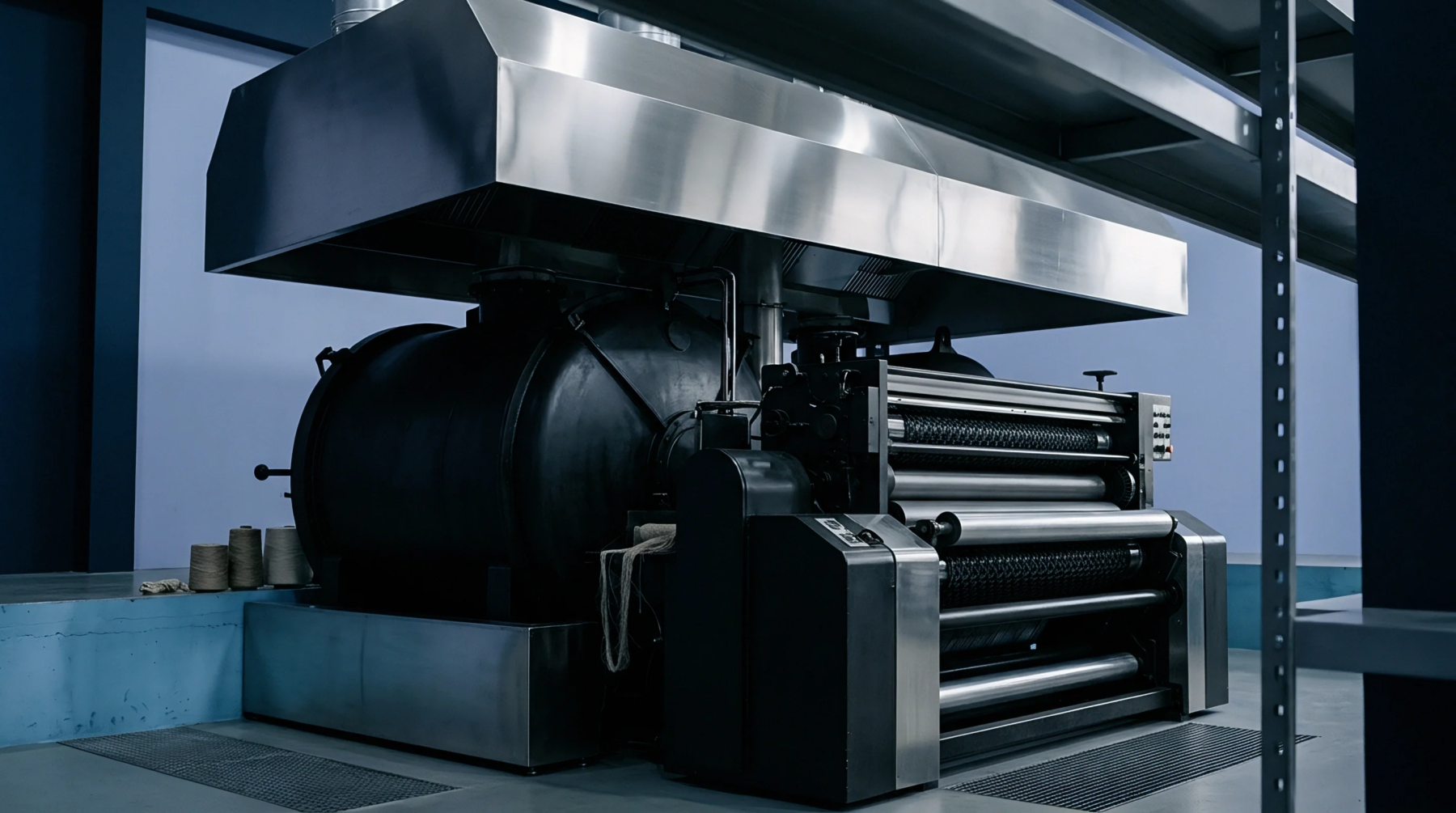
High-speed wet spinning demands sub-second pectin dissolution achieved through micro-jet boundary layer disruption and controlled calcium chelation.
Expertise is a utility, not a secret. sentiention™ publishes its working knowledge as open reference: intelligence layer covering the materials it sources, the markets it enters, and the reference that serves both.