Suction Collection
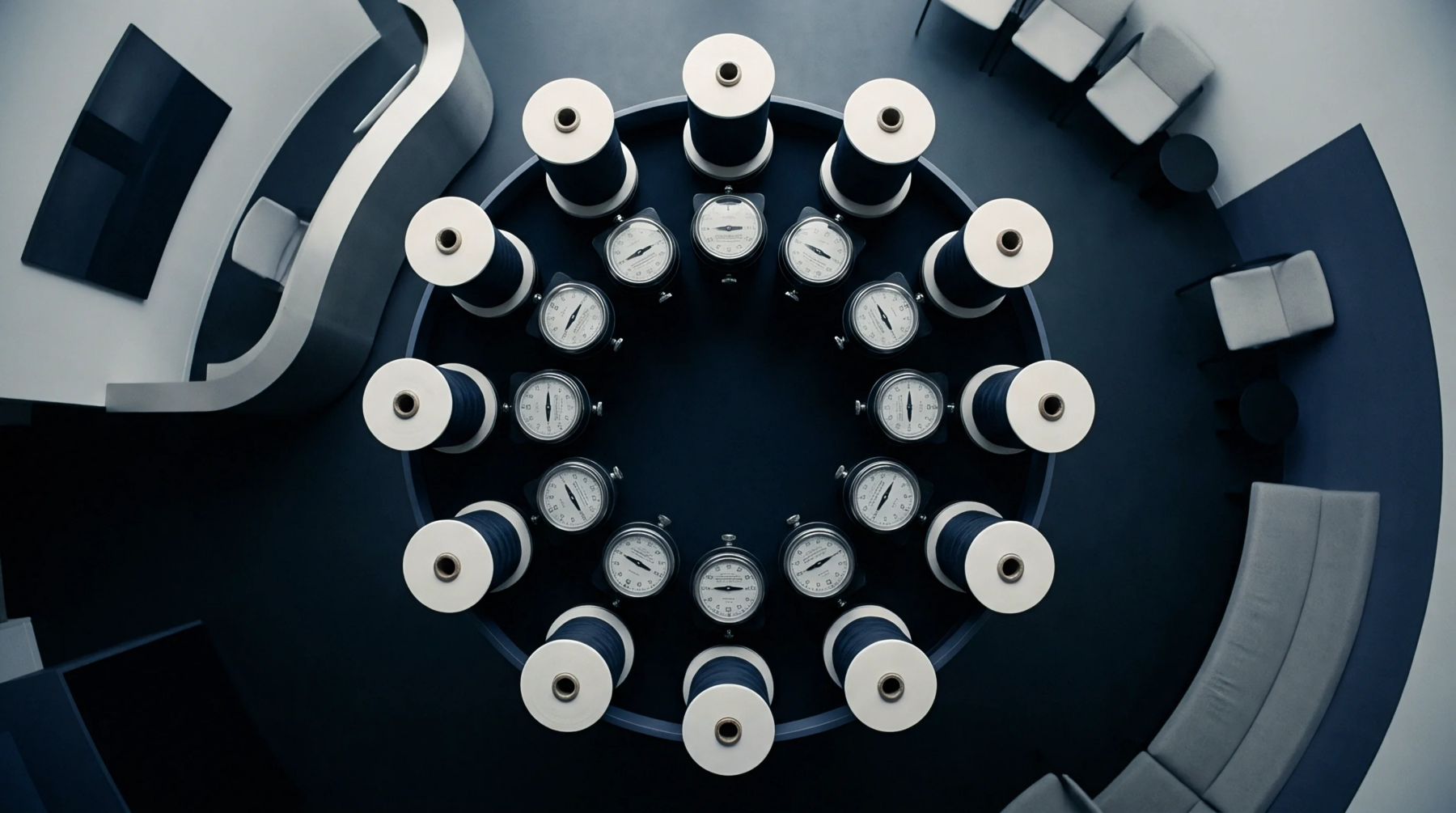
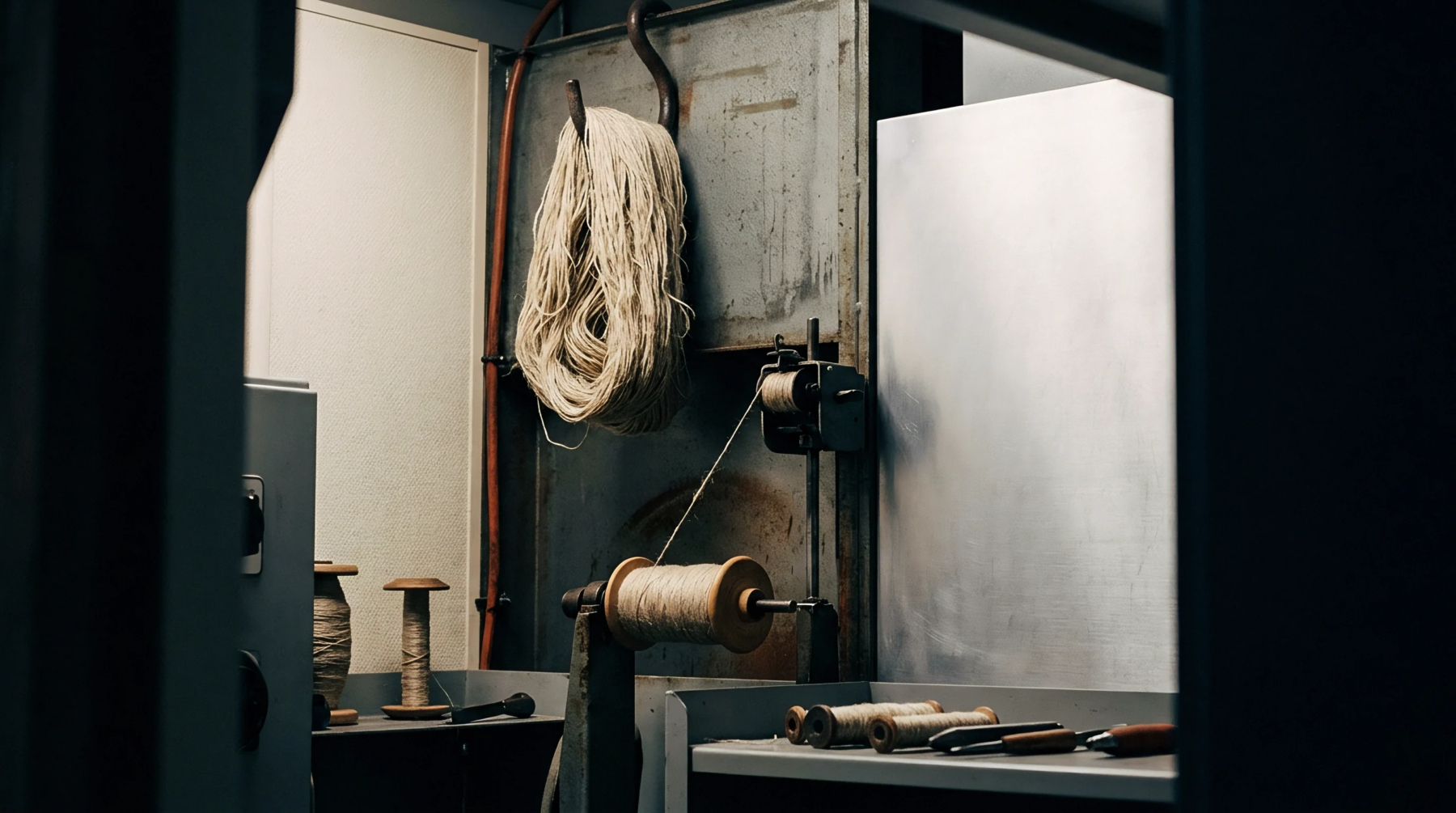
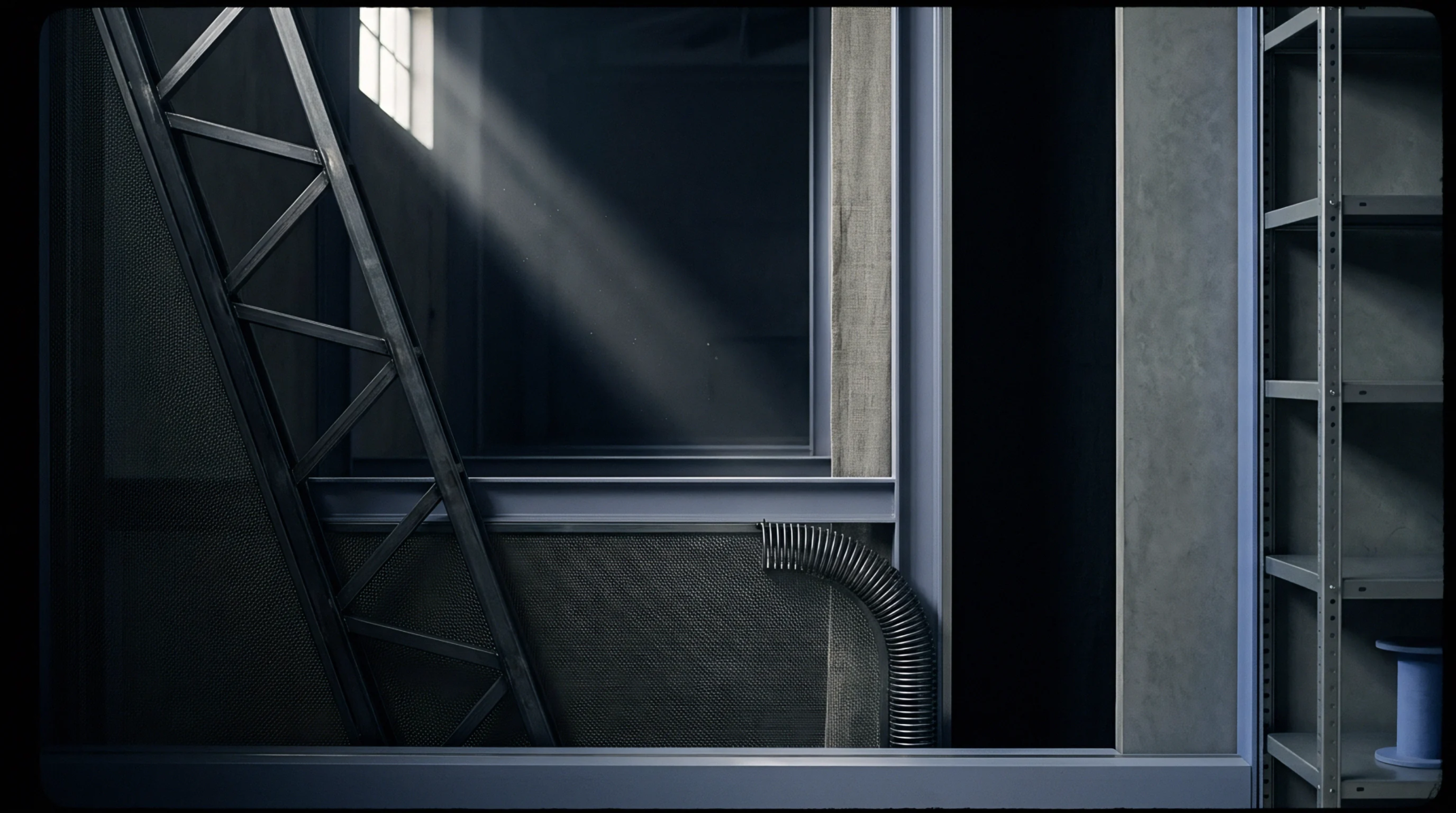
Suction recovery systems in spinning mills capture loose fibres and broken yarn ends directly from the spinning frame to prevent machine entanglement. During the processing of flax, pneumafil waste consists of these vacuum-collected fibres that are sucked into a centralized receptacle when a yarn break occurs during spinning. This byproduct represents a clean, high-quality material because it has already undergone the combing and drafting stages of preparation.
Material Recovery
Carding departments can reprocess this recovered material by blending it back into coarser yarn runs or utilizing it for non-woven applications. Because the fibres have been aligned and cleaned, they retain much of their spinning value, although they are too short or disrupted for the original fine yarn count. Spinning operators track the volume of these vacuum-captured fibres on the shift output log to identify problematic spindles that are causing frequent yarn breakages.
A high accumulation rate indicates mechanical issues or poor roving quality that requires immediate intervention by the maintenance team.
Spinning Efficiency
Quality managers compile the weight of this recovered fibre on the daily waste report to assess the performance of the spinning room. This documentation helps calculate the true spinning yield and determines the efficiency of the raw flax utilization. Buyer specifications often limit the percentage of reprocessed materials allowed in premium linen yarns, as too much recycled fibre can reduce the strength of the final product.
Mill guidelines enforce strict separation of vacuum waste from floor sweepings to ensure the reprocessed batch remains free from oil, dust, and other contaminants that would ruin the subsequent spinning run.