Frictional Opposition
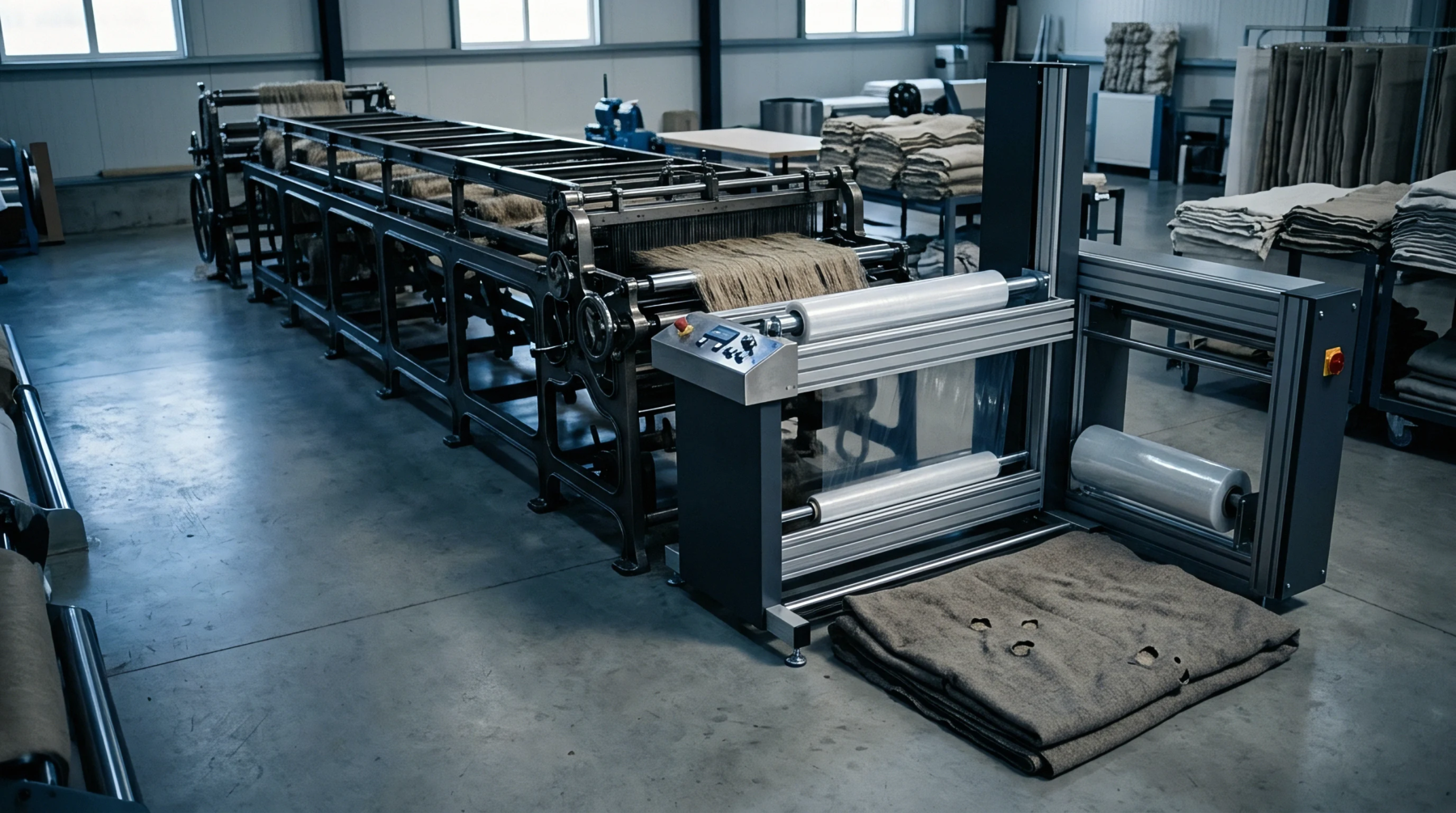
Mechanical friction between fibers during the attenuation process determines the stability of the spinning frame. A high drafting resistance occurs when the cohesive forces between individual flax strands exceed the grip of the rollers. The resulting force varies based on the wax content and the degree of retting.
If the tension remains too low, the sliver overfeeds and creates bunches.
Slip Regulation
Control of the drawing zone depends on balancing the pressure of the top rollers against the internal drag of the material. Proper drafting resistance prevents the fibers from sliding forward as an uncontrolled mass. Technicians adjust the ratch, or the distance between rollers, to match the staple length of the flax.
When the resistance is calibrated correctly, the resulting yarn shows a high degree of linear density uniformity. A longer ratch is required for bundles that have not been fully softened.
Process Outcome
Variations in the pull affect the final strength of the yarn. Measured in centinewtons, drafting resistance indicates whether the lubrication applied during wet spinning is sufficient to allow smooth fiber movement. Excessive force leads to frequent ends down or breaks on the spinning floor.
Consistent drag ensures that the twist insertion occurs at a predictable rate.