
Multi Isotope Soil Isoscape Mapping for Western European Linen Provenance
Multi-isotope mapping of strontium and oxygen provides an empirical origin gate that exposes commingled or substituted linen independent of paperwork claims.
Multi-isotope mapping of strontium and oxygen provides an empirical origin gate that exposes commingled or substituted linen independent of paperwork claims.

Proving non-preferential origin for Asian spun linen yarns demands mill-level mass-balance audit trails connecting European raw flax to yarn batches.

Verify European Flax scutched line through scope certificates, lot-matched transaction certificates, and rigorous hackling-to-spinning mass balance audits.

Customs origin audits assess back duties, compound interest, and negligence penalties by recalculating non-preferential rates across open five-year windows.

Verify physical flax batch identity by reconciling bale barcodes, yield conversion balances, and transaction certificates before approving spun yarn dispatches.

Verify European Flax certificates by balancing scutched flax intake against spinning yields, matching lot numbers, and confirming valid Transaction Certificates.

Wet spinning trough extraction rates between 2.2% and 3.5% dry mass optimize yarn cohesion while maintaining European Flax mass-balance compliance.

European Flax ring spinning mass balance audits require moisture-adjusted dry fiber weight reconciliation across every transformation stage from raw bale to spun package.

Origin reclassification of multi-country linen imports triggers retroactive duty increases up to forty percent plus compounded interest and civil penalties.
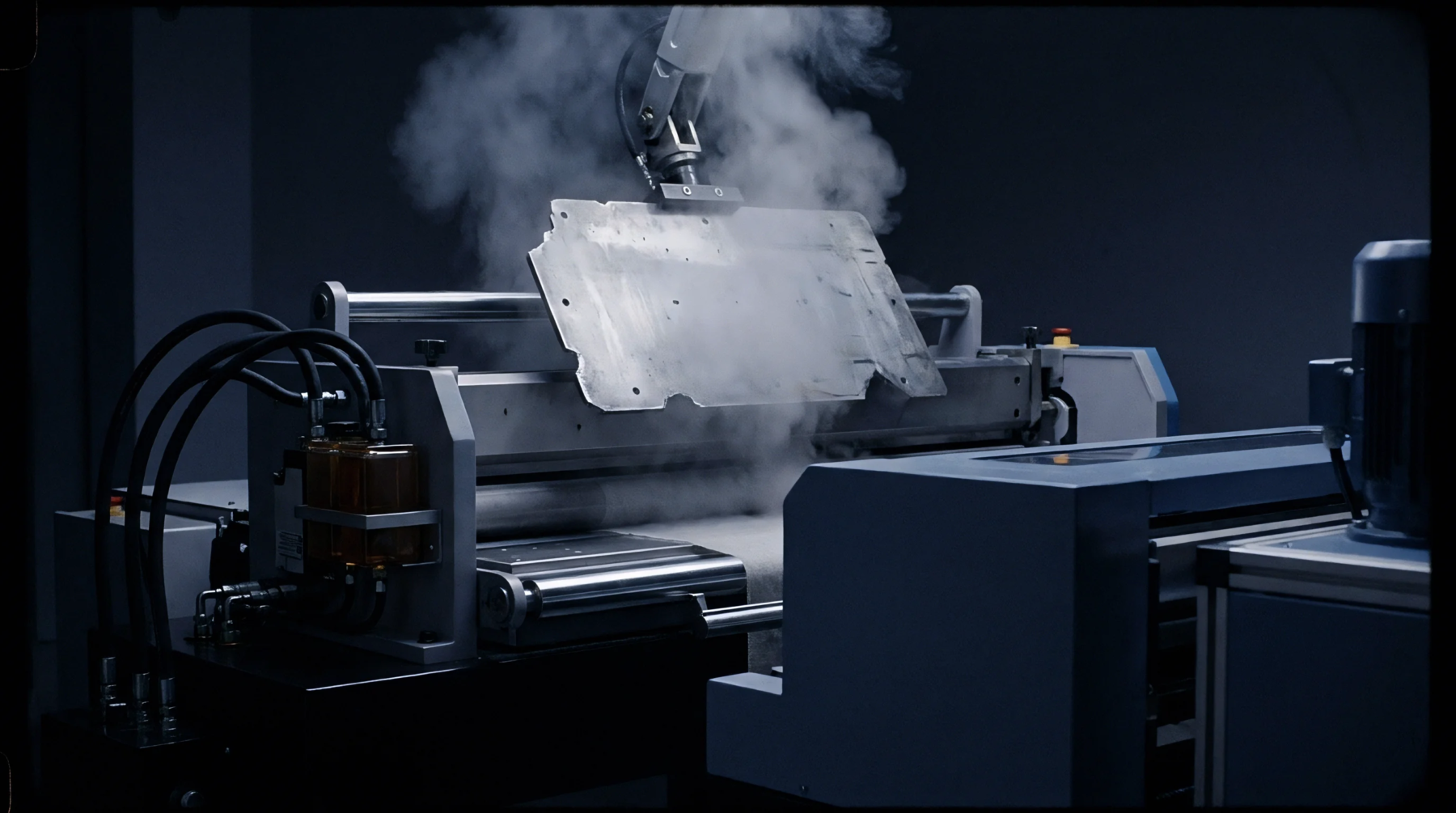
Resolving multi-country linen origin claims requires matching physical finishing mechanics to specific destination customs transformation thresholds.
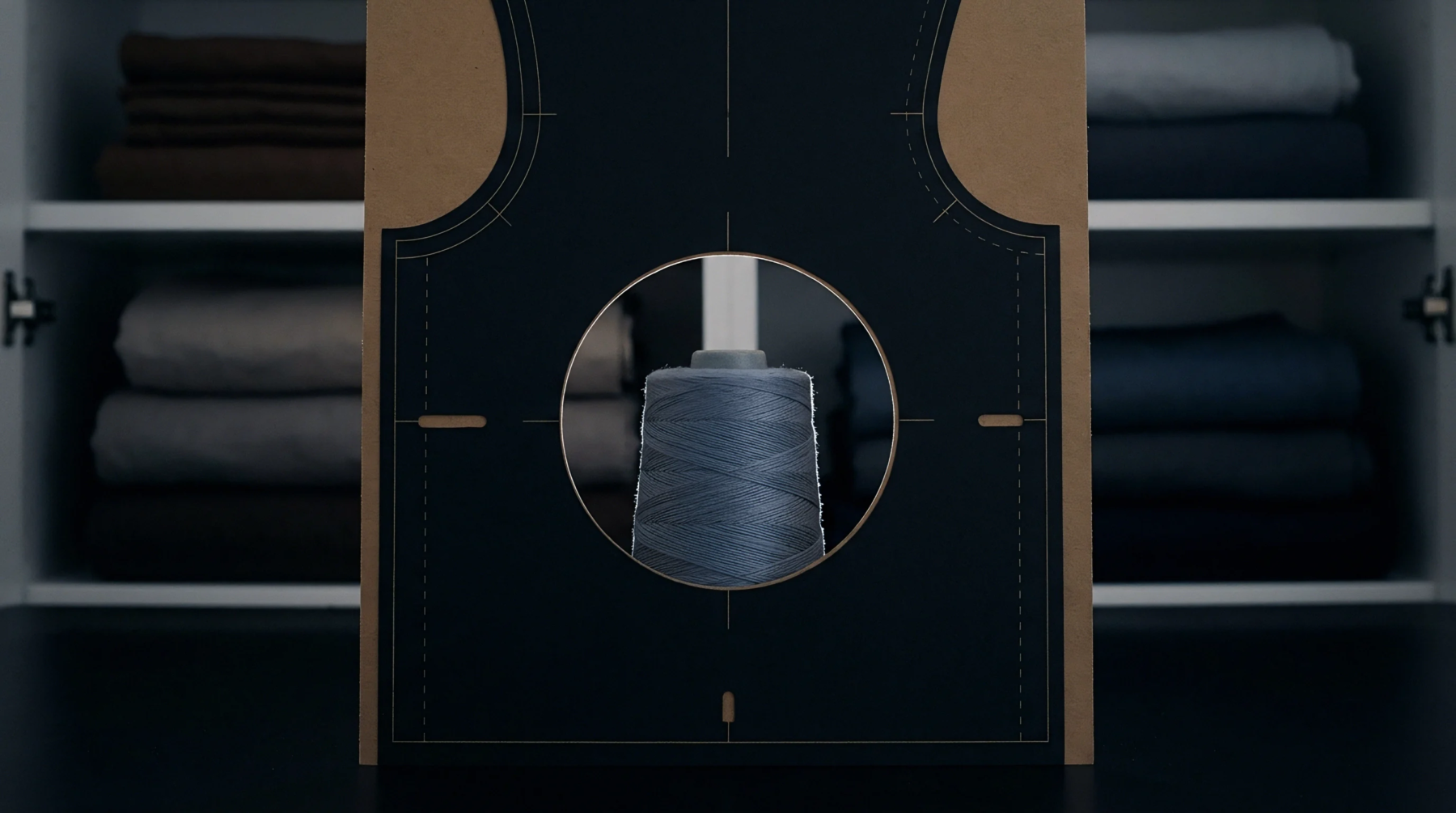
Wet spinning hackled flax roving into single yarn constitutes non-preferential substantial transformation, conferring customs origin where spinning frames operate.

Auditing scutched flax mass balances requires converting gross delivery weights into oven-dry mass adjusted to the standard twelve percent commercial regain.

Cross-border linen audits require converting all gross transit weights to commercial dry mass under ISO 6741 and applying stage-specific chemical solubilization factors to prevent false yield variance flags.

Substantial transformation audits in multi-country linen supply chains require linking lot-level transaction certificates from European flax fields to Asian spinning and weaving facilities to satisfy customs origin rules.

Hemmed imported linen sourcing requires Chapter 63 classification, mandatory transaction certificates matching lot yields, and origin proof at weaving.
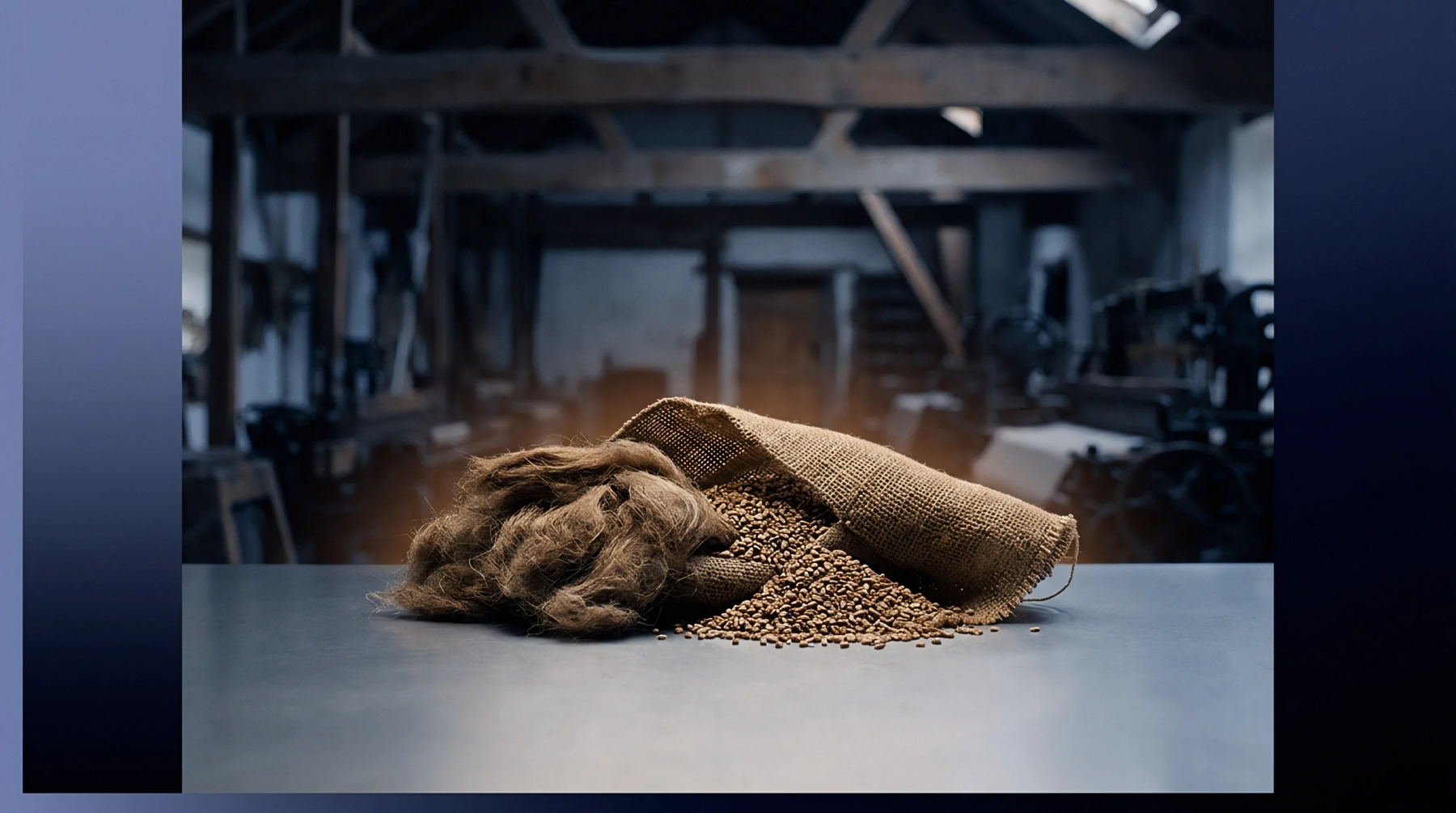
Proving substantial transformation in cross-border linen finishing requires matching chemical mill execution dockets to exact HS tariff shift rules.
Hackling yield limits govern origin proof: one hundred kilos of scutched flax produces fifty-eight kilos of line yarn, requiring tow mass tracking.

Statutory non-preferential origin depends on substantial processing steps, whereas voluntary chain-of-custody certificates track raw material identity.

Verifying flax scutching yield requires dry-mass normalization of input straw against output long fibre, tow, and shive fractions across batch records.

Stable isotope ratio mass spectrometry validates European flax origin by measuring precipitation carbon and soil strontium signatures directly from fabric cellulose.

Process-induced carbon and oxygen isotopic shifts in bleached linen yarn require alpha-cellulose extraction and mass-balance corrections for origin verification.

Resolving customs provenance discrepancies rests on aligning mill mass-balance ledgers with isotopic fiber profiling across intermediate production lots.

Stable isotope analysis of isolated alpha-cellulose resolves European and Asian long staple flax blends down to ten percent with high statistical confidence.
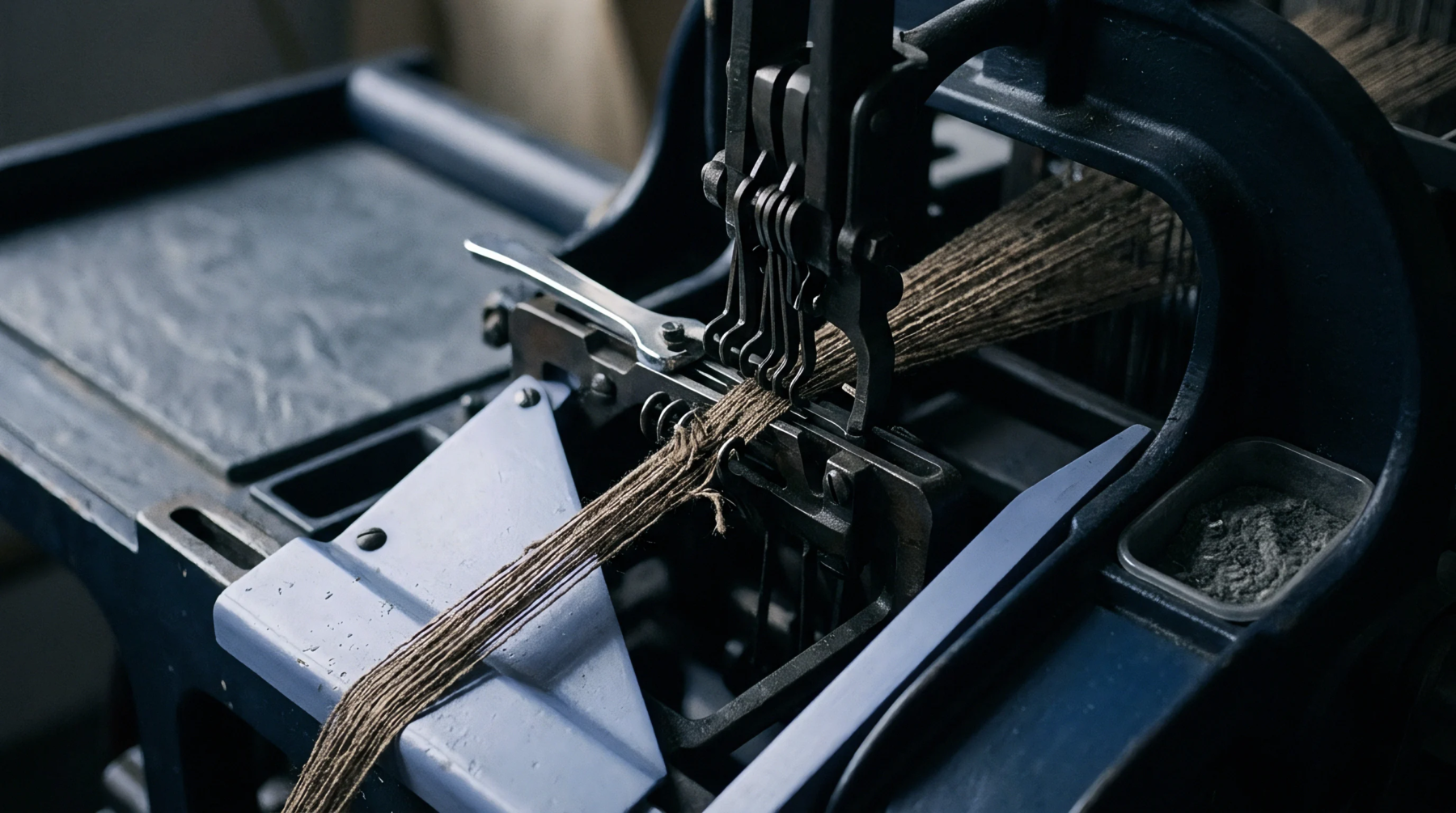
Non-European flax fiber substitution in transferred yarn stocks is capped at zero percent for pure European Flax and Masters of Linen claims.
European Flax chain of custody requires batch-level Transaction Certificates for every transfer, separating raw fibre origin from customs manufacturing origin.

Customs country of origin depends on transformation laws like spinning and weaving, making fibre certificates invalid as sole statutory proof.

Cross-border flax provenance requires batch-level transaction certificates, physical bale segregation, and strict mass-balance waste reconciliation.

Verify raw flax origin by matching field cadastral logs to weighbridge moisture tickets, scope certificates, and scutching mass balance yield ratios.
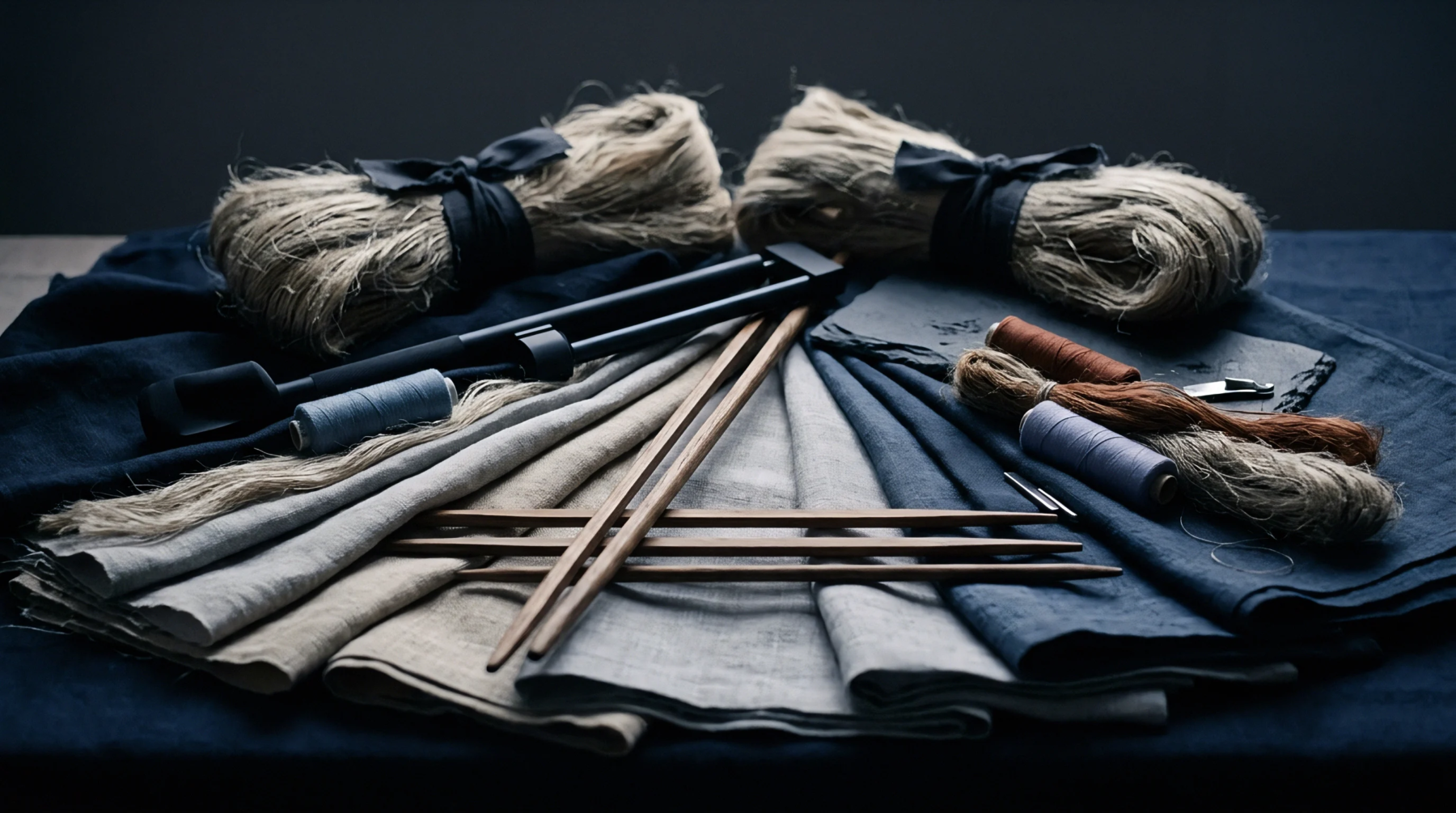
European Flax fibre spun in China retains certified raw material status under valid Transaction Certificates, but confers Chinese country of origin and forfeits Masters of Linen eligibility.

Reconciling spinning mill mass balance ledgers requires verifying raw intake certificates against physical machine yields, waste rates, and packaged yarn sales.
Expertise is a utility, not a secret. sentiention™ publishes its working knowledge as open reference: intelligence layer covering the materials it sources, the markets it enters, and the reference that serves both.