
Bale Tags and Spinning Lot Numbers Reconciled against Declared Volume
Operational provenance verification reconciles raw scutcher bale tags against spinning batch yields to prevent volume inflation across linen supply chains.
Operational provenance verification reconciles raw scutcher bale tags against spinning batch yields to prevent volume inflation across linen supply chains.

Draft origin warranties in Chinese contracts by linking L/C releases to lot-specific Transaction Certificates and securing claims through pre-suit asset freezes.

Non-preferential origin of woven linen fabric attaches permanently to the loom shed site where yarn transforms into cloth under HS 5309.

Multi-element EA-IRMS testing on extracted alpha-cellulose establishes statistical 95% confidence boundaries capable of verifying 15% non-European flax blending.

Customs tariff classification for flax requires precise verification of mechanical processing state, yarn twist insertion, and quantitative dry fiber mass composition.

Verify European Flax scope claims by matching batch transaction certificates to mill intake logs and applying stage yield losses to raw input mass.

Transaction certificate verification requires moisture-adjusted mass-balance reconciliation across processing nodes, backed by isotopic testing and contractual warranties.

Auditing wet spinning bath dissolution losses requires continuous tracking of trough temperature, pH, and dissolved solids to correct dry mass yield balances.

Accurate mass accounting in wet flax spinning requires deducting 3.5% solubilized pectin and micro-fiber sludge from dry input weights to verify yarn origin claims.

Reconciling raw flax imports against spun linen output relies on oven-dry mass adjustment, hackling yield tracking, and lot-specific transaction certificates.

Statutory non-preferential origin for hemmed linen bed and table linens remains attached to the weaving location under 19 CFR 102.21 and UCC Annex 22-01.

Intake weighbridge cross checking reconciles gross straw mass, core moisture regain, and soil tare against scutching manifests to verify net fibre yields.
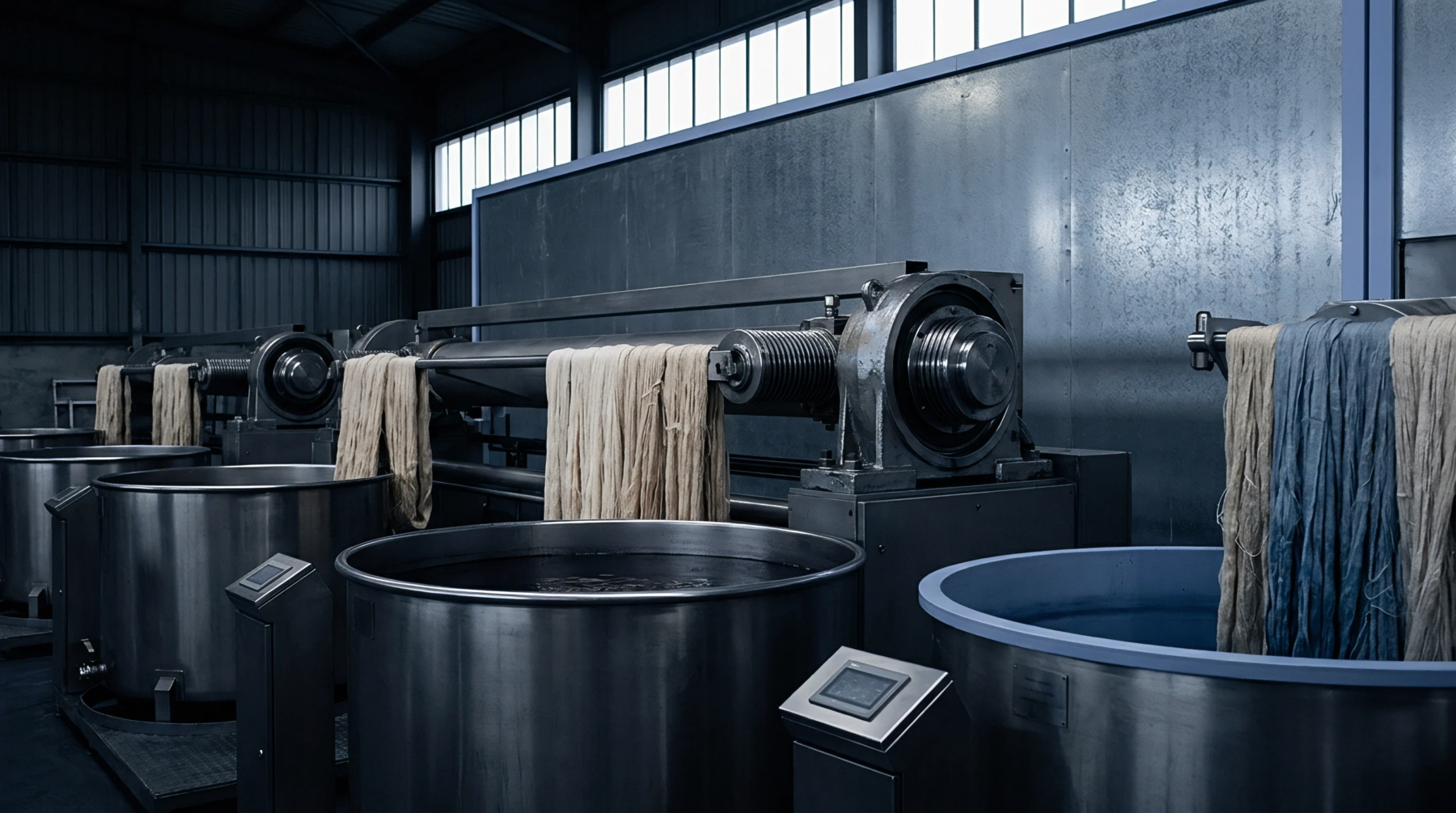
Reconciling wet spinning yield loss requires adjusting raw fiber weights for 12% regain, deducting 3.2-5.8% pectin extraction loss, and verifying comber tow sales.

Harmonized System Chapter 53 classification of flax fabrics relies on an 85 percent mass threshold verified through dry-weight chemical analysis.

Harmonized System bast fiber classification relies on physical shive percentage, pectin degradation depth, and mechanical hackling status.

Dock intake reconciliation converts landed gross weight to bone-dry mass via core oven desiccation before adding official twelve percent commercial regain.

Commercial indemnity liabilities for flax transit moisture regain require ISO 6741-1 core audit sampling to enforce dry-mass standard weight adjustments.

European flax verification requires matching batch Transaction Certificates against mill weighbridge receipts and verifying Scope boundaries across all transformation tiers.

Fine count wet spun linen mass balance requires deducting 2.5 to 4.5 percent pectin dissolution loss and count-adjusted mechanical scrap from dry input mass.

Mass balance certificates balance inventory on paper but offer zero proof of physical European flax containment in individual fabric bolts.

Cross-border flax provenance requires batch-level transaction certificates, physical bale segregation, and strict mass-balance waste reconciliation.

Auditing flax transformation ledgers requires mass-reconciliation across combing, spinning, and weaving nodes to verify customs origin declarations.
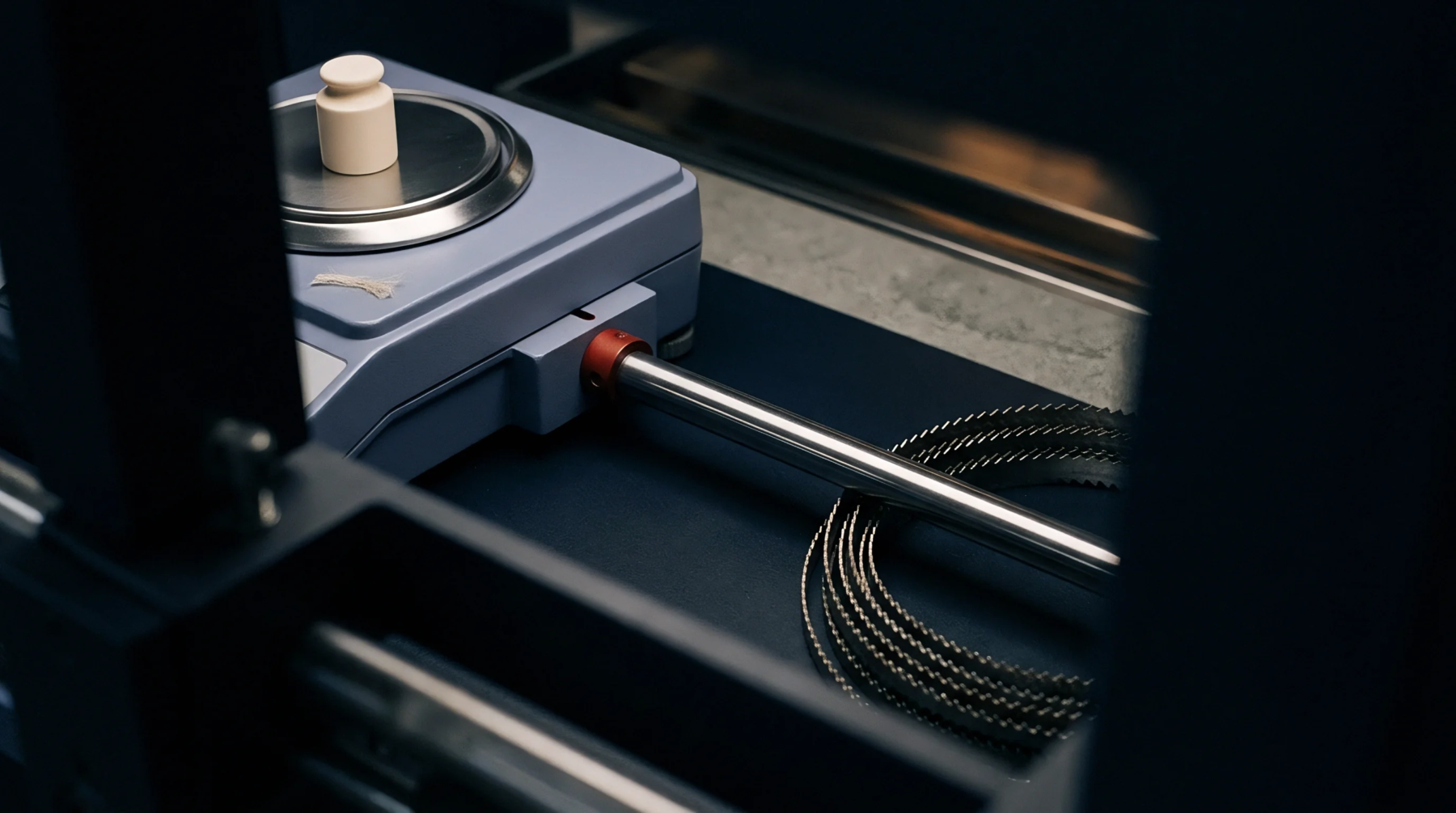
Mass balance weight verification between European scutchers and Asian mills requires normalizing scale weights to absolute dry mass plus twelve percent regain.

Calibrating scutching turbine speed and moisture regain maximizes long flax yield and preserves intrinsic bundle tenacity for traceable origin auditing.

ISO 22095 mass balance allocation demands dry-mass baselines and process waste reconciliation to stop certified credit inflation in mixed flax spinning.

Stable isotope analysis of isolated alpha-cellulose resolves European and Asian long staple flax blends down to ten percent with high statistical confidence.

Auditing offshore linen mass balance demands real-time dry weight tracking, moisture regain adjustments, and batch-level transaction certificate verification.
Resolving customs provenance discrepancies rests on aligning mill mass-balance ledgers with isotopic fiber profiling across intermediate production lots.

Process-induced carbon and oxygen isotopic shifts in bleached linen yarn require alpha-cellulose extraction and mass-balance corrections for origin verification.

Classification of unprocessed raw agricultural fibers depends on mechanical decortication thresholds, residual shive content, and verifiable scutching mass balance records.
Expertise is a utility, not a secret. sentiention™ publishes its working knowledge as open reference: intelligence layer covering the materials it sources, the markets it enters, and the reference that serves both.