Residual Matter
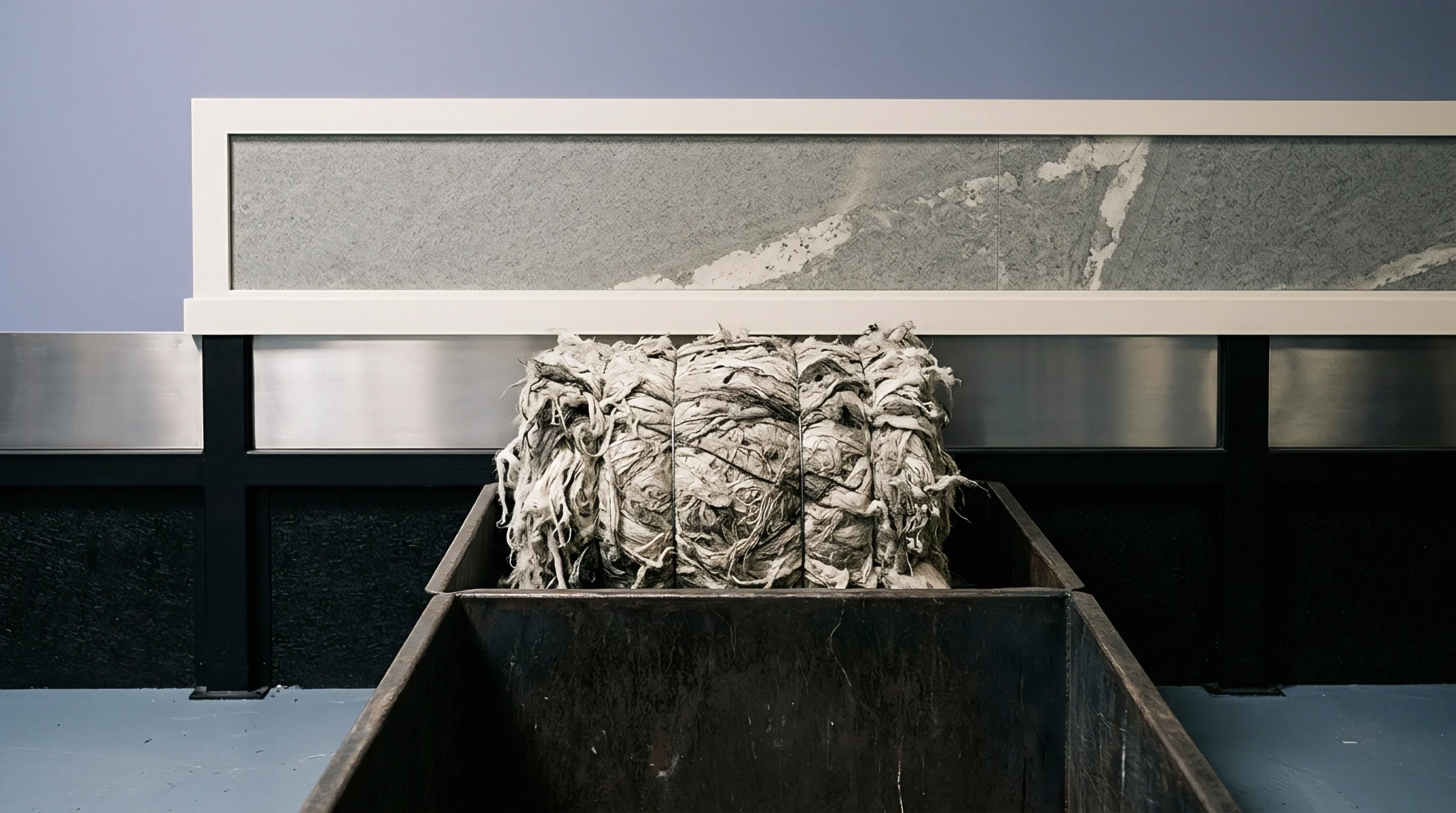
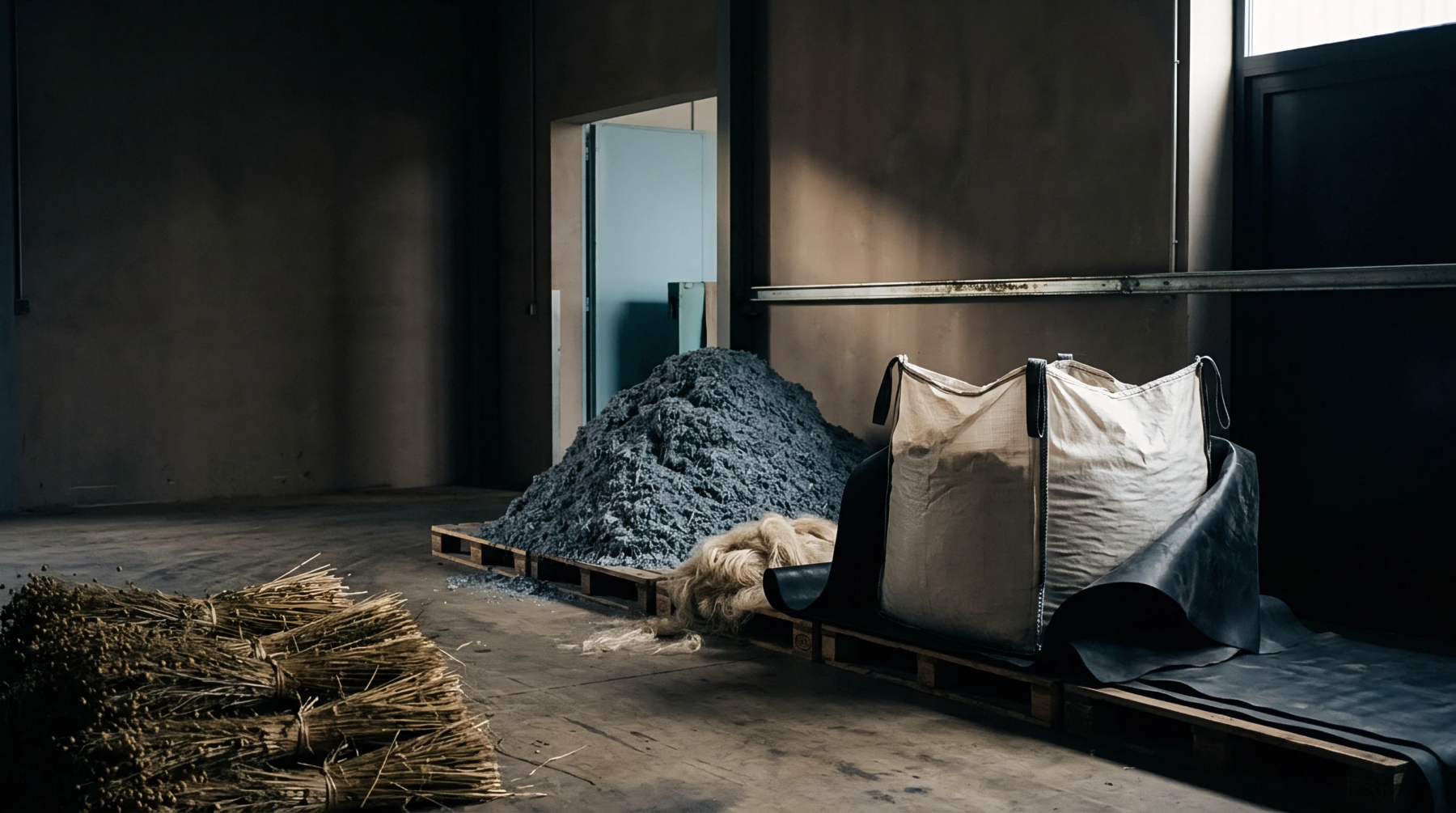
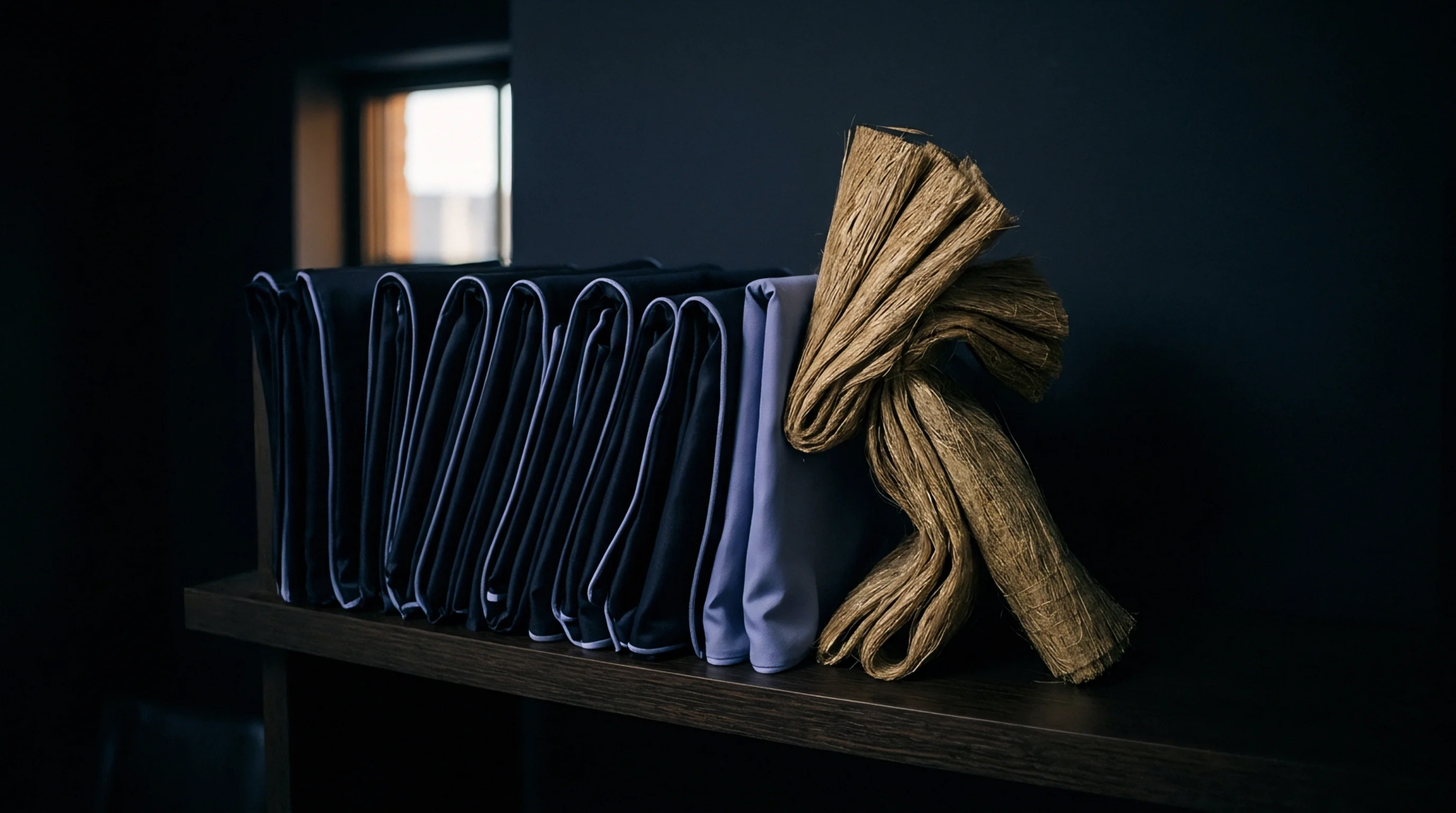
Shive content defines the weight proportion of non-fibrous vegetable particles remaining in flax tow after the primary scutching process occurs in the mill. Buyers test shive content to determine the efficiency of mechanical cleaning cycles because excess debris requires intensive chemical bleaching later. Flax bales contain varied quantities of woody fragments derived from the stalk core.
Mills monitor these levels to prevent excessive dust accumulation during the subsequent carding stage where short fibres undergo alignment. Fibre grading protocols often limit the percentage of woody stem remnants because impurities break spinning frames and reduce yarn uniformity.
Cleaning Performance
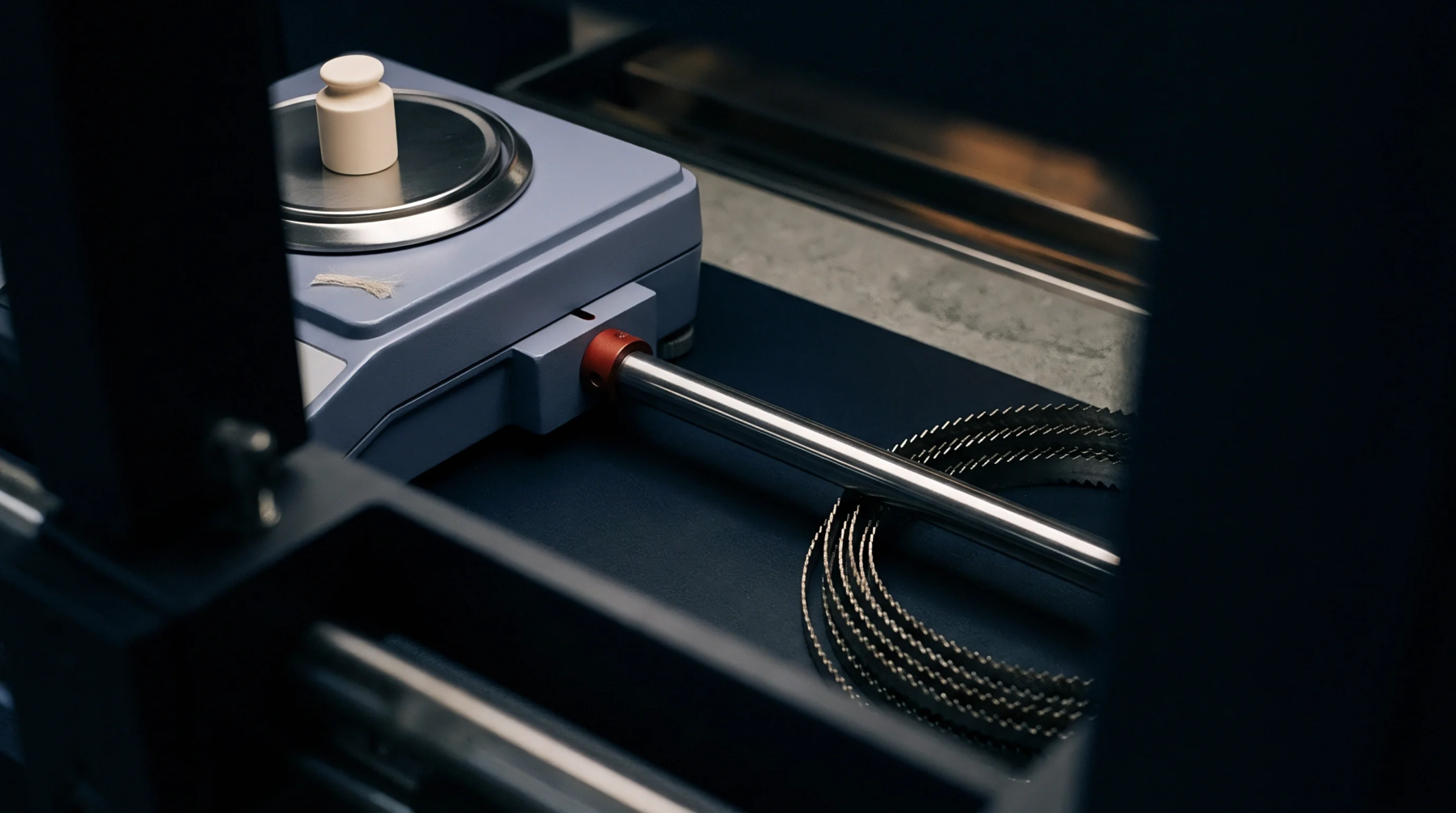
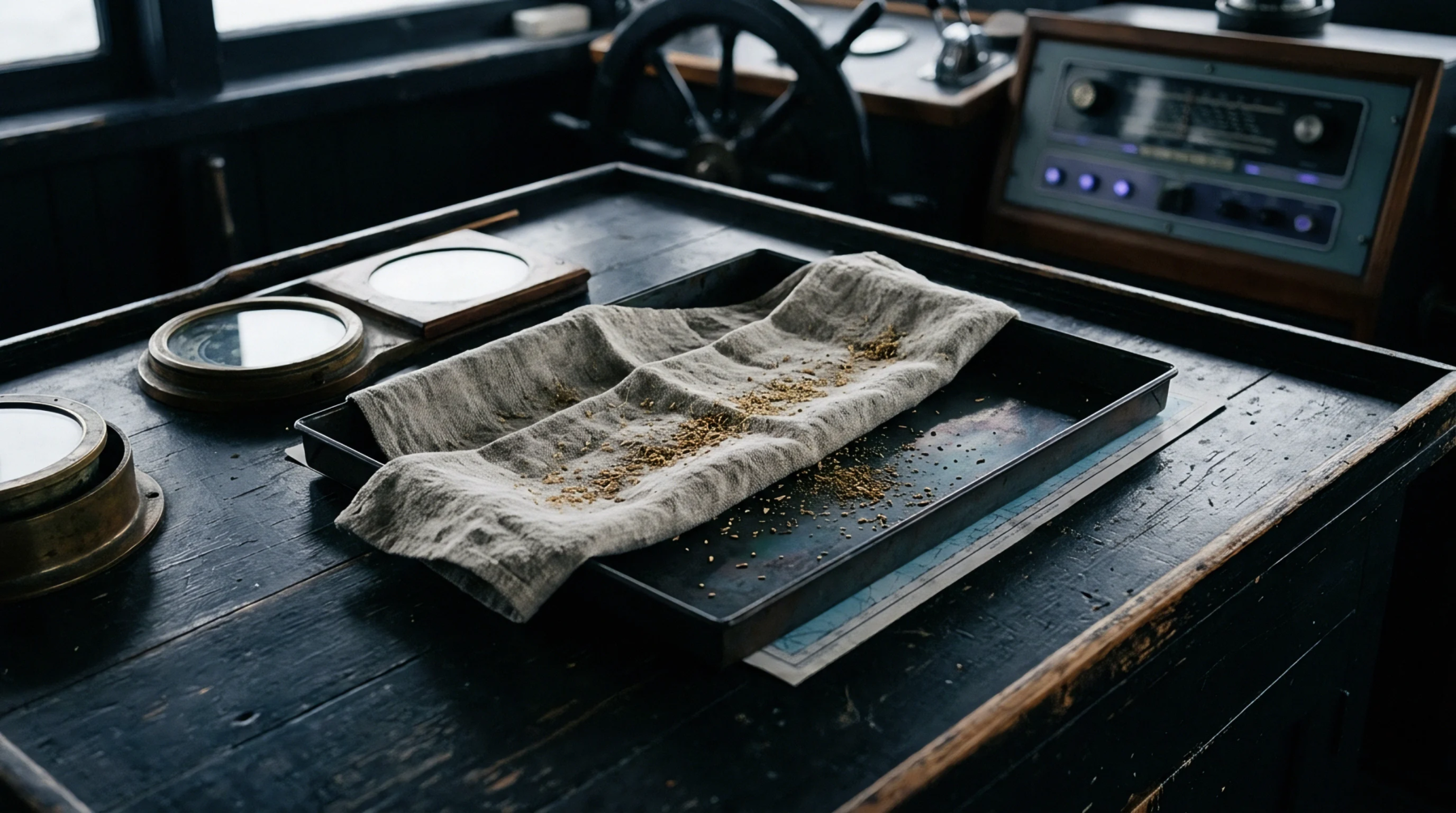
Mill operators measure cleanliness by separating plant waste from fibre bundles through high-speed agitation or air classification equipment before sale. Each batch generates a laboratory report detailing the dry weight of extraneous material recovered from a sample of known mass. High shive content signals poor mechanical separation that increases the cost of refining raw material into saleable sliver.
Producers adjust machinery settings when reports indicate levels rising above established internal thresholds. Proper removal ensures the integrity of the long strands during mechanical drawing and roving operations. Buyers hold back payments if test samples contain higher densities of woody particles than agreed upon in the master supply contract.
A low density of woody matter indicates a higher degree of mechanical refinement and reduces the burden on caustic scouring operations during finishing.
Acceptance Boundary
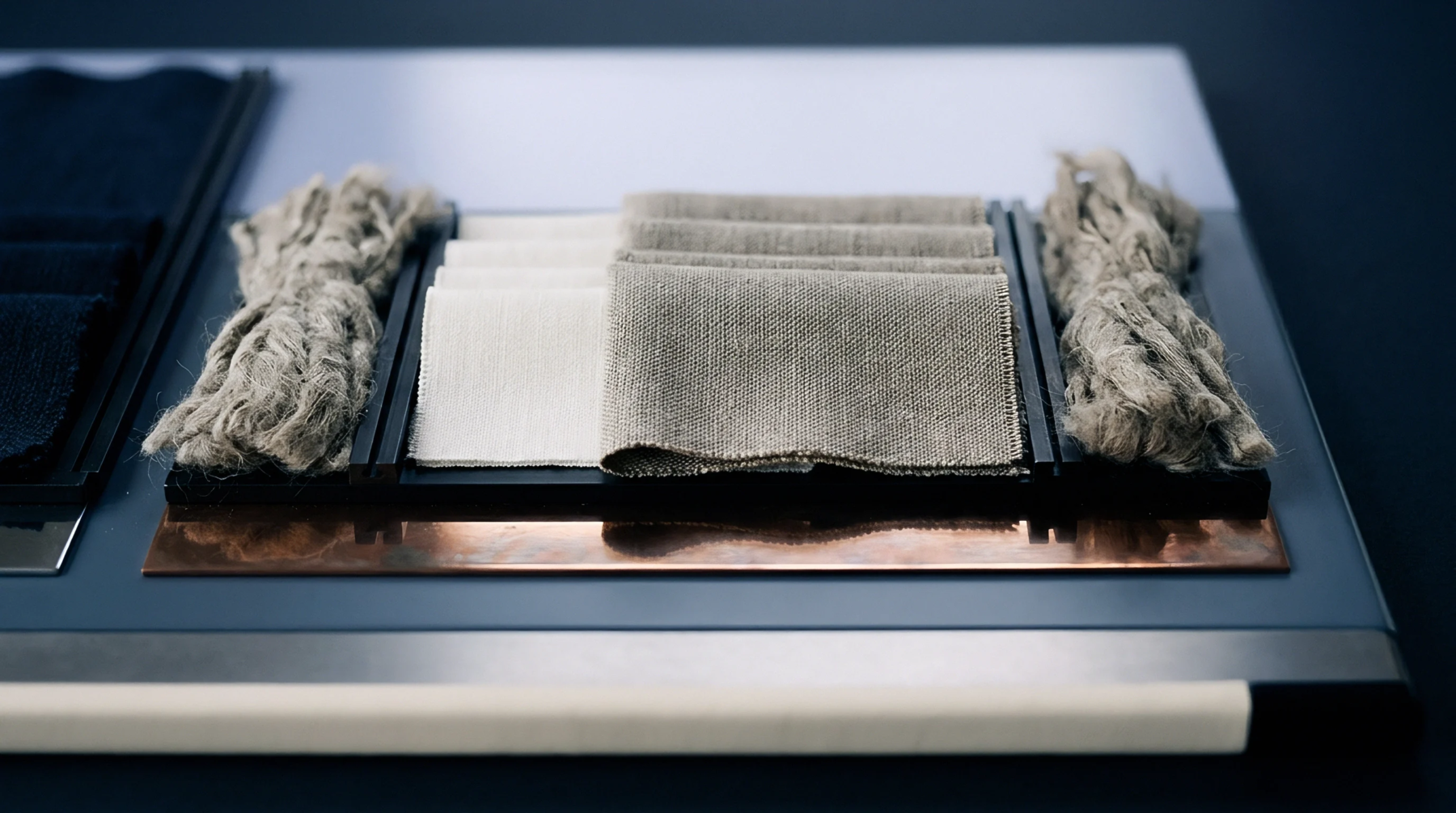
Quality managers reject incoming raw flax shipments that exceed the maximum tolerance defined for a specific grade of linen yarn. Acceptance standards differentiate between coarse industrial flax and fine textile fibres intended for apparel production. Testing procedures focus on dry mass ratios rather than particle size distribution.
Mills verify that the cleaning equipment maintains a consistent output across diverse harvest conditions. High quantities of woody remnants create irregular surface textures on woven cloth that manual inspection identifies as a failure of the preliminary production stage. Standard limits apply only to unprocessed or semi-processed material prior to the application of finishing agents or industrial softening processes.
The presence of shive content dictates the technical viability of a fibre lot for specific weaving applications.