
Verifying Physical Batch Identity in Flax Processing Operations
Verify physical flax batch identity by reconciling bale barcodes, yield conversion balances, and transaction certificates before approving spun yarn dispatches.
Verify physical flax batch identity by reconciling bale barcodes, yield conversion balances, and transaction certificates before approving spun yarn dispatches.

Subcontracted linen cloth contracts require third-party bank guarantees and escrow retentions to allocate retroactive anti-circumvention duty liabilities.

Origin audits reconcile scutched flax inputs to spun yarn outputs by calculating moisture regain, mechanical hackling yields, and wet bath pectin losses.

Origin reclassification of multi-country linen imports triggers retroactive duty increases up to forty percent plus compounded interest and civil penalties.

European Flax chain of custody requires matching annual scope certificates to shipment transaction certificates and mass-balance yield logs at every mill.
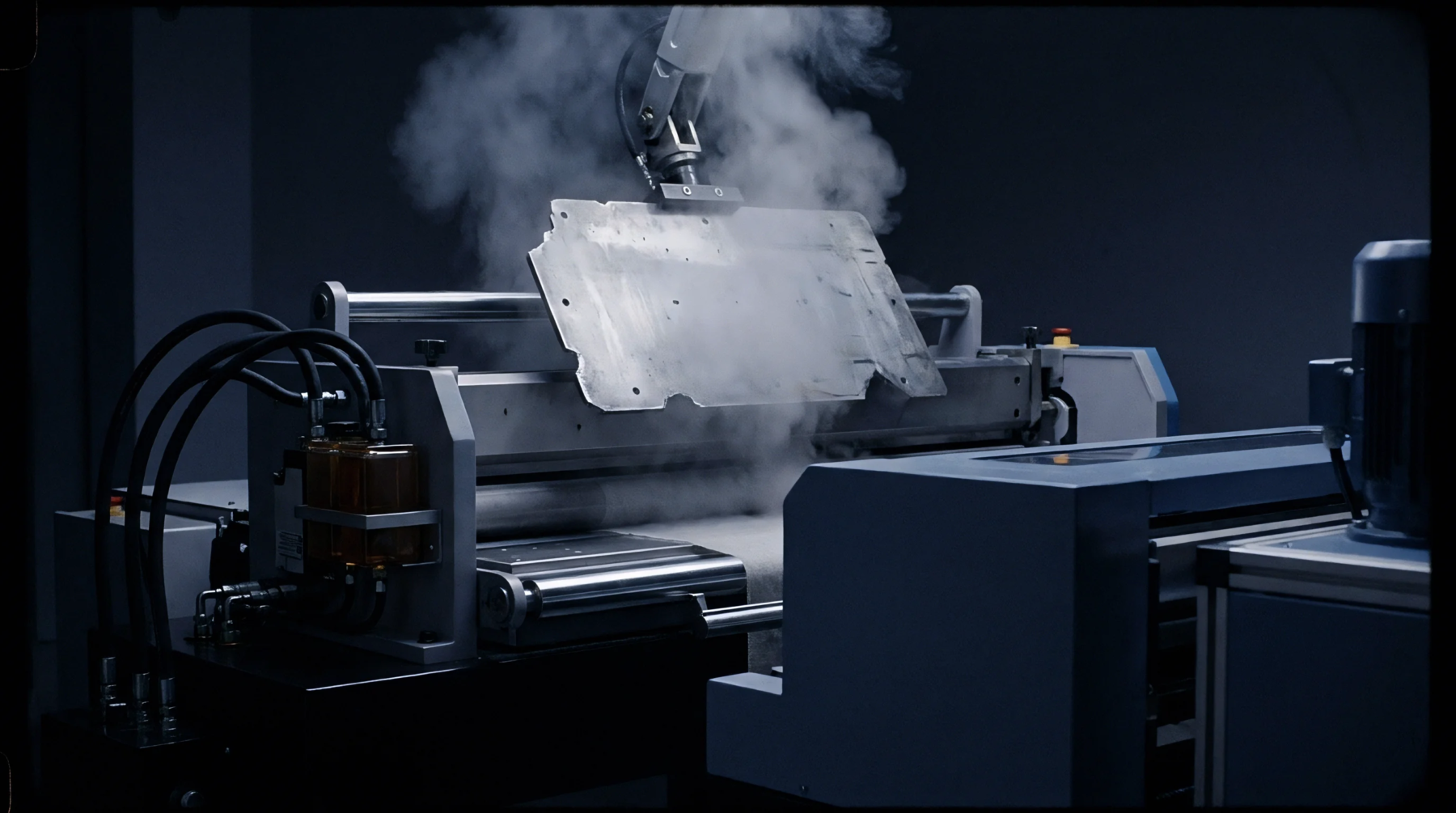
Resolving multi-country linen origin claims requires matching physical finishing mechanics to specific destination customs transformation thresholds.

Wet spinning hackled flax roving into single yarn constitutes non-preferential substantial transformation, conferring customs origin where spinning frames operate.

Tariff shift for linen requires verifying mechanical transformation at each HS heading, from raw fiber to spun yarn and woven cloth, backed by lot-level mill logs.

EU and US customs diverge on cottonized and degummed bast fibers, where residual lignin cutoffs trigger reclassification from zero-duty Chapter 53 to taxed staple fiber subheadings.

Mechanical scutching parameters govern flax fiber separation efficiency, yield ratios, customs origin transformation, and commercial batch verification.

Auditing scutched flax mass balances requires converting gross delivery weights into oven-dry mass adjusted to the standard twelve percent commercial regain.

Microscopic fiber differentiation resolves customs disputes by isolating fibrillar twist and middle lamella lignin through standardized staining and optical protocols.

Verifying dual-country greige fabric weaving claims relies on matching loom telemetry and sizing mass balance against customs entry documents.

Adding synthetic edge finishes under Section XI Note 7 shifts tariff lines to made-up goods but fails to change non-preferential origin from base fabric weaving.

Proving substantial transformation in cross-border linen finishing requires matching chemical mill execution dockets to exact HS tariff shift rules.

Woven flax goods transition from Chapter 53 fabric to Chapter 63 made up status upon meeting edge hemming, cut-to-shape, or drawn-thread criteria under Note 7.

Isotopic testing exposes flax origin by comparing carbon, oxygen, and strontium isotopes against mass balance records to prevent Asian spinning mill blending.

Hackling yield limits govern origin proof: one hundred kilos of scutched flax produces fifty-eight kilos of line yarn, requiring tow mass tracking.

Non-preferential origin under Union Customs Code Annex 22-01 hinges on meeting primary processing rules or proving predominant constituent fiber weight.

Non-preferential origin verification requires matching mill processing yield records against issuing chamber stamps and customs tariff shift rules.

Flax roving wet spinning attenuation defects stem from improper hot-water pectin softening and front roller nip slip, manageable through precise temperature and pressure control.

Statutory non-preferential origin depends on substantial processing steps, whereas voluntary chain-of-custody certificates track raw material identity.

Reconciling wet-spun long line flax demands subtracting hot-bath pectin extraction loss and comb waste from certified fiber transaction receipts.

Resolving isotopic database gaps for multi-region blended flax requires multi-element isotope unmixing models coupled with mill mass-balance audits.
Verifying flax scutching yield requires dry-mass normalization of input straw against output long fibre, tow, and shive fractions across batch records.

Validating European Flax transaction certificates across spinning mills demands reconciling mass balance ratios against certifier lot numbers and invoice weights.

Scutching confers non-preferential origin when mechanical decortication permanently transforms raw straw into clean fiber under verified mass balance audit dockets.

Bayesian isoscape analysis of multi-isotope ratios quantifies geographic constituent proportions in commingled yarn lots to catch fraudulent origin claims.

Resolving customs provenance discrepancies rests on aligning mill mass-balance ledgers with isotopic fiber profiling across intermediate production lots.

Stable isotope analysis of isolated alpha-cellulose resolves European and Asian long staple flax blends down to ten percent with high statistical confidence.
Expertise is a utility, not a secret. sentiention™ publishes its working knowledge as open reference: intelligence layer covering the materials it sources, the markets it enters, and the reference that serves both.