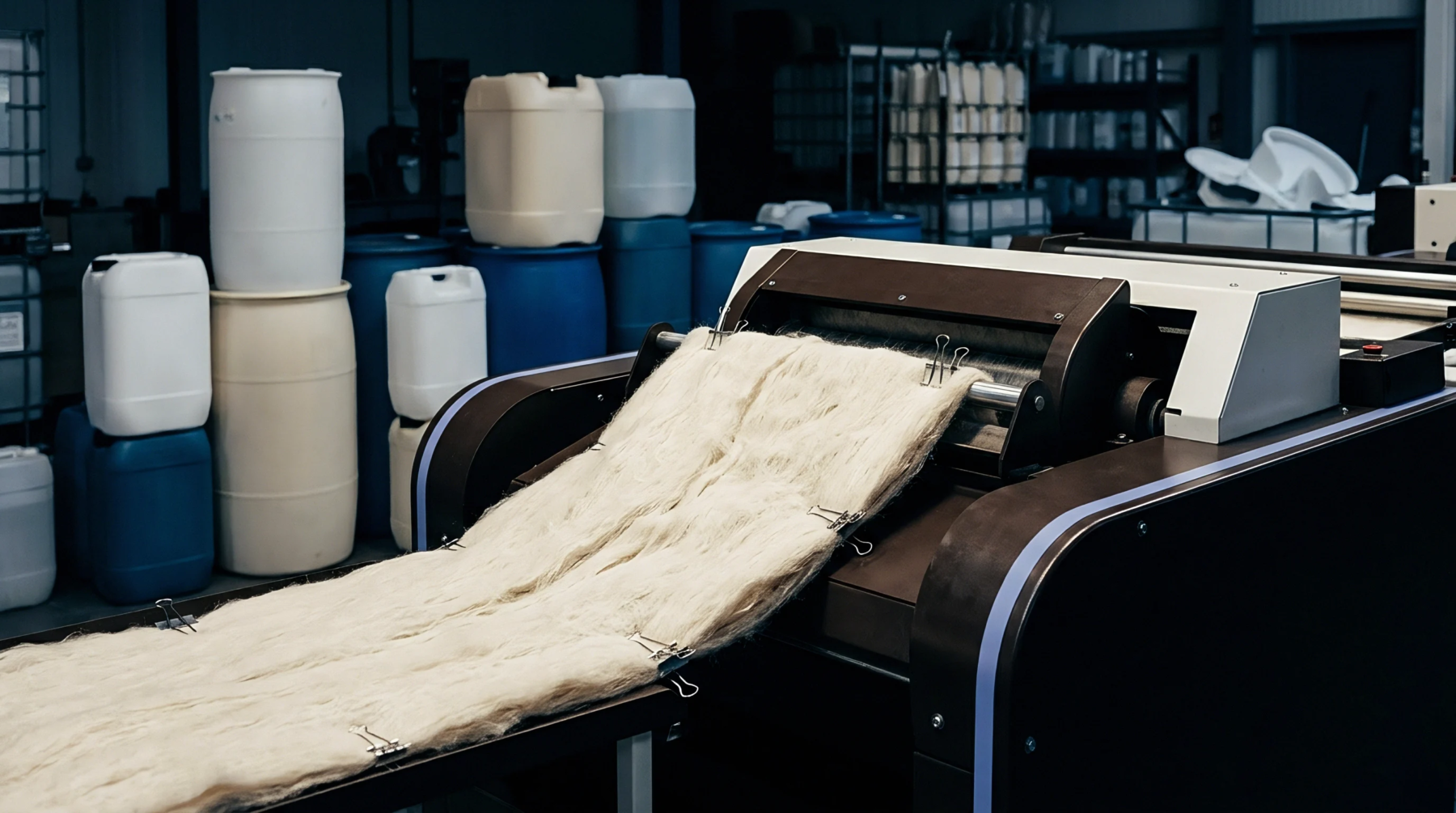
Mathematical Quantification of Machine Interference Penalties in High Density Flax Weaving Contracts
High-density flax weaving contracts require Ashcroft queueing models to adjust loom-hour rates for non-linear machine interference losses.
High-density flax weaving contracts require Ashcroft queueing models to adjust loom-hour rates for non-linear machine interference losses.
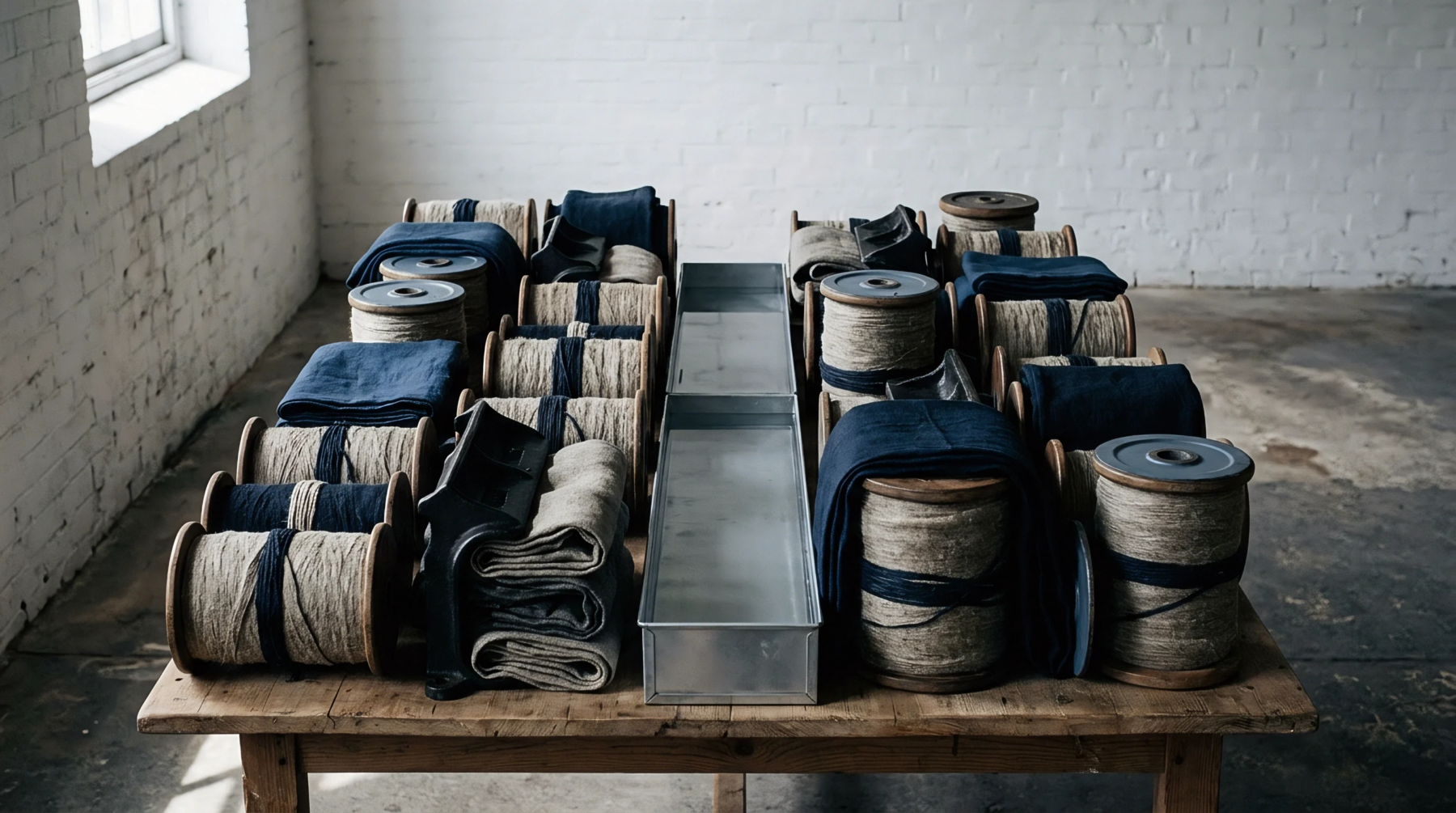
Linen Lea converts to Metric count via NeL multiplied by 0.604772, while direct Tex equals 1653.52 divided by NeL, adjusted for 12% moisture regain.
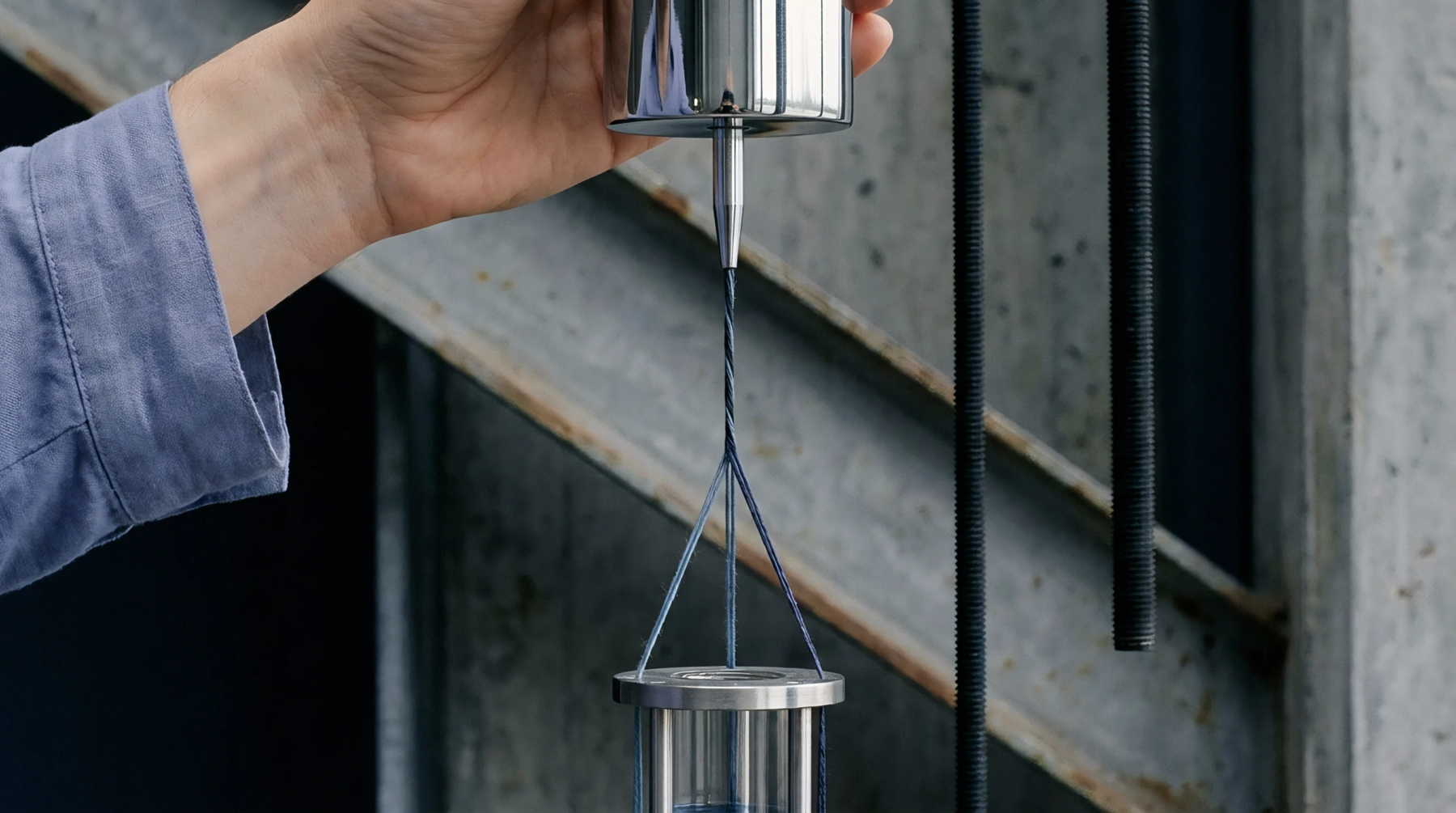
Optimizing Jacquard shed depth and backrest synchronization caps dynamic tension below 60 percent yarn strength, eliminating warp breaks in fine linen.
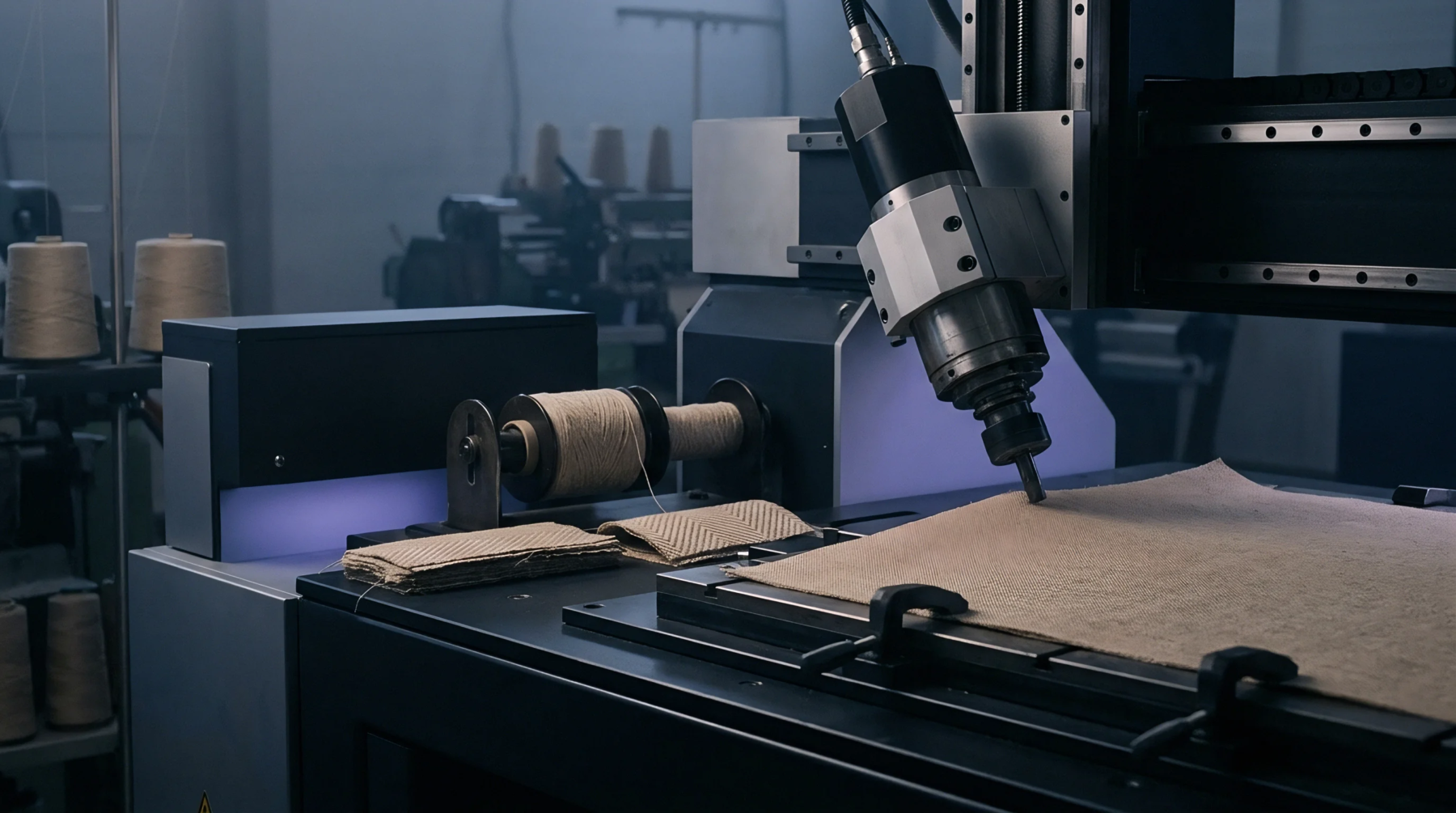
Non-linear crimp dynamics in heavy linen require modeling fiber swelling and non-linear interchange to control width loss, loom hours, and landed cost.

Dynamic friction limits in fine wet spun linen warps demand starch lubricant optimization and speed adjustments to prevent fibril breakage and machine downtime.
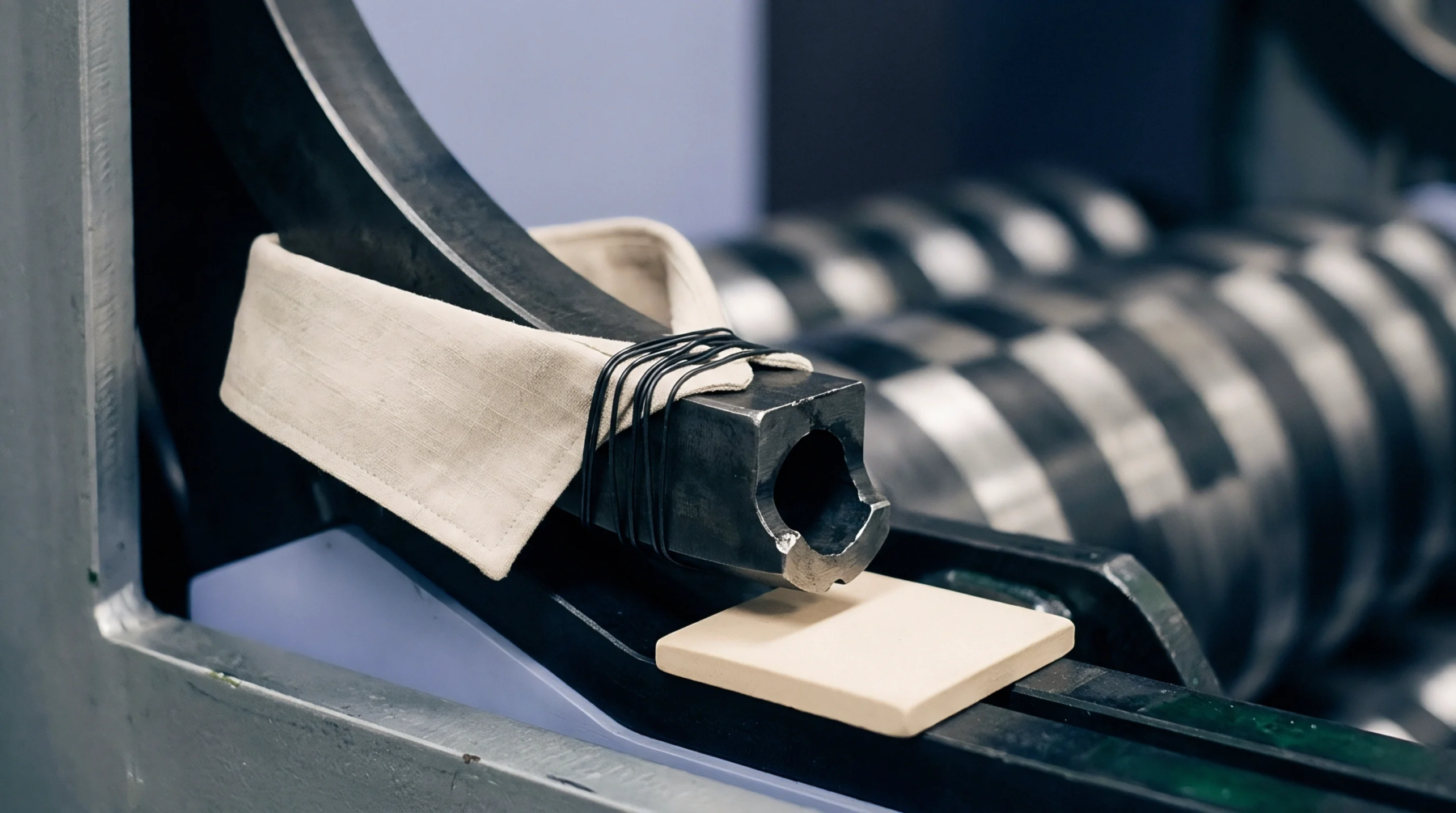
Air jet weaving of fine linen requires active back rest dampening and controlled sizing to hold dynamic tension peaks below yarn elastic limits.

Converting hand-loom swatches to rapier loom specs requires rebalancing warp crimp, sizing single yarns, and setting weft brakes to hold cover factor at speed.

Calibrating warp end density within cover factor limits and aligning loom shed geometry prevents thread chafing, maintains loom efficiency, and controls metre cost.
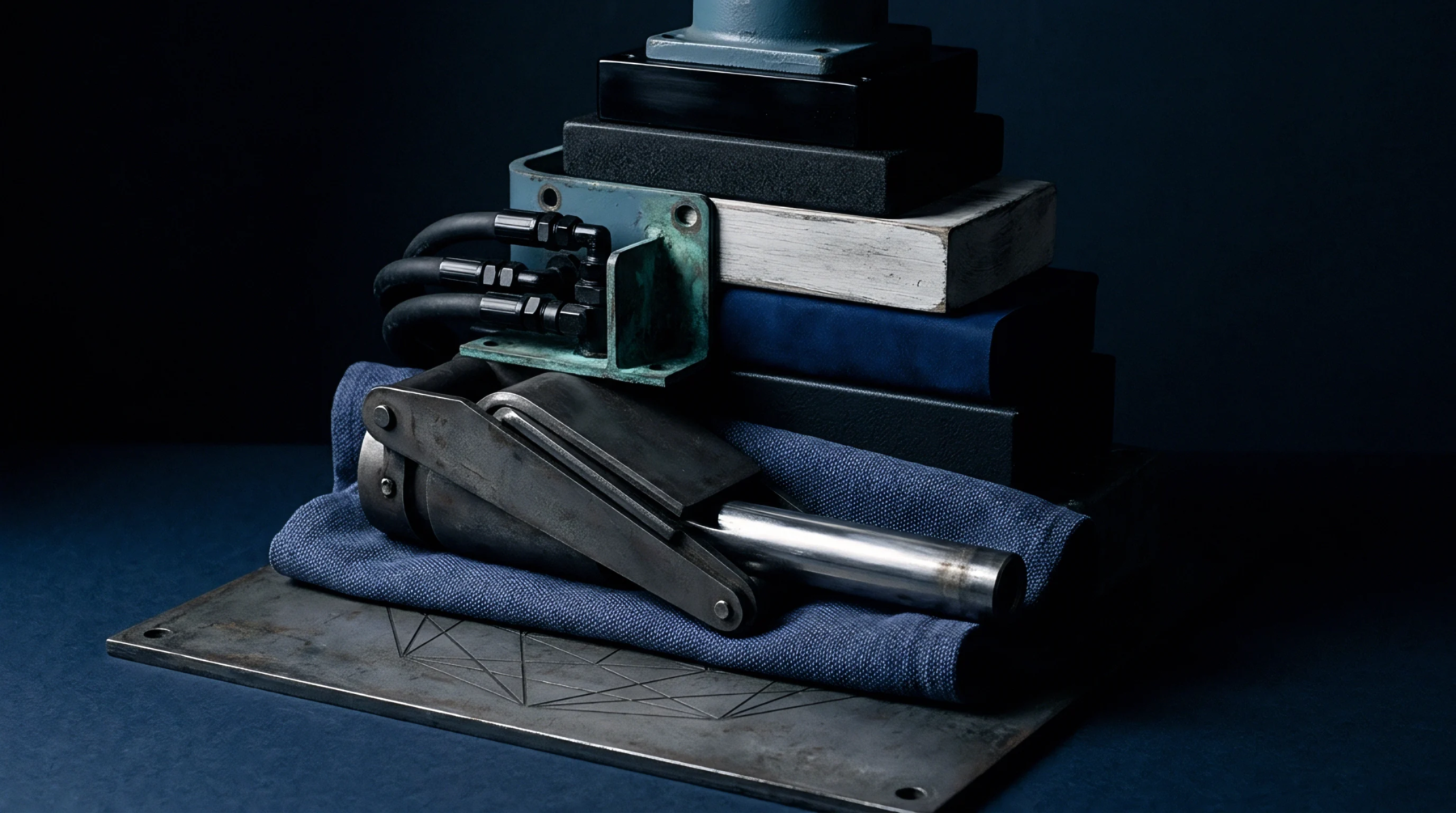
Managing off-loom flax warp crimp contraction requires precise reed denting allowances, ELO tension tuning, and size solubility control to hit target grey widths.
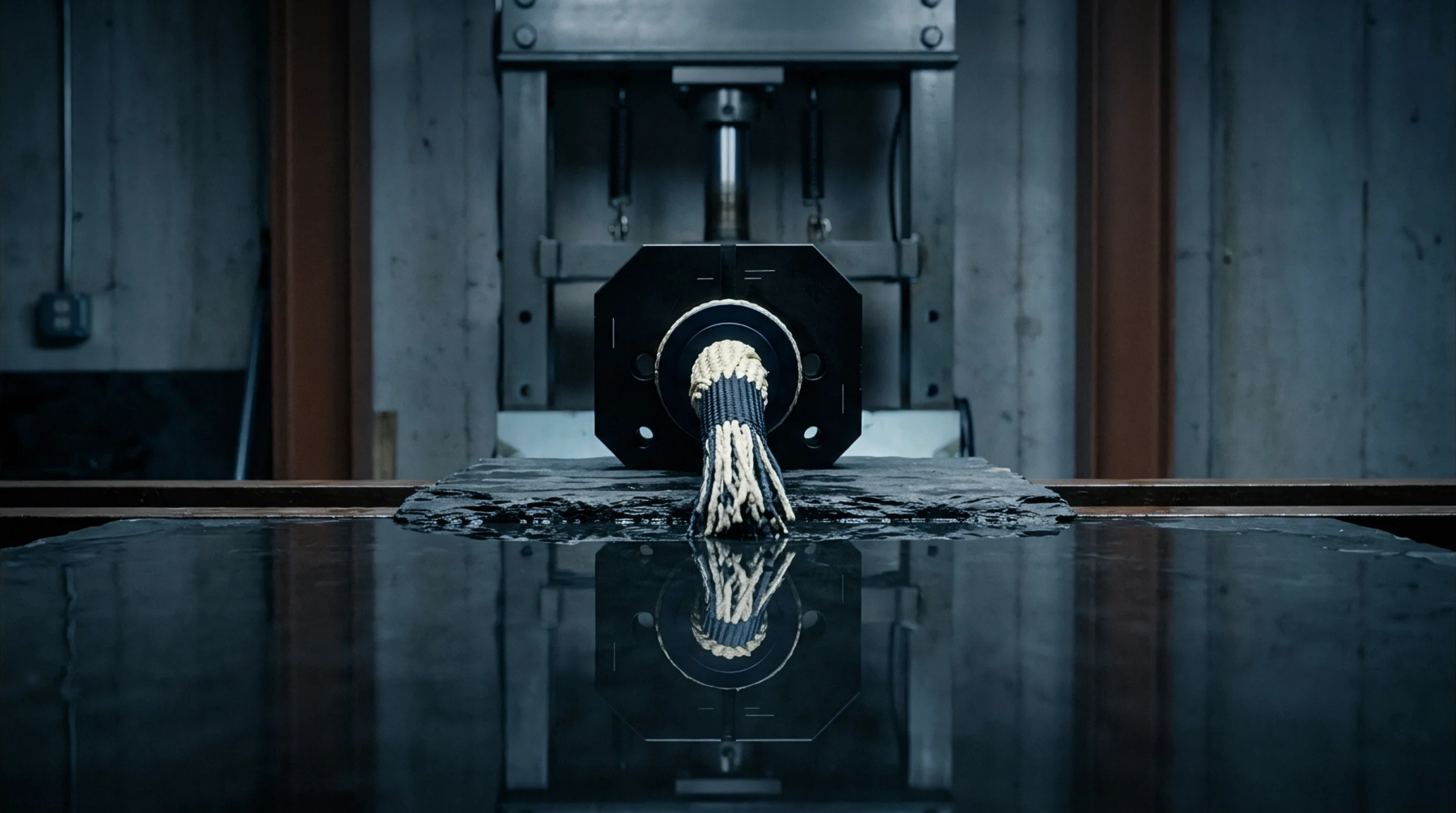
Industrial cross-linking locks flax yarn mobility, driving tear strength losses up to forty percent while restricting structural shear resistance.

Dynamic friction in fine wet spun linen warps limits loom speed, demanding tailored size films, optimized shedding angles, and ambient humidity control.

Dynamic interference time in dense fine linen weaving escalates exponentially above six-loom allocation sets, demanding dynamic workload modeling to protect loom hour margins.

Engineering accurate linen fabric specifications requires coupling loom crimp take-up equations with wet process shrinkage factors to fix finished GSM and width.
Expertise is a utility, not a secret. sentiention™ publishes its working knowledge as open reference: intelligence layer covering the materials it sources, the markets it enters, and the reference that serves both.