
Calibrating Hackling Machine Tool Beds for High-Yield Line Fibre Production
Calibrating hackling tool beds within sub-0.05mm tolerances maximizes long-staple line fibre yield, preventing costly stem rupture and securing high-count yarn spinnability.
Calibrating hackling tool beds within sub-0.05mm tolerances maximizes long-staple line fibre yield, preventing costly stem rupture and securing high-count yarn spinnability.

Scutched flax length arrays dictate hackling yield and draft limits, where span length and dispersion metrics set the achievable wet-spun yarn count limit.

Dual-axis telecentric imaging and pectin density filtering eliminate cross-sectional ellipticity bias to yield true linear density in high-speed bast testing.

Optimal wet flax doubling balances three draw passages to keep sliver mass variation below three percent CV for fine yarns.

Scutched flax splitting efficiency directly dictates wet-spinning count limits by controlling the distribution of technical bundle diameters prior to roving draft.

Commercial mass adjustments correct landed weight for moisture regain while hackling yield allowances offset long line waste in yarn cost calculations.

Maintaining residual pectin between 0.8% and 1.4% prevents roving draft collapse while enabling fibre attenuation in wet-spinning ultra-fine linen yarns.
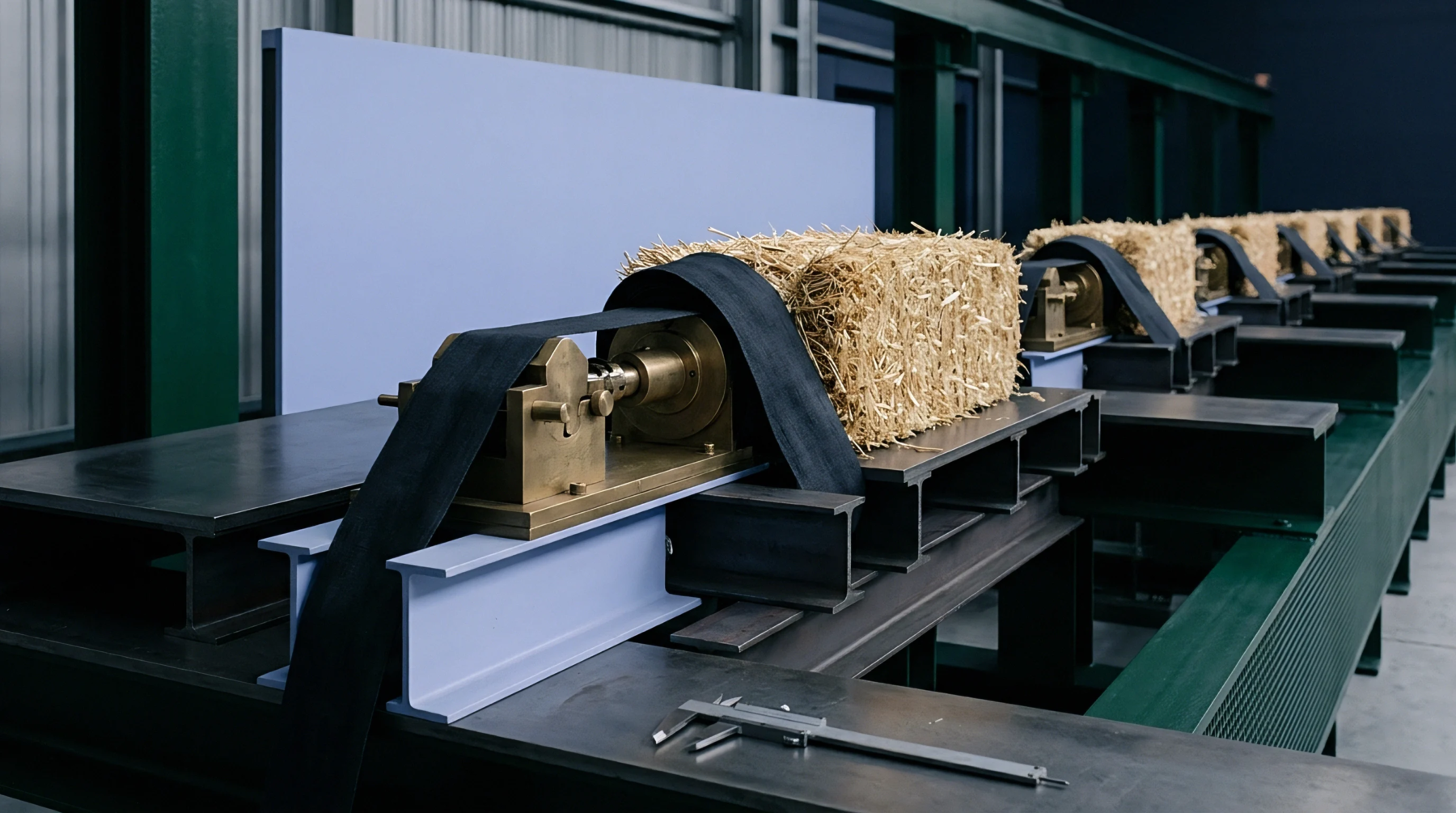
Optimizing hackling pin density and wet-spinning trough temperature stabilizes draft forces, reducing bast yarn end breakage below fifteen breaks per thousand spindle hours.

Moisture regain directly alters yarn linear density, requiring strict shed humidity control and ISO 2060 dry mass corrections to stabilize rapier weaving mechanics and landed cloth costs.

X-ray scattering and polarized Raman spectroscopy determine flax microfibril angles to project spinning performance and yarn tenacity.

Low S/G monomer ratios in flax middle lamella increase lignin cross-linking, elevating wet drafting force variability and driving yarn count instability.
Expertise is a utility, not a secret. sentiention™ publishes its working knowledge as open reference: intelligence layer covering the materials it sources, the markets it enters, and the reference that serves both.