Processing Lubricant
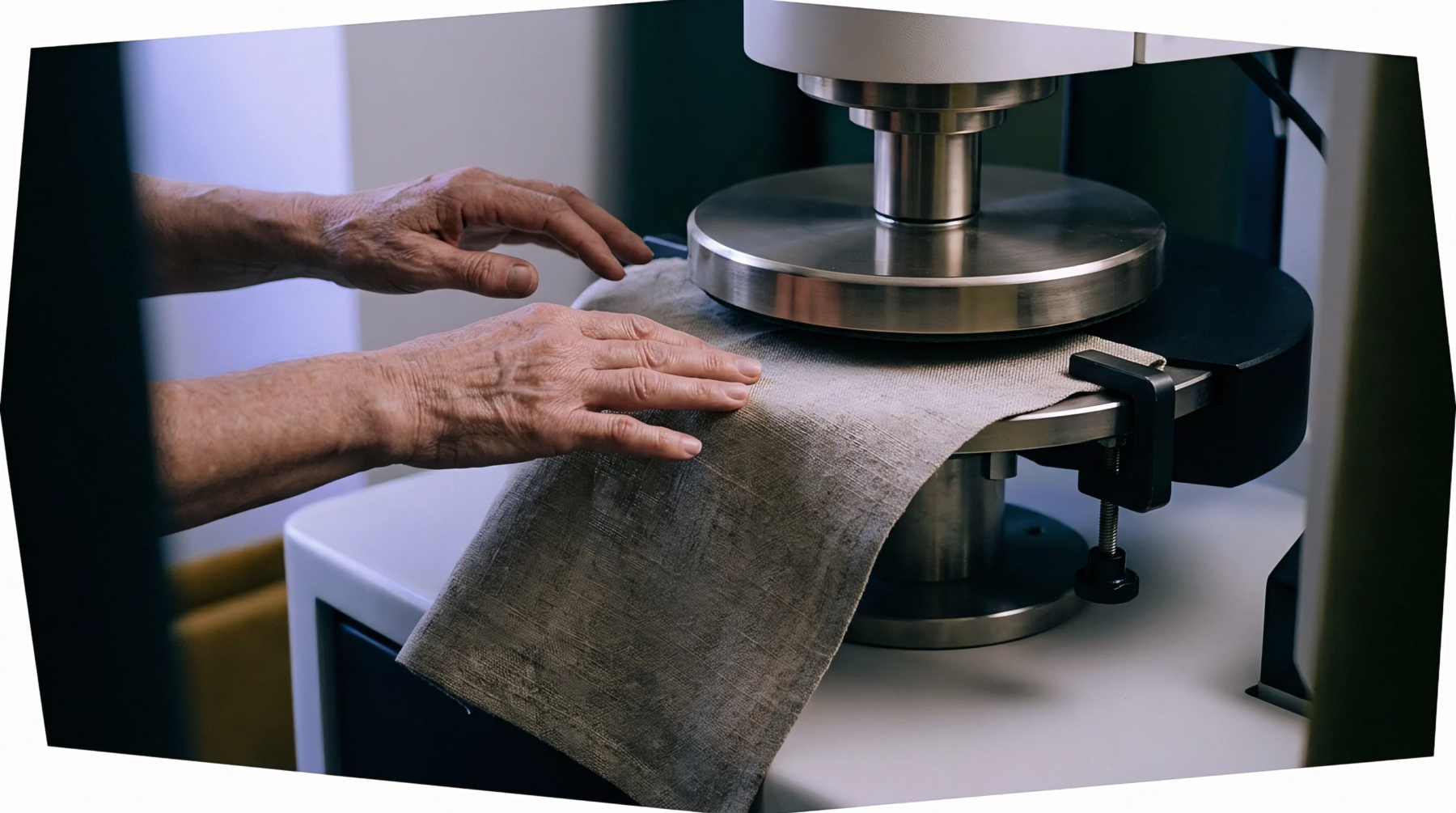
Industrial processing agents facilitate the mechanical combing of coarse bast fibres during the initial preparation stages. Refined hydrocarbon mixtures or emulsified plant lipids known as batching oil are applied to raw flax before carding to reduce fibre friction and prevent breakage. This additive softens the tough lignified bundles, ensuring that the processing machinery can extract long, uniform strands without generating excessive dust.
Application Stage
Treatment of the raw flax occurs during the retting and scutching phases before the dry spinning process begins. Mill operators record the dosage of batching oil on the daily batching log to ensure consistent moisture and lubrication levels. While a mill’s internal recipe might specify a high oil percentage for coarse yarn, the buyer’s acceptance criteria often restrict residue levels to prevent issues during subsequent bleaching and dyeing.
Performance Limit
Excess grease on the spun yarn can interfere with the absorption of reactive dyes and cause uneven coloration in the finished linen fabric. Spun yarns must undergo scour testing to verify that the extraction yield of remaining hydrocarbons is below one percent of the dry weight of the yarn. High concentrations of remaining oils can also degrade rubber spinning rollers or lead to the generation of unpleasant odours during long transit times in export containers.
The residual concentration of the lubricant must therefore be controlled to protect both the manufacturing equipment and the final product quality.