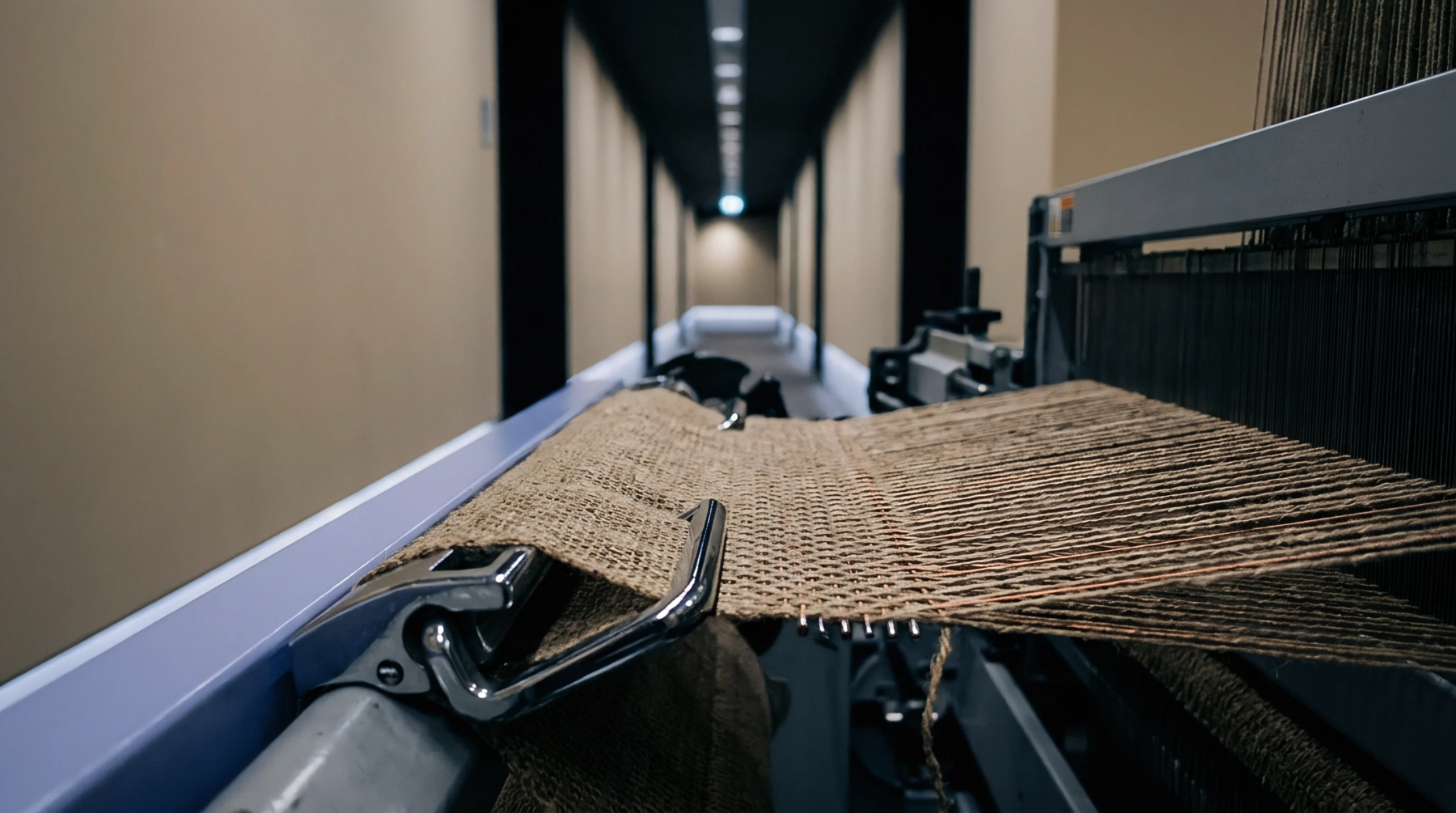
Production Interruption
Automatic sensors trigger an immediate shutdown of the mechanical motion upon the detection of a broken or excessively slack yarn. Loom stops register the precise coordinates of these failures within the harness cycle. This mechanism prevents the defect from propagating through the length of the cloth.
Data generated by these sensors populate the digital production log kept by the mill management.
Correction Protocol
Technical staff address the identified fault by re-tying the yarn ends within the prescribed tension tolerances. They rely upon the specific location provided by the control interface to minimize downtime during the repair phase. Verification of the yarn continuity occurs before the machine resumes operation at full speed.
Corrective actions remain subject to the quality standards documented in the supply contract.
Acceptance Threshold
Performance metrics derived from these events determine the grade assigned to the finished linen roll at the conclusion of the weaving stage. Auditors verify the count of these occurrences against the batch records to ensure the frequency of defects stays below the negotiated limit for premium exports. Excessive interruptions during a single shift signify issues with the yarn preparation or the sizing process that necessitate a thorough review of the line settings.
High rates of these events directly influence the classification of the fabric from first quality to secondary commercial grades.