Standard Regain Corrections in Long Line Flax Procurement
Standard regain corrections adjust long line flax invoice mass by converting gross scale weight to oven-dry fiber mass plus twelve percent commercial regain.


Shed
Scutched long line flax stored in unheated warehouses gains or loses mass as atmospheric humidity changes. Because flax stems are hygroscopic, raw bundles absorb moisture directly from ambient air, causing physical weight to shift across seasonal storage periods. Moisture equilibrium in the fiber typically ranges from eight percent in dry continental winter conditions to sixteen percent in damp maritime warehouses.
Bales stored near coastal dispatch terminals take up water vapor until internal bundle pressure balances ambient relative humidity.
Fluctuations in moisture content directly alter overall bale weight.

Atmospheric Absorption and Fiber Equilibrium
Long line flax bundles absorb water vapor until internal cell pressure matches ambient relative humidity. Atmospheric moisture binds directly to cellulose hydroxyl groups in the secondary cell wall, expanding stem diameter and increasing gross bale density. Facilities kept at sixty-five percent relative humidity and twenty degrees Celsius maintain fiber mass near the international standard baseline.
Above eighty percent relative humidity, rapid absorption increases recorded mass without adding actual fiber substance.
Scutched long line flax stored in ambient maritime air absorbs water until its internal fiber pressure balances atmospheric vapor pressure.
Relative humidity inside warehouses shifts continuously between day and night. In unheated storage areas, ambient temperature fluctuations move moisture between outer bale layers and the dense internal core. High humidity during autumn dispatch causes significant surface absorption, which inflates gross weighbridge numbers and delays moisture equilibrium throughout the bale.

Standard Allowance Baselines across Raw Fiber Grades
International trade bodies establish official moisture regain levels to standardize billable mass across global markets. Under ISO 6741-1 guidelines and Confederation Europeenne du Lin et du Chanvre standards, the commercial regain for scutched long line flax is set at twelve point zero percent. Gross scale readings taken at warehouse delivery must be adjusted against this benchmark, as commercial buyers pay for dry fiber mass plus the recognized twelve percent allowance, discounting any excess water detected during incoming quality checks.
| Ambient Relative Humidity (%) | Equilibrium Moisture Regain (%) | Physical Condition of Hackled Bundle | Commercial Regain Variance vs 12.0% Baseline (%) |
|---|---|---|---|
| 50.0 | 9.2 | Crisp stem, elevated friction, elevated hackling dust | -2.8 |
| 65.0 | 12.0 | Standard ISO 139 atmosphere, optimal flexibility | 0.0 |
| 75.0 | 14.1 | Pliable, swollen pectin layer, increased bundle weight | +2.1 |
| 85.0 | 16.8 | Damp surface feel, risk of internal bale heating | +4.8 |
| 95.0 | 20.5 | Saturated stem, severe mold exposure risk | +8.5 |
Ambient dampness from autumn harvesting does not naturally dissipate during container transit without altering total billable fiber weight.


Computation
Purchasing raw flax strictly on weighbridge tickets exposes buyers to billing errors caused by ambient water weight. Commercial weight is calculated as the oven-dry weight of the fiber plus the standard twelve percent regain allowance. Because scale readings at port discharge record raw physical mass ~ which fluctuates with weather during transit ~ standard regain adjustments recalculate invoice mass by separating bone-dry cellulose from absorbed water.

Calculated Mass versus Scale Mass
Gross weighbridge readings capture total physical fiber mass, bound water, and packaging materials. To determine true commercial mass, lab technicians extract test samples, measure absolute oven-dry weight, and apply the standardized twelve percent regain coefficient ~ multiplying dry fiber mass by one point one two. When moisture levels exceed twelve percent, scale weights overstate billable fiber, resulting in inflated invoices unless corrected.
Unadjusted scale figures fail to represent actual billable mass.
At an actual moisture content of fourteen percent, a twenty-metric-tonne shipment carries four hundred kilograms of excess water above the official twelve percent regain limit.
Accurate mass calculations determine final invoice settlement values.
| Gross Scale Weight (kg) | Measured Moisture Regain (%) | Calculated Oven-Dry Weight (kg) | Corrected Commercial Mass at 12% Regain (kg) | Financial Variance at €4.80/kg (€) |
|---|---|---|---|---|
| 20,000 | 10.0 | 18,181.8 | 20,363.6 | +1,745.28 |
| 20,000 | 12.0 | 17,857.1 | 20,000.0 | 0.00 |
| 20,000 | 14.0 | 17,543.9 | 19,649.1 | -1,684.32 |
| 20,000 | 16.0 | 17,241.4 | 19,310.3 | -3,310.56 |
Commercial terms require buyers to pay strictly for dry fiber weight plus the allowed regain.
Failure Modes in Moisture Correction Formulas
Errors in weight reconciliation usually happen when moisture content percentages are confused with moisture regain values. Moisture content expresses water weight as a percentage of total wet mass, while moisture regain measures water relative to bone-dry mass. Substituting moisture content directly into regain formulas systematically undervalues total dry fiber tonnage.
- Confusing Content with Regain – Dividing gross weight by total moisture percentage instead of using the standard oven-dry regain formula inflates corrected tonnage.
- Ignoring Packaging Tare – Failing to deduct steel strapping and polyethylene wrap prior to gravimetric calculations adds non-fibrous weight to the moisture conversion base.
- Uncalibrated Scale Drift – Accepting port weighbridge receipts without valid ISO 17025 calibration documentation allows systematic weigh scale offsets to alter gross fiber baseline figures.
- Single-Bale Extrapolation – Applying a moisture reading from a single exterior bale across an entire forty-tonne container lot creates significant accounting errors across variable shipments.
Failing to convert scale weight into commercial regain mass forces spinning mills to pay raw fiber rates for absorbed water.

Assay
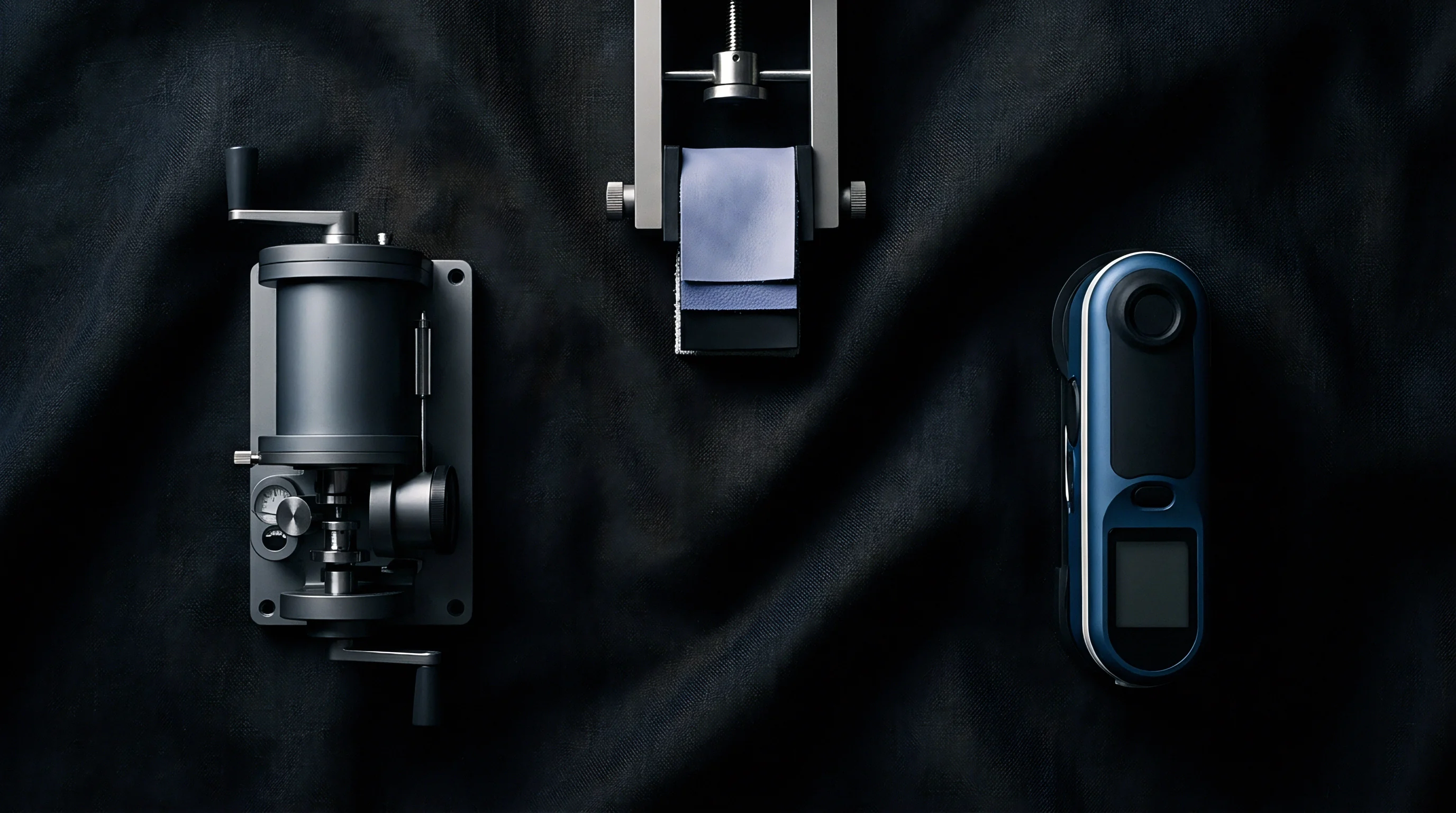
Accurate mass adjustments rely on strict laboratory sampling and gravimetric testing. Random surface checks with hand-held pin meters yield inconsistent readings that fail commercial audits. Settlement under standard contract terms requires core samples extracted from compressed bales and dried in certified testing laboratories.
How Does Core Sampling Depth Alter Moisture Results?
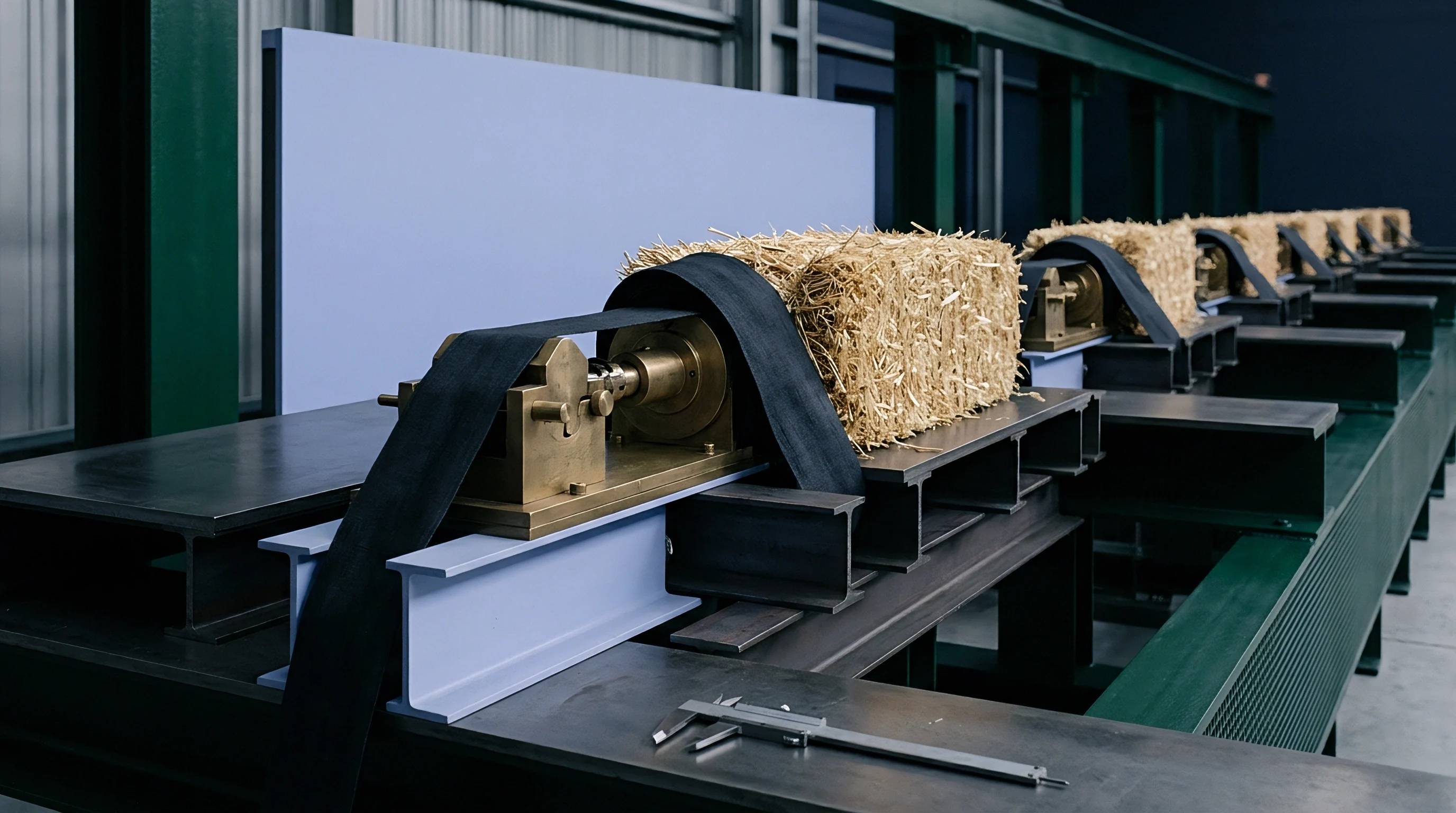
Surface readings taken near bale straps reflect ambient humidity rather than internal bundle conditions. Moisture distribution inside dense flax bales forms concentric gradients, with the core retaining humidity levels from original pressing. Sampling at depths beyond thirty centimeters reaches unexposed fiber, providing a representative regain baseline for the entire bale.
Laboratory analysis provides the objective basis for settlement.
ISO 6741-1 specifies forced-air drying at one hundred five degrees Celsius until consecutive mass readings taken fifteen minutes apart differ by less than zero point zero five percent.
Excessive thermal exposure damages natural fiber structure.
Surface sampling fails to reflect internal moisture distribution.

Standardized Gravimetric Oven-Drying Sequence
Testing laboratories maintain strict thermal profiles to isolate cellulose mass without burning natural pectin layers. Specimens undergo controlled drying in ventilated ovens until uncombined water evaporates completely. Standard protocols govern sample extraction, weighing precision, and drying duration to ensure consistent test results across international shipments.
- Extract representative fiber samples from five distinct bale depths using a hollow mechanical drill to prevent surface air contamination.
- Seal extracted bundle cores immediately inside airtight glass containers before transporting specimens to the testing facility.
- Weigh the wet sample on a calibrated analytical balance to establish initial gross mass within zero point zero zero one gram precision.
- Place uncovered specimens into a forced-air drying chamber held at one hundred five degrees Celsius until constant weight is reached.
- Transfer dried fiber to a desiccator containing active silica gel for twenty minutes to cool without absorbing room moisture.
- Record final oven-dry mass and calculate percentage regain against standard dry cellulose baselines.
Whether core sampling needles create localized friction heat that evaporates moisture before weighing remains a point of debate among testing laboratories.


Deduction
Flax merchant invoices require weight adjustments whenever verified regain figures deviate from the agreed twelve percent baseline. Inspections at destination mills often show mass discrepancies caused by humidity changes during transit. Applying systematic weight deductions prevents mills from paying contract rates for water gained during ocean transport.

Ocean Transit Ambient Shifts and Port Entry Deviations
Maritime shipping exposes containerized cargo to humidity changes that alter bale mass en route. Containers passing through humid shipping lanes absorb moisture through air vents and flooring, increasing surface weight, whereas desert rail transit dries cargo out. Consequently, weight certificates issued at export loading terminals seldom match scale readings at destination ports.
Elevated humidity at destination ports increases overall shipment mass.
Contractual weight adjustments apply only when physical lab measurements confirm the moisture divergence occurs across the entire depth of the bale store rather than on the outer wrapper.
Financial weight claims require verification by certified laboratory analysis.
Adjusting for excess water reduces billable mass to its dry fiber equivalent.

Invoice Adjustment Checklist
Accounting teams reconcile weighbridge certificates against independent lab moisture reports before approving payment. Adjustments depend on matching scale receipts, lab dry-mass reports, and customs declarations. Variances between billed weight and corrected commercial mass trigger credit notes or deductions prior to settlement.
| Regain Deviation Range (%) | Commercial Settlement Action | Weight Adjustment Formula Applied | Administrative Dispute Allowance (%) |
|---|---|---|---|
| 11.5 to 12.5 | Invoice accepted as billed | None, within tolerance threshold | 0.0 |
| 12.6 to 14.0 | Direct weight credit applied | Exact commercial mass correction formula | 0.5 |
| 14.1 to 16.0 | Mandatory joint re-testing | Lab core assay re-calculation | 1.0 |
| Greater than 16.0 | Shipment rejection option | Full lot credit note or return at seller cost | 2.0 |
- Weighbridge Weight Certificate – Stamped port or warehouse scale ticket confirming gross landed shipment weight within twenty-four hours of container discharge.
- Core Sampling Moisture Report – Accredited laboratory test certificate detailing oven-dry testing outcomes and calculated average regain across the lot.
- European Flax Chain Certificate – Official scope documentation verifying fiber provenance and harvest batch numbers linked to invoice line items.
- Container Packing List – Detailed manifest noting individual bale serial numbers, gross weights, and recorded warehouse humidity at loading time.
When bale core readings conflict with invoice moisture claims, certified lab core measurements override weighbridge certificates.

Remedy
Contract terms for long line flax define explicit recourse channels when moisture tests reveal weight shortfalls. European trade standards include specific arbitration rules to resolve regain claims without disrupting mill operations, ensuring clear financial liability when moisture exceeds agreed contract limits.

Contractual Penalty Mechanisms and Settlement Thresholds
Standard international purchasing agreements set clear procedures for resolving moisture disputes between buyers and sellers. Contracts typically establish a neutral band, often between eleven point five and twelve point five percent regain, where no invoice adjustments occur. Deviations beyond this range trigger mandatory mass recalculations back to the twelve point zero percent baseline, with laboratory assay fees charged to the seller if measured regain exceeds contract limits by more than one percentage point.
Minor percentage variances in regain translate to substantial monetary sums across bulk shipments.
Complete documentation and aligned certificates minimize commercial disagreements.
Agreed contract clauses dictate financial responsibility for weight adjustments.

Arbitration Pathways under European Trade Frameworks
When informal negotiations fail, regional trade associations provide arbitration panels specialized in natural fiber disputes. Framework agreements under the Confederation Europeenne du Lin et du Chanvre specify standard proceedings in Paris or Antwerp, where independent panels review weighbridge logs, lab test records, and container sealing certificates to issue binding awards. Explicit contract clauses specifying test protocols and regain baselines prevent extended legal disputes over weight shortfalls.
Incorporating the CNEA standard moisture clause into a purchase agreement automatically binds both parties to international gravimetric oven-drying arbitration.