Fabric Grade
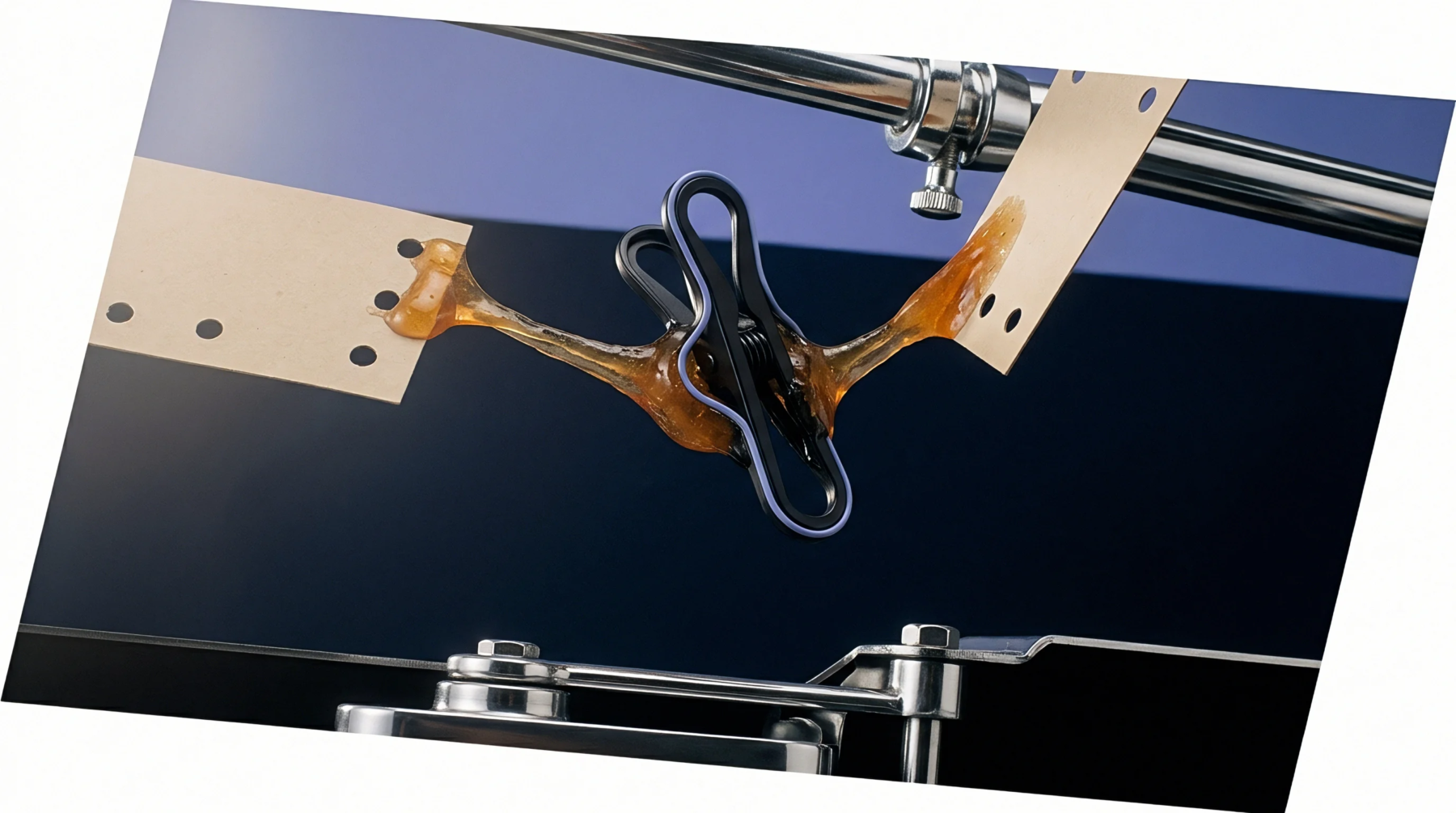
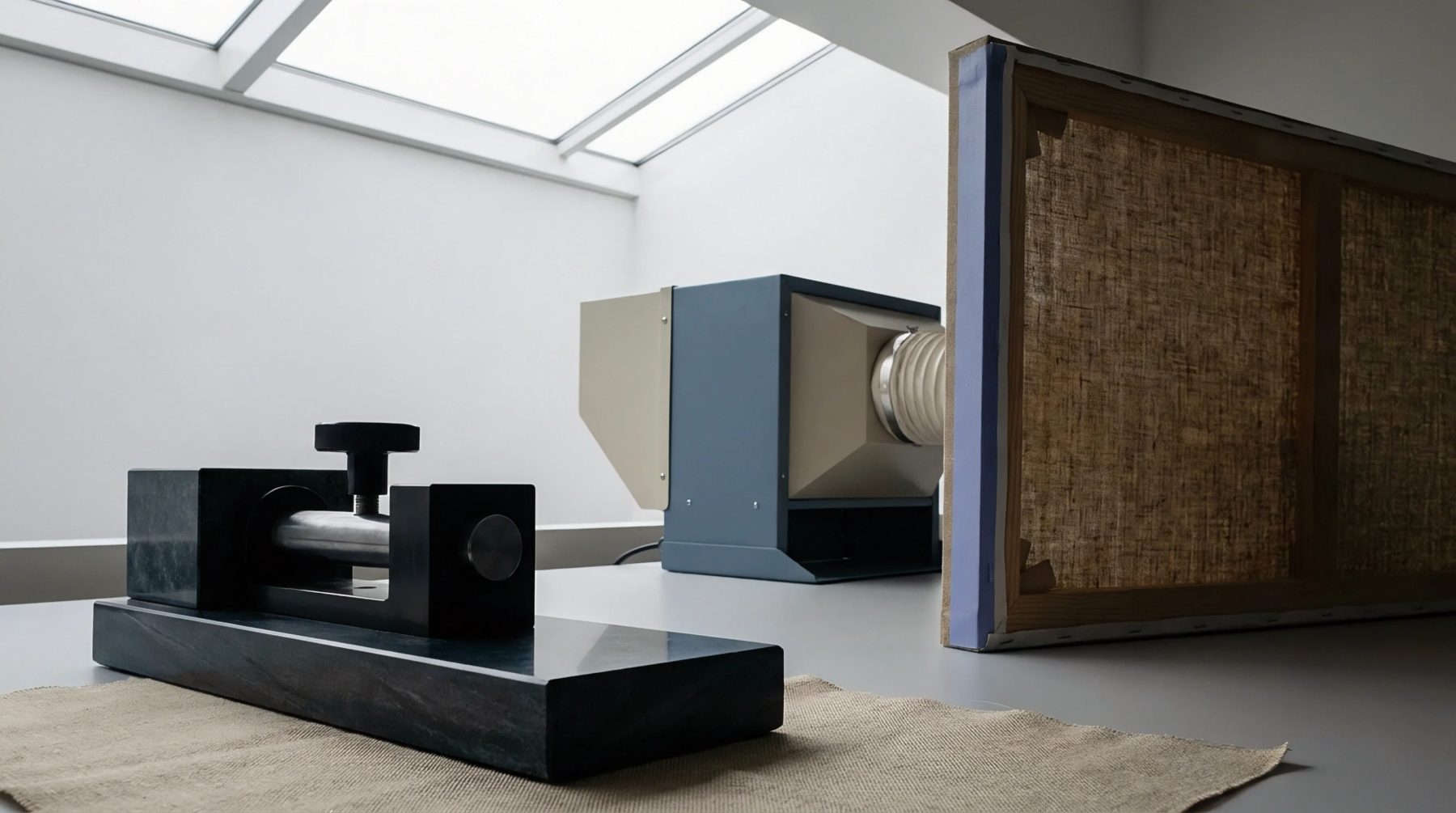
Flax linen testing relies upon specific tensile strength metrics to ensure structural integrity during industrial finishing processes. The kes-fb2 acts as a digital dynamometer for measuring the shear stiffness and surface friction of woven textiles after the final bleaching stage. Quality control departments in Chinese weaving mills operate this apparatus to verify that the fabric meets the specific hand-feel requirements stipulated in the buyer technical specifications.
Each measurement generates a data point which determines whether the cloth remains within the tolerances required for apparel production or requires mechanical reprocessing to soften the finish.
Metric Range
Evaluation of these parameters dictates the commercial categorization of the final linen output before export. Operators place a swatch inside the testing frame where the sensors apply a precise lateral force across the surface of the weave. The resulting data points quantify the resistance against deformation in both the warp and weft directions.
Consistent performance in these tests confirms that the chemical finishing agents have penetrated the fibres uniformly throughout the entire length of the production batch.
Test Integrity
Maintenance of the mechanical calibration is a prerequisite for generating valid datasets within the mill environment. Technicians perform daily verification using a standard gauge block to ensure the load cells provide output values within the factory accepted margin of error. Minor fluctuations in the humidity of the testing room alter the moisture content of the linen and produce false readings regarding the flexibility of the material.
Reliable measurement depends entirely upon the isolation of the specimen from external thermal variation or physical contamination during the procedure.