Extraction Protocol
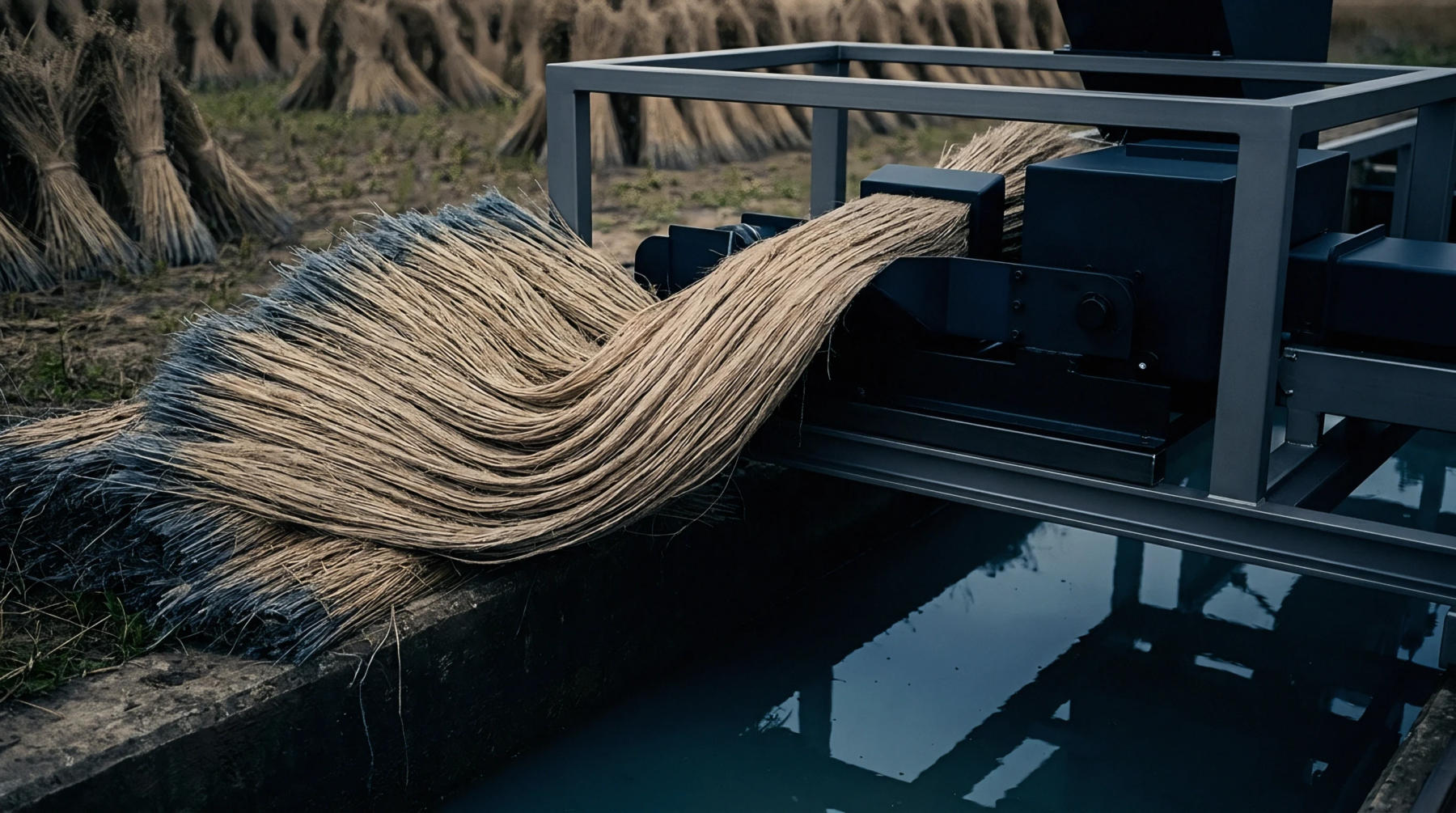
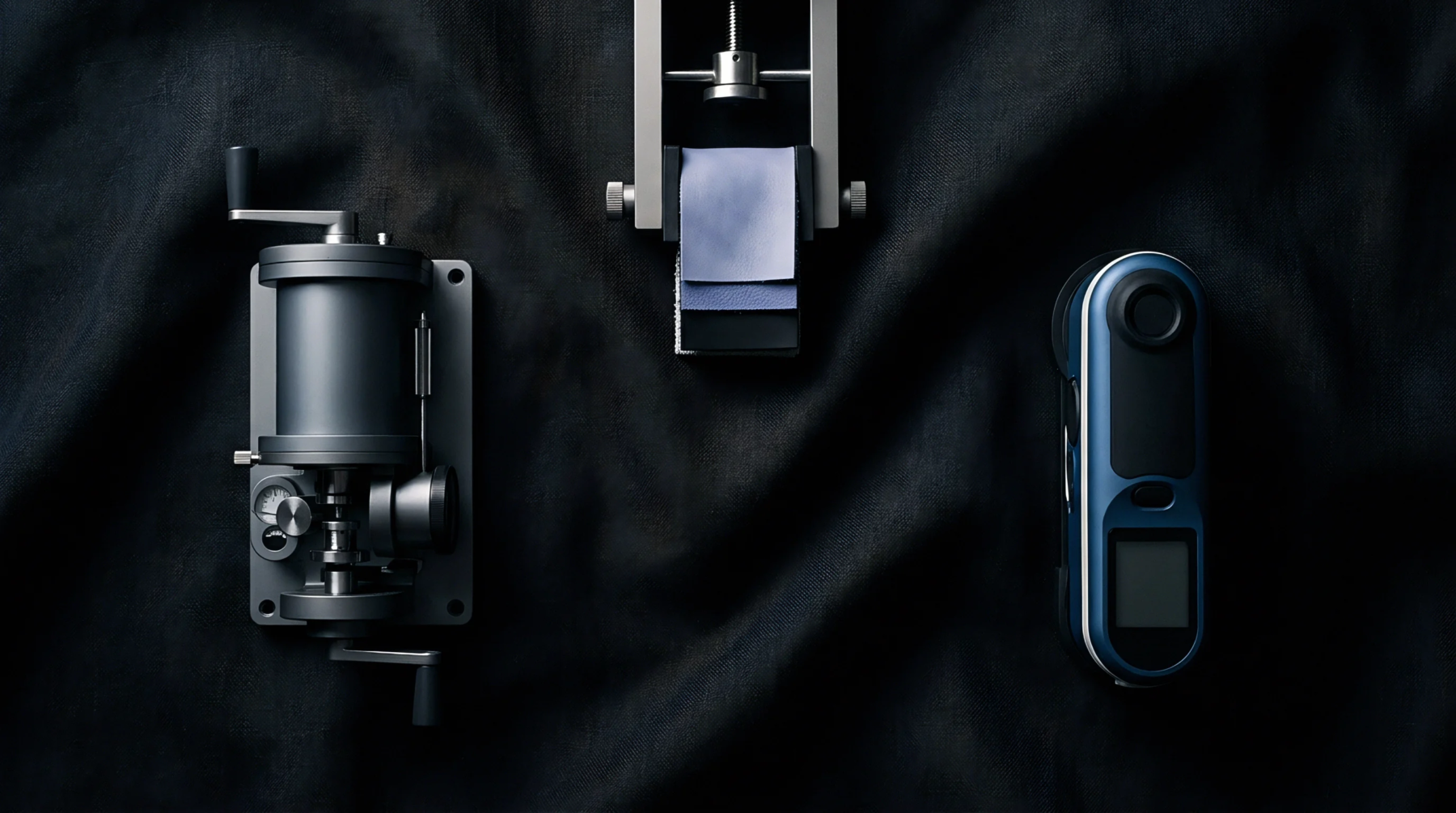
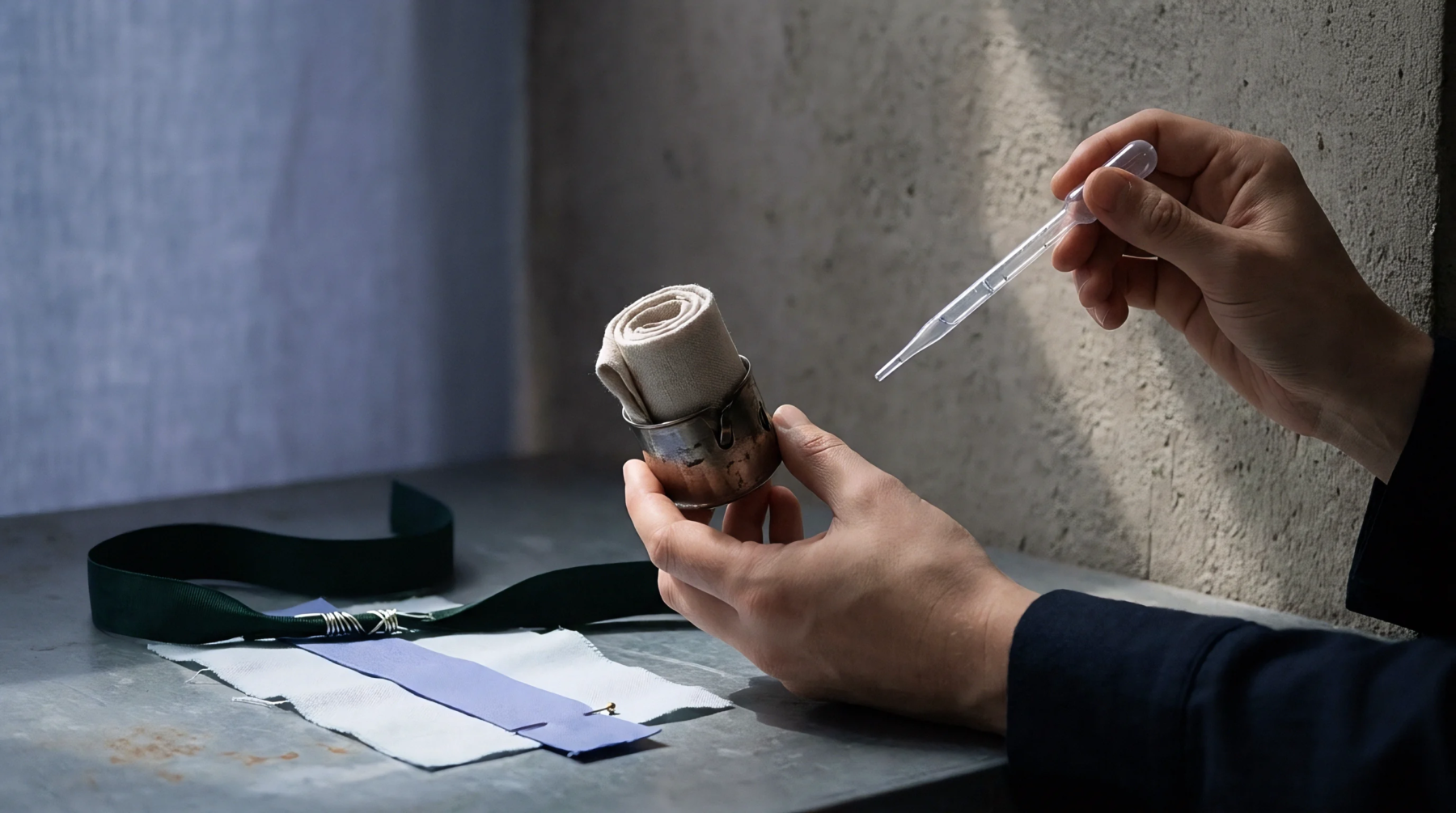
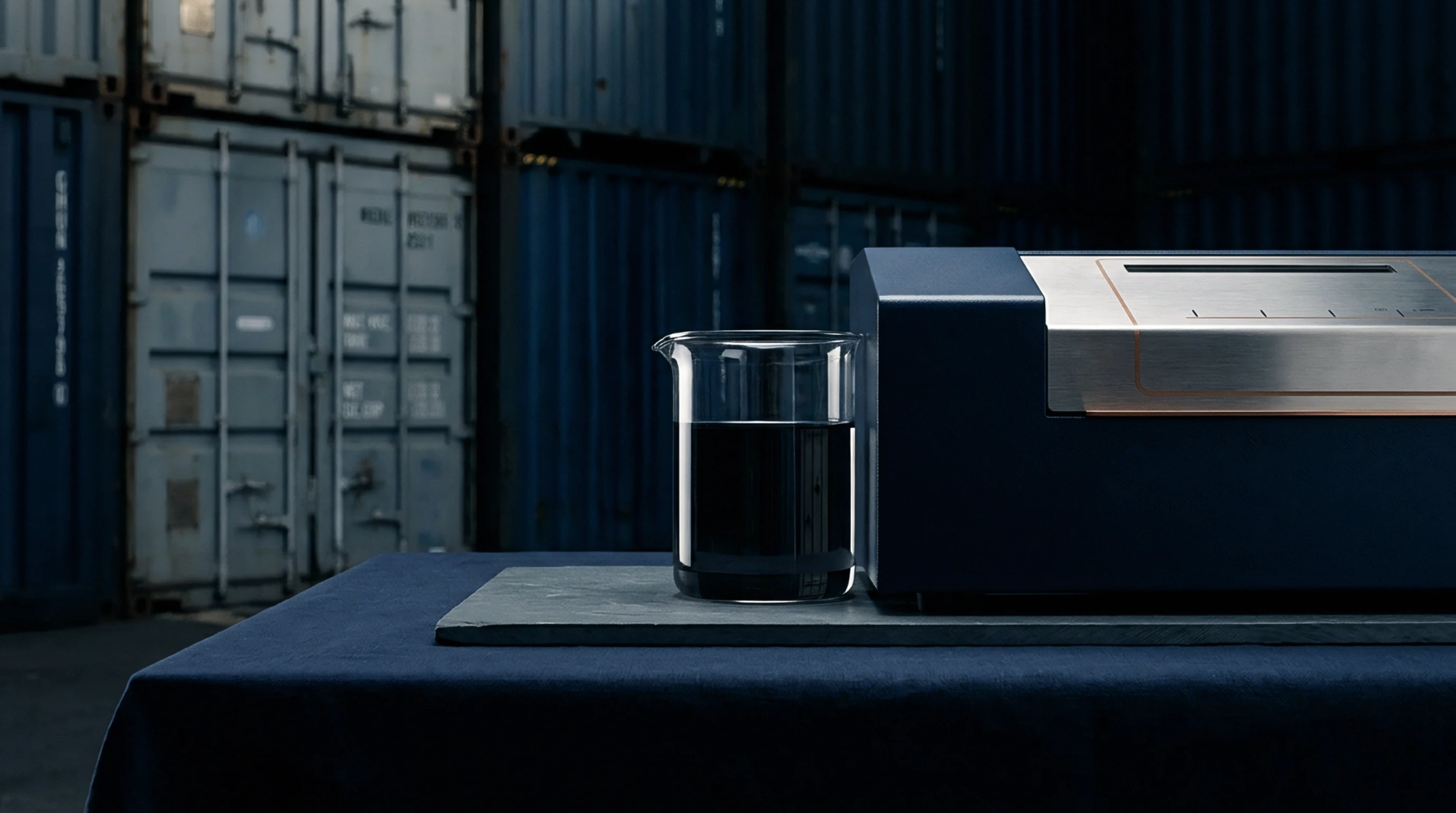
Continuous liquid reflux cycles dissolve fatty acids inside the glass chamber before the solvent returns to the heated boiling flask below. Plant maturity dictates the required duration because heavier cuticular deposits demand extended contact with organic petroleum spirit streams. Laboratory technicians record residual lipid percentages on internal mill certificates following each completion run.
Fiber Purification
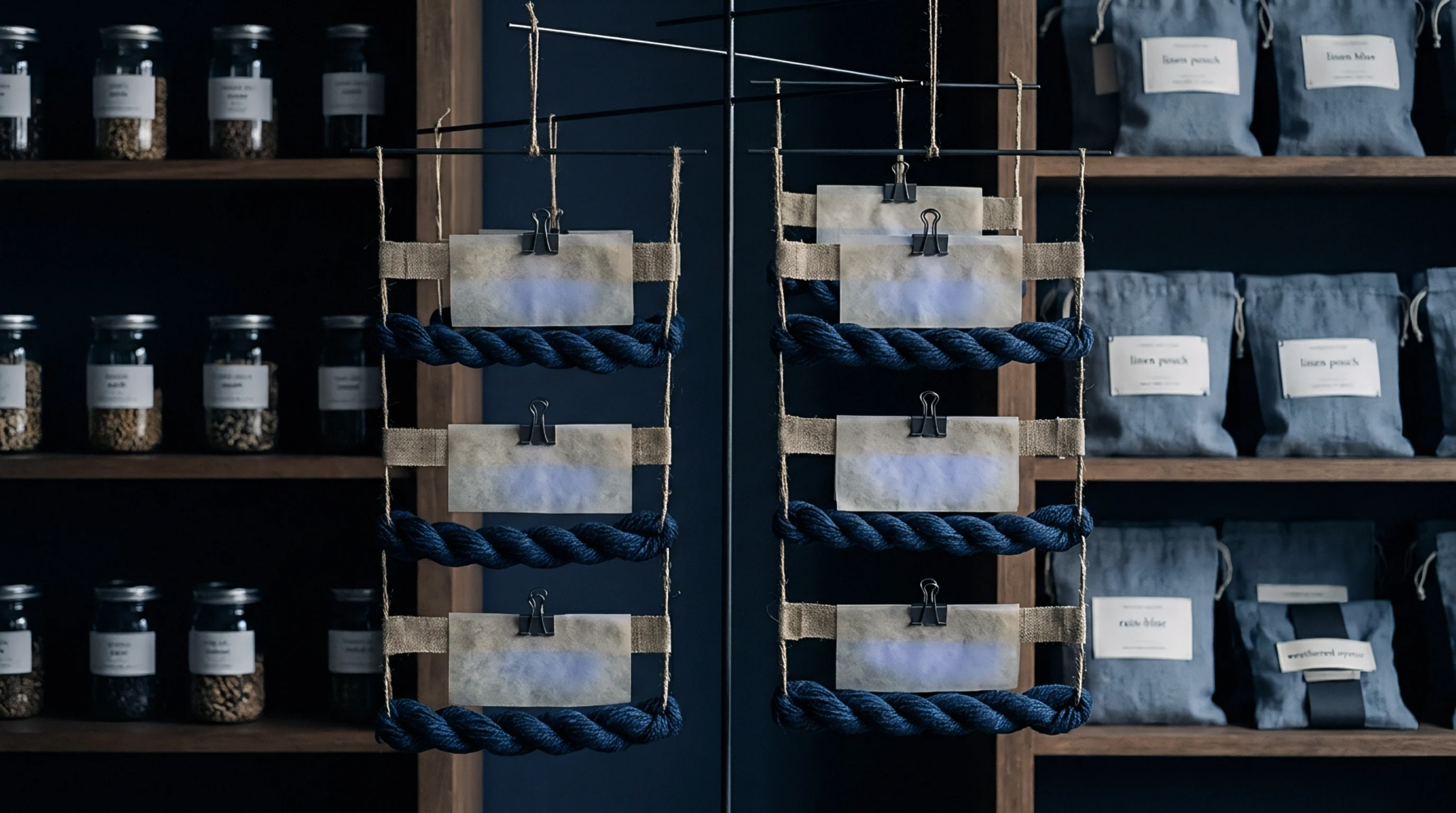
Removing hydrophobic compounds allows subsequent alkaline boiling baths to penetrate the botanical cell walls uniformly without forming uneven patches. Hydrophilic properties increase significantly after processing, which ensures that reactive dyes bond evenly during later wet finishing operations. Buyer acceptance criteria stipulate maximum allowable wax residues before raw material transfers to commercial spinning frames.
Processing Limit
Excessive thermal exposure degrades cellulose polymers within the flax strands, causing yarn tensile strength to drop below acceptable industrial thresholds. Operators monitor temperatures closely because overheated solvent degrades molecular chains during prolonged continuous cycling phases. Correct parameter calibration prevents premature fiber brittleness while achieving the required clean surface profile for high-grade linen output.