Moisture Benchmark
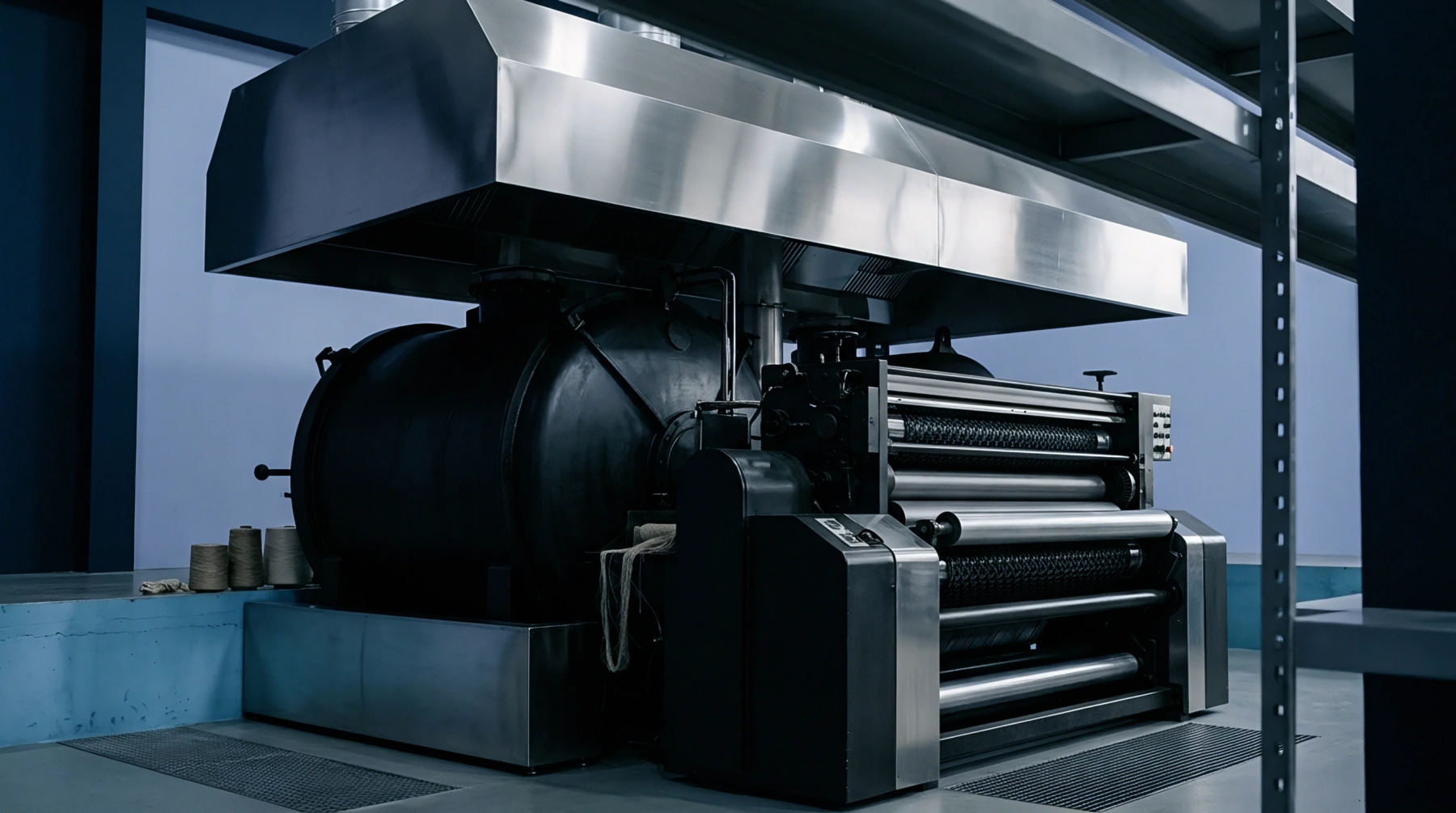
Absolute dry weight determination achieved by heating fibre samples until all moisture evaporates establishes the baseline for textile regain calculations. Laboratory standards mandate drying raw flax or yarn specimens to constant mass in forced-draft drying ovens. Executing oven dry mass testing provides the fundamental scientific value required to calculate moisture content and billable commercial weight.
Precision analytical balances record dried sample mass under controlled laboratory conditions.
Laboratory Method
Technicians extract representative fibre samples weighing approximately one hundred grams from randomized bale cores across the shipment lot. The sample is weighed immediately on a precision balance to record initial wet mass before transfer into a drying oven maintained at one hundred five degrees Celsius. Forced air circulation removes free water and bound surface moisture from cellulosic bundles during a three-hour drying cycle.
Performing oven dry mass testing requires re-weighing the sample at fifteen-minute intervals until two consecutive weighings show less than zero point one percent mass change. Specimens cool inside desiccator cabinets containing active silica gel to prevent atmospheric moisture absorption prior to final weighing. Analytical software calculates absolute dry mass and percentage moisture content from initial and final mass values.
Test results are recorded on certified laboratory certificates used for invoice reconciliation and quality reporting.
Commercial Application
Precise dry mass values form the basis for commercial regain adjustments applied to shipping weights on international trade contracts. Buying organizations accept price calculations derived from certified oven drying tests performed by accredited port testing laboratories. Accurate mass determination eliminates disputes over water weight in raw fibre transactions.
Quality managers rely on dry mass data to establish accurate dye liquid ratios during fabric finishing operations.