
Flax Fiber Mass Balance Audit Principles in Textile Spinning
Audit flax mass balance by verifying moisture-adjusted fiber intake, mechanical hackling yields, and temporal credit allocations against Transaction Certificates.
Audit flax mass balance by verifying moisture-adjusted fiber intake, mechanical hackling yields, and temporal credit allocations against Transaction Certificates.

Irrigated non European flax alters oxygen and hydrogen isotope baselines through evapotranspiration enrichment requiring hydraulic correction models for valid origin proof.

Commercial yield adjustments for hackled flax roving require combining dry mass loss gravimetry with standard moisture regain corrections on every lot.

Enforce raw flax yield guarantees and cross-border origin compliance by linking invoice payments directly to mass balance audits and valid transaction certificates.

Scutching yield audits reconcile dry matter straw against line fibre, tow, and shives using ISO 6741-1 regain to prevent origin fraud and yield inflation.

Stable isotope ratios in bast cellulose provide verifiable chemical proof of western European flax origin, defending customs declarations against substitution.

Reconciling mill mass balances against transaction documents requires deducting mechanical tow, moisture variations, and chemical loss from raw intake weights.

Non preferential origin for scutched flax depends on verifying where primary mechanical scutching transformed raw flax straw under specific tariff rule tests.

Non preferential origin shift during flax scutching and combing requires verified mass-balance records and machine logs proving physical transformation.

Carded greige yarn isotope models require Soxhlet pre-wash to eliminate batching oil shifts and physical card-room audits to constrain Bayesian blend priors.

High processing speeds generate microstructural kink bands that drop flax tenacity by thirty percent, requiring strict mechanical speed limits in supply contracts.

Reconciling trade entry fiber origin claims requires verifying batch-level scutching manifests, bale serial tags, and physical spinning mass balances against customs filings.

Mass balance accounting in offshore linen spinning succeeds only when spinners isolate comber noil and verify dry weight loss at each draw frame stage.

European Flax origin claims require batch-level transaction certificates matching mill mass-balance yields across line hackling and wet spinning stages.

Cross-border linen yarn audits fail when wet spinning process water shifts cellulosic oxygen baselines away from declared European scutching field data.

Verify non-European flax fiber mass balance by checking moisture-adjusted intake weights, physical scutcher yields, and unbroken inland transfer records.
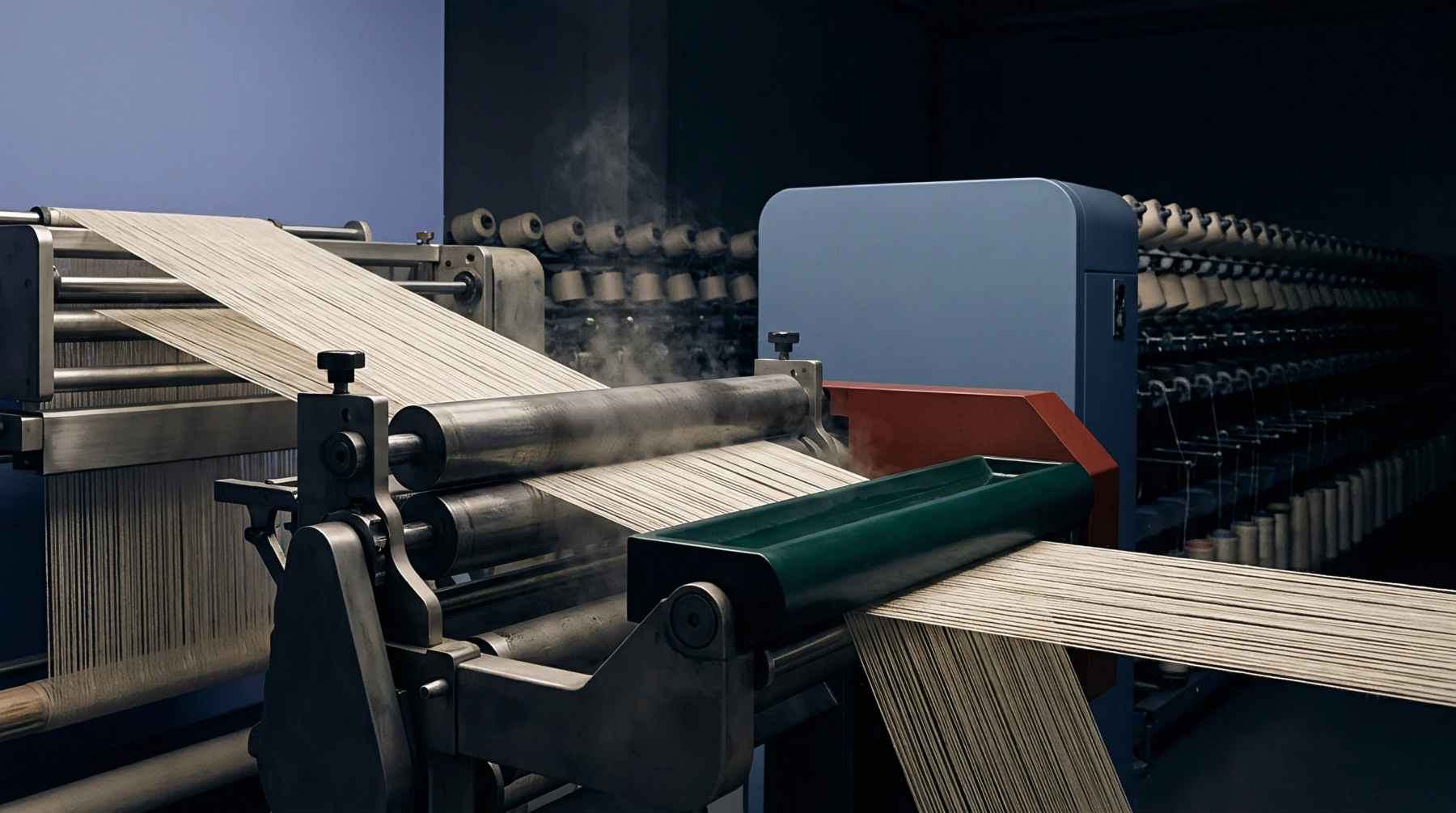
Origin thresholds in mixed linen yarns depend on dry mass accounting after standard moisture regain adjustments and verified scutcher transaction certificates.

Reconciling wet spun linen mass deficits demands matching oven dry rove weights against yarn output plus measured bath dissolution and extraction losses.

Mass balance allocation in mixed flax spinning requires empirical yield adjustments, quarterly ledger reconciliation, and strict legal origin compliance.

Reconciling wet spun linen yarn shrinkage in provenance dossiers requires ISO 2060 oven-dry mass testing and linear contraction adjustments across mill logs.

Importers must verify substantial transformation through primary mill mass-balance records and destination-specific tariff shift rules rather than chamber certificates.

Loom interlacing from flax yarn confers non-preferential origin under HS heading 5309, overriding fiber agricultural origin for customs entry duties.

Enzymatic softening selectively alters bast fibre isotope and NMR spectra, requiring chemical isolation of alpha-cellulose to verify true geographic origin.

Private fibre scope certificates confirm material lineage but do not satisfy legal customs standards for substantial transformation and tariff origin.

Reconciling hackling yield requires continuous mass balance records matching physical sliver, tow, and extraction waste to incoming scutched flax lot certificates.

Settle scutched flax invoices on oven-dry mass plus twelve percent legal regain to eliminate ocean transit desiccation deductions at receiving mills.
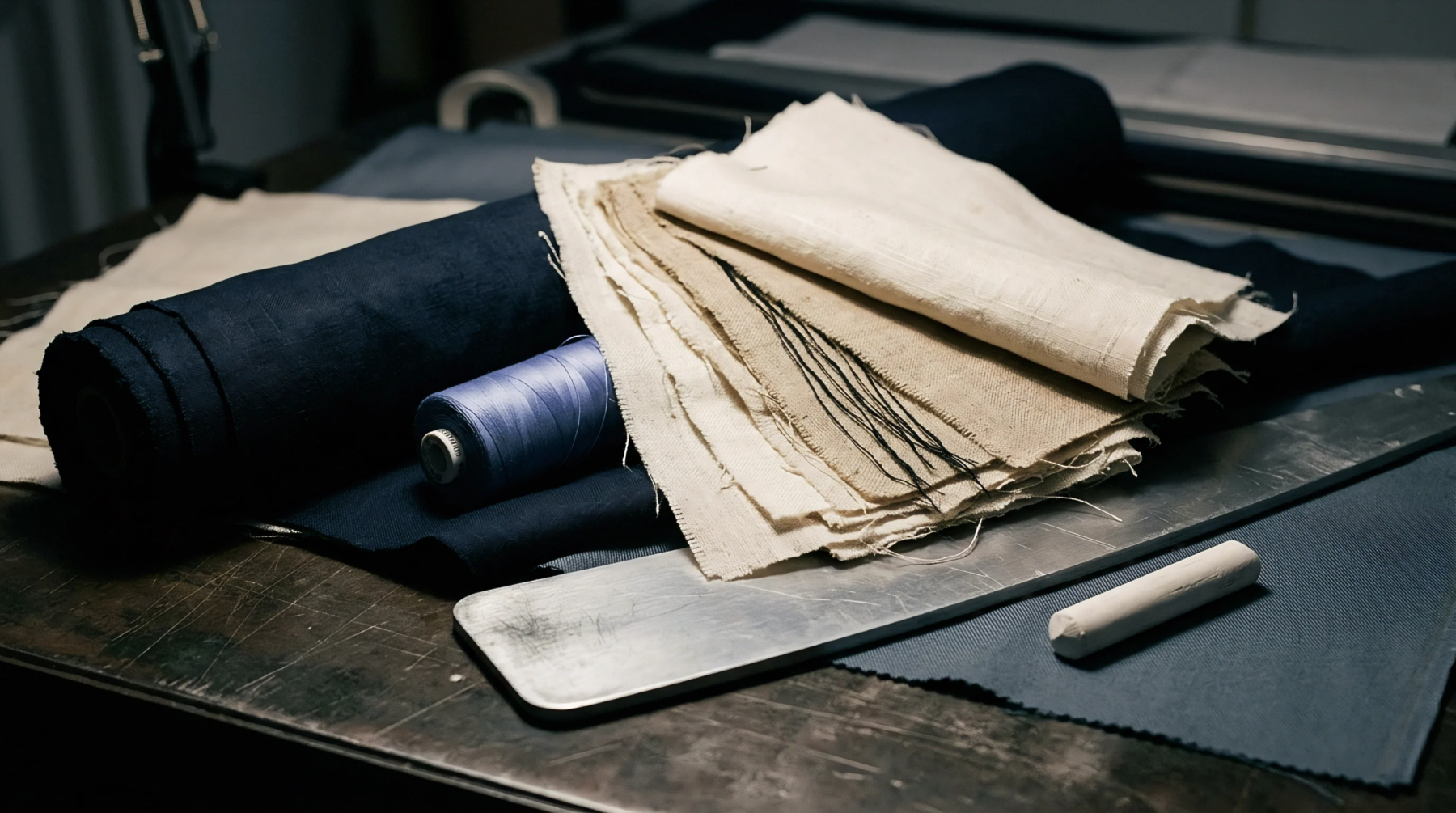
DNA extraction limits in bleached and dyed flax fall below detection thresholds, shifting provenance proof entirely to transaction documents.

Reconciling multi country yarn spinning ledgers requires adjusting raw weights to standard twelve percent moisture regain and retiring comber noil credits.

Non-preferential origin under 19 CFR 102.21 hinges on where yarn is spun or cloth is woven, rendering post-weaving finishing ineffective for shifting customs origin.
Reconciling linen provenance requires separating statutory origin by loom transformation from fibre biomass claims verified through audited mass balance ledgers.
Expertise is a utility, not a secret. sentiention™ publishes its working knowledge as open reference: intelligence layer covering the materials it sources, the markets it enters, and the reference that serves both.