Mill Production
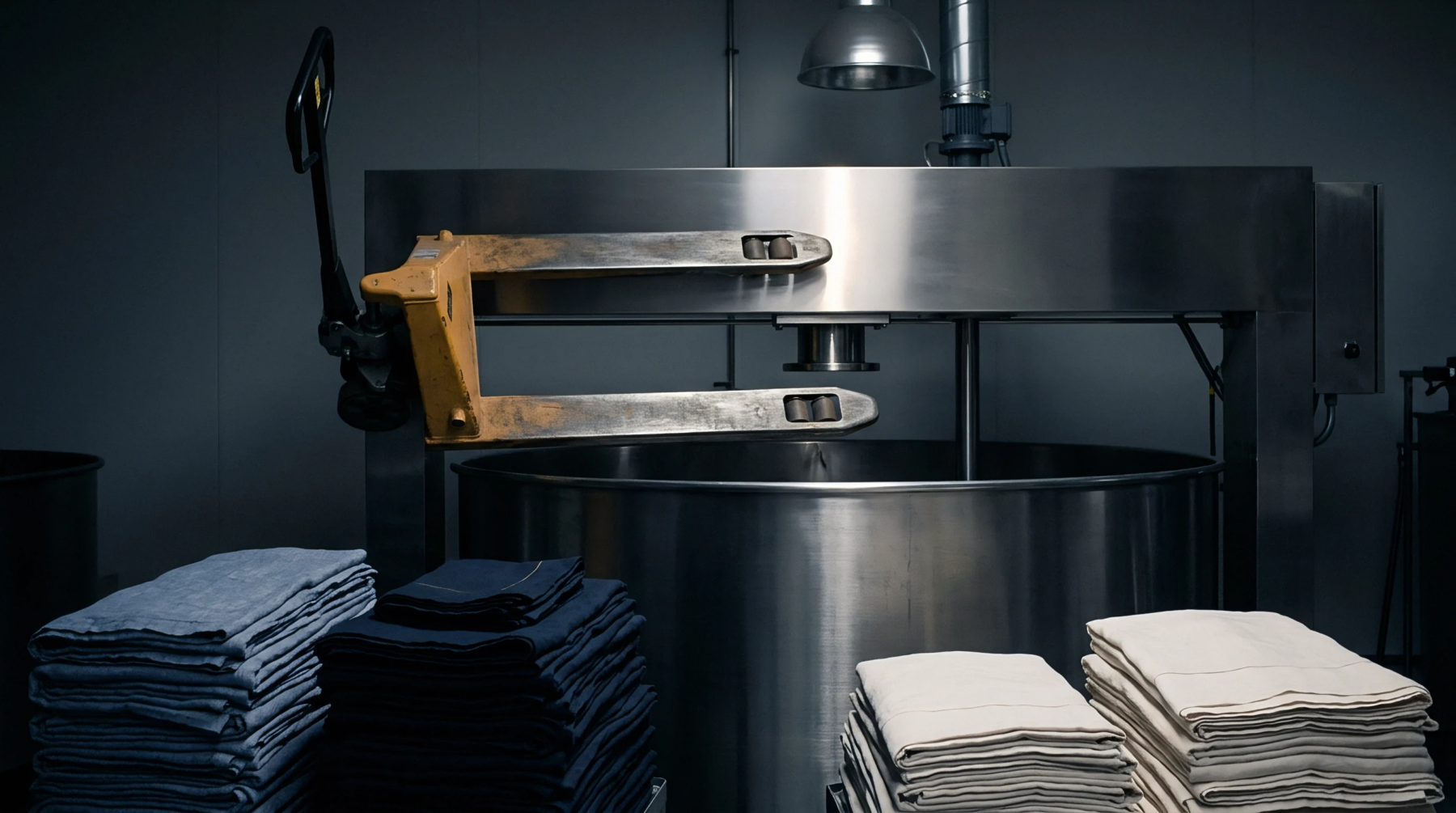
Processed line flax from northern Chinese growing regions undergoes high speed wet spinning before entering the loom state as woven flax fabric, establishing the structural foundation for subsequent textile treatments. Warp yarns receive starch sizing to withstand mechanical tension during shedding and picking operations on air jet looms. Weft insertion speeds and reed counts determine the baseline density of the greige goods prior to scouring.
Mill quality controllers record warp break frequencies and yarn linear mass variations in the production log to ensure compliance with export specifications. Laboratory technicians verify tensile strength parameters using grab test methods specified in the technical data sheet.
Export Specification
International buyers evaluate finished textile lots against agreed acceptance criteria that differ fundamentally from internal mill classifications. Fabric density tolerances allow minor deviations in mass per square meter, whereas fibre grading focuses exclusively on length distribution and extraneous matter content. Commercial invoices reference specific count systems and finishing treatments to separate grey goods from bleached or dyed merchandise.
Inspectors assess dimensional stability after washing cycles to predict shrinkage behaviour during garment manufacturing. Third party testing certificates document formaldehyde release levels and heavy metal residues before customs clearance permits international shipment.
Finishing Parameter
Alkaline boiling removes natural pectins and hemicellulose fractions to soften the handfeel before mechanical calendering imparts a smooth surface lustre. Controlled moisture management during tentering prevents distortion of the orthogonal grain structure established during loom assembly. Operators monitor pH levels in neutralization baths to prevent subsequent yellowing during prolonged ocean transit.
High pressure steaming relaxes internal residual stresses accumulated during previous winding operations. Final packaging protocols require polyethylene wrapping inside moisture resistant outer cartons to protect the textile from marine humidity fluctuations during delivery.