
Standard Sizing Film Viscoelastic Test Methods for Rapier Loom Warps
Forced-oscillation film testing establishes elastic storage and viscous damping thresholds that prevent warp filament clinging during rapier loom insertion.
Forced-oscillation film testing establishes elastic storage and viscous damping thresholds that prevent warp filament clinging during rapier loom insertion.

Polymeric size degradation on fine flax during rapier insertion results from brittle shear failure, mitigated by PVA-CMC blending and seventy percent humidity.
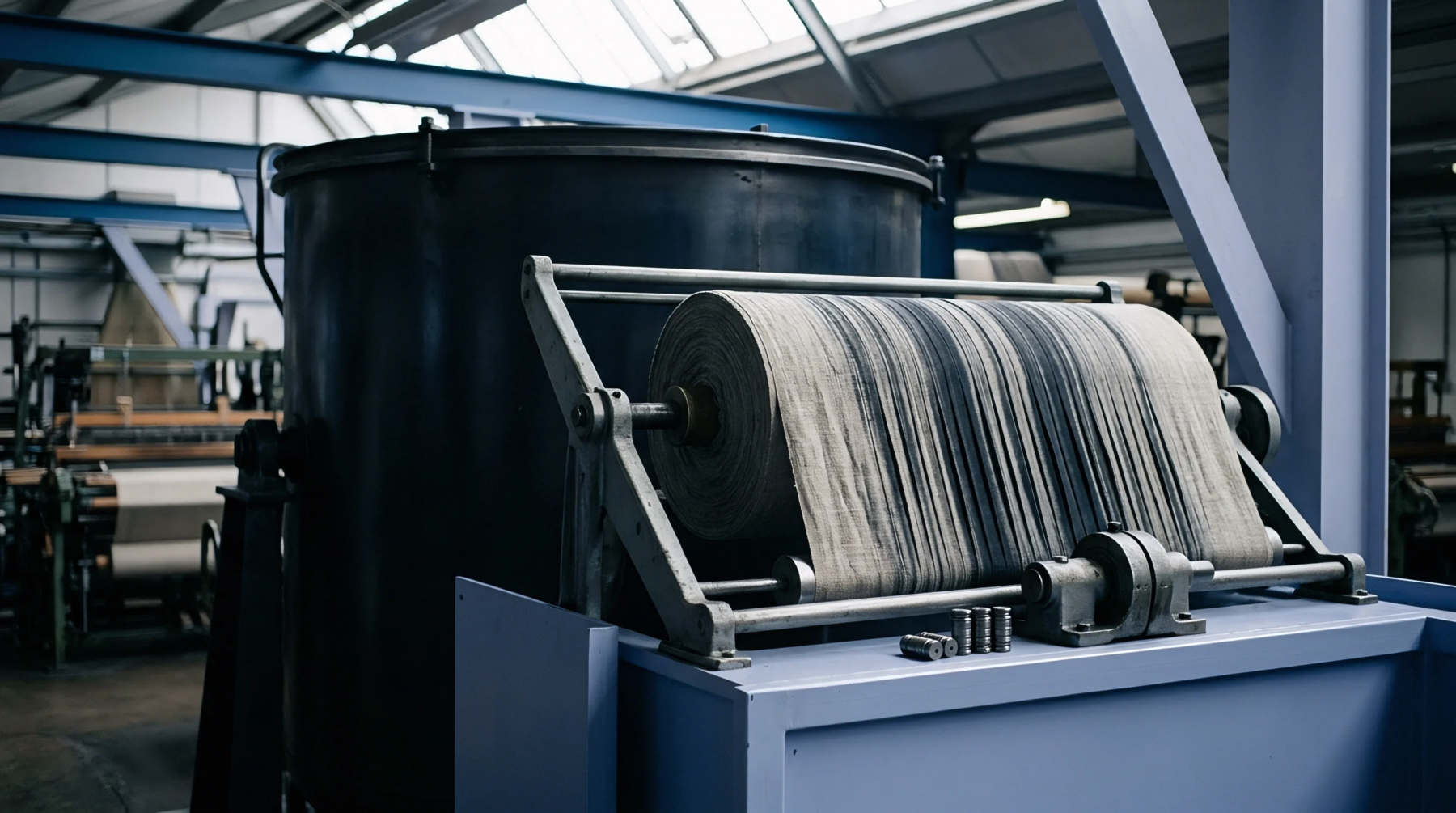
Calculated warp break frequency in sized ring linen requires modeling dynamic loom stress and yarn flaws, where optimal sizing limits stops below 2 per 100k picks.

Precise size film penetration anchors flax microfibers within the yarn core to prevent shedding, lower warp stops, and maintain high loom efficiency.

Balancing squeeze pressure and size concentration controls pick-up and film encapsulation on fine flax warps to prevent loom stoppages without core brittleness.

Correct size formulation balances film elasticity with yarn core adhesion, cutting high-speed rapier warp stops to maximize loom uptime and metre output.

Optimizing bast fiber warp regain between 11.5 and 12.5 percent through targeted shed psychrometrics maximizes yarn elasticity, cutting warp breaks and loom downtime.
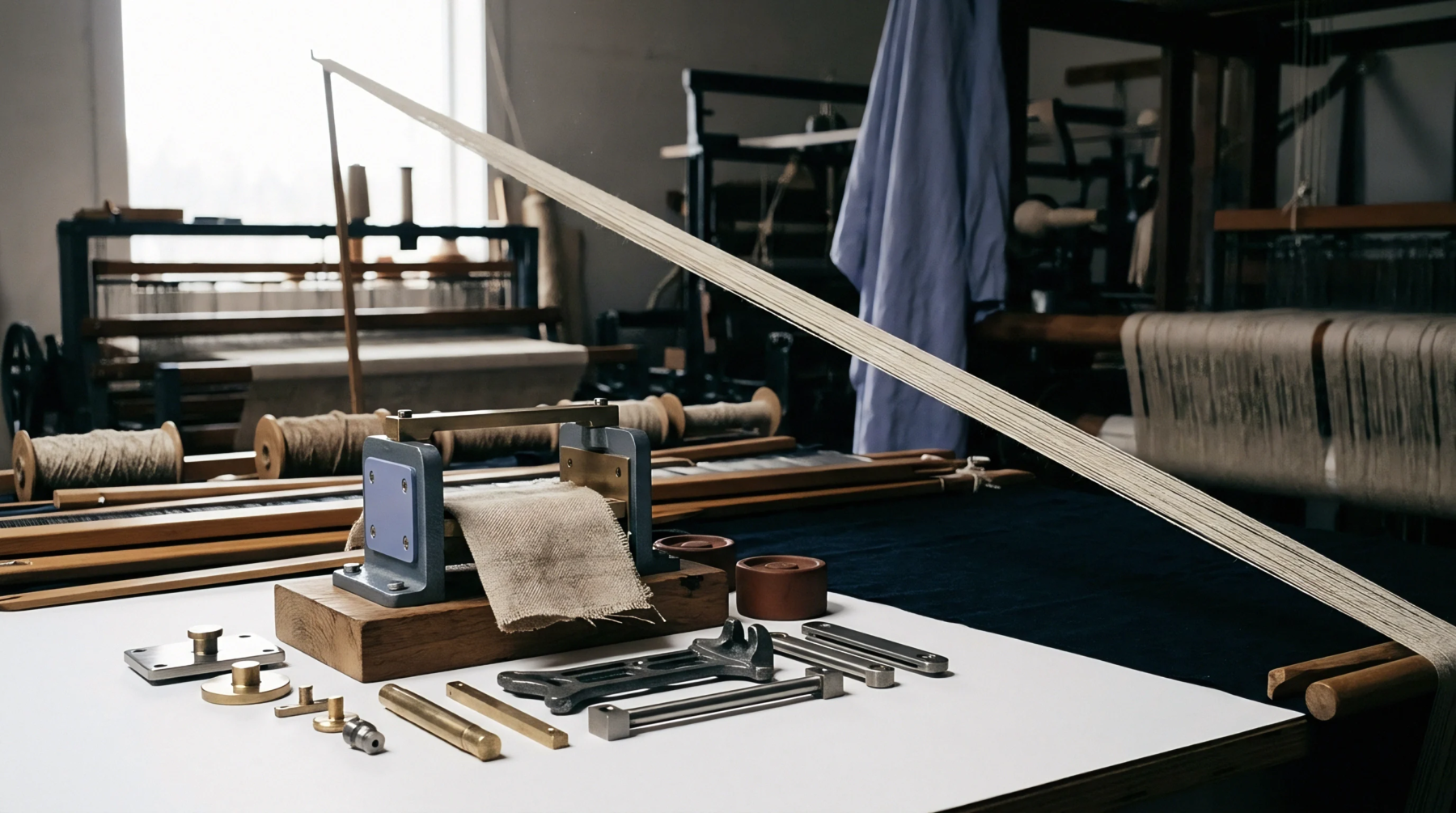
Optimizing size film elasticity and asymmetric shed geometry on rapier loom conversions cuts warp stops below 0.5 per hour and lowers total metre cost.

Dynamic localized psychrometric control sustains viscoelastic sizing compliance on bast warps, preventing film fracture and lifting loom speeds past 500 PPM.

Fine wet spun linen warp yarns demand a minimum unsized tenacity of 19 cN/tex and a Weibull modulus above 9.0 to survive loom shedding strain without snap.
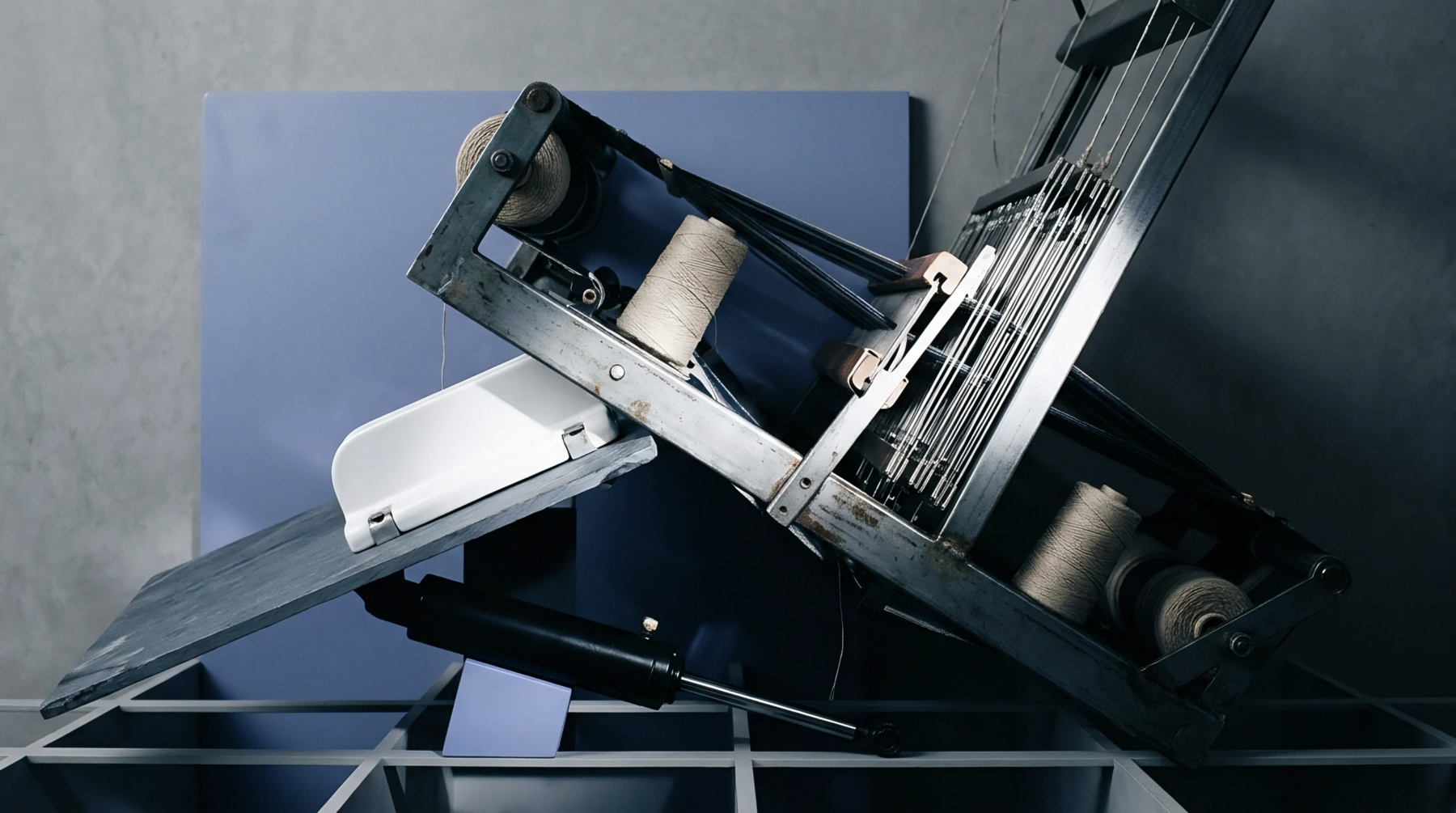
Optimizing warp sizing regain and loom shed humidity prevents brittle size film fracture, suppresses friction dusting, and maximizes high-speed weaving efficiency.
Expertise is a utility, not a secret. sentiention™ publishes its working knowledge as open reference: intelligence layer covering the materials it sources, the markets it enters, and the reference that serves both.