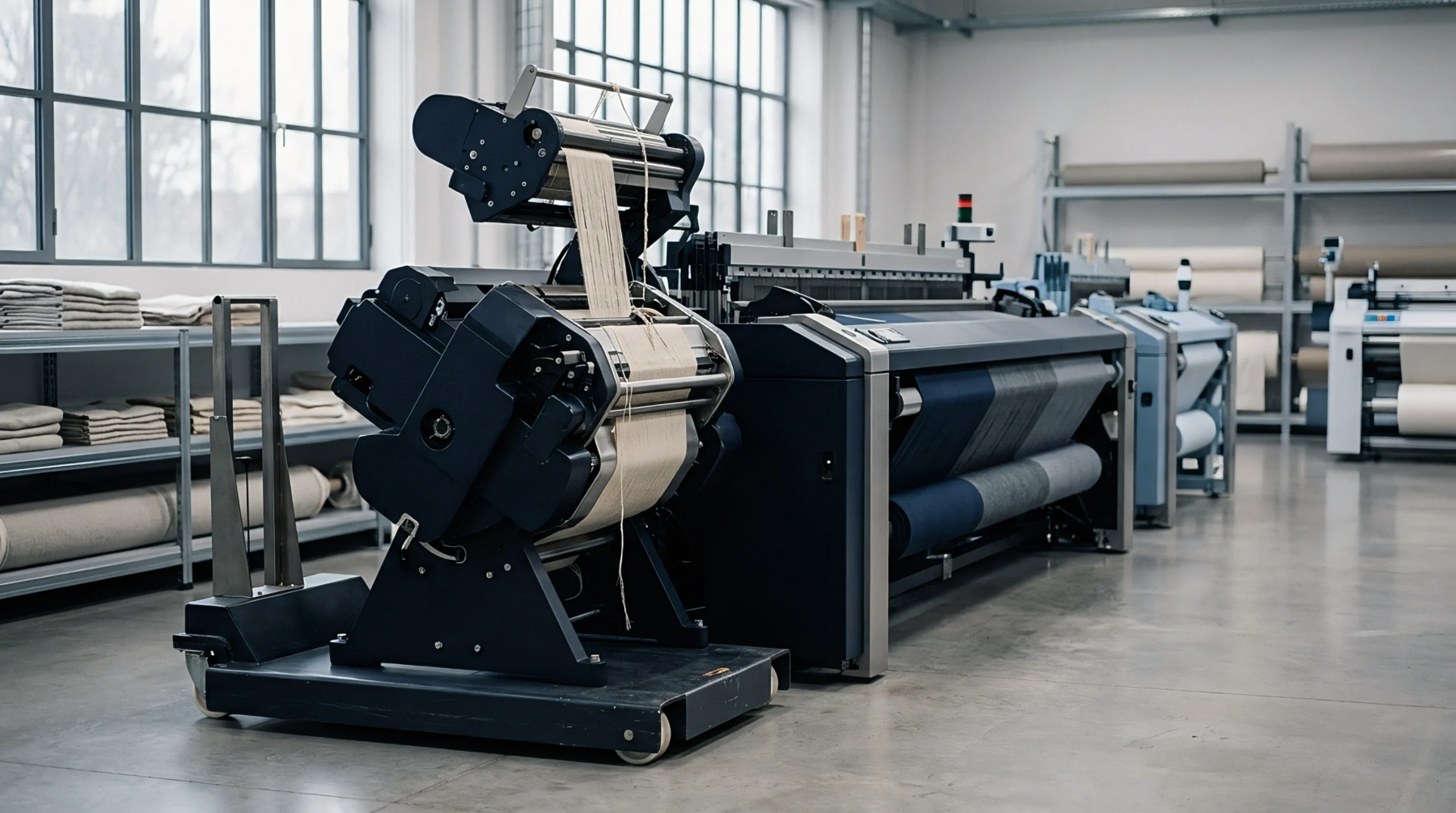
Loom Shed Asymmetry Fundamentals and Warp Tension Dynamics
Adjusting loom backrest elevation creates shed asymmetry, slackening top warp ends to increase thread spreading, eliminate reed marks, and optimize fabric cover.
Adjusting loom backrest elevation creates shed asymmetry, slackening top warp ends to increase thread spreading, eliminate reed marks, and optimize fabric cover.

Air-jet linen weaving requires stepped relay nozzle pressures and precise crank timing to handle variable flax yarn hairiness and prevent filling stops.

Optimize pneumatic settings by pairing tandem main nozzles at 2.6 to 4.2 bar with staggered relay banks to prevent linen yarn damage and control air consumption.

Dynamic stochastic machine allocation dampens flax warp breakage spikes by pairing real-time failure queues with flexible operator patrol routing.

Bottom sheet warp tension asymmetry on high-speed rapier looms causes crimp imbalance and fell skewing, demanding dynamic sensor calibration and backrest offset tuning.
Expertise is a utility, not a secret. sentiention™ publishes its working knowledge as open reference: intelligence layer covering the materials it sources, the markets it enters, and the reference that serves both.