
Dynamic Machine Load Assignment Curves for High Pick Density Flax Fabrics under Variable Humidity Conditions
Dynamic speed compensation profiles match loom load curves to flax moisture regain, preventing tension spikes during high density beat-up.
Dynamic speed compensation profiles match loom load curves to flax moisture regain, preventing tension spikes during high density beat-up.

Active creel braking, cycle compensation, and sixty percent relative humidity arrest flax relaxation to lock multiaxial composite reinforcement tolerances.

Chinese linen weaving allocation hinges on booking rapier capacity around seasonal crunches and sizing constraints rather than generic yardage purchasing.

Calculated warp break frequency in sized ring linen requires modeling dynamic loom stress and yarn flaws, where optimal sizing limits stops below 2 per 100k picks.
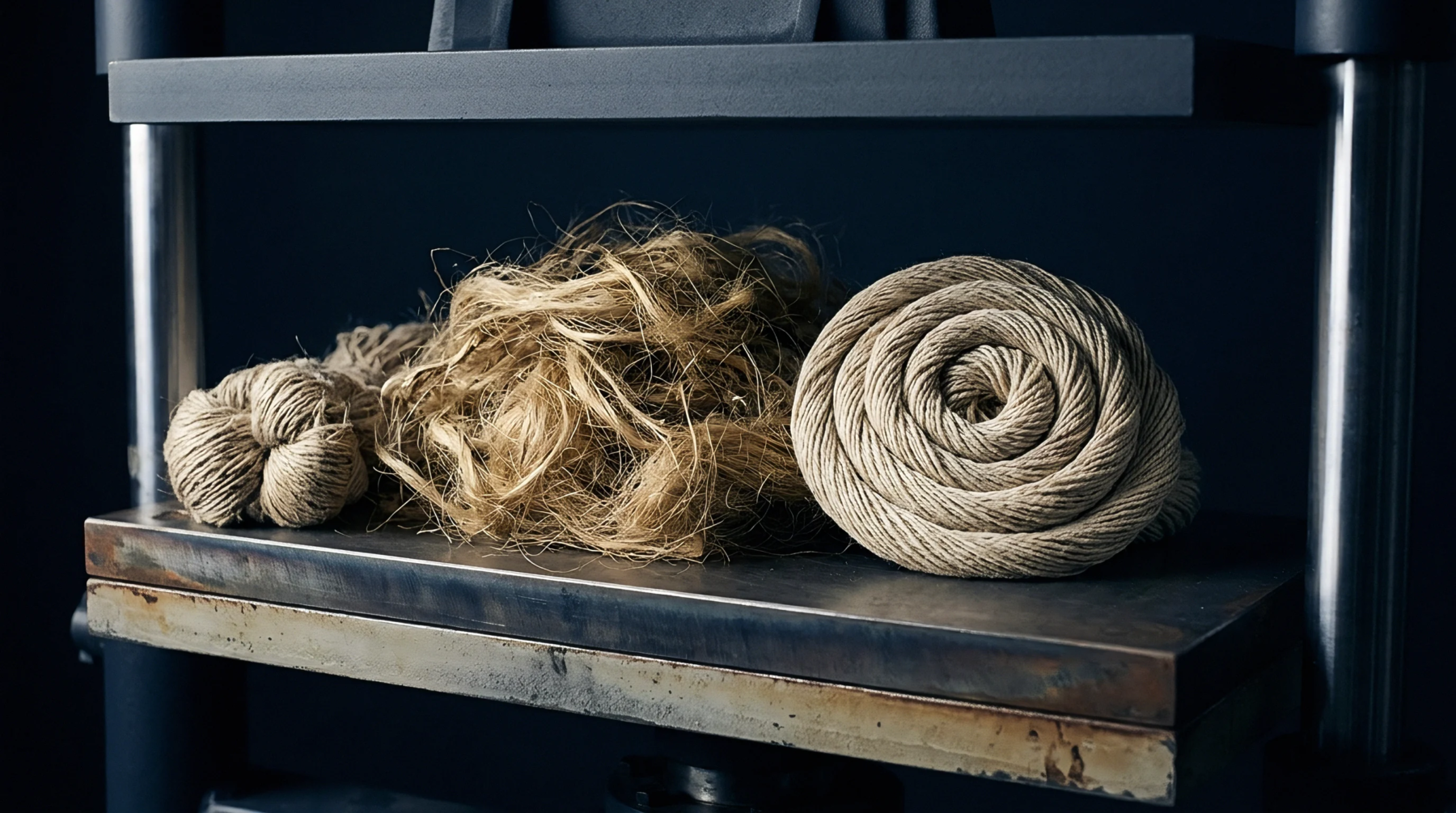
Fine wet spun linen warps demand 7 to 9 percent starch size add-on, 8 percent moisture regain, and under 21 degree shed angles to run above 85 percent loom efficiency.

Controlled 11% regain prevents bast matrix delamination, cutting loom stops to under 1.5 per 100k picks to secure full shed efficiency.
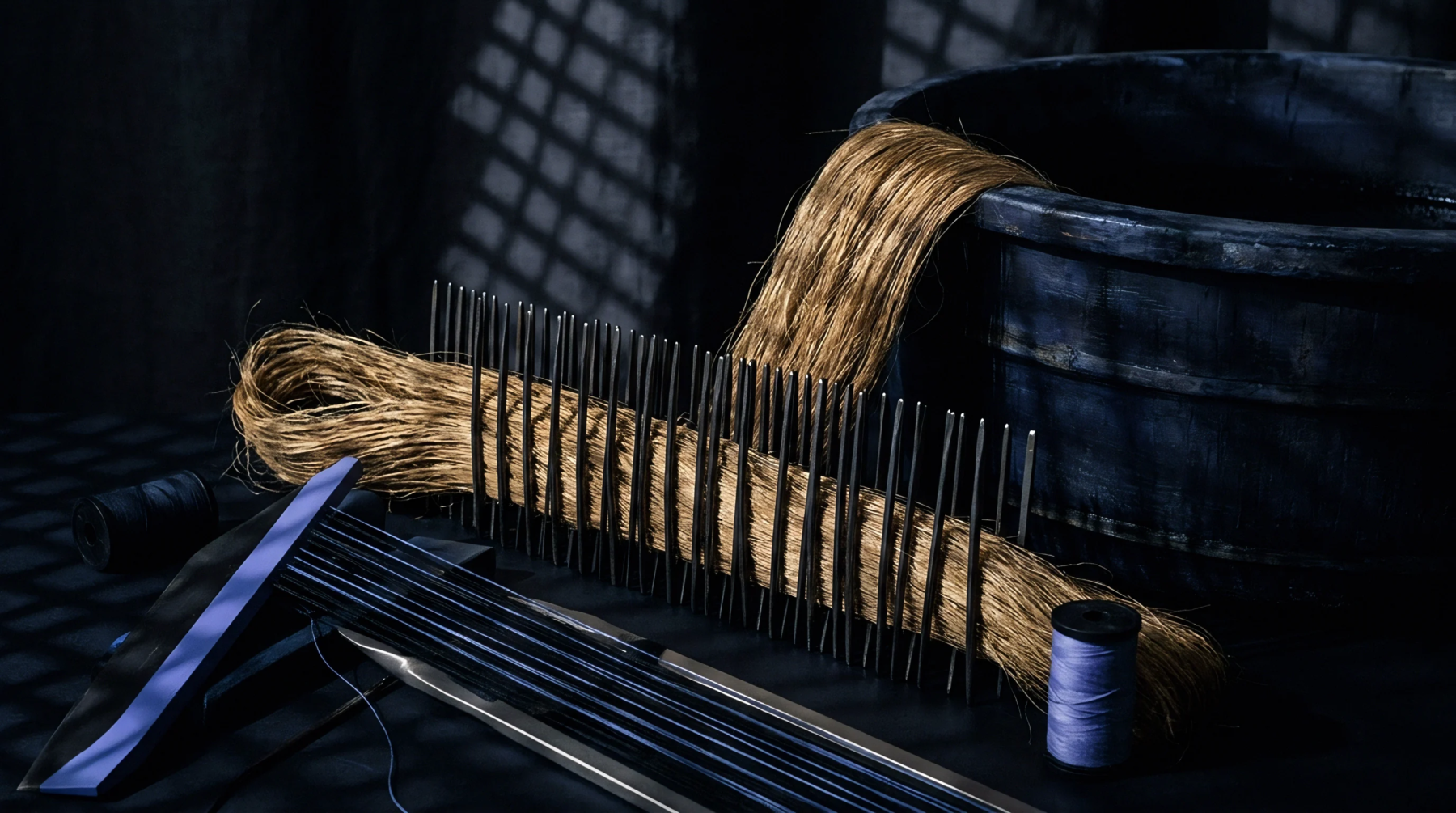
Generalized Maxwell Modeling quantifies speed-dependent warp tension spikes, allowing weavers to set loom parameters that minimize end breaks and starting marks.
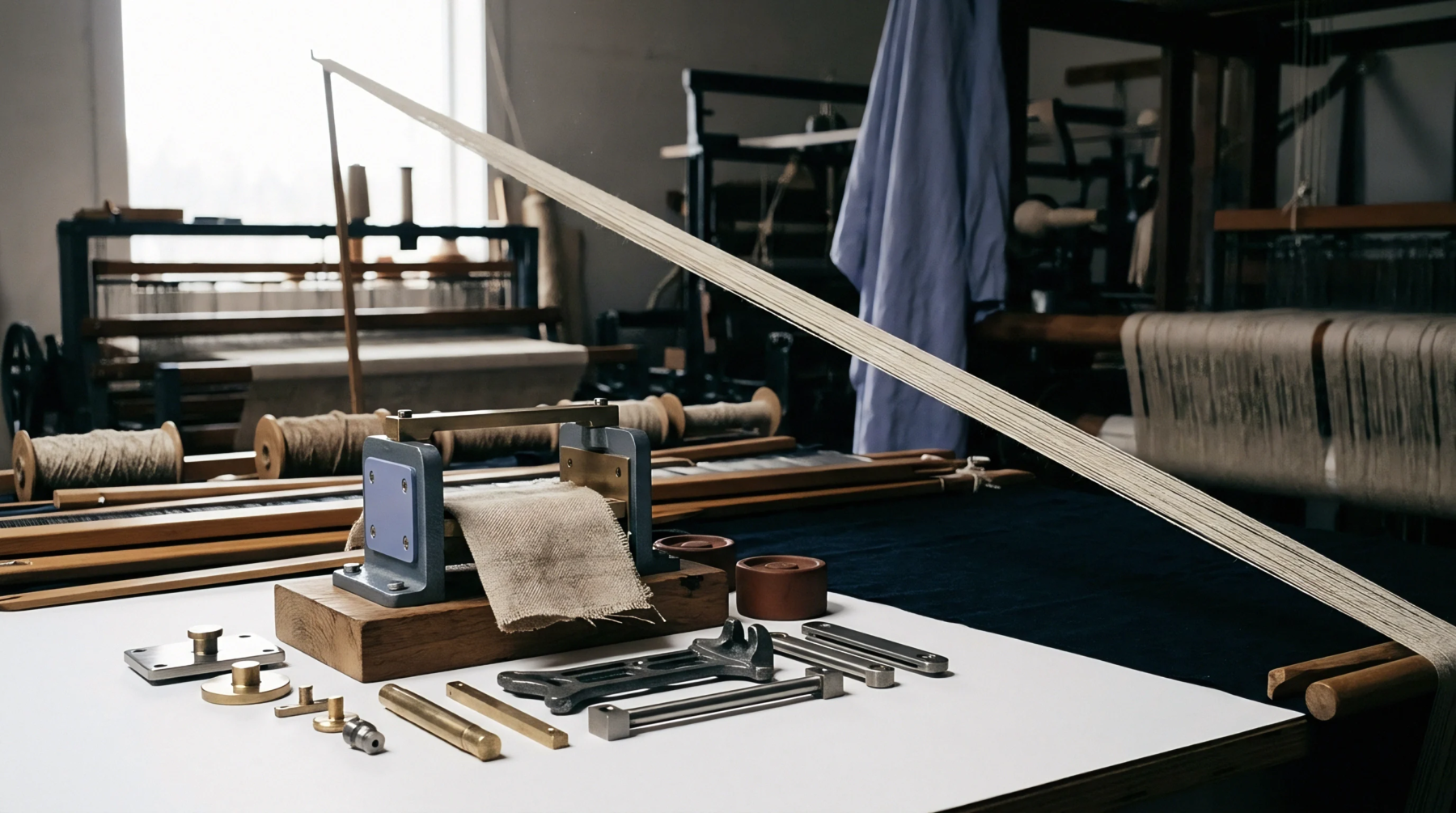
High-density flax weaving requires precise active warp tension control, asymmetric shedding, and 10 percent size add-on to prevent peak load breaks.
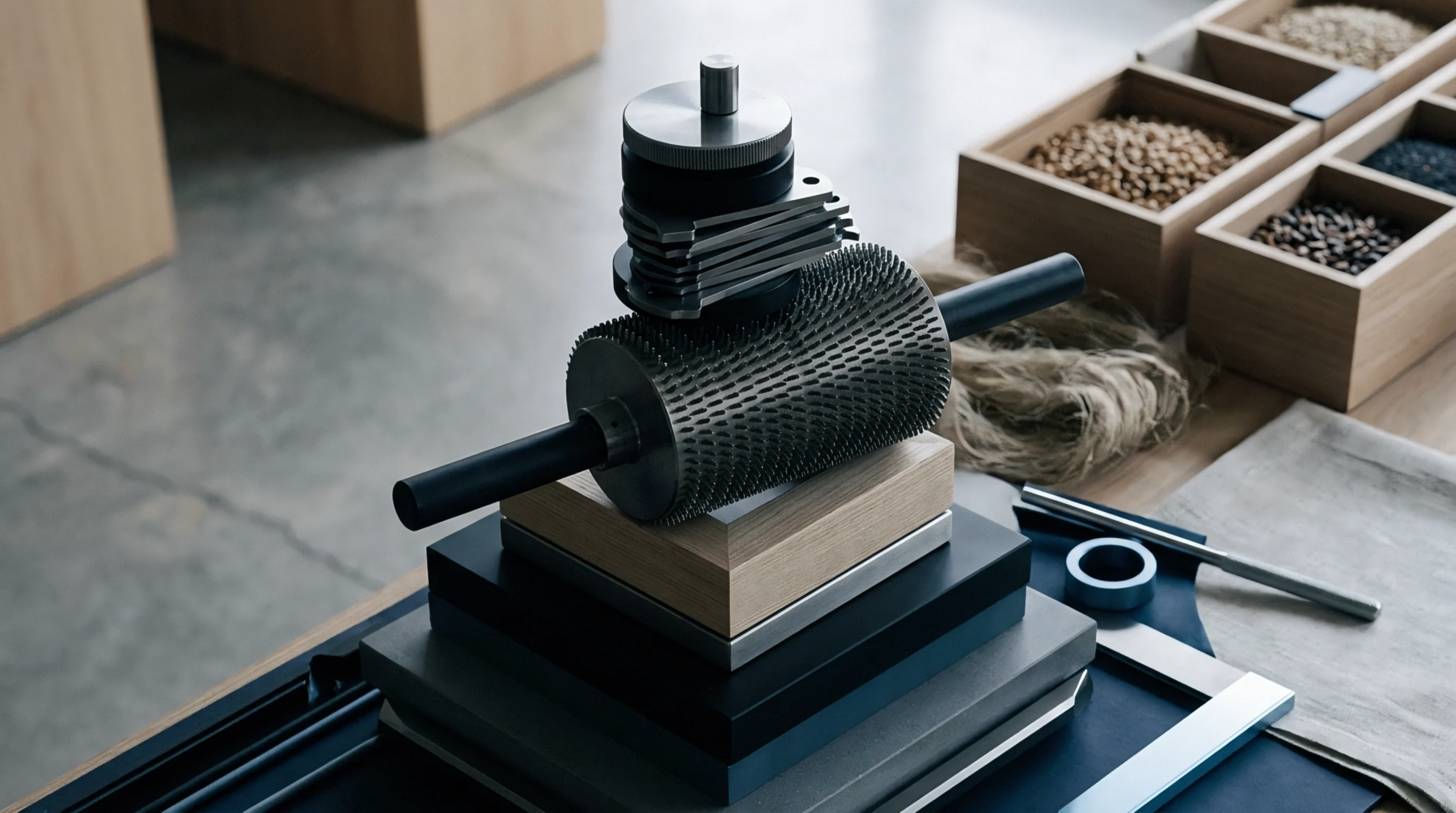
Controlled pectin extraction and asymmetric shed tuning enable stable air-jet linen weaving at 700 picks per minute while reducing landed fabric cost.

ASTM D5430 demerit scores for wide linen twills normalize defect counts per 100 square yards or metres to enforce commercial lot acceptance thresholds.
Expertise is a utility, not a secret. sentiention™ publishes its working knowledge as open reference: intelligence layer covering the materials it sources, the markets it enters, and the reference that serves both.