Tensile Analysis
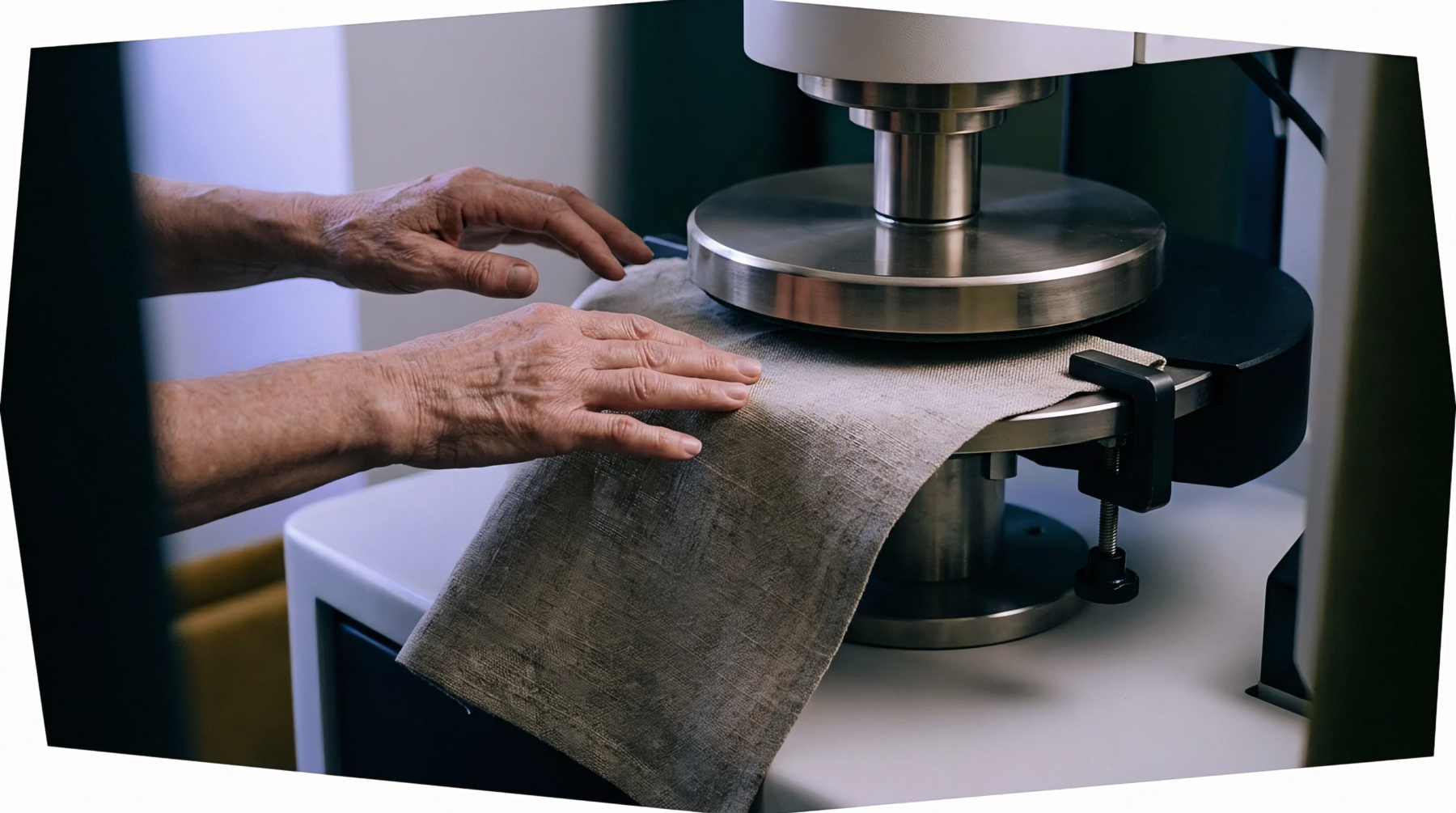
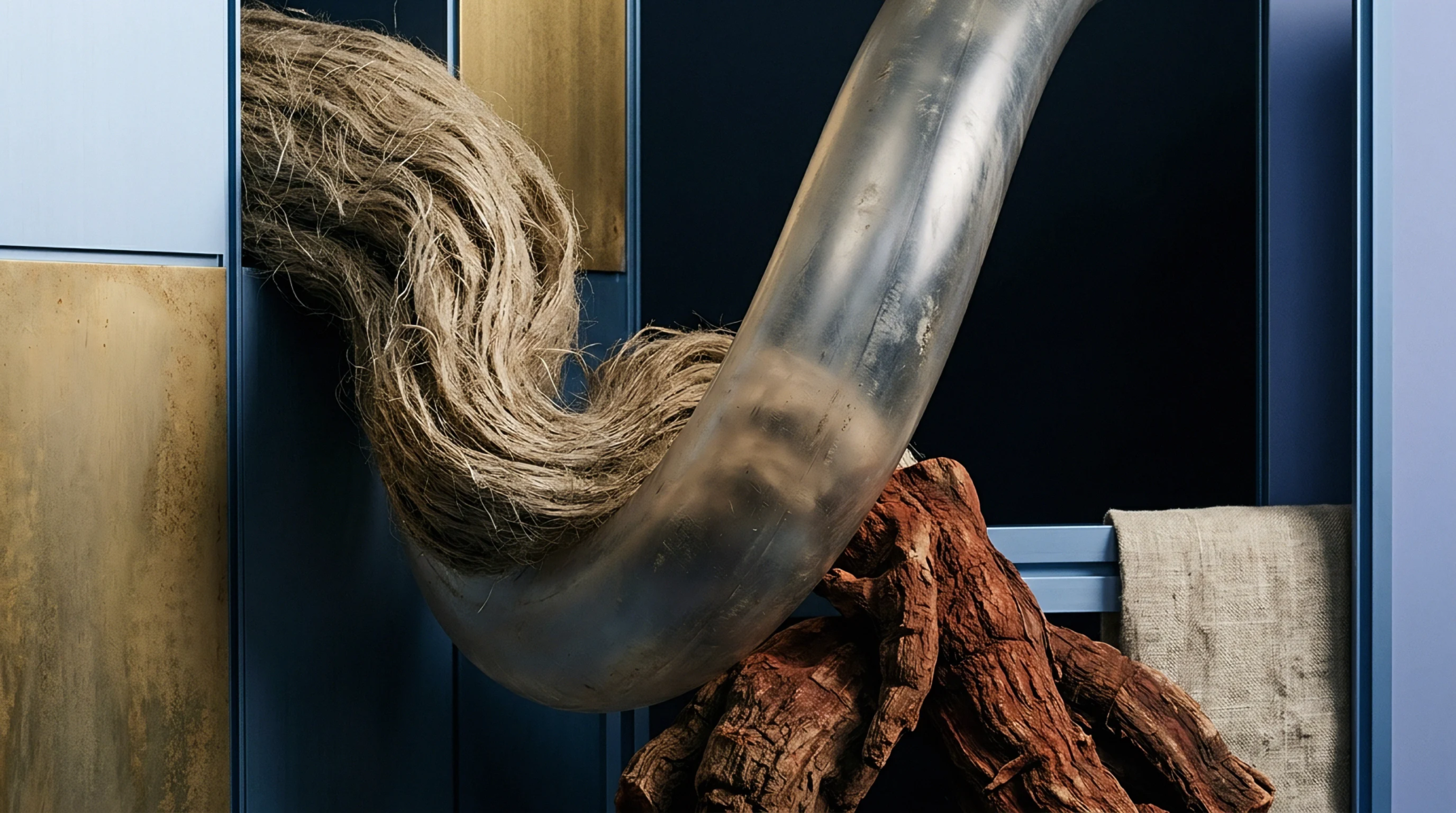
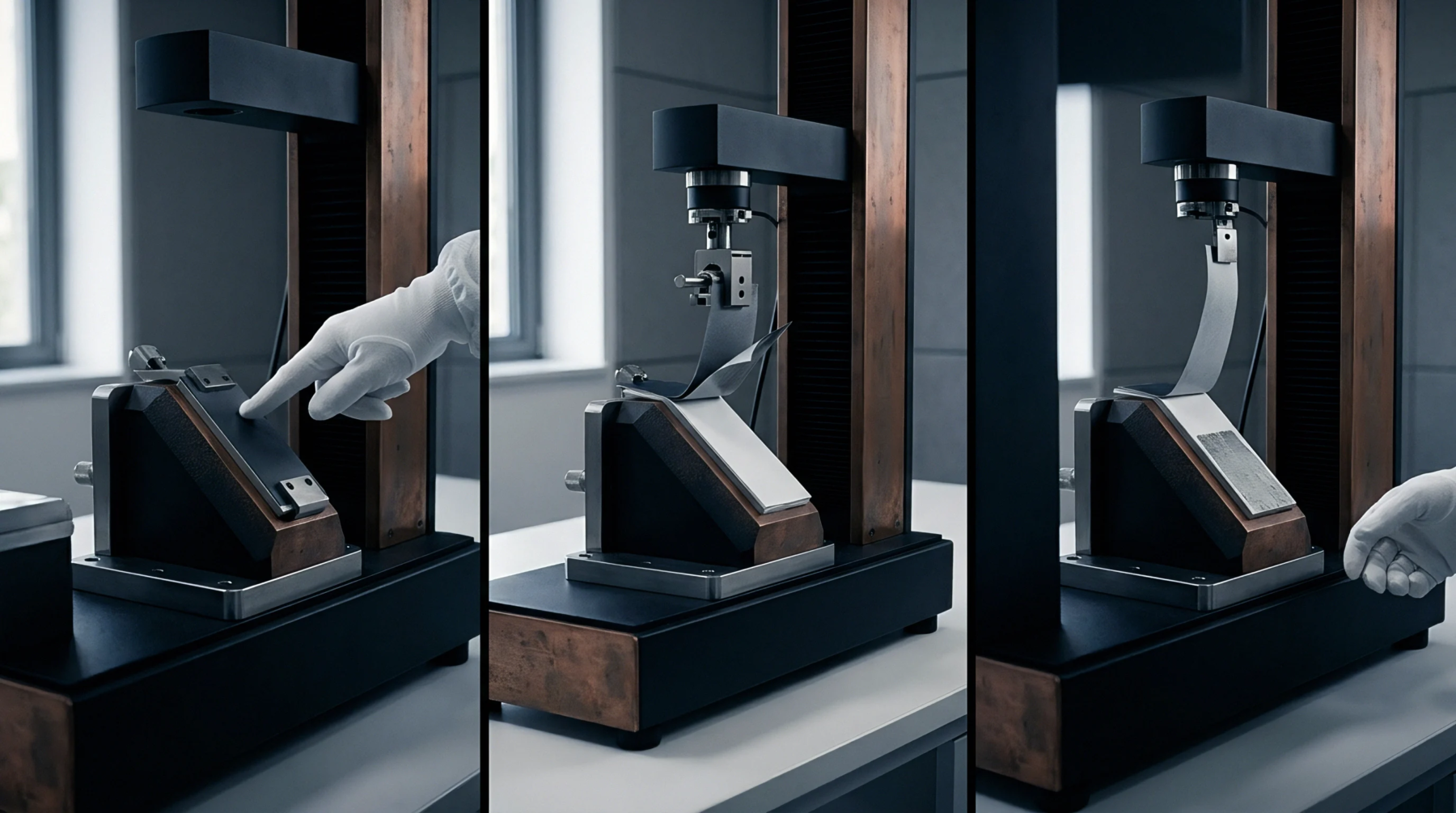
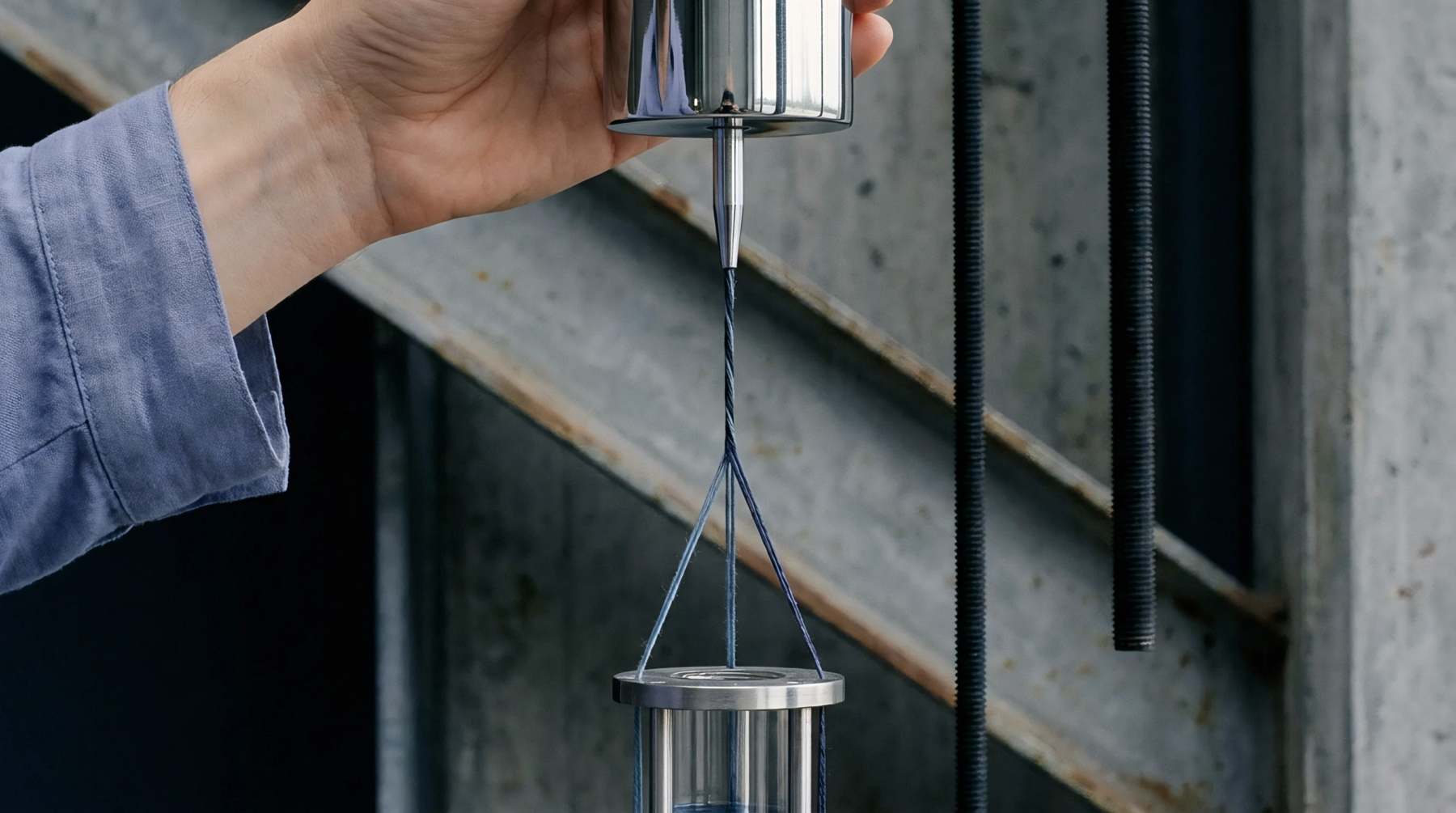
Tensile resistance of primary plant stalks defines the physical limits of raw flax during industrial processing. Bast fiber mechanics determine how bundles of cellulose cells behave under axial loading within a spinning frame. These measurements identify the internal friction between individual filaments and the tenacity of the outer cortical layer.
High rigidity values correlate with lower breakage rates during initial hackling, as stiff stalks resist the shearing force applied by rotating metal pins. Low tenacity records often signal biological degradation from improper retting, which weakens the pectin bonds holding the cell bundles together. Engineers utilize these data points to calibrate the tension settings on high-speed drafting rollers to prevent premature snapping.
Drafting Dynamics
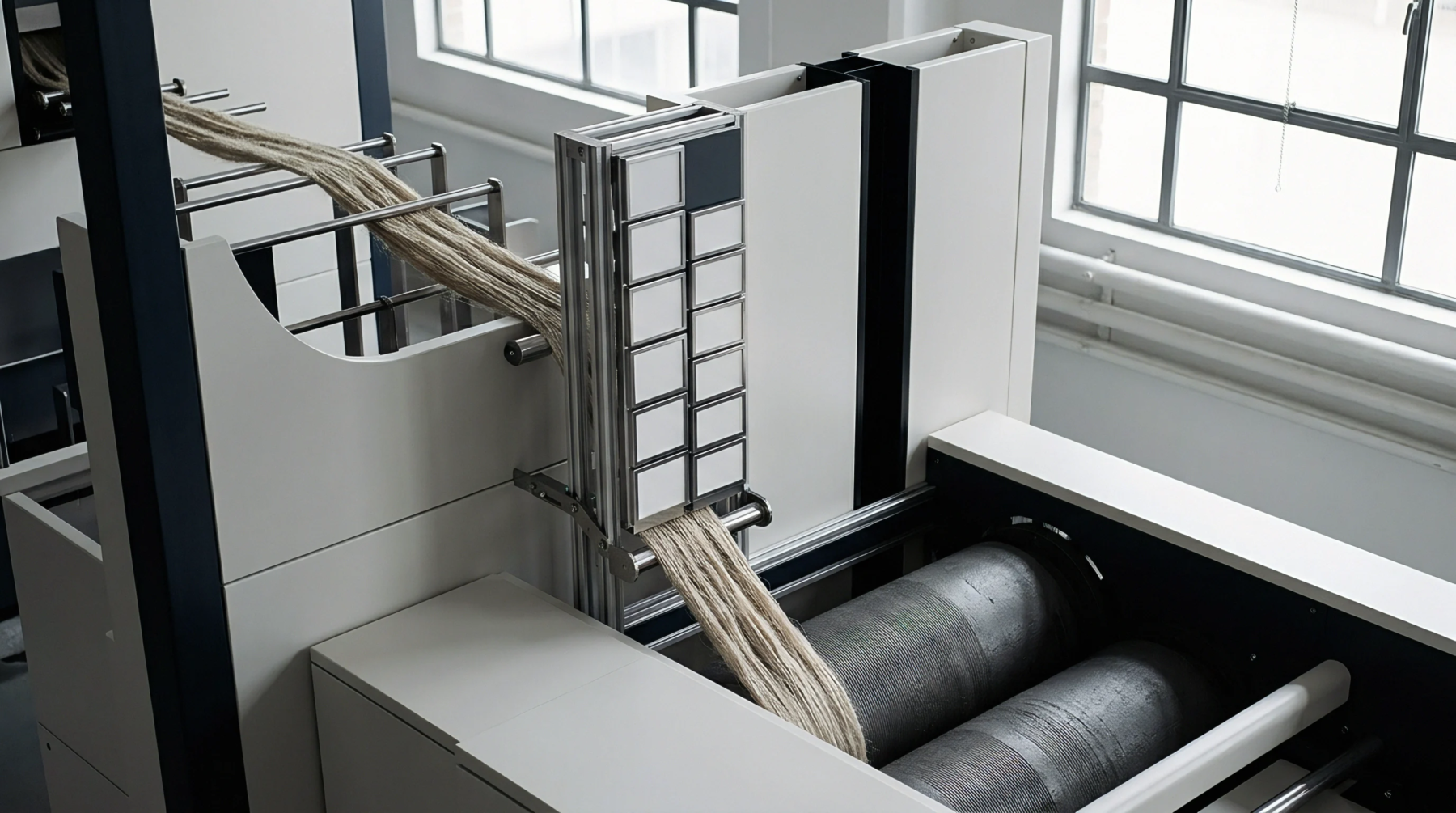
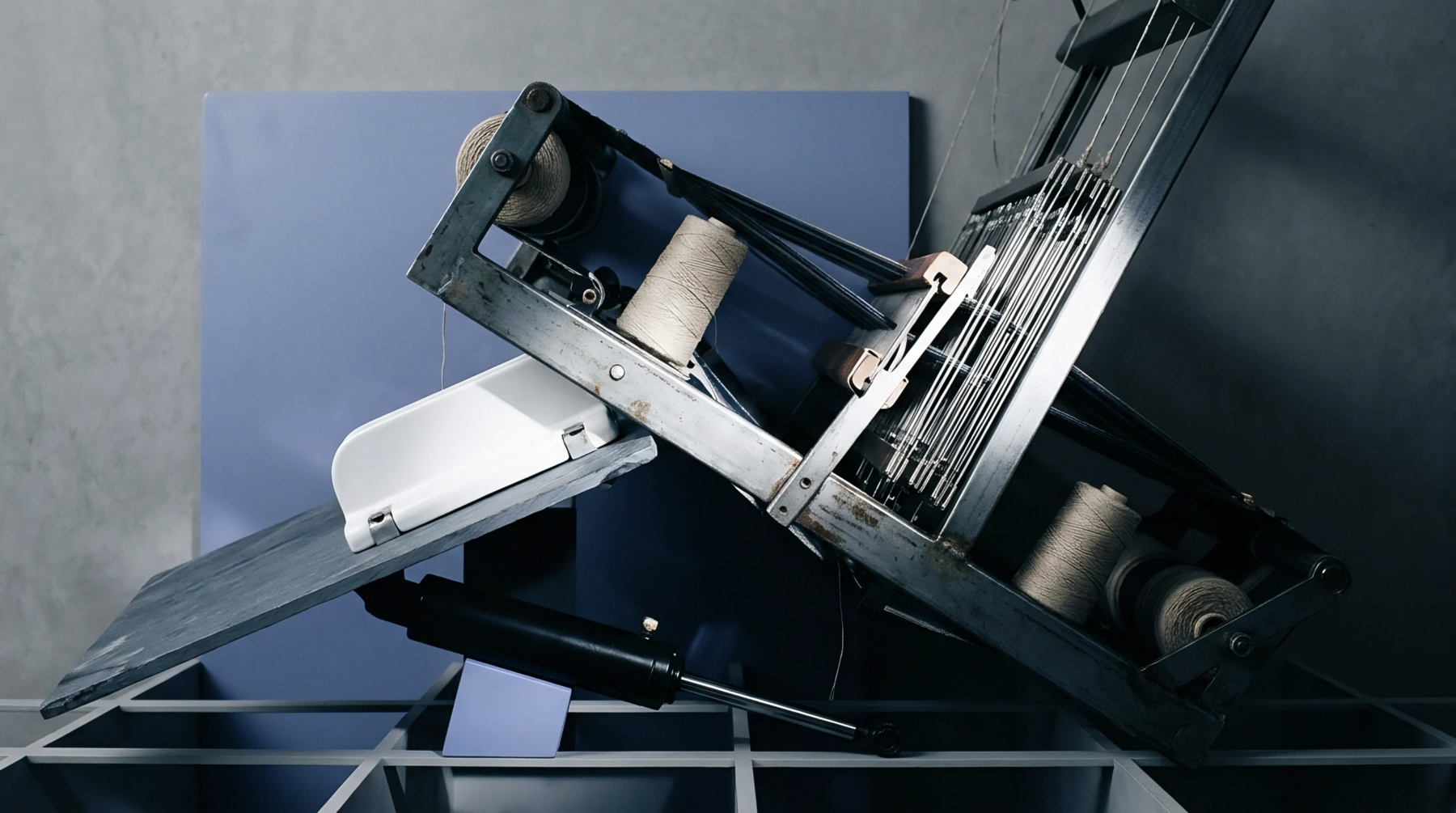
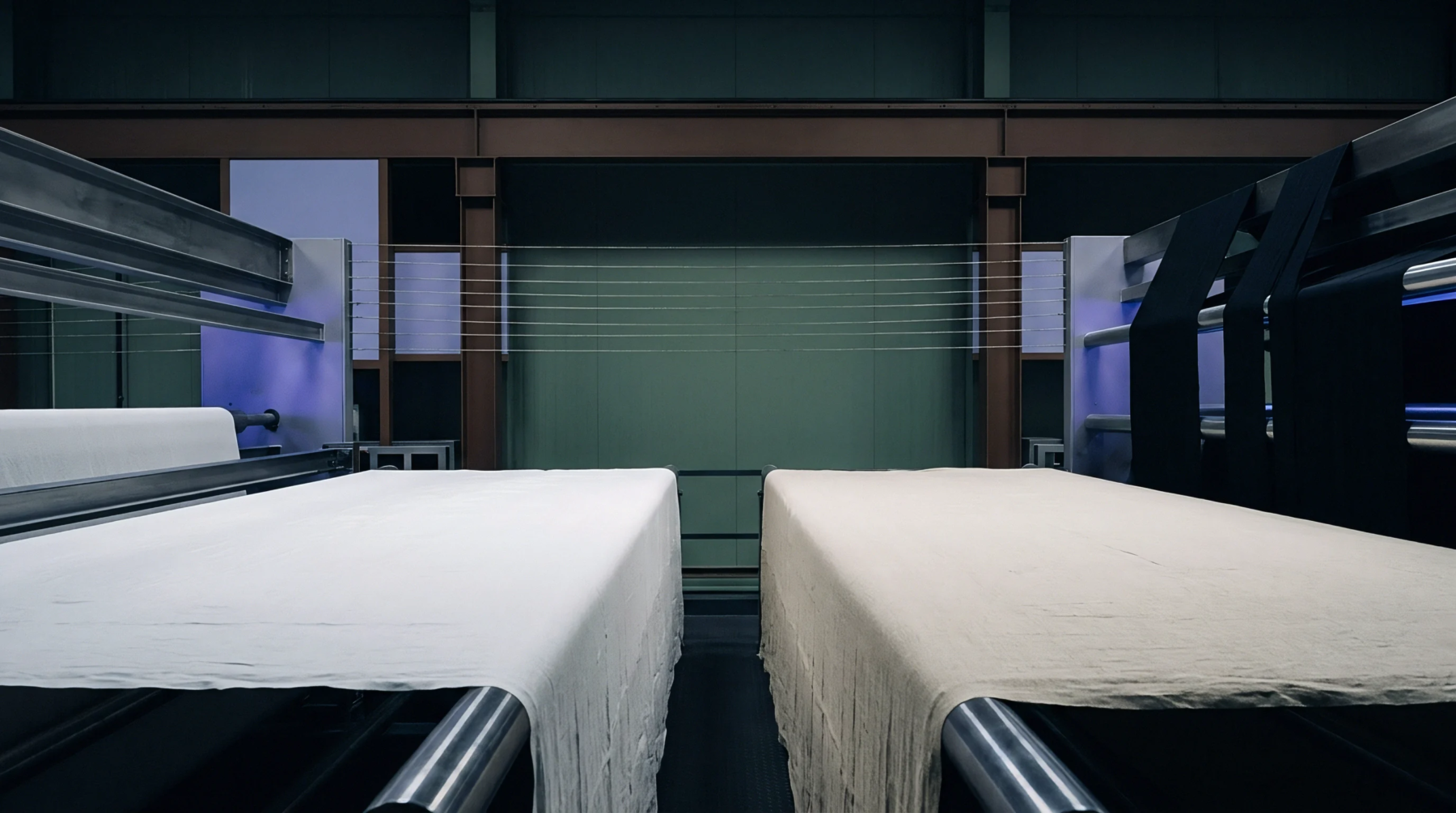
Processing stages require stable resistance profiles to ensure consistent yarn count and uniform surface finish. Bast fiber mechanics change as the material moves from simple roving into refined sliver because the bundle size decreases. Tension sensors inside the spinning unit track these fluctuations to maintain a continuous flow of plant material.
Proper alignment of cellulose fibrils relies on this consistent pull, which prevents the production of knots or thin spots in the final thread. Spinning equipment detects a deviation in resistance through load cells, triggering an immediate adjustment to the draw ratio. Constant monitoring prevents a sudden surge in torque that would otherwise shatter the brittle stalk components.
Quality Protocol
Standardized testing procedures compare observed structural data against established baselines for specific grades of European or Chinese flax. Acceptance criteria for mill operators rely on the recorded load bearing capacity measured in grams per tex. Suppliers maintain traceability through logs that map the mechanical profile of every shipment against its geographical harvest origin.
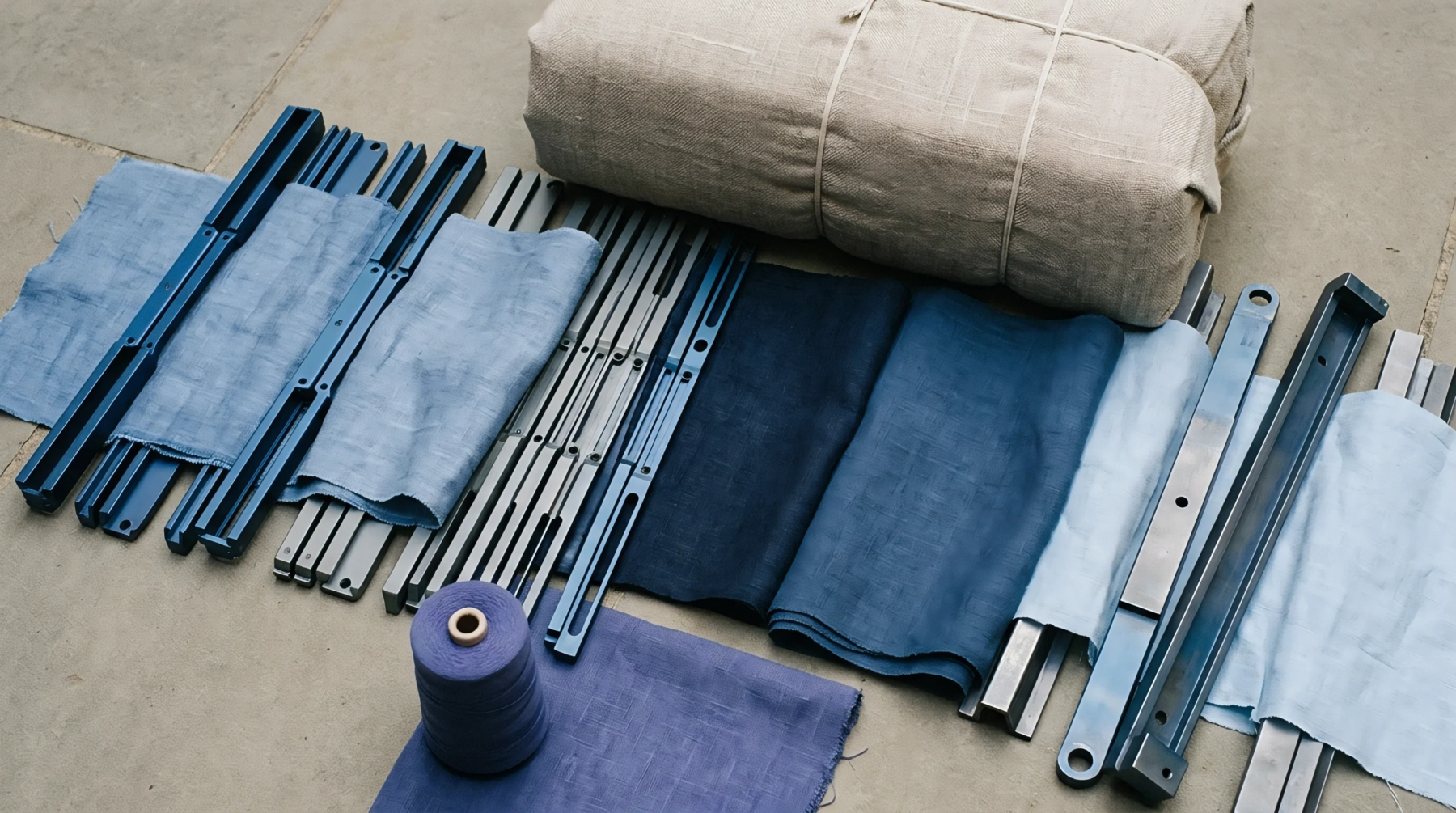
Fabric production specifications demand a minimum threshold of elasticity to ensure the finished linen holds its shape during repeated laundering. Mill protocols exclude any batch displaying non-linear deformation patterns, as such instability ruins the integrity of the weaving loom. Structural failure during the drawing process represents the primary cause of downtime in high-volume production lines.