
Calculating Warp End Density Limits in High Density Woven Fabrics
Calculating maximum warp end density requires adjusting Peirce geometric jamming models for yarn compaction, reed clearance, and shed beat-up force limits.
Calculating maximum warp end density requires adjusting Peirce geometric jamming models for yarn compaction, reed clearance, and shed beat-up force limits.
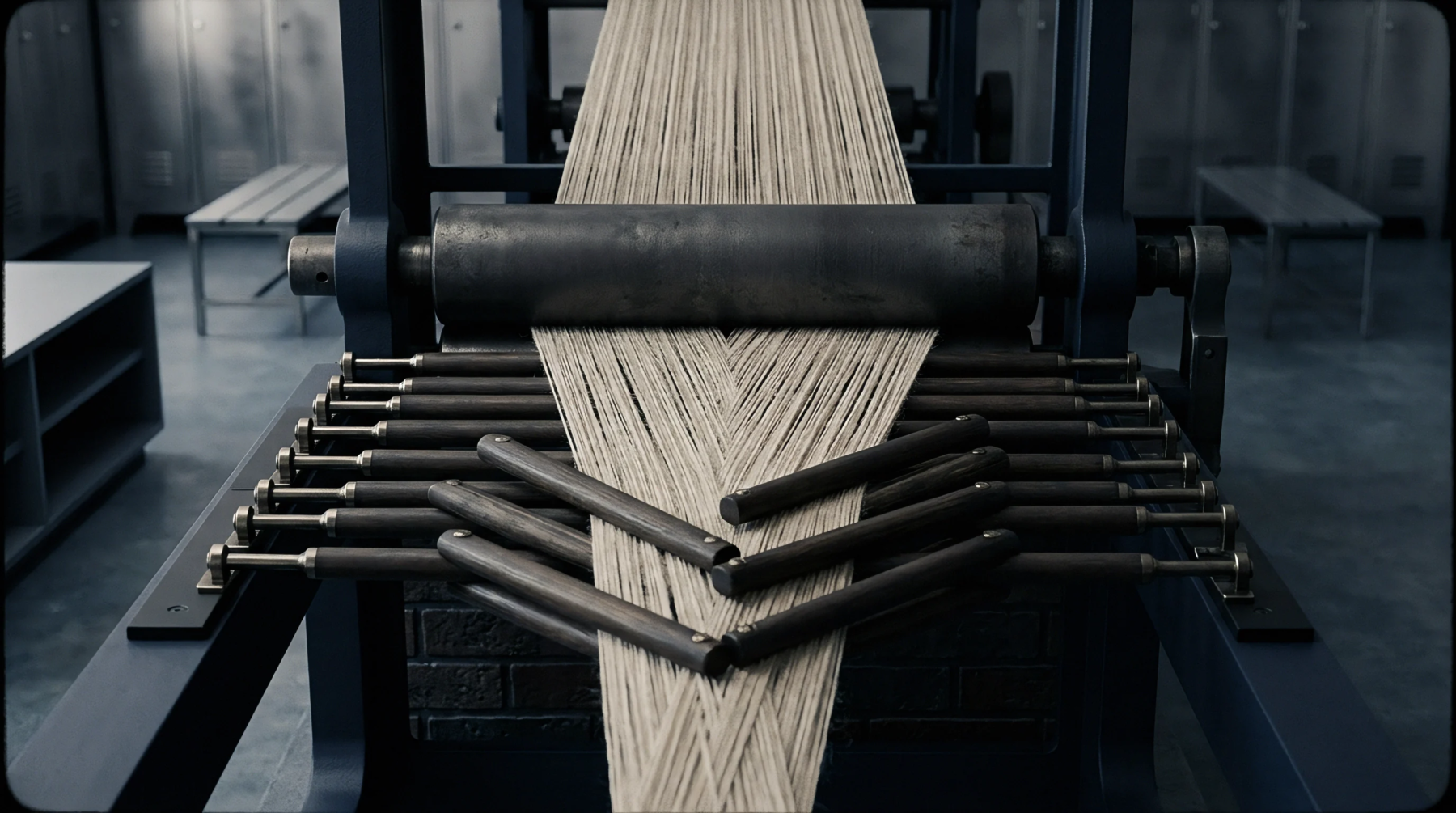
Keeping harness cord splay angles below ten degrees prevents lateral eyelet binding, eliminates asymmetric creep, and protects loom speed in high density sheds.

Insertion reliability in dense wet spun linen depends on size film cohesion and precise unguided rapier trajectory to limit peak tension under 4.5 cN/tex.
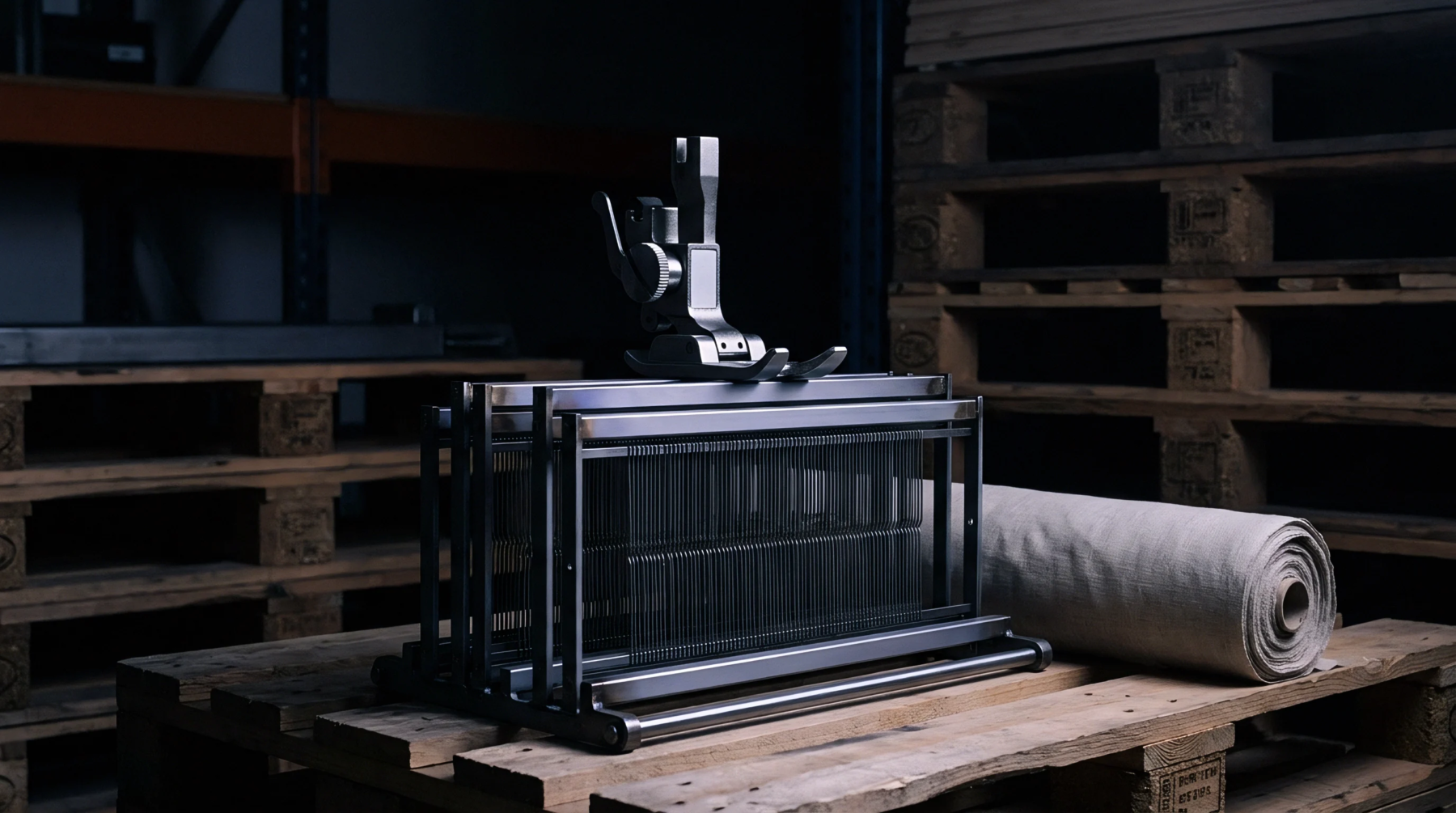
Jacquard repeat limits scale with hook count and warp density, where systematic harness casting-out maintains uniform cord pull angles across the comber board.

Calculating multi-machine allocation penalties in high-density flax weaving requires auditing loom sensor response times against interference efficiency formulas to penalize unabsorbed overhead and defect downgrades caused by operator overburden.
Expertise is a utility, not a secret. sentiention™ publishes its working knowledge as open reference: intelligence layer covering the materials it sources, the markets it enters, and the reference that serves both.