Quantifying Micro Fibrillar Core Anchoring to Prevent Humidity Induced Warp Fatigue Failure
Core sizing penetration ratios exceeding 0.65 anchor bast microfibrils, cutting humidity warp fatigue stops by sixty percent on high-speed rapier looms.
Core sizing penetration ratios exceeding 0.65 anchor bast microfibrils, cutting humidity warp fatigue stops by sixty percent on high-speed rapier looms.

Polymer binders preserving tensile strength under loom abrasion require low bath viscosity, ductile synthetic additives, and precise surface encapsulation.
Chemical pectin extraction loss on linen warp yarn must hold between 8.5% and 10.5% to prevent shed cling, high stop rates, and lost high-speed rapier loom hours.
Dynamic shedding stress induces progressive plastic set in flax yarn, cutting elastic recovery and causing warp fatigue breaks that reduce loom efficiency.
Forced-oscillation film testing establishes elastic storage and viscous damping thresholds that prevent warp filament clinging during rapier loom insertion.
Target dry size pick-up for wet-spun linen warps sits strictly between six and nine point five percent, calculated from bone-dry yarn mass and nip extraction.
Dynamic shedding cycles degrade inelastic linen sizing films, inducing viscoelastic warp creep, starting marks, and avoidable stop frequency losses.
Optimizing bast fiber warp regain between 11.5 and 12.5 percent through targeted shed psychrometrics maximizes yarn elasticity, cutting warp breaks and loom downtime.
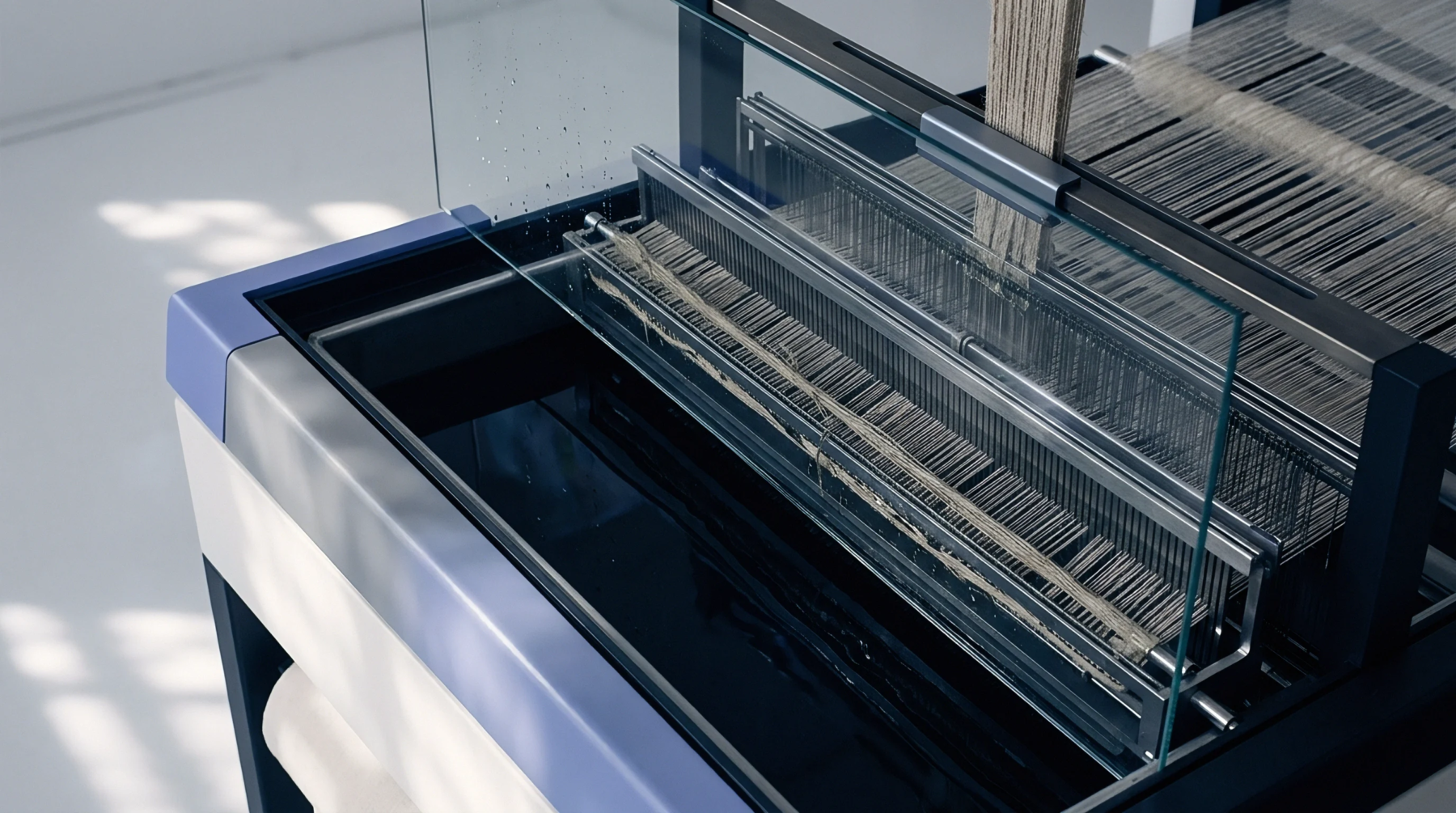
Optimize high-density linen warping via low-drag ceramic creels, 7-degree drum cones, 10% PVA-starch add-on, and 8-tier splitting to keep loom stops below 1.5.
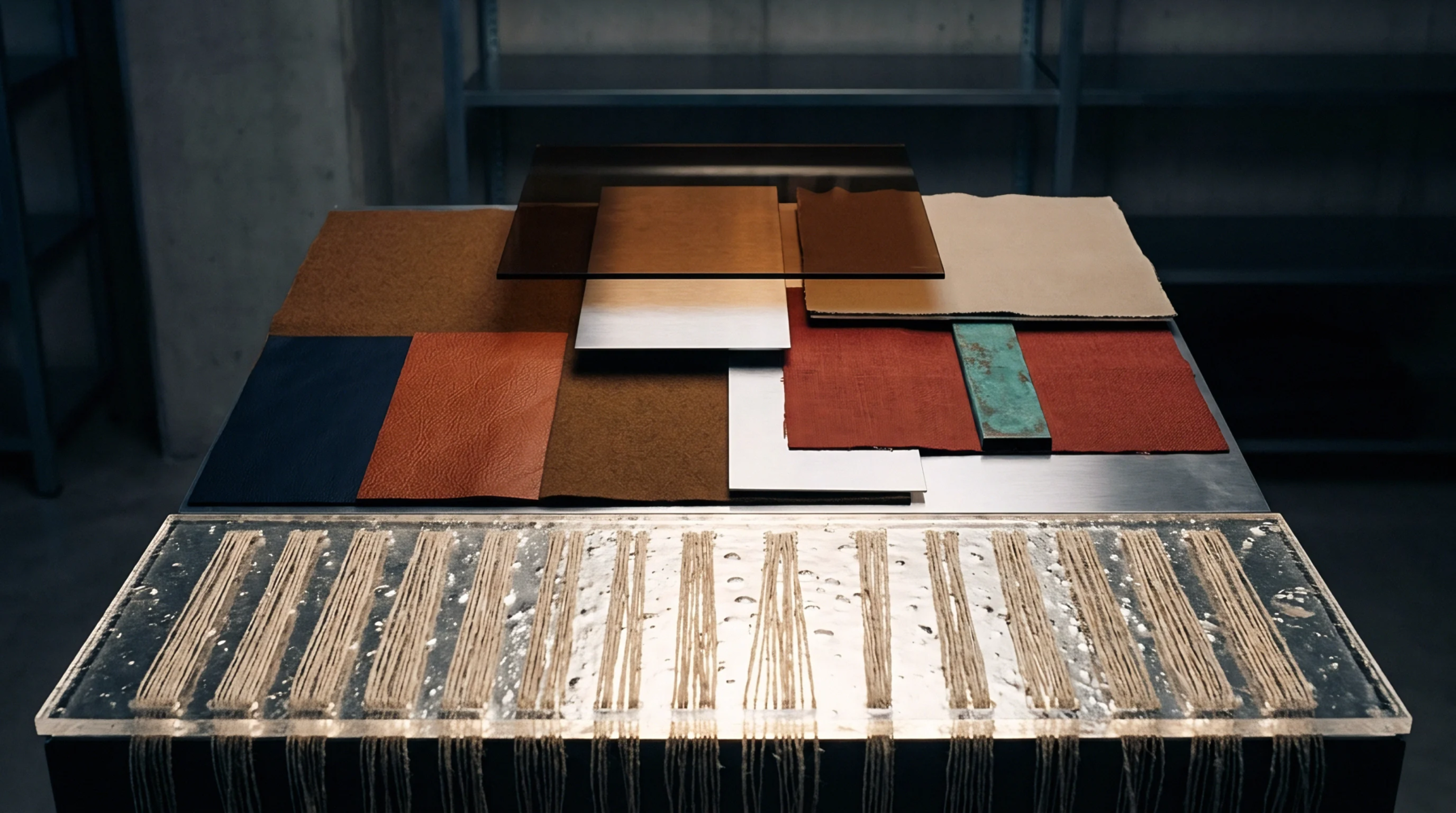
Wet-spun linen warps demand a minimum tenacity of 18.5 cN/tex with under 1.2% beaming stretch to maintain loom stop rates below 1.5 per 100,000 picks.
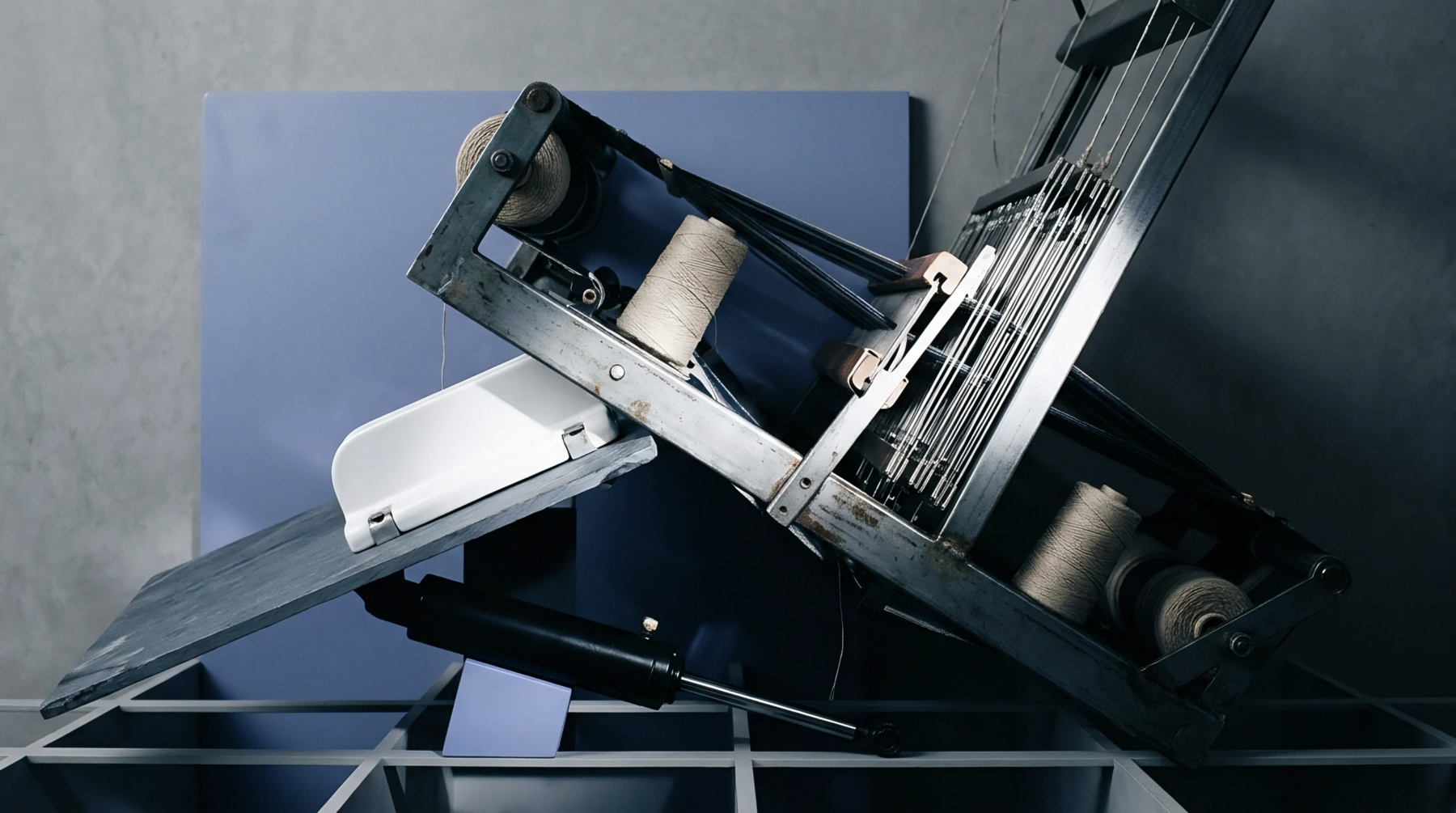
Optimizing warp sizing regain and loom shed humidity prevents brittle size film fracture, suppresses friction dusting, and maximizes high-speed weaving efficiency.
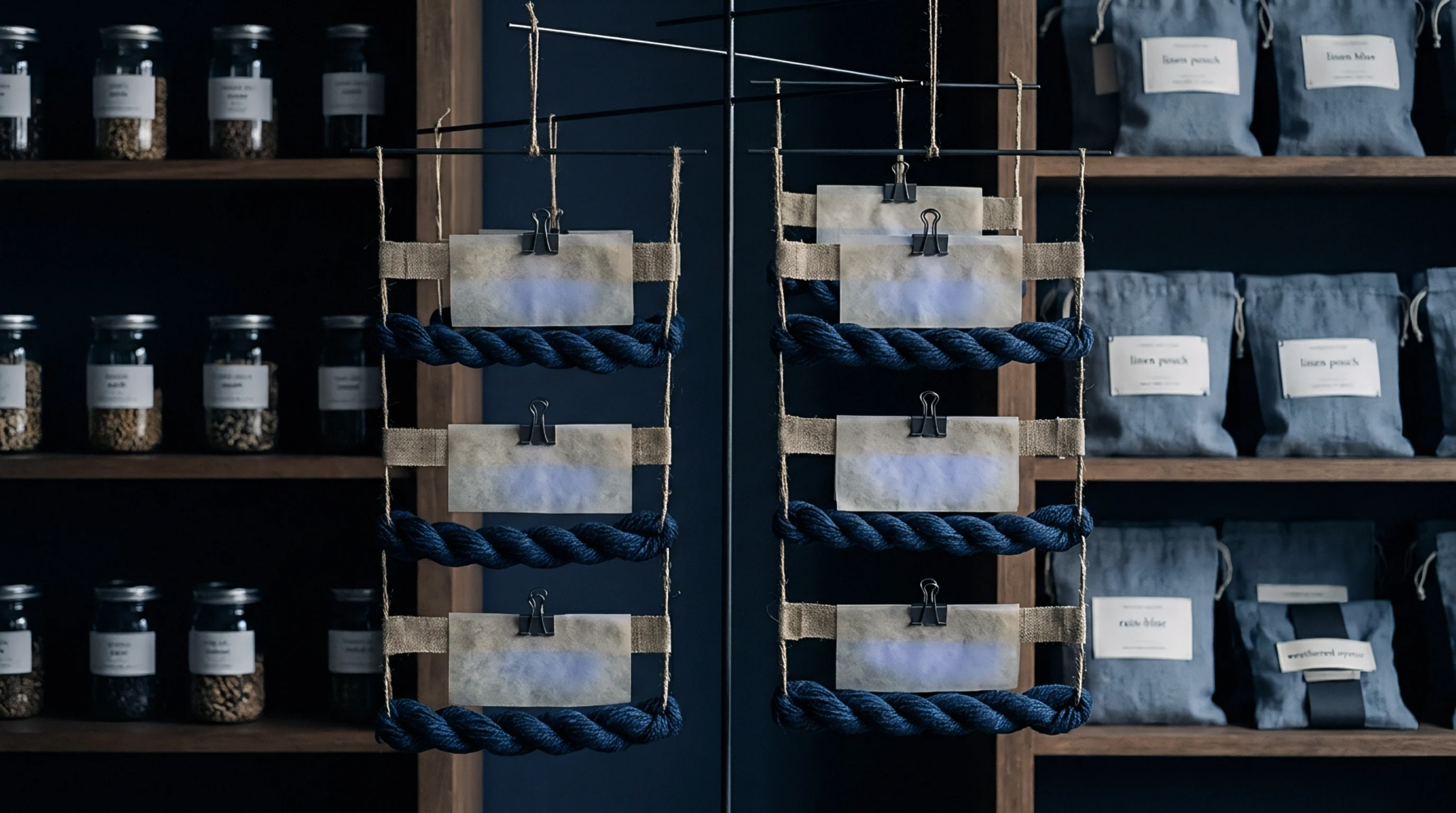
Yarn friction defect liability caps at 200 percent of raw yarn value based on verified ASTM D3108 friction test failures and digital loom stop records.
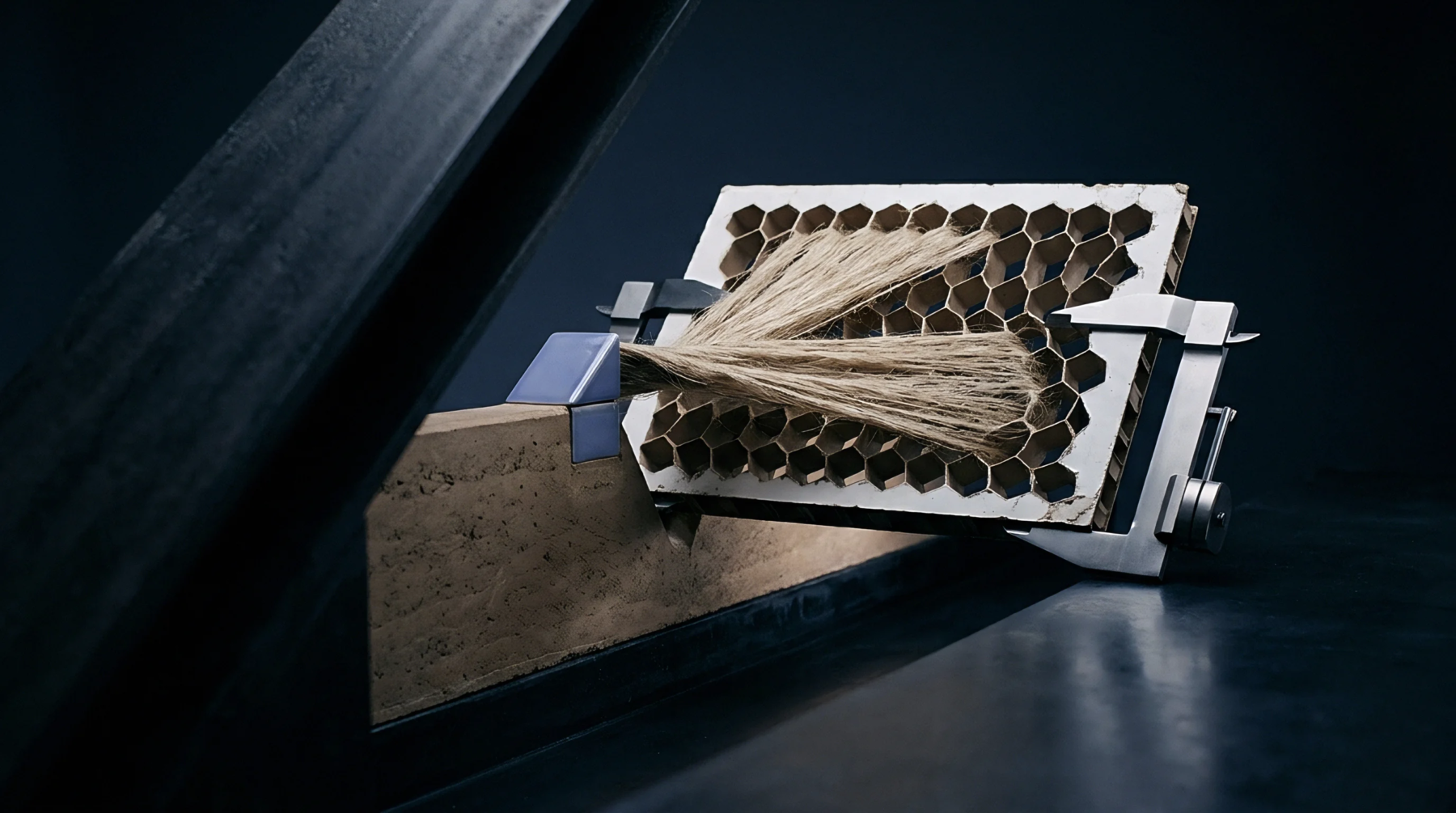
Optimal polyvinyl alcohol and starch size blends limit cyclic tensile stress decay in wet spun flax warp yarns below 15 percent, maximizing high-speed loom efficiency.
Expertise is a utility, not a secret. sentiention™ publishes its working knowledge as open reference: intelligence layer covering the materials it sources, the markets it enters, and the reference that serves both.