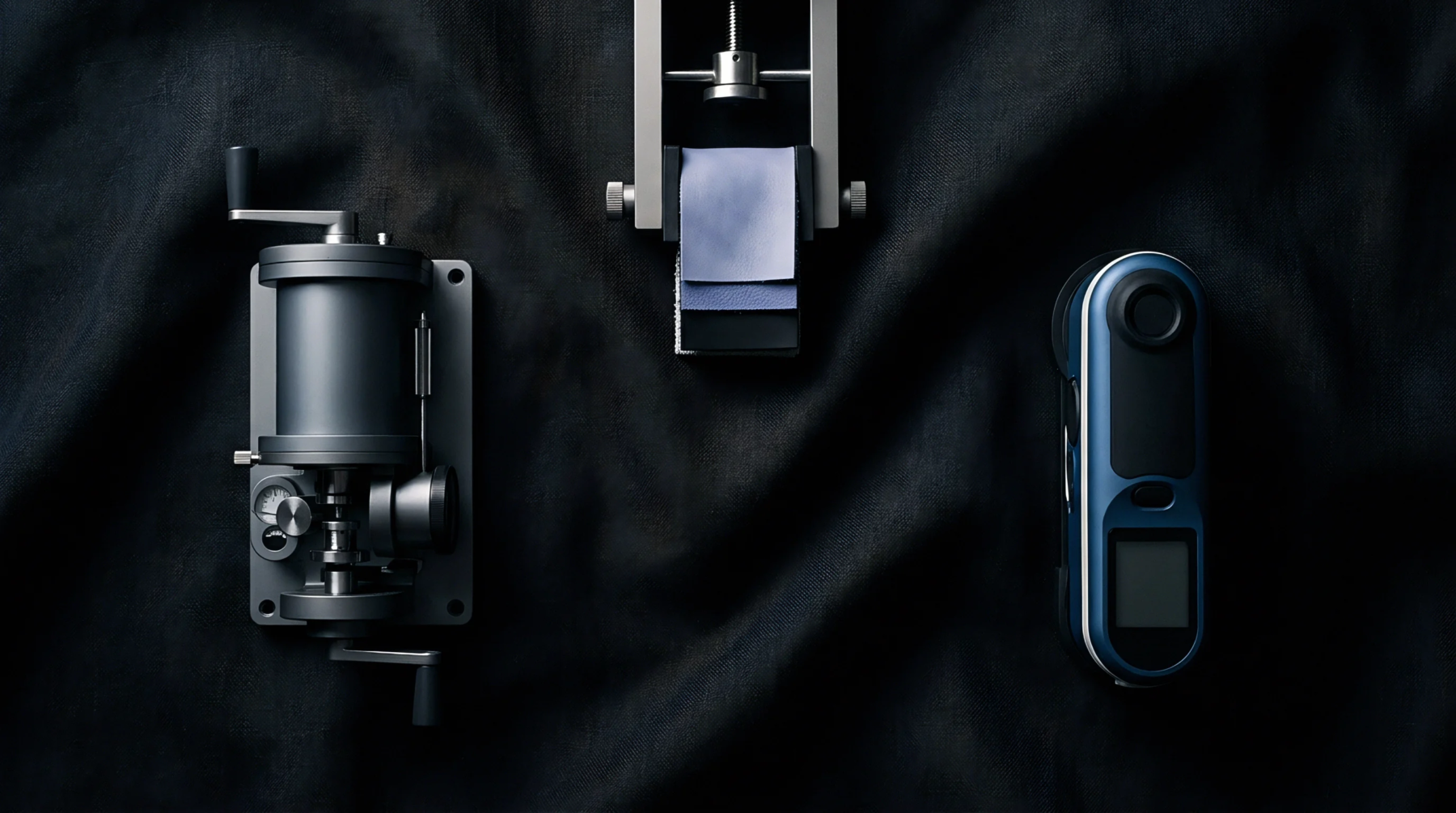
Tension Regulation
Mechanical management of warp supply controls the resistance offered by the beam as linen yarn progresses toward the shed. Loom let-off maintains precise force levels during the weaving cycle to ensure consistent fabric structure across the entire roll. Effective operation relies on a balance between friction brakes or electronic motors and the rotating beam mass.
Disruption in this mechanism results in irregular density or broken fibres within the finished cloth.
Operational Verification
Technical inspection of this function happens during the weaving stage before the grey fabric reaches the finishing house. Inspectors compare the tension profiles documented in production logs against the requirements set by the quality control department of the mill. These criteria differ from the fibre standards used at the spinning plant because fabric specifications demand uniformity in surface density rather than simple yarn tenacity.
Procurement teams rely on these records to confirm that the output meets the buyer acceptance standards agreed upon before shipping. Discrepancies in the logs indicate mechanical drift or poor calibration of the delivery system.
Production Boundary
Limits on this control influence the range of yarn counts that a factory processes on specific equipment. High tension settings prevent slack but increase the risk of snap for fragile flax varieties while low settings lead to baggy edges on the loom. Managers adjust these parameters to account for environmental fluctuations in humidity which change the elasticity of the flax fibres.
Consistent performance requires accurate synchronization between the warp delivery rate and the reed movement. Stable output depends on the ability of the hardware to compensate for the diminishing diameter of the warp beam as the supply depletes.