
Measuring Friction Coefficient Fluctuation in Wet Spun Flax Linen Warp Yarns
Dynamic friction coefficient spikes in wet spun flax warp yarns break loom efficiency by multiplying shedding tension past single strand tensile limits.
Dynamic friction coefficient spikes in wet spun flax warp yarns break loom efficiency by multiplying shedding tension past single strand tensile limits.

Optimize high-density flax by offsetting shed geometry and setting early heddle crossing to stagger beat-up force before cover limits induce fiber rupture.

Calculating reed denting occupancy and localized friction prevents tension spikes, warp stops, and reed mark defects in high-speed airjet weaving sheds.
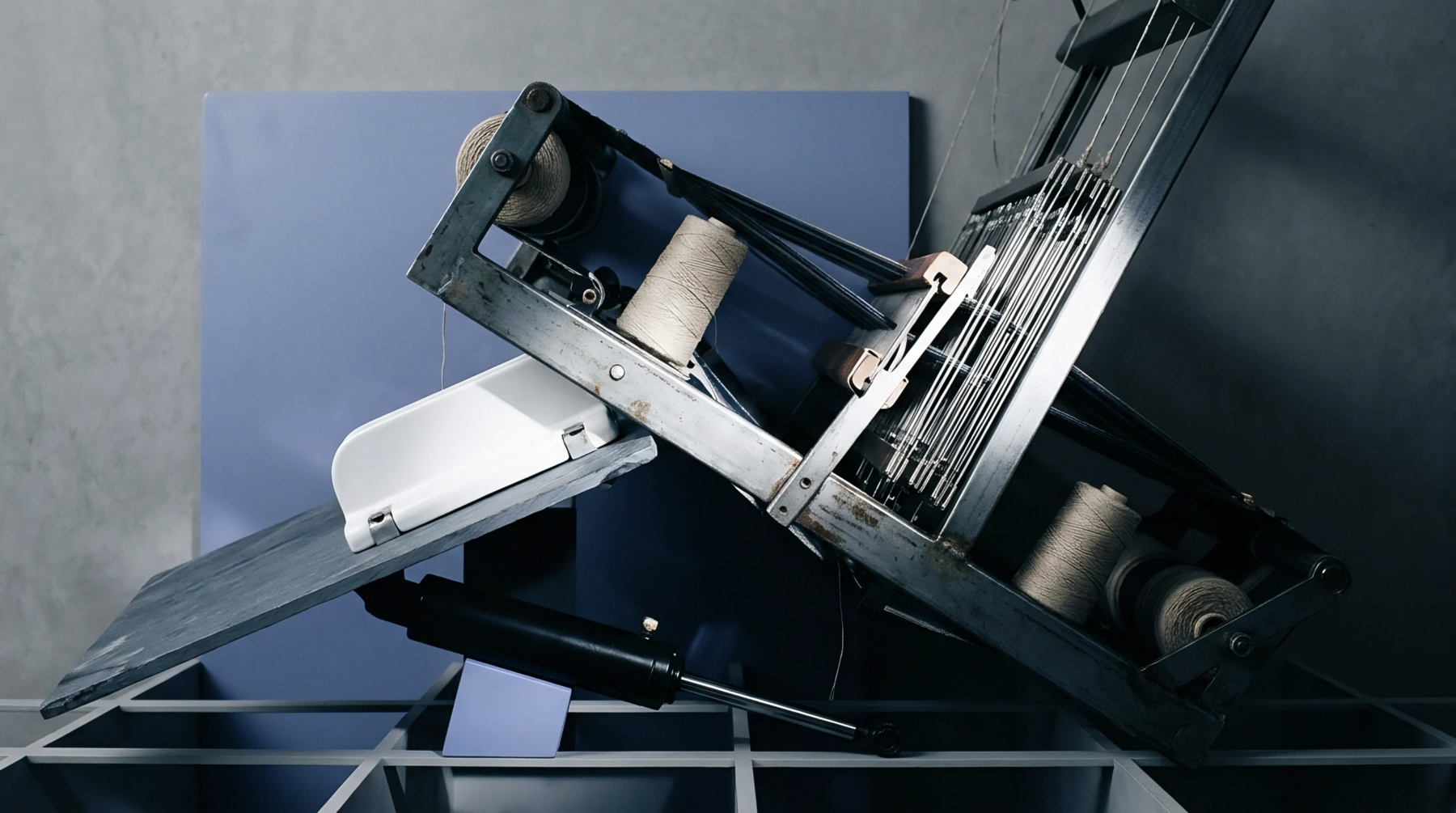
Dynamic pectin plasticization causes non-linear warp elongation in high-speed shedding, requiring precise humidity bounds and sizing chemistry to prevent breaks.

High-speed rapier shedding requires polar boundary lubricants in sizing to prevent heald eye wear and thermal film shear above six hundred picks per minute.

Active ease-off calibration couples positive mechanical linkages to shed timing, absorbing shedding peaks to keep low-extension flax warps below yarn break limits.

Optimizing temple grip and early shed timing minimizes flax yarn width contraction, securing finished width tolerances and reducing raw material cost per meter.

Calibrating inter-elementary pectin matrix cohesive parameters against dynamic loom tension spikes prevents shear failure in ultrafine wet spun linen.

Optimizing modified starch PVA acrylic sizing formulations combined with staggered early shedding suppresses friction spikes and stabilizes fine wet spun linen warps.

Adjusting rear shed depth and backrest symmetry flattens peak shedding tension spikes below yarn failure limits, drastically improving high-density linen loom efficiency.
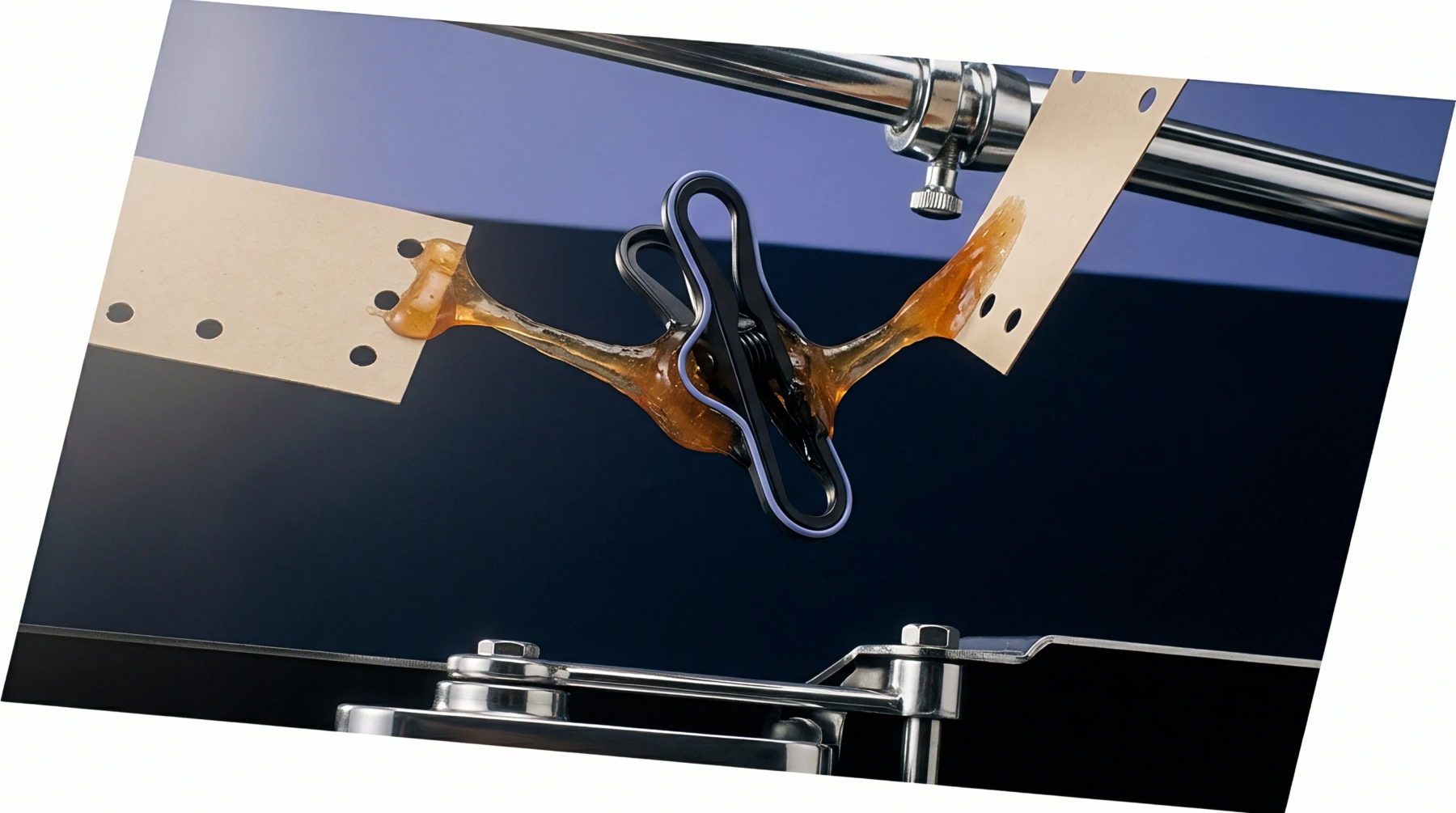
Microfibrillar realignment under shear dictates linen dimensional stability, demanding controlled loom tension and zero-tension wet relaxation to prevent skewing.
Expertise is a utility, not a secret. sentiention™ publishes its working knowledge as open reference: intelligence layer covering the materials it sources, the markets it enters, and the reference that serves both.