Structural Integrity
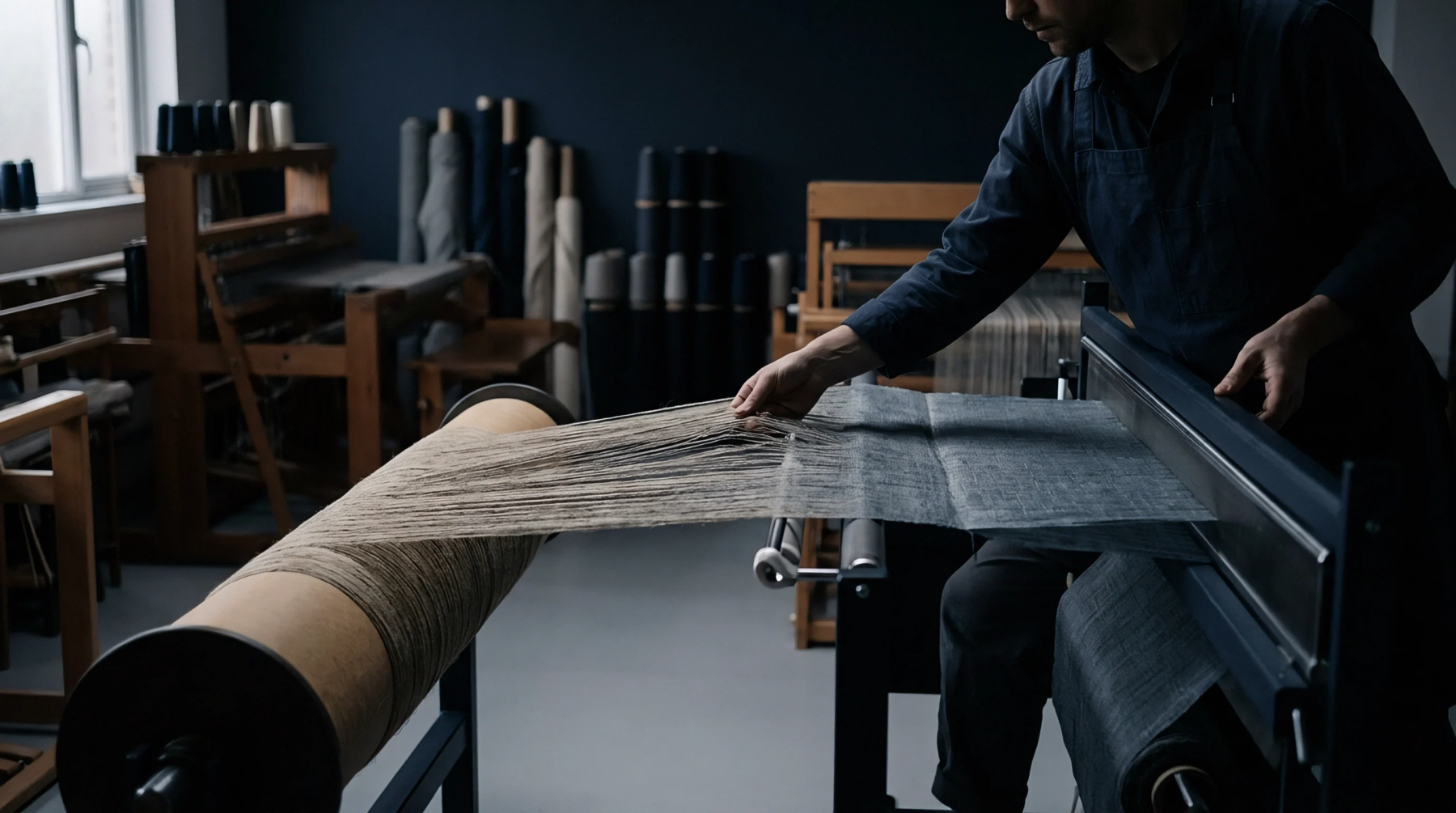
Modern weaving mills record warp end breaks during the sizing and loom shedding phases of flax fabric production to measure yarn resilience. This specific metric quantifies the frequency of longitudinal yarn fractures per thousand picks across a designated length of woven cloth. Mechanical tension during shedding exerts friction on dry cellulose fibers, causing weak sections of the yarn to snap before the shuttle passes.
Inspectors log these occurrences on the daily loom performance sheet to determine whether the yarn batch meets commercial grade thresholds. The measurement ceases once the loom beam empties, shifting the evaluation focus from yarn integrity to finished fabric inspection.
Tension Coefficient
Loom operators calculate tension values by dividing the frequency of broken filaments by the total operational hours of the machinery. High humidity inside the weaving shed reduces yarn brittleness, lowering the fracture rate during the insertion of horizontal picks. Mills maintain strict environmental controls because dry air causes flax fibers to shed lint and separate under repetitive stress.
Buyers review these operational logs to verify that the manufactured cloth satisfies density requirements specified in the export contract.
Quality Threshold
Commercial export agreements define the maximum allowable fracture density per square metre before a fabric roll suffers a price penalty or total rejection. Internal mill standards often demand higher precision than the minimum acceptance criteria established by foreign purchasers. Technicians trace chronic snapping patterns back to the spinning stage to correct uneven twist distributions in the raw flax supply.
Final shipping documents record the verified break count to protect both parties against delivery disputes regarding structural defects in the textile export.