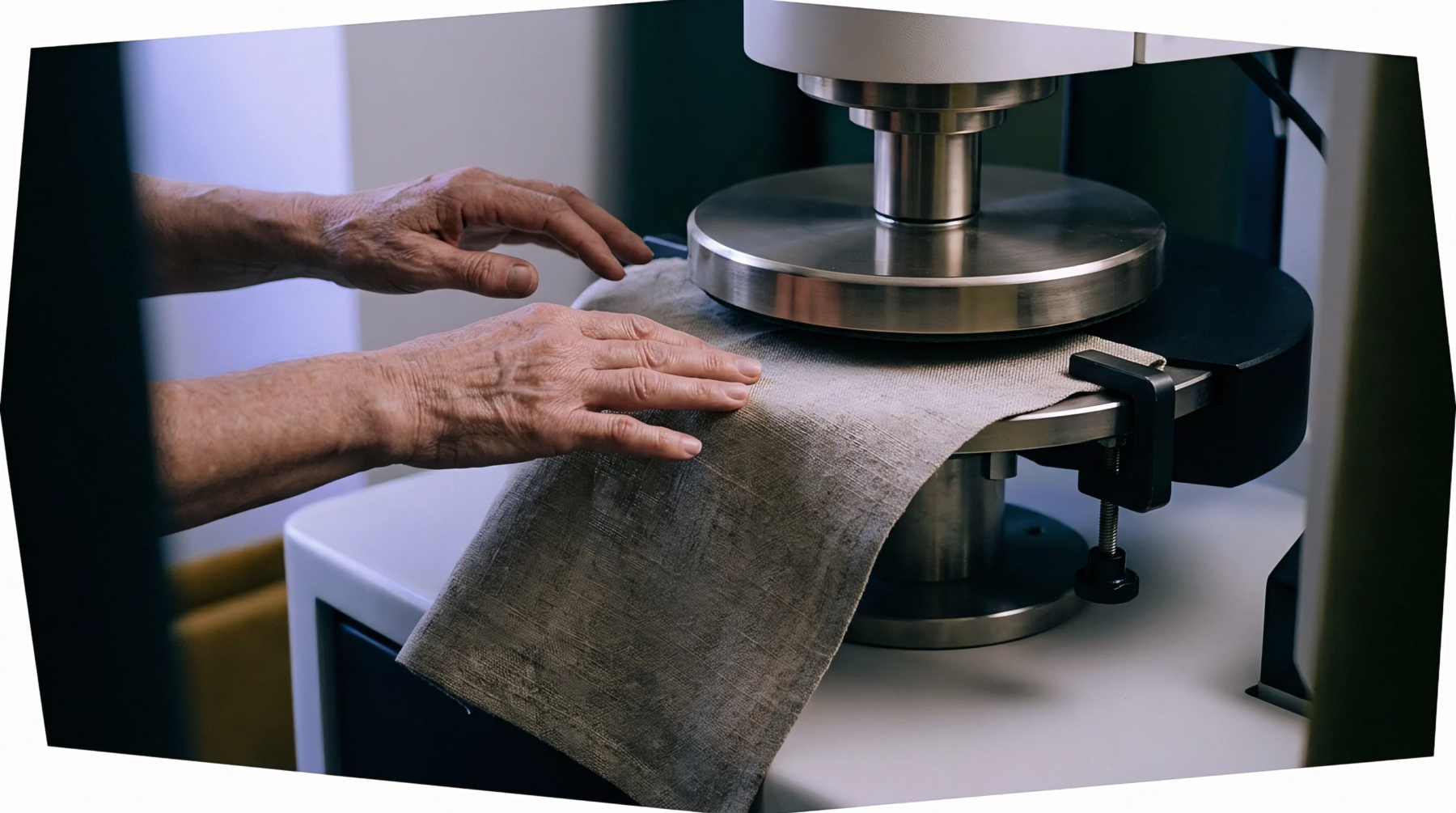
Pneumatic Actuation
Pneumatic actuation speed determines how rapidly a flax roving frame adjusts internal pressure during drafting operations. Solenoid valve response directly dictates the transit time of compressed air within the pneumatic cylinders governing roller pressure. Mill operators monitor this pneumatic latency closely during high speed spinning runs to maintain consistent yarn tension across all spindles.
Delayed air exchange creates draft slippage and uneven fiber mass distribution along the yarn strand.
Dynamic Calibration
Rapid cycling tests measure the exact millisecond delay between electrical signal transmission and spool displacement within the pneumatic control manifold. Technicians record pressure transducer outputs on digital oscilloscopes to plot the specific activation curve during routine maintenance checks. Friction accumulation inside the valve housing gradually extends actuation times beyond acceptable tolerance levels set by export quality manuals.
Replacement schedules rely strictly on these measured latency thresholds rather than running hours alone.
Production Quality
Yarn breaking strength depends directly on stable drafting pressure maintained throughout continuous flax spinning shifts. Sudden pressure drops cause localized thick spots in the yarn that fail subsequent commercial strength audits conducted prior to fabric weaving. Precise pneumatic control prevents these mass irregularities before the raw material reaches the sizing and finishing departments.
Stable drafting dynamics ultimately ensure that exported linen textiles meet stringent international buyer specifications for tensile uniformity.