
Correlating Hackling Pin Geometry with Elementary Fibre Splitting and Roving Linear Density
Hackling pin tip radius and pitch dictate elementary fibre splitting fineness, directly establishing the minimum achievable roving linear density.
Hackling pin tip radius and pitch dictate elementary fibre splitting fineness, directly establishing the minimum achievable roving linear density.

Standardising optical segmentation parameters prevents cross-sectional area errors from biasing flax fibre fineness ratings and wet-spinning yield forecasts.
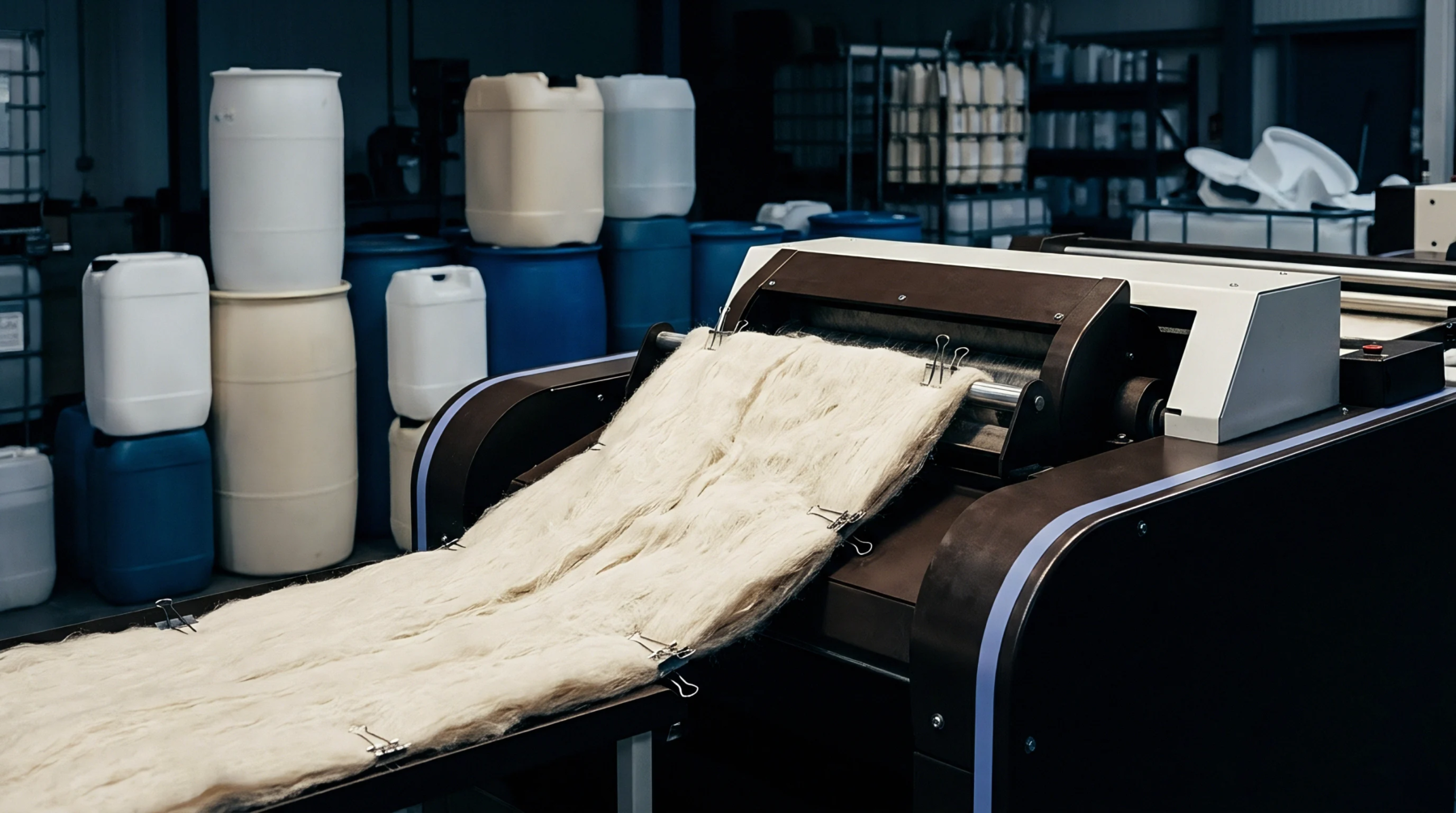
Calibrating machine learning optical flax fineness against ISO 2370 gravimetric mass prevents costly spinning frame downtime and yarn count miscalculations.

Digital cross-sectional geometry quantifies solid cell wall area excluding lumen voids to accurately predict flax fibre tex and spinnable yarn count limits.

Optimizing wet spinning trough bath temperature and pH shifts middle lamella pectin into a controlled viscoelastic slip state to increase spinnable yarn count.

Multi-variance yield formulae protect bast fiber contracts by adjusting landed mass for moisture, shive content, tow waste, and bundle tenacity degradation.

Degraded bast fiber pectin weakens intercellular bonding, accelerating inter-bundle micro-slippage and dynamic fatigue failure under cyclic loading.
Reconciling hackling yield requires bone-dry mass baseline tracking and tow credit offsets to establish true landed costs for line yarn spinning.

Blended flax tow wet spinning keeps end breakage below fifteen stops per thousand spindle hours through precise bath temperature and matched break draft ratios.

Airflow instruments underestimate blended bast fibre linear density by up to thirty percent due to non-circular perimeters and lumen void fractions.

Hydrodynamic drag in wet spinning troughs shears microfibrillar dislocation zones in bast fibers, requiring precise trough temperature and speed limits to maintain wet tenacity.
Hermans orientation factor screening via wide-angle diffraction isolates high-tenacity scutched flax lots before hackling, protecting wet-spun yarn yield.
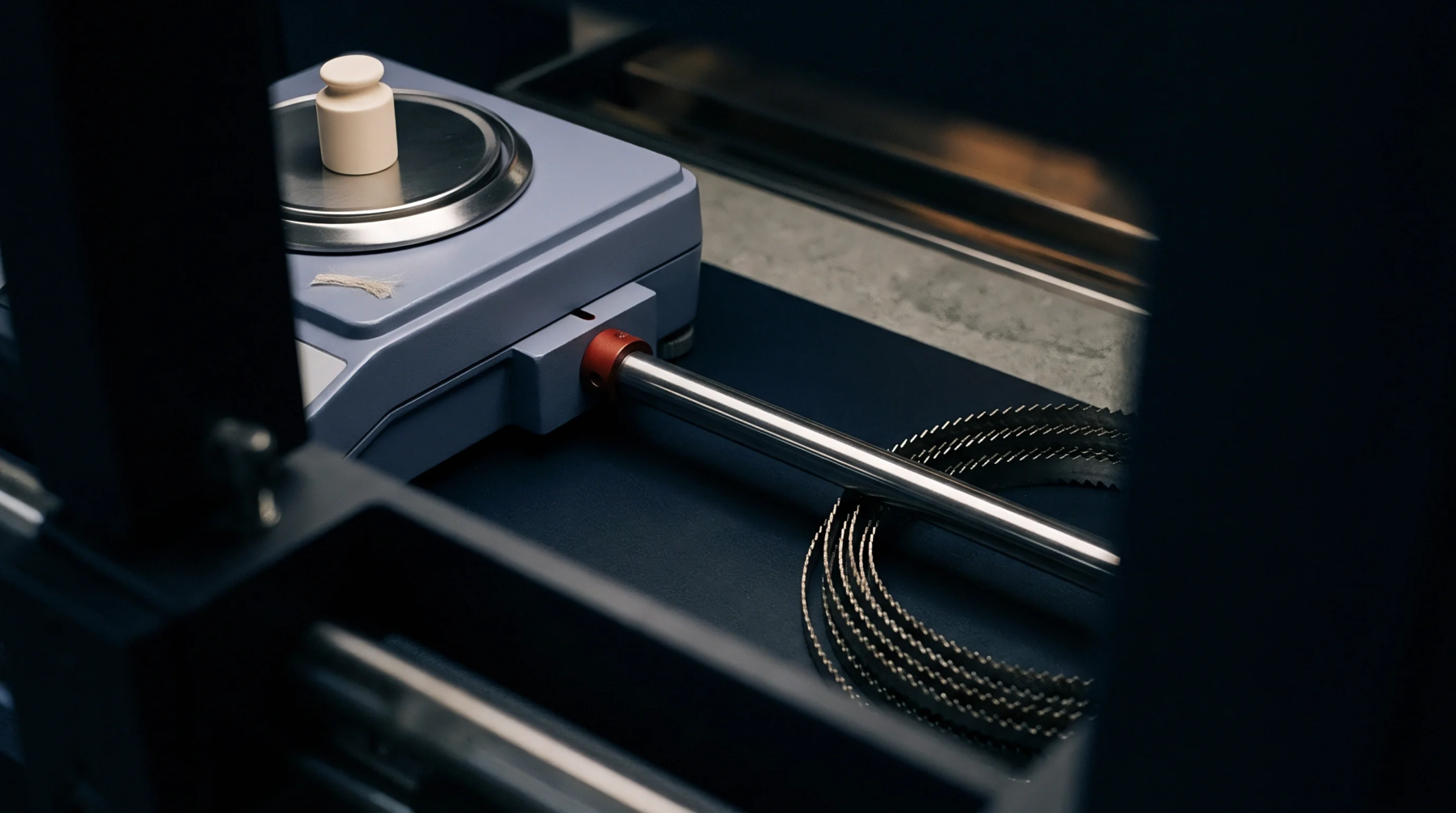
Dynamic thermogravimetric calibration isolates non-cellulosic degradation in bast yarns to prevent thermal mass loss during high-temperature composite processing.

Determining commercial moisture regain in raw scutched flax uses 105 degree Celsius oven drying to adjust invoice mass to the standard 12 percent regain.
Determining secondary cell wall microfibril angles via wide-angle X-ray diffraction sets the physical tenacity limit for wet-spun flax yarn.

Calcium pectate cross-linking governs middle lamella cohesion during hot wet drafting, directly dictating inter-fiber slip resistance and yarn count stability.

Epicuticular lipid mass fractions between 1.3 and 2.1 percent preserve hackled line yields by moderating pin friction during bundle cleaving.
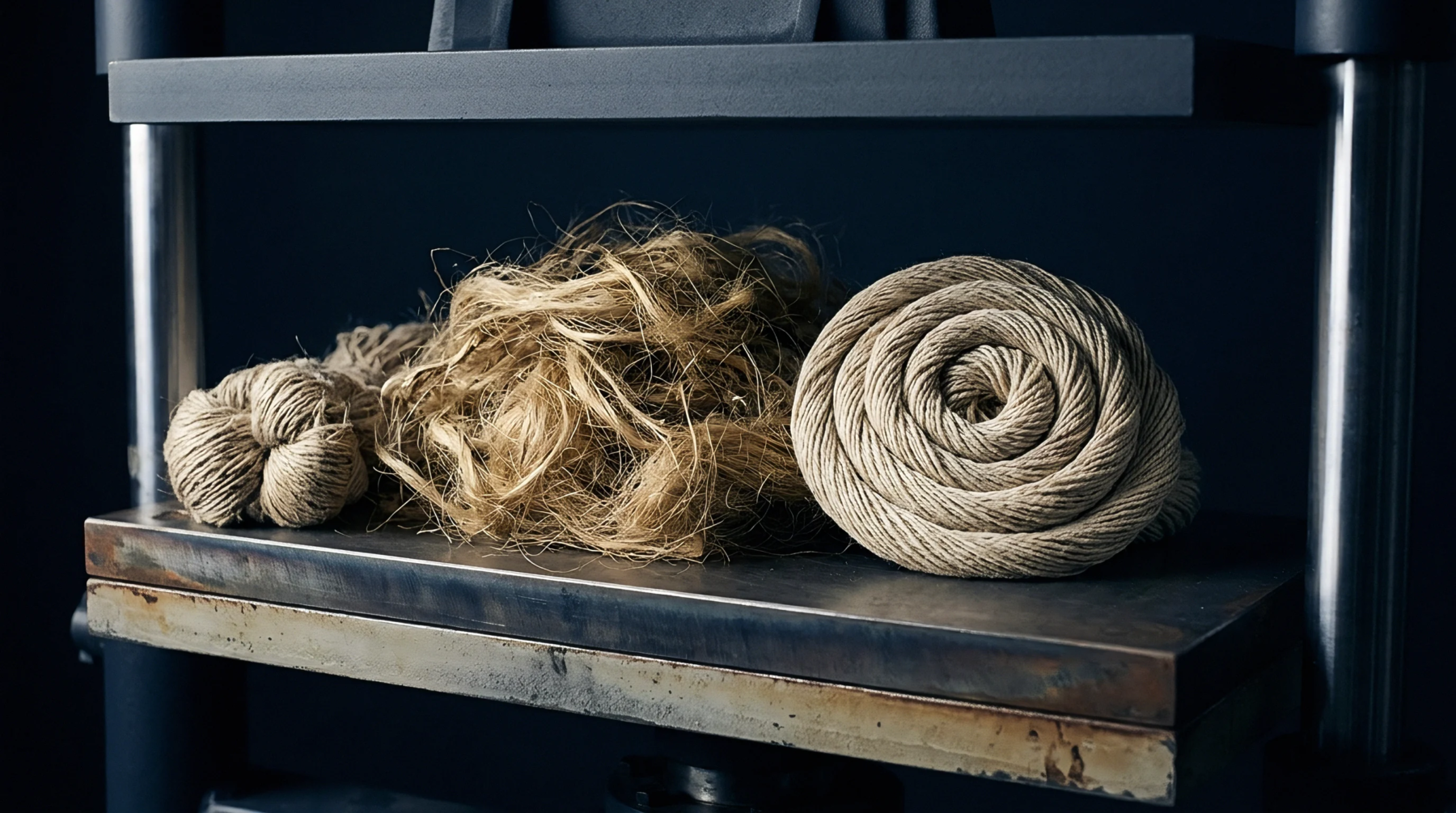
Gravimetric cut-and-weigh analysis of hackled flax sliver prevents catastrophic wet-spinning frame breaks and costly fabric rejection in fine counts above Nm 60.
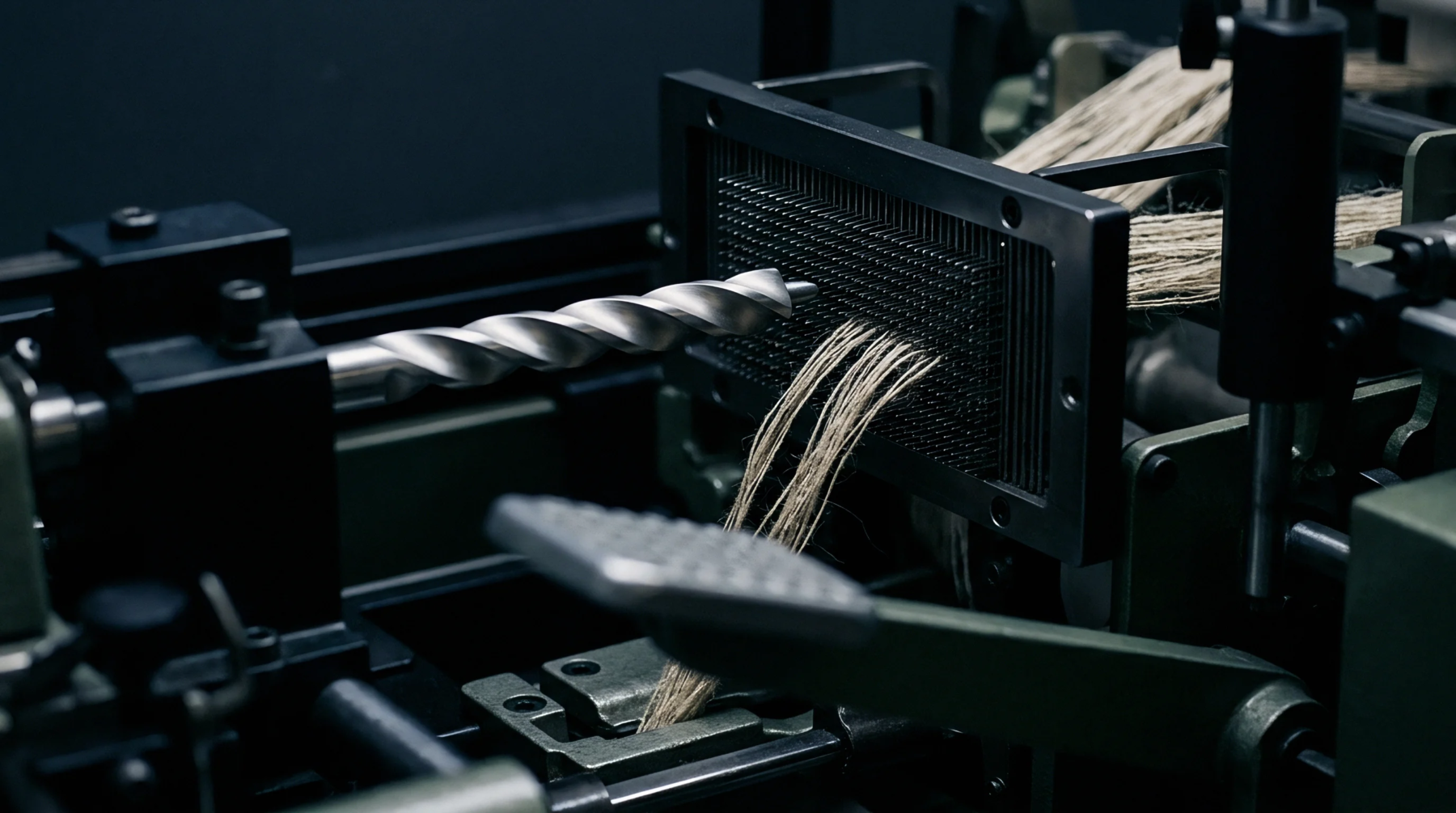
Scutched flax hackling requires progressive pin densities up to 20 pins/cm to maximize sliver tenacity without increasing tow loss or cutting fiber length.

Thermodynamic moisture regain and internal porosity skew bast linear density; true tex demands oven-dry cut-and-weigh testing plus standard commercial allowance.

Airflow porosimetry on cut bast stricks determines bundle fineness and spinnable count by measuring differential pressure across an isotropic chopped plug.
Expertise is a utility, not a secret. sentiention™ publishes its working knowledge as open reference: intelligence layer covering the materials it sources, the markets it enters, and the reference that serves both.