Rheological Response
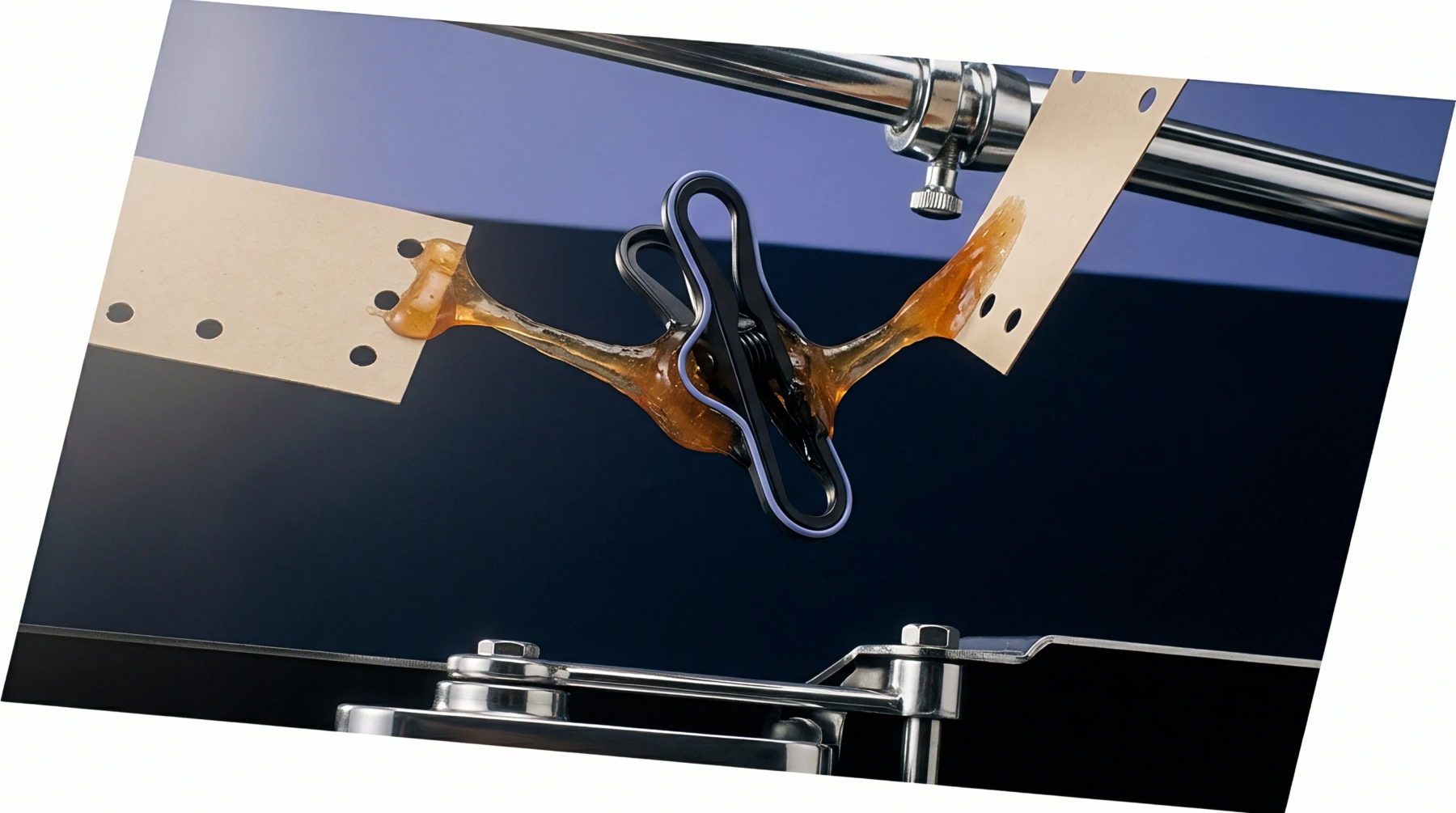
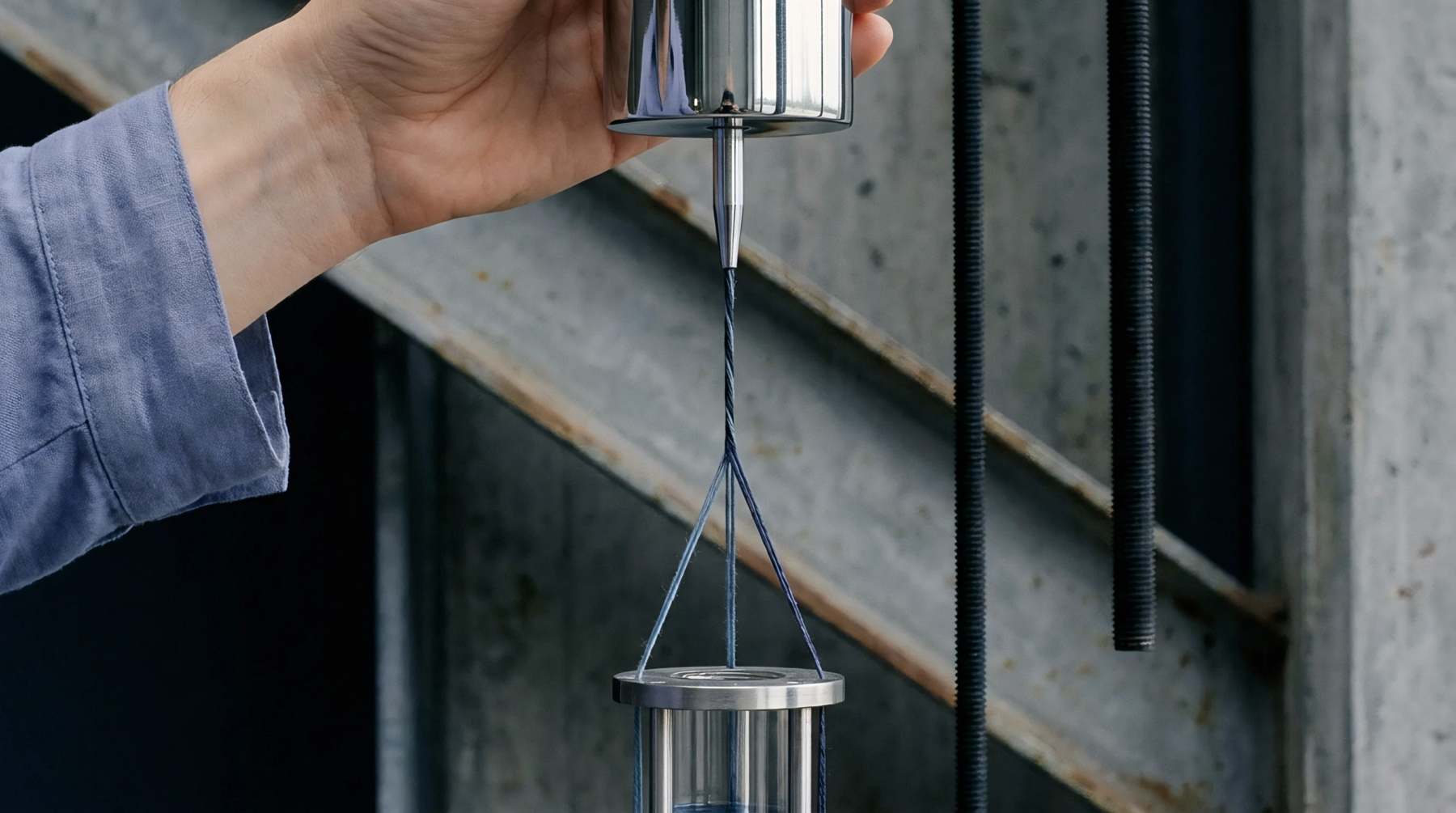
Thermal testing evaluates how linen yarn samples store or dissipate mechanical energy under cyclic sinusoidal shear deformation. Dynamic mechanical analysis measures the resulting storage modulus and loss modulus across a specified temperature ramp inside the conditioning chamber of a spinning mill. High frequency oscillations applied to flax filaments reveal internal molecular friction before yarn passes to the sizing frame.
Instrument software records the phase lag between stress and strain parameters to separate elastic recovery from viscous flow in untreated hackled tow.
Fiber Viscoelasticity
Polymer chain mobility within cellulose microfibrils determines how wet-spun linen handles high speed drafting rollers during the drawing phase. Temperature sweeps expose softening points where crystalline regions begin sliding past amorphous domains under tension. Moisture content alters the glass transition range, shifting peak damping values downward as ambient humidity increases inside the wet preparation hall.
Technicians track the tangent delta ratio to locate thermal degradation thresholds before bleaching agents weaken the raw botanical structure.
Damping Factor
Energy dissipation efficiency governs how finished cambric retains crease resistance after repeated industrial laundering cycles. Mechanical loss peaks correspond to structural relaxation events occurring within the linen weave during final calendering operations. Testing protocols restrict acceptable damping values within tight engineering tolerances to prevent excessive fabric limpness during export packing.
Final product classification relies upon this oscillatory response profile to certify commercial grade stability for high end apparel markets.