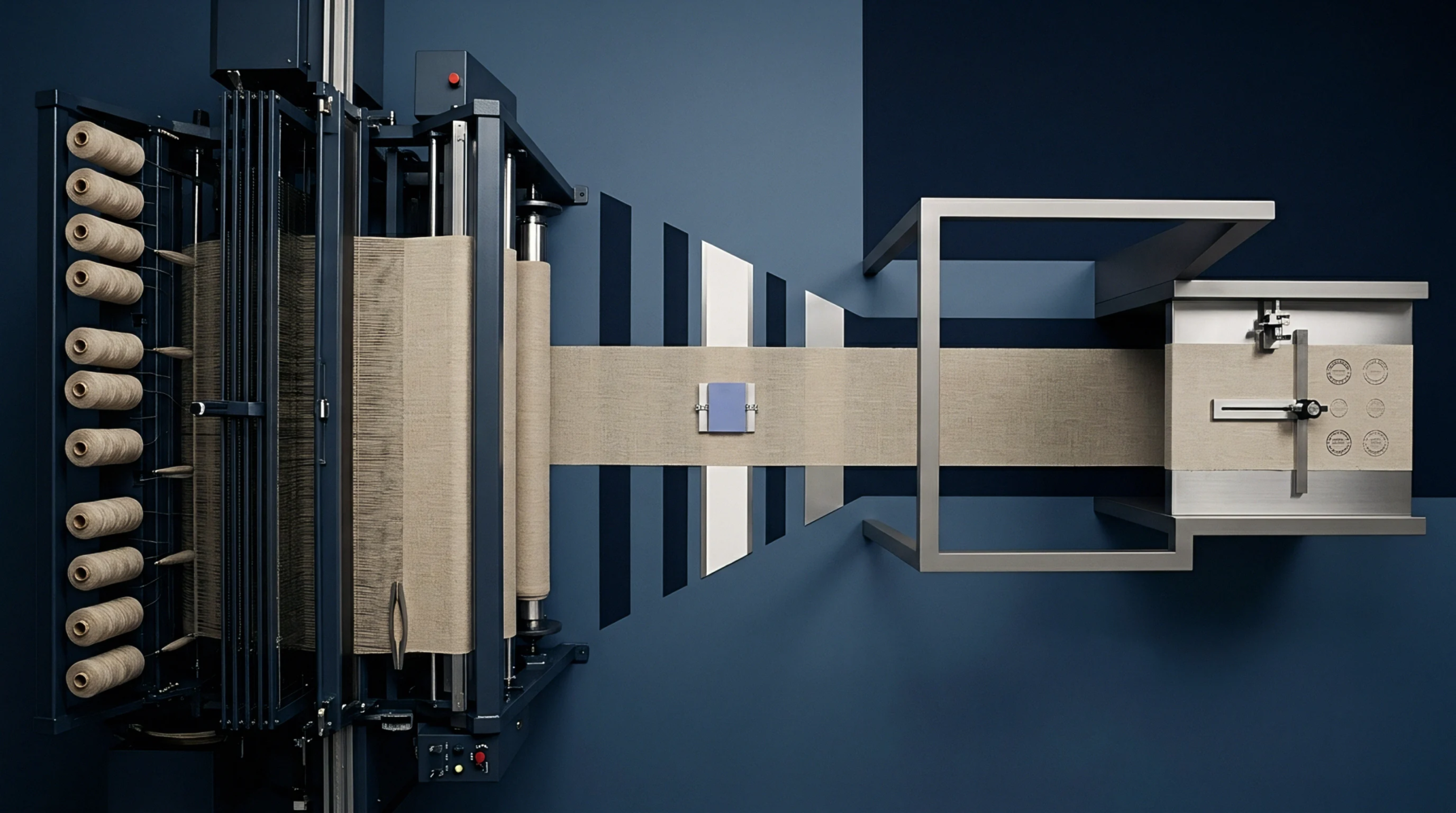
Optimizing Wet Spinning Trough Parameters for Fine Linen Yarns
Fine linen wet spinning demands trough water at 65 to 75 degrees Celsius with controlled surfactants to dissolve middle lamella pectins before the drafting nip.
Fine linen wet spinning demands trough water at 65 to 75 degrees Celsius with controlled surfactants to dissolve middle lamella pectins before the drafting nip.
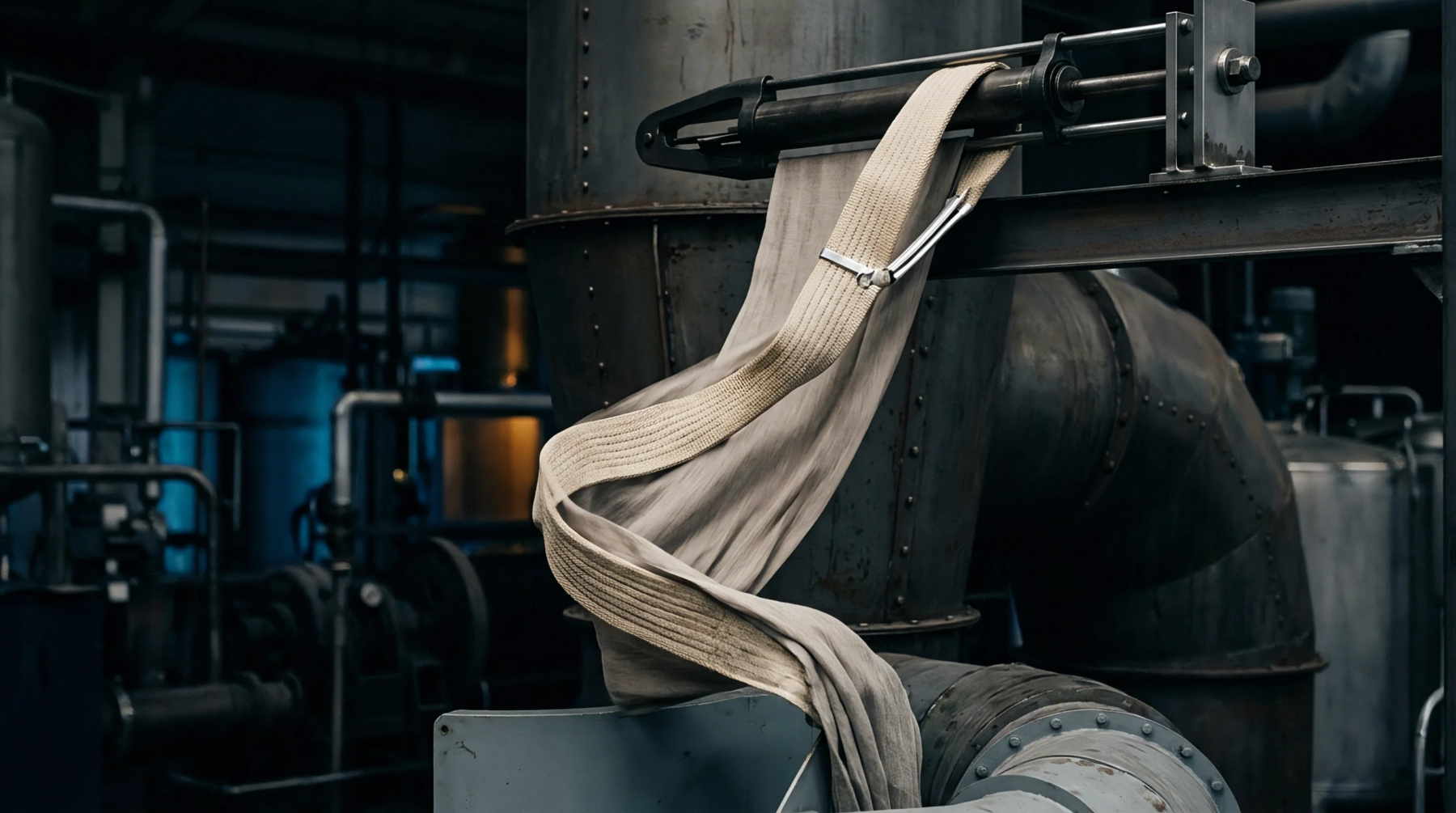
Origin audits reconcile scutched flax inputs to spun yarn outputs by calculating moisture regain, mechanical hackling yields, and wet bath pectin losses.
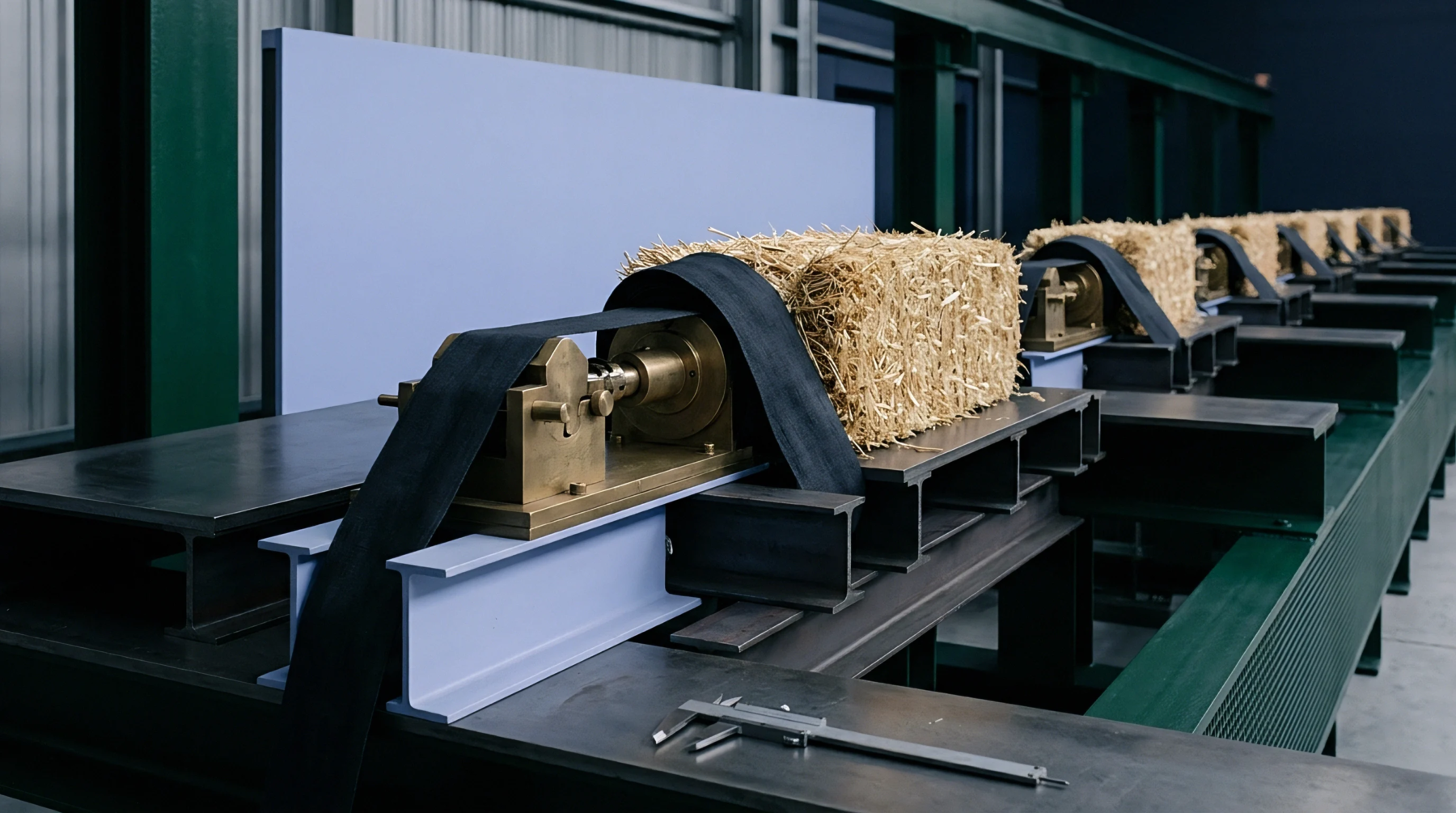
Optimizing hackling pin density and wet-spinning trough temperature stabilizes draft forces, reducing bast yarn end breakage below fifteen breaks per thousand spindle hours.
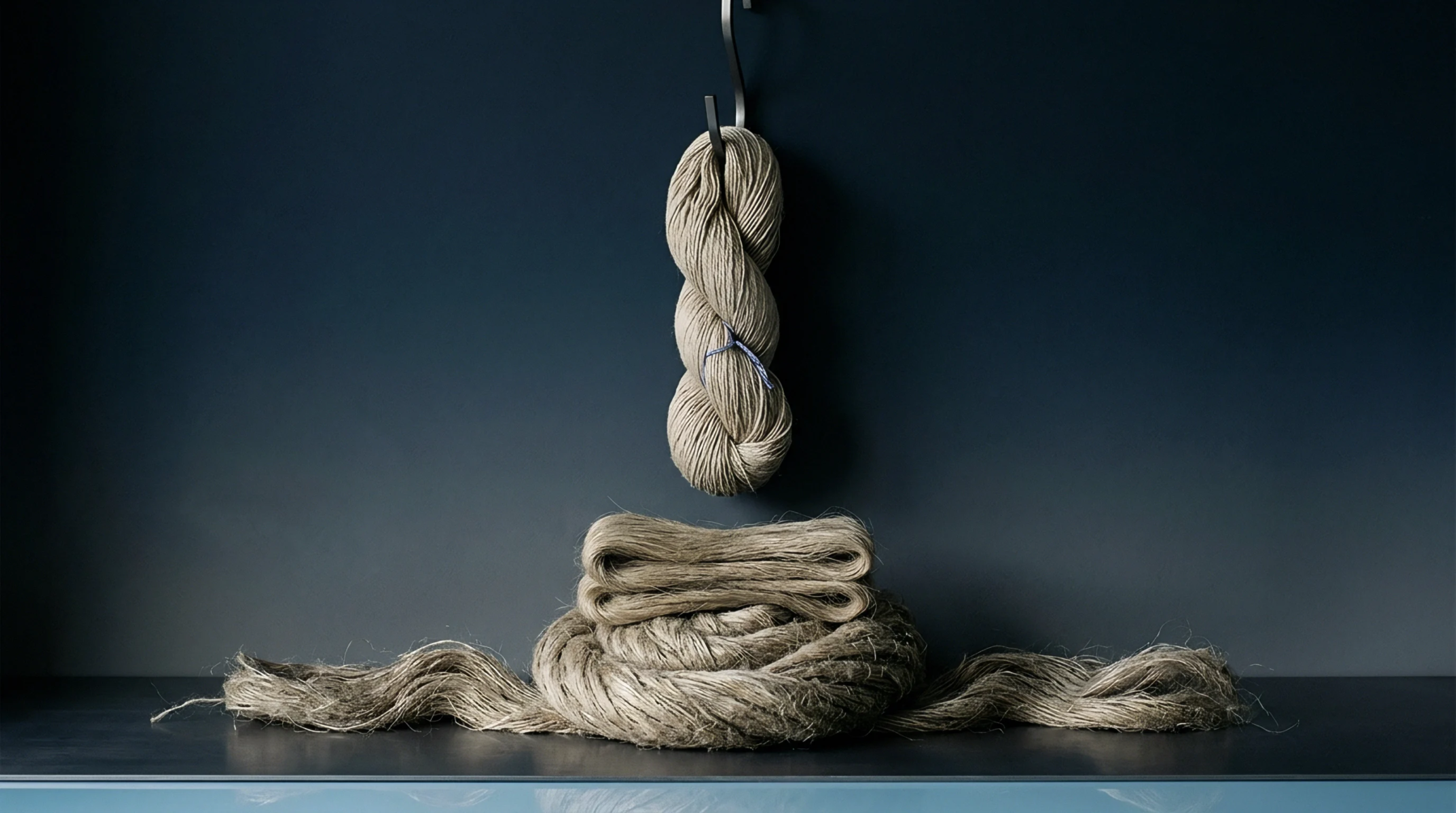
Fine wet-spun flax yarn tenacity depends on controlled pectin softening in the trough, allowing technical bundles to divide into fine elementary cells during draft.
Evaluating wet-spun flax sliver linear density requires combining ten-metre cut-and-weigh gravimetric tests with conditioned capacitance spectrogram analysis.
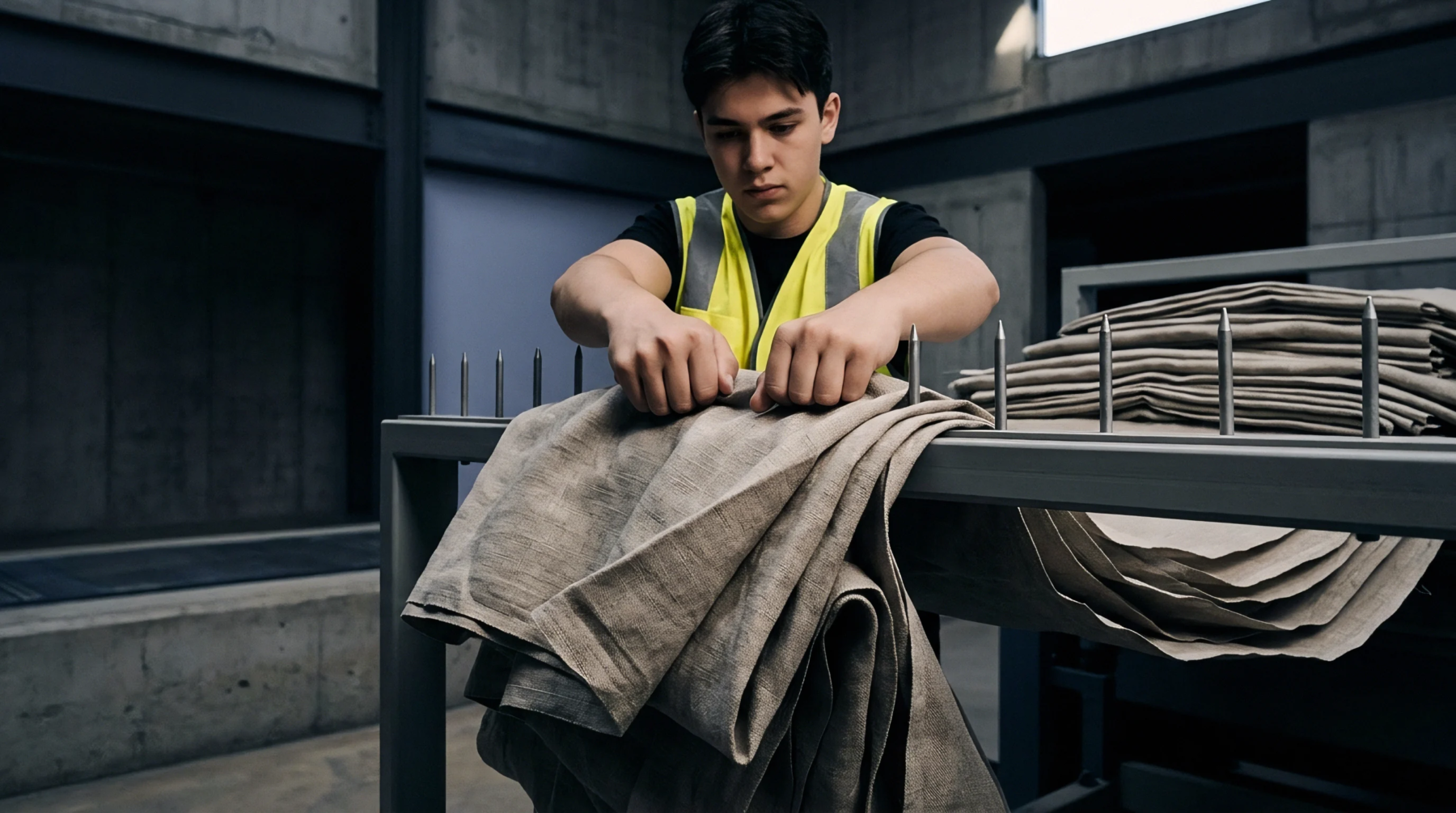
Reconciling wet spinning transaction weights requires adjusting bone-dry mass for 1.8 to 4.2 percent solubilized pectin loss measured via ISO 1833-22 extraction.
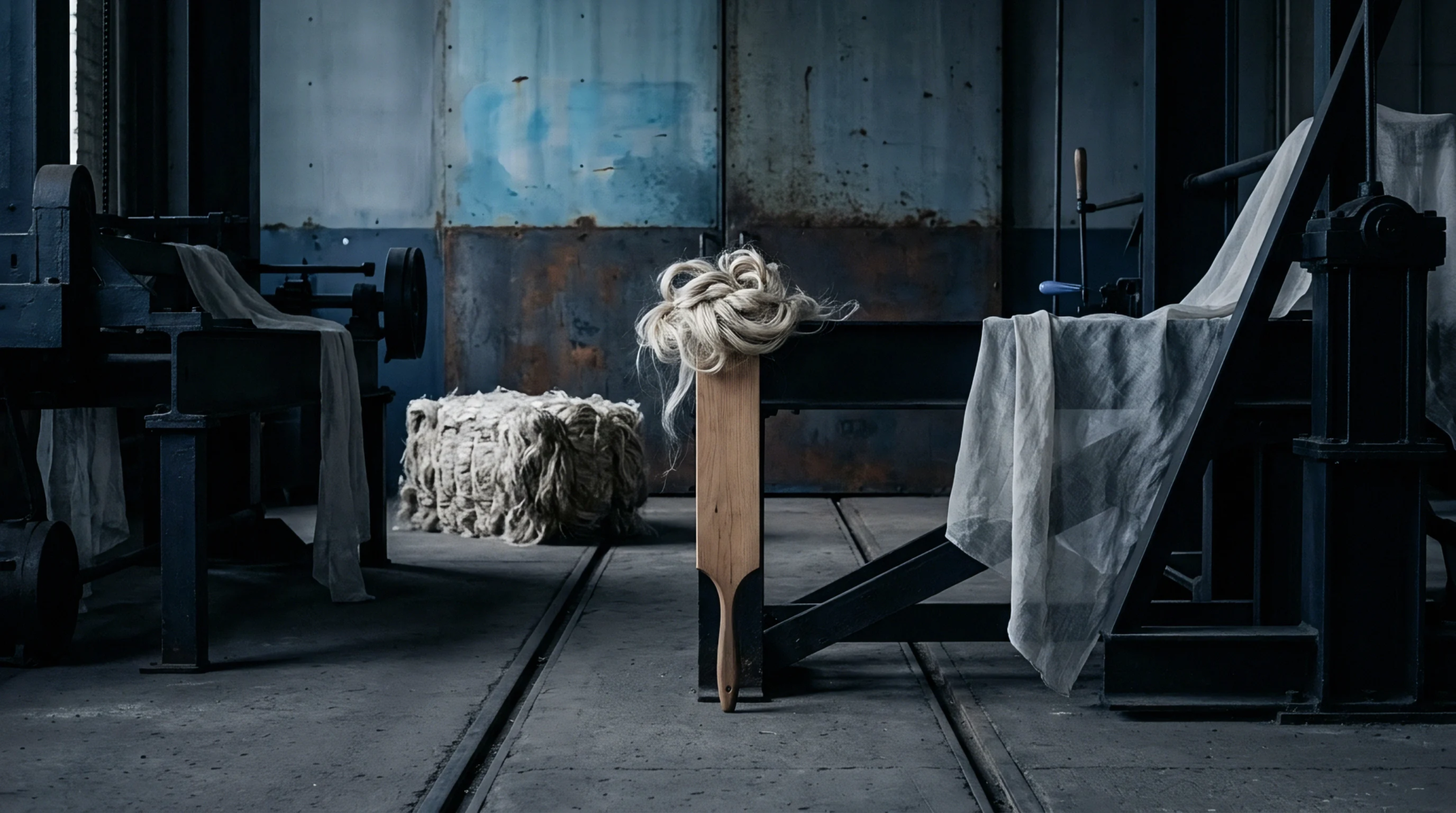
Accurate mass accounting in wet flax spinning requires deducting 3.5% solubilized pectin and micro-fiber sludge from dry input weights to verify yarn origin claims.
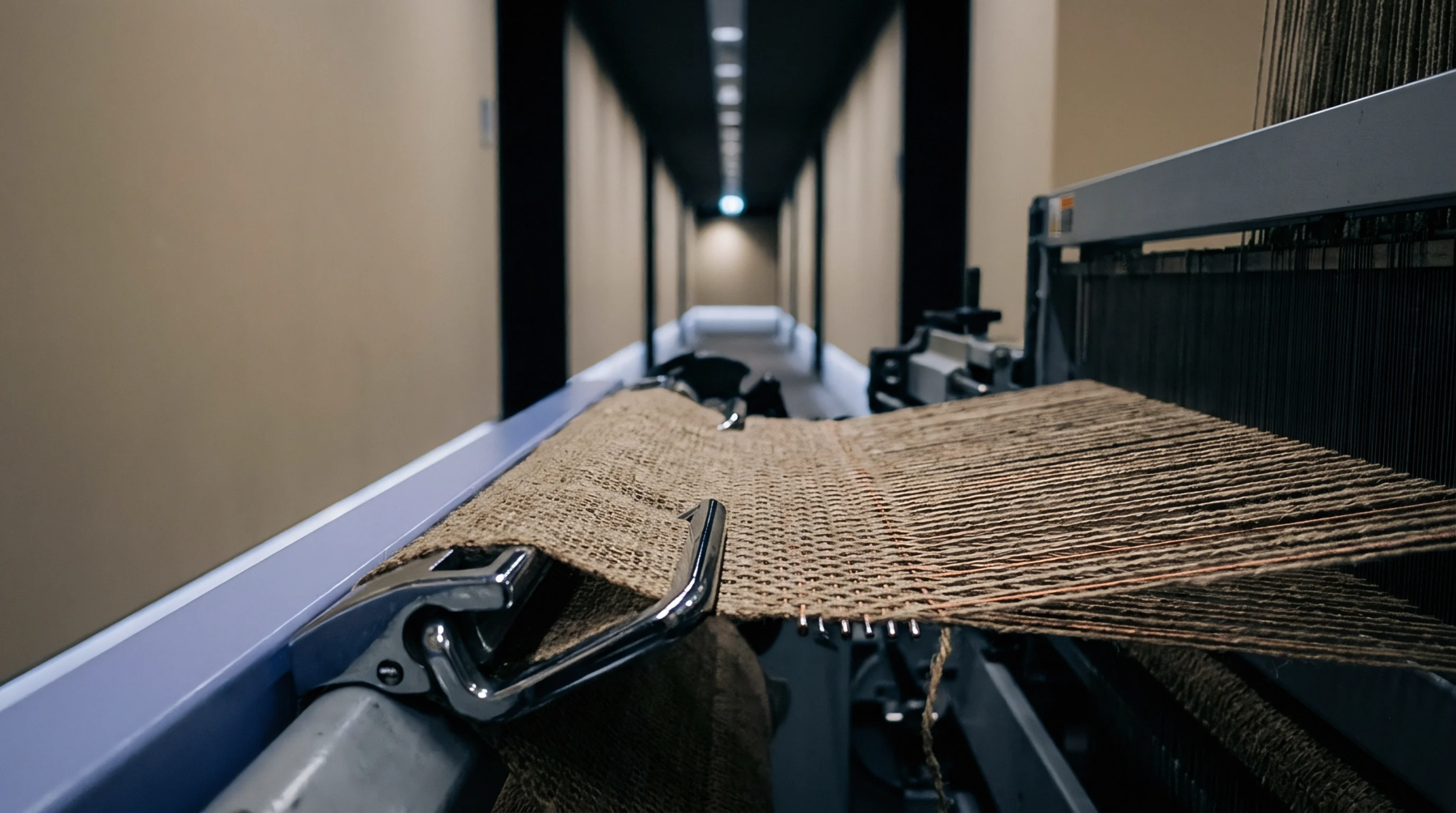
Metric fibre number defines wet-spun line yarn limits by establishing the minimum cross-sectional elementary fibre count required to sustain drafting tension.
Expertise is a utility, not a secret. sentiention™ publishes its working knowledge as open reference: intelligence layer covering the materials it sources, the markets it enters, and the reference that serves both.