Spinning Metric
The mechanical stability of wet-spun flax roving on a ring frame receives continuous numerical evaluation through the end breakage rate during daily mill production. Supervisors record every yarn rupture on the production floor to calculate the frequency of breaks per one hundred spindle hours. This specific statistic belongs strictly to the spinning stage within the Chinese linen manufacturing process.
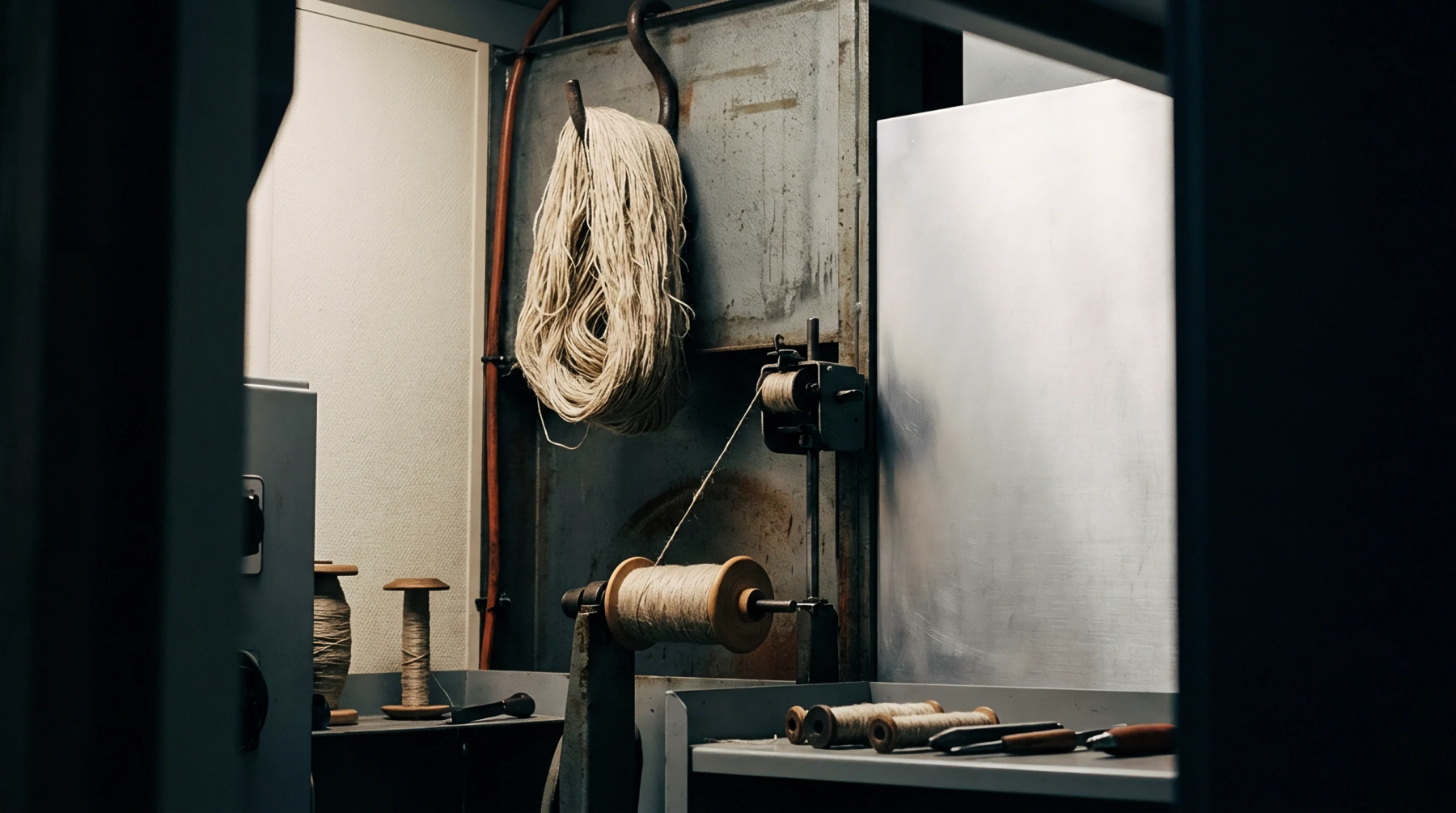
Raw flax fibre preparation produces roving that subsequently undergoes drafting, twisting and winding on mechanical frames. Spindle speed, pneumatic suction pressure and ambient relative humidity jointly govern the physical frequency of yarn breaks on the factory floor. High humidity prevents excessive static electricity and preserves moisture inside the flax cellulose, which reduces snapping during high-speed drafting.
Operators measure the resulting frequency against internal mill benchmarks rather than external export standards. When mechanical tension exceeds the tensile strength of the wet flax sliver, structural failure occurs immediately at the front rollers. Lowering the frame speed decreases downtime but reduces total factory output.
Quality Ledger
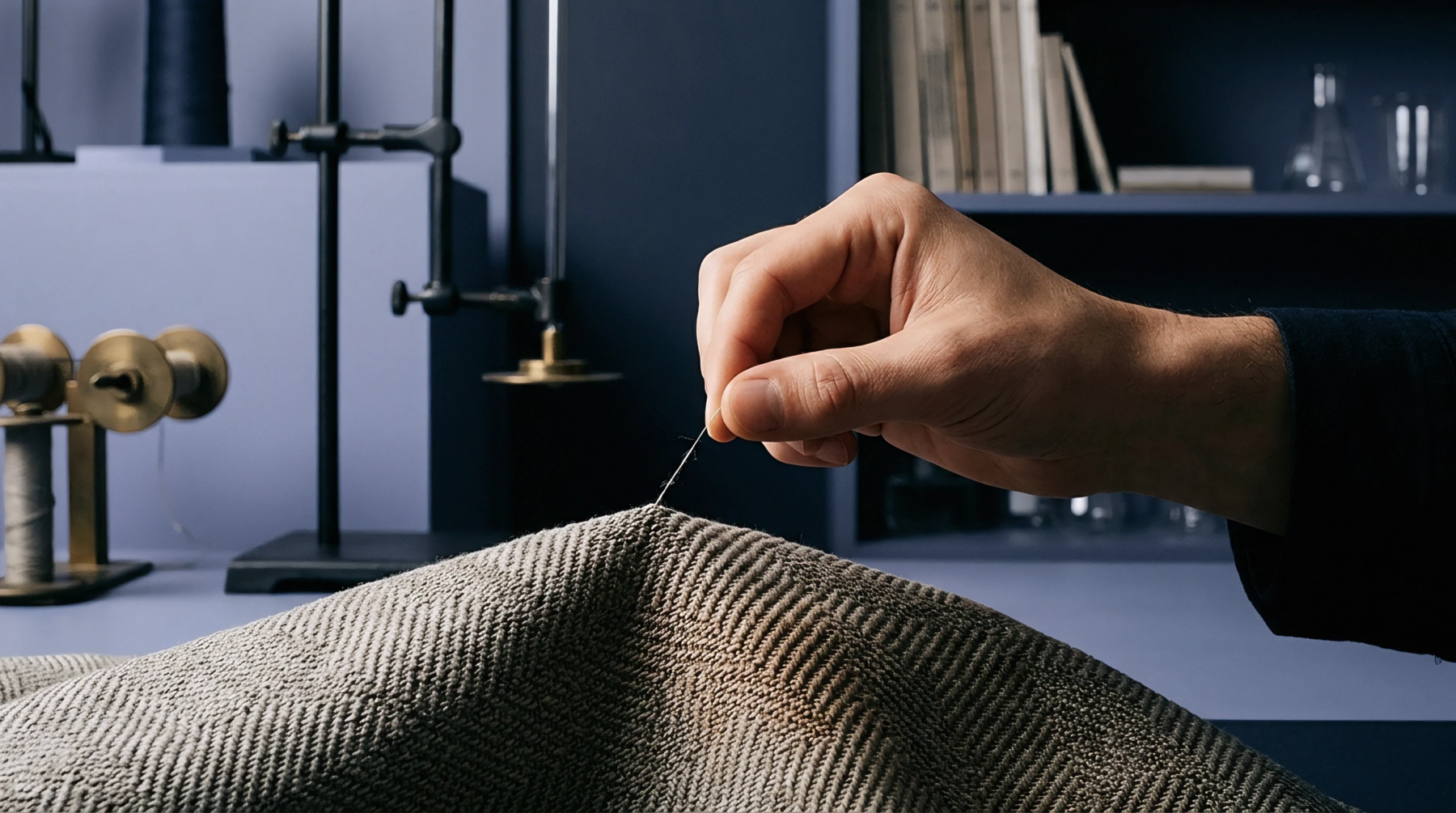
Daily shift reports compiled by floor technicians document yarn rupture totals for every operational spinning frame in the factory. Mill management utilizes these written records to separate inherent flax fibre defects from mechanical calibration errors. Variations in natural plant maturity alter the tensile strength of individual flax lots, which changes the frequency of operational interruptions during drafting.
A high rupture frequency indicates poor preparation in earlier hackling operations rather than operator error on the spinning floor. The internal mill standard permits a specific number of breaks per shift before halting production for mechanical adjustment. Buyer acceptance criteria evaluate finished woven cloth rather than intermediate spinning performance, meaning this metric remains invisible on export shipping documents.
Fabric grades depend exclusively upon yarn density, surface regularity and post-weave finishing defects, whereas intermediate spinning metrics govern internal efficiency alone.
Tension Threshold
Excessive mechanical tension during drafting creates a distinct operating boundary where yarn breakage escalates rapidly and halts production. Mill engineers calibrate ring frames to operate just below this critical stress ceiling to maximize output without causing frequent machine stoppages. Natural variations in flax raw material require constant supervision because dry weather during plant growth weakens the cellulose structure.
Operators adjust traveller weight and ring rail speed whenever fibre lots change to maintain acceptable breakage frequencies during spinning. Modern Chinese mills track these operational adjustments digitally to ensure consistent yarn output across consecutive production shifts. Mechanical stability during wet spinning determines whether the resulting linen yarn meets the minimum tensile requirements for subsequent weaving operations.