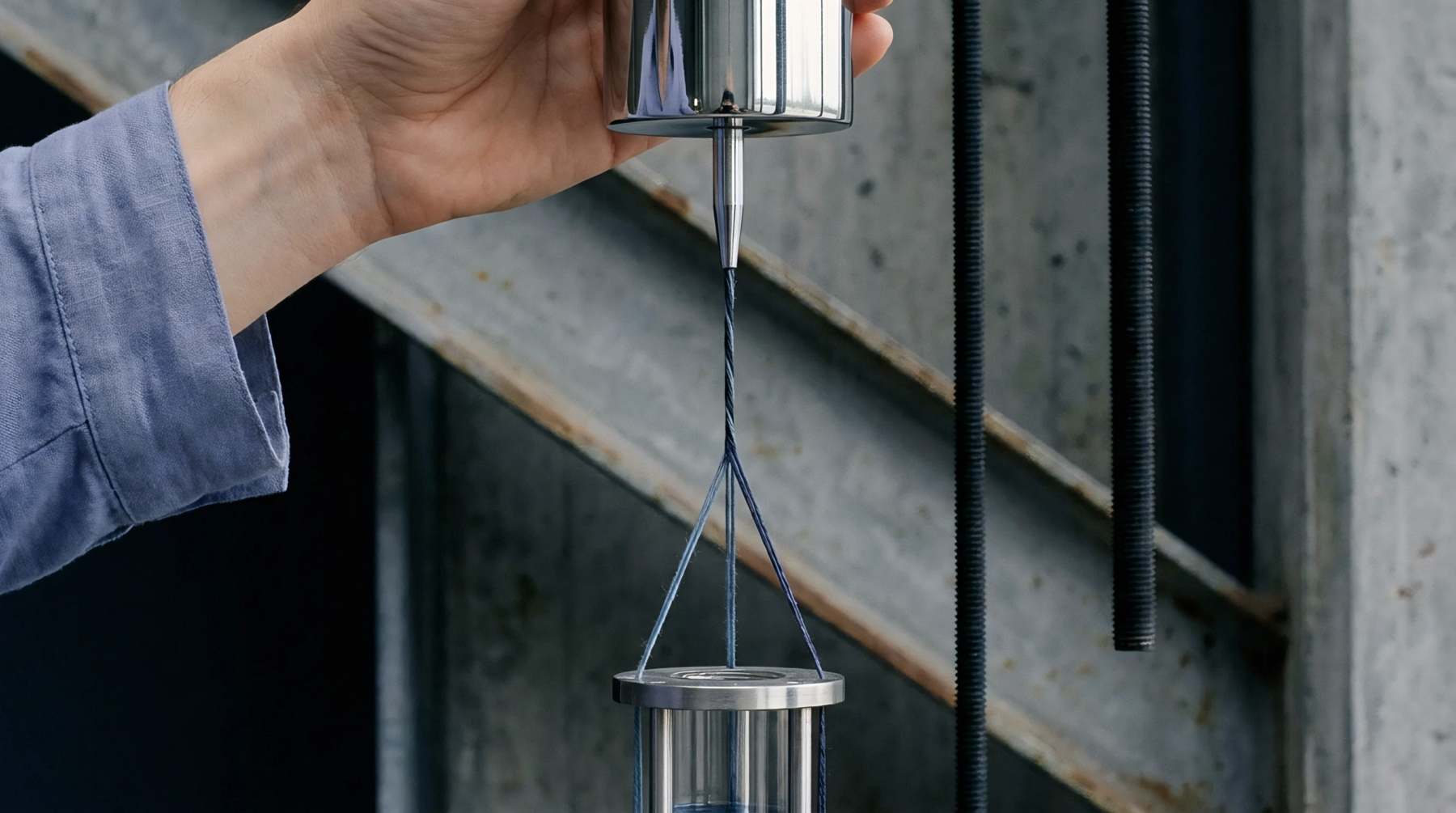
Modifying Flax Tenacity Thresholds under Climate Degradation
Modifying flax tenacity thresholds requires lowering spinning count limits, adjusting wet draft bath temperatures, and applying graduated invoice discounts.
Modifying flax tenacity thresholds requires lowering spinning count limits, adjusting wet draft bath temperatures, and applying graduated invoice discounts.

Calcium pectate cross-linking governs middle lamella cohesion during hot wet drafting, directly dictating inter-fiber slip resistance and yarn count stability.
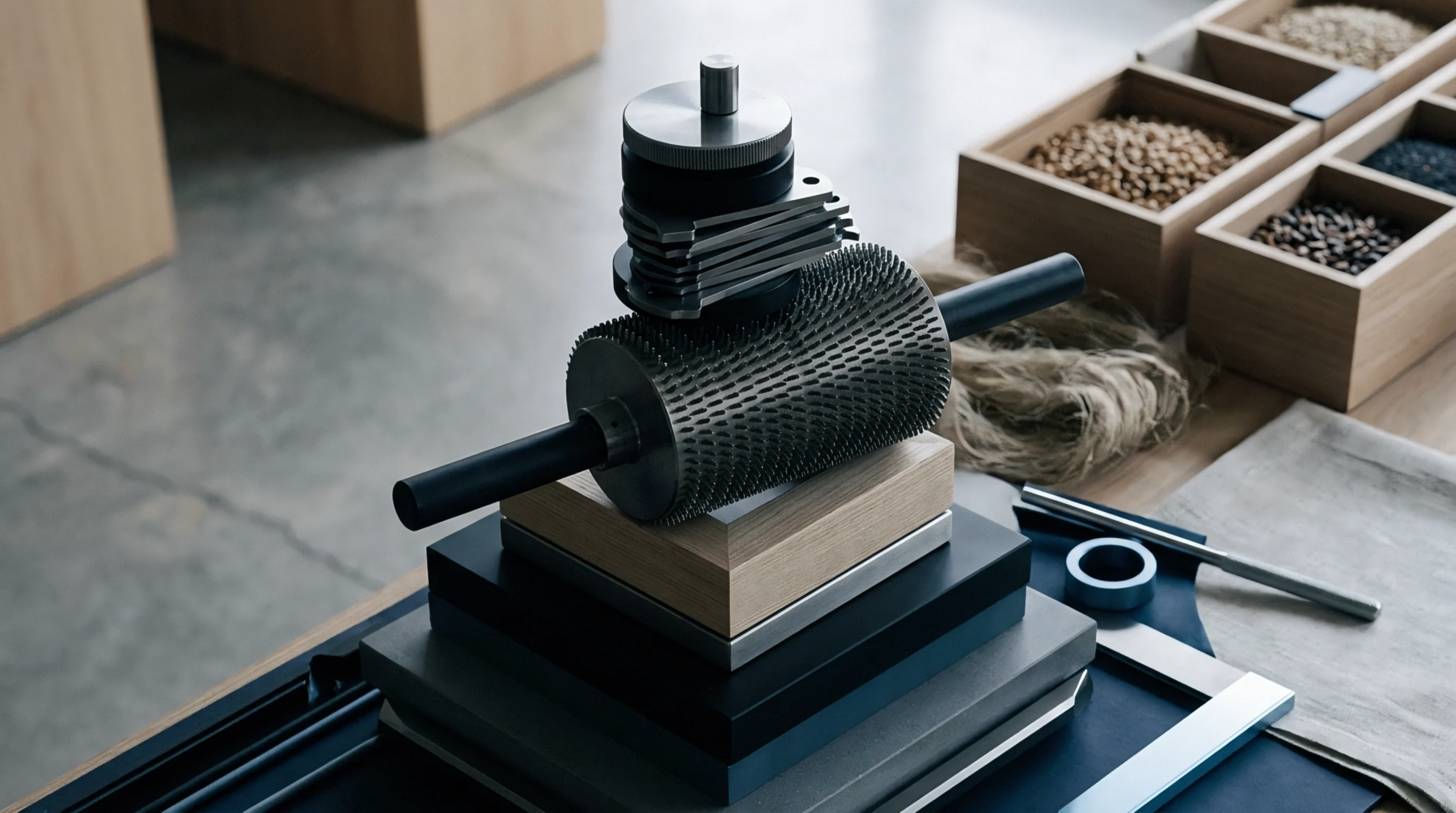
Targeted enzymatic pectin extraction lowers middle lamella pectin to 1.7 percent, boosting long line hackling yield to 66 percent and enabling wet spinning up to Nm 80.
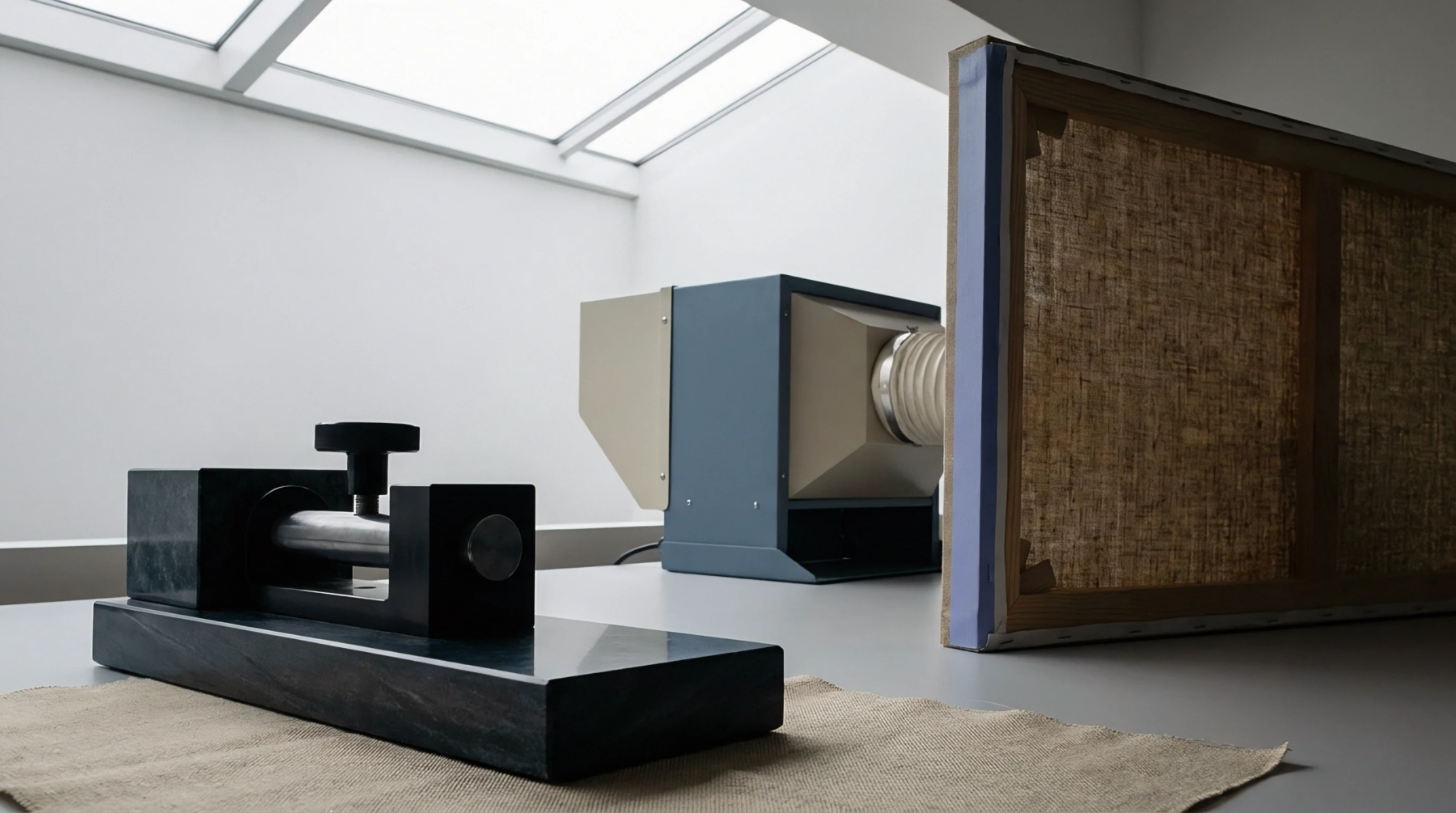
Determining flax metric number requires oven-dry gravimetric cut-and-weigh testing under ISO 2370 to establish true bundle linear density before spinning.

Effective calcium chelation during warm-water retting breaks middle-lamella pectates, boosting hackled line yield above 48% and preserving wet-spinning tenacity.

Quantifying residual galacturonic acid between 1.7 and 2.4 percent optimizes wet drafting glide, cutting spindle breaks and waste while capping landed yarn costs.

Elementary cell wall thickness, microfibrillar angle, and middle lamella pectin dissolution govern drafting limits and yarn counts in flax spinning.
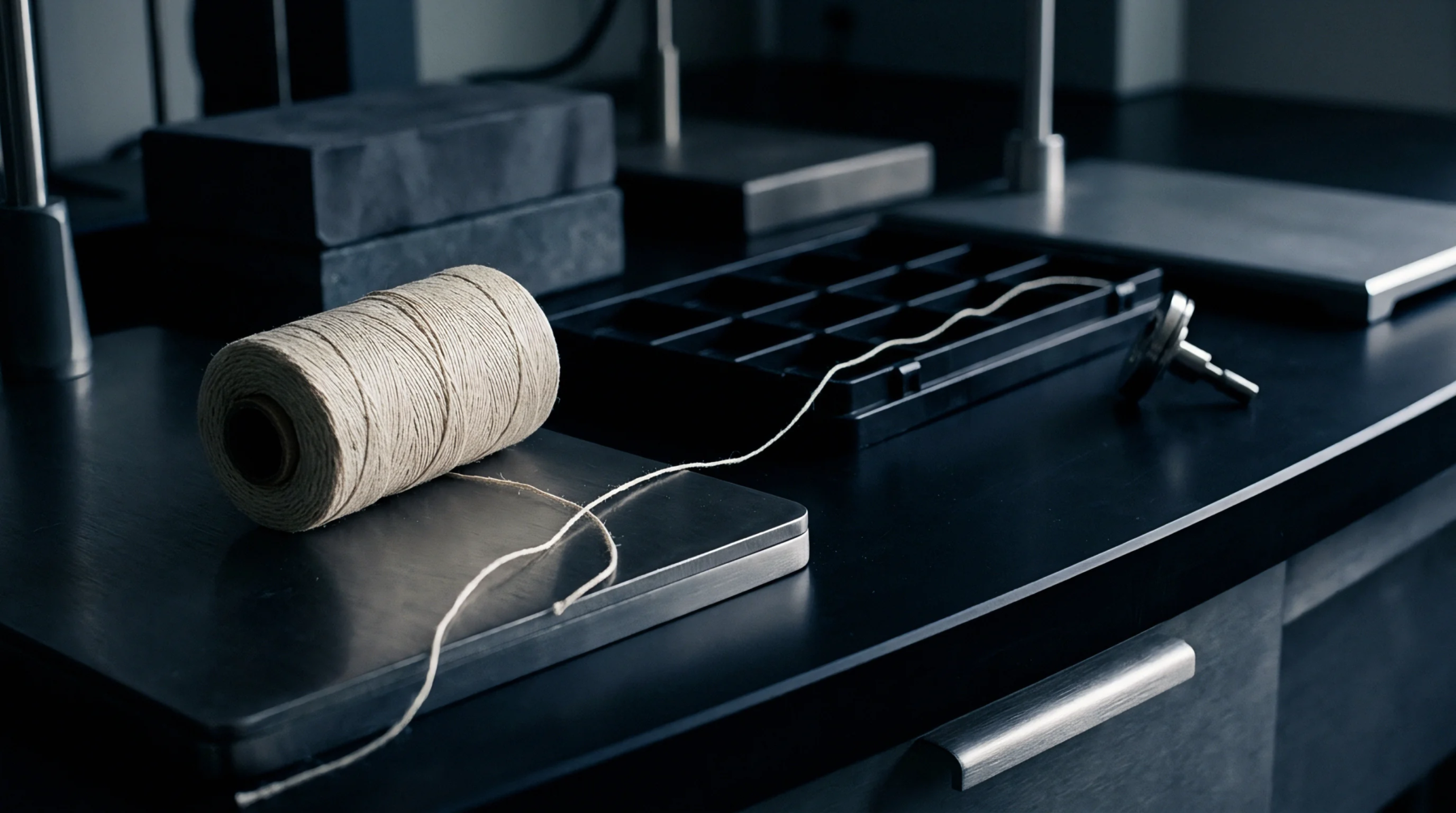
Thermal degradation of non-fibrous flax impurities during 105°C drying inflates apparent moisture regain, mathematically erasing clean fibre from invoiced shipments.

Controlled hydrodynamic shear and 65°C bath temperature strip boundary layers to saturate roving cores, slashing drafting drag and boosting spinnable counts.
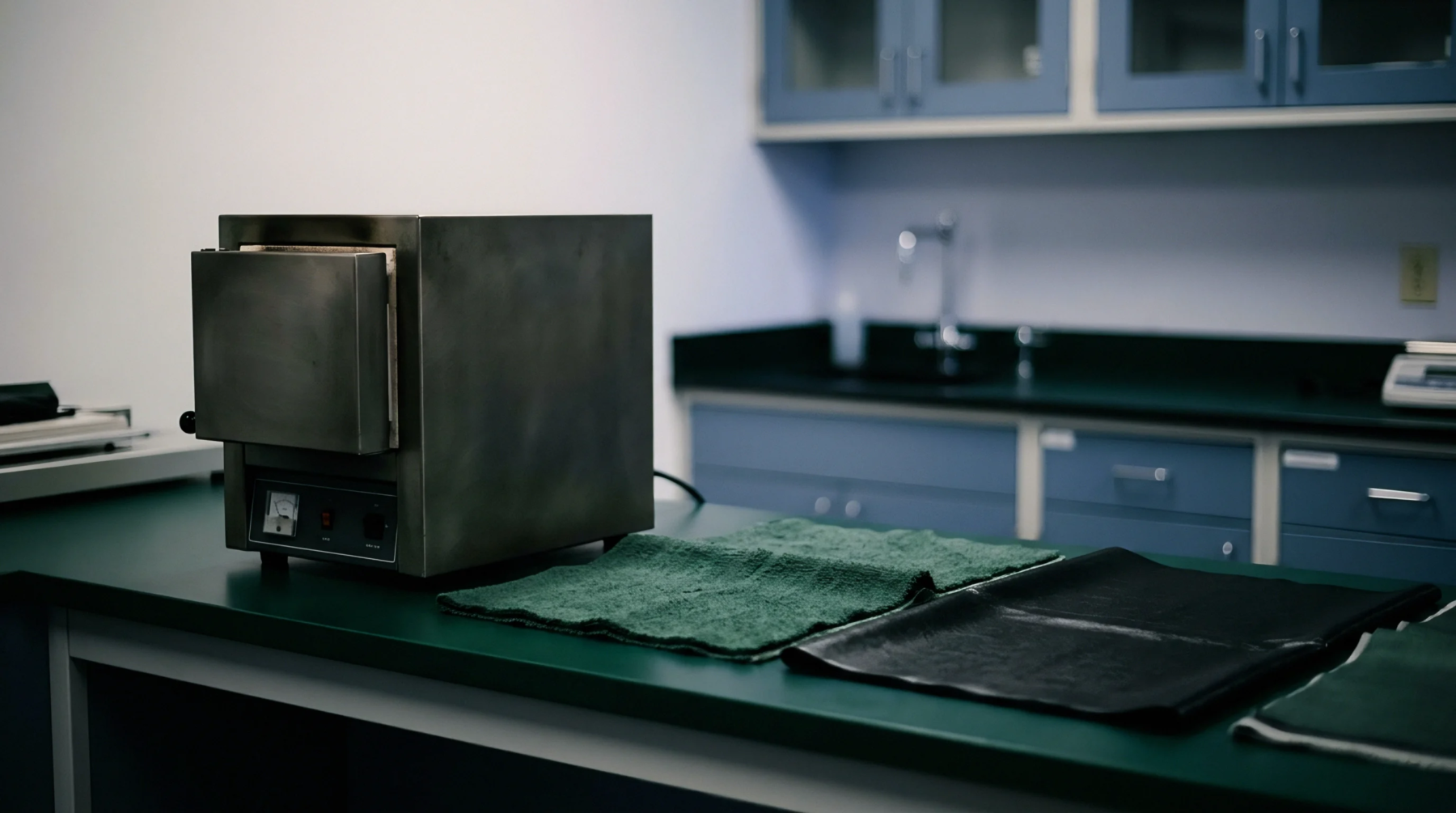
Enforce a 72-hour adsorption conditioning protocol with bone-dry mass normalization to eliminate pectin hysteresis drift in bast fibre linear density disputes.

Core sizing penetration ratios exceeding 0.65 anchor bast microfibrils, cutting humidity warp fatigue stops by sixty percent on high-speed rapier looms.
Standardizing alkaline digestion metrics verifies flax roving origin by confirming that chemical mass loss stays between 2.6 and 4.2 percent.

Targeting 1.2 to 1.5 percent residual pectin via controlled hydrolysis stabilizes wet drafting forces below 5 cN per tex, preventing breaks at Nm 80 and above.

Ammonium oxalate extraction at 5 to 10 g/L isolates elementary bast fibres to measure decitex, setting the technical count limit for wet-spun linen yarn.
Expertise is a utility, not a secret. sentiention™ publishes its working knowledge as open reference: intelligence layer covering the materials it sources, the markets it enters, and the reference that serves both.