Automated Tracking
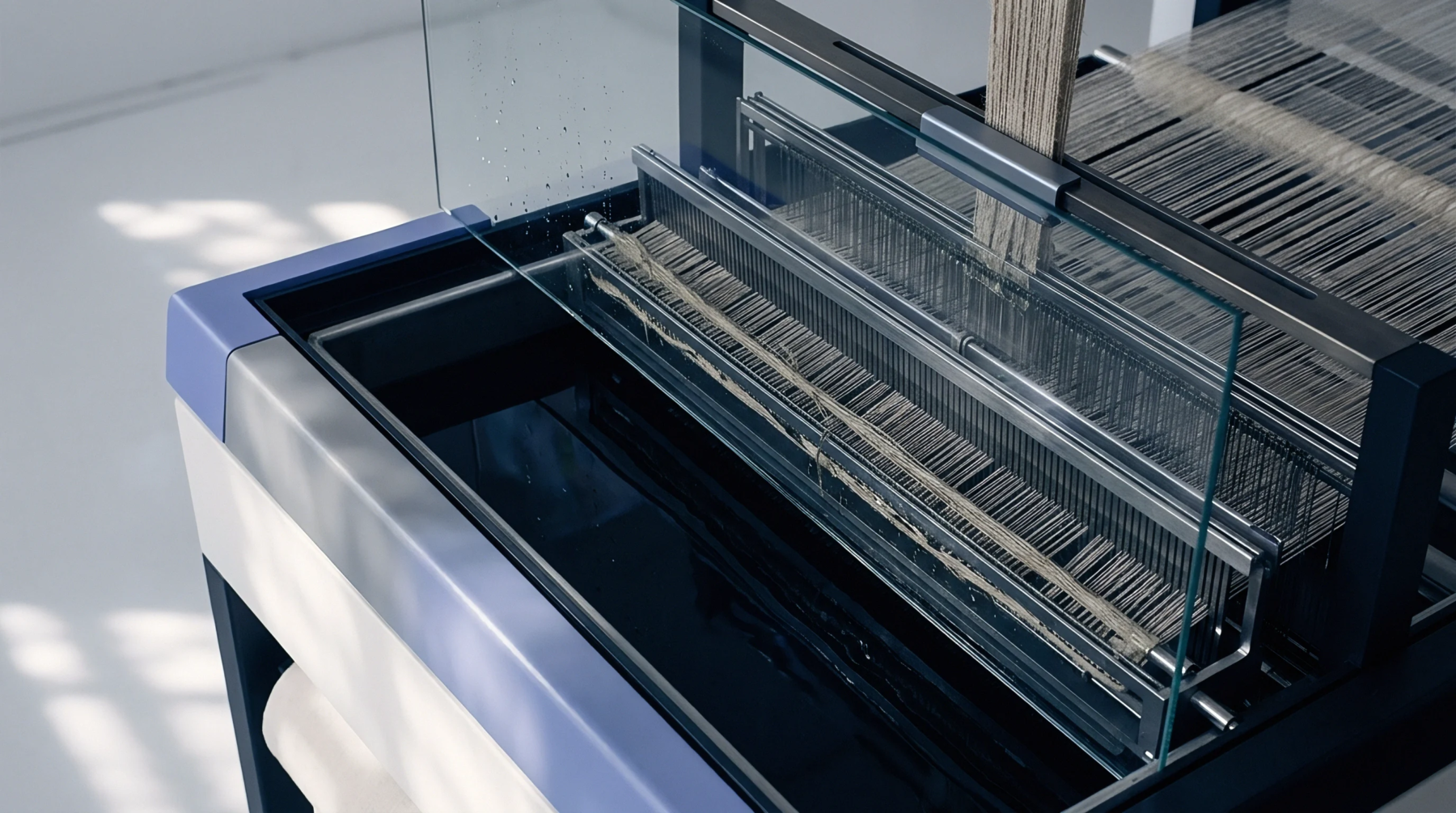
Industrial control networks collect real-time data from sensors on looms to supervise production speeds, stoppage events and downtime reasons. Implementing scada loom monitoring provides mill supervisors with a continuous live overview of the loom floor. This system records every yarn break and machine stop immediately.
Operational Diagnostic
The data gathered by the network helps identify recurring mechanical issues on individual looms. When a rapier loom stops because of a warp break, the sensor transmits a signal that categorizes the stop reason. This categorization helps maintenance crews to locate and repair faulty yarn feeders or tension rollers quickly.
Analyzing these stop frequencies allows the mill to schedule preventive maintenance before catastrophic yarn breakages occur.
Performance Analysis
Long-term data collection from these integrated networks aids mill managers in evaluating the productivity of different yarn batches and operator shifts. If a specific batch of linen yarn causes a high frequency of loom stoppages, the system flags the yarn lot for inspection. This historical record is useful for renegotiating yarn prices with suppliers or adjusting warp sizing parameters in the preparation department.
Modern mills use this real-time monitoring to generate daily efficiency reports for production directors. Accurate data collection eliminates manual stop-logging errors and helps keep linen loom lines running at optimal output rates.