Tariff Classification
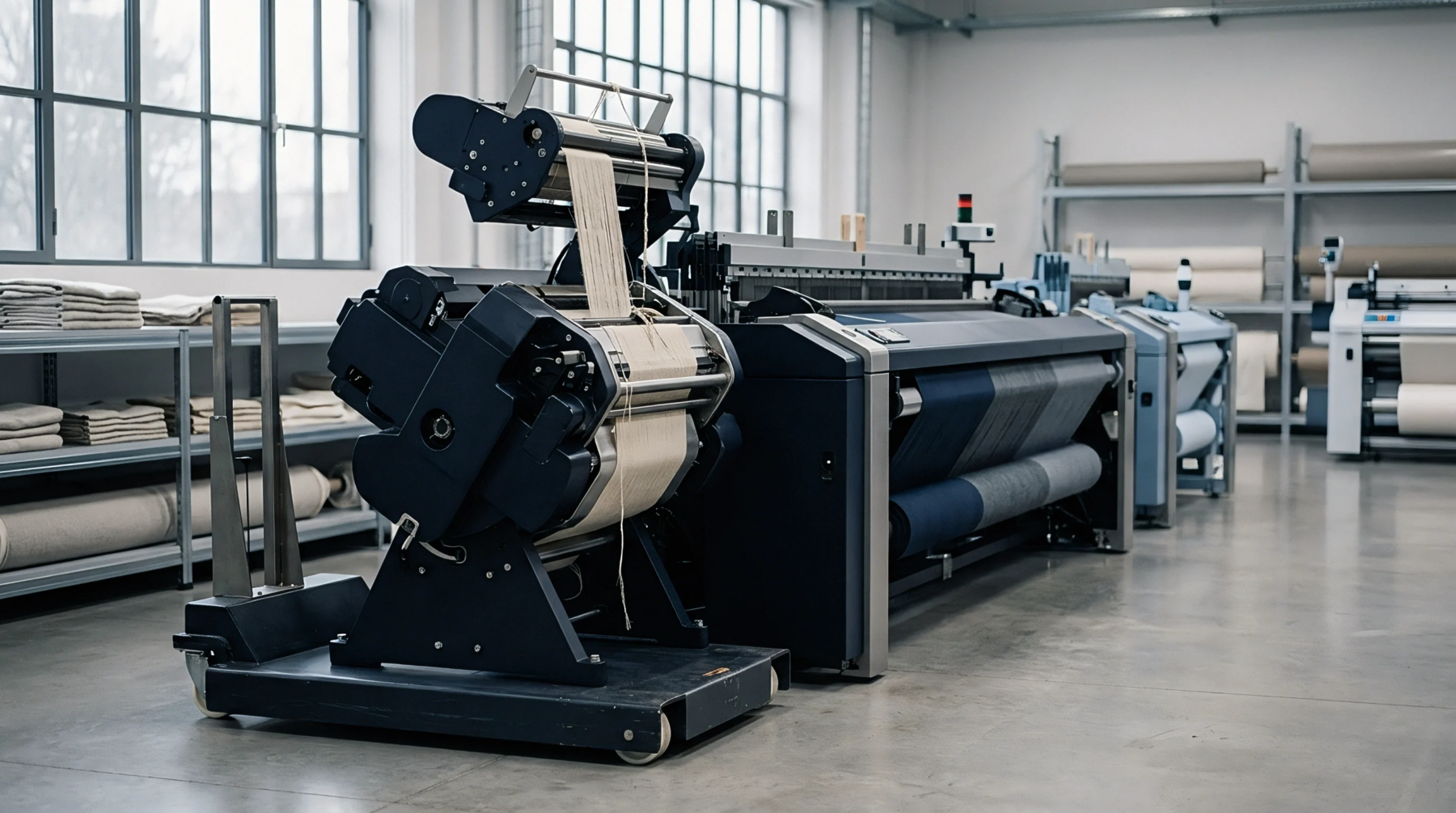
International trade codes organize commodities to ensure uniform customs assessment and statistical tracking across borders. Under this framework, Harmonized System Heading 5306 designates flax yarn, including both single and multiple ply varieties, used in textiles. The code covers yarns made of flax that are suitable for weaving or sewing, regardless of whether they are put up for retail sale or packaged for industrial spinning mills.
Fibre Specification
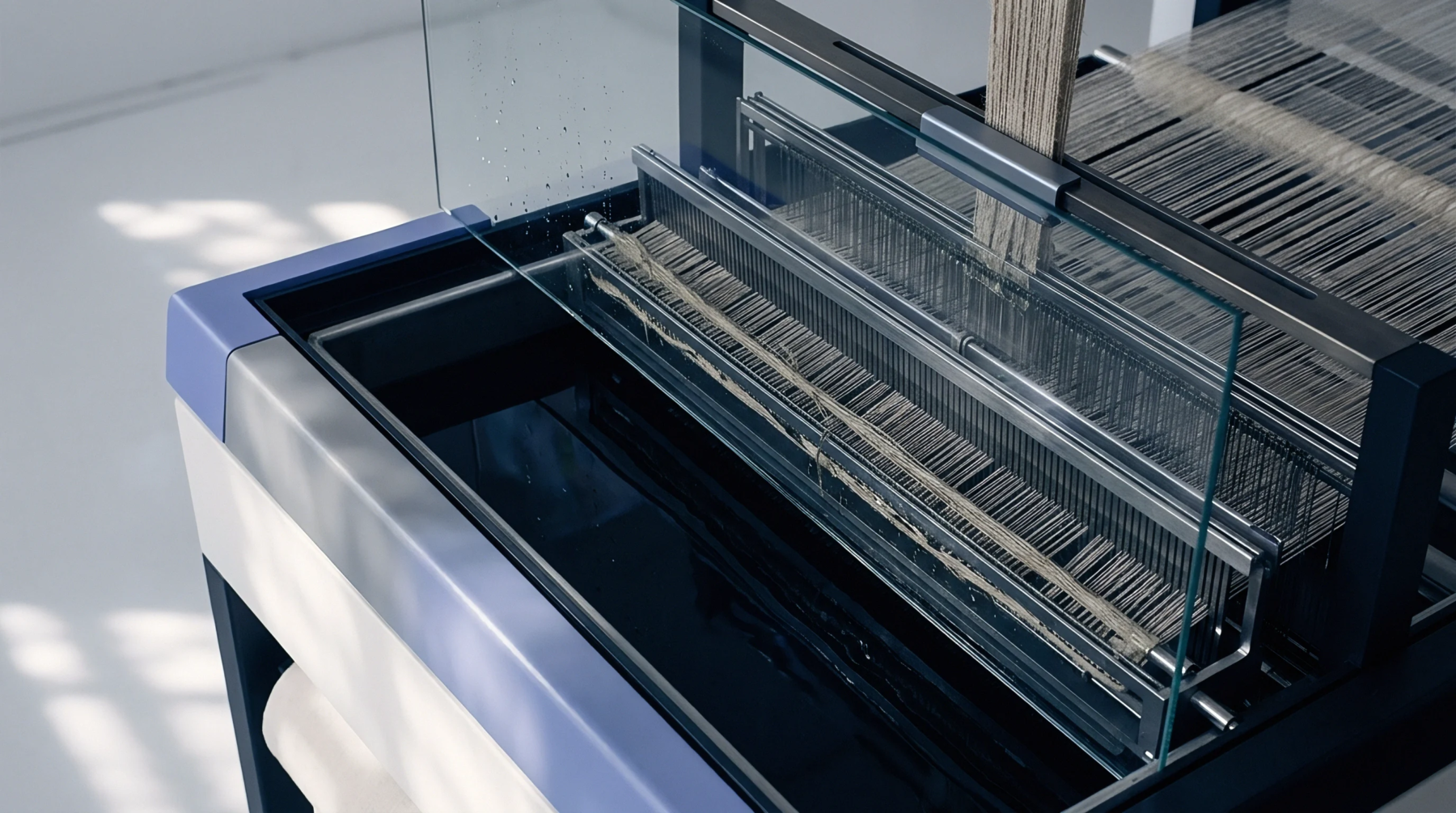
Mill invoices and export declarations must specify the exact subheadings under this category to differentiate between unbleached, bleached, and dyed yarn. This level of detail determines the applicable duty rates when shipping linen materials from processing facilities in China to global markets. In addition, the distinction between single yarns and multiple or cabled yarns affects the classification and must be verified by yarn count measurements.
The physical characteristics of the flax yarn, such as its linear density expressed in decitex, are checked against the shipping documentation to prevent customs delays.
Customs Documentation
Quality certificates issued by Chinese testing bureaus accompany these shipments to verify the authenticity and composition of the spun flax. The document ensures that the yarn conforms to the purity standards required for customs clearance under the designated heading. Buyer acceptance criteria for imported linen yarn often stipulate that the shipment must not contain synthetic fibre blends exceeding the allowed thresholds for this classification.
If the laboratory analysis reveals synthetic contamination, the shipment is reclassified under a different tariff heading, which usually carries higher import duties and penalties.