Hydrothermal Strain Limits in Sized Wet Spun Linen Weaving Warps
Hydrothermal strain in sized wet spun linen warps breaks down sizing films above 75 percent relative humidity, driving warp stops and mill yield loss.
Hydrothermal strain in sized wet spun linen warps breaks down sizing films above 75 percent relative humidity, driving warp stops and mill yield loss.
Matching electronic let-off PID derivative gain to flax harness lift acceleration suppresses transient tension spikes and prevents warp breakages.
Online moisture sensing on high-speed rapier warps maintains flax elasticity, cuts cyclic break rates by sixty percent, and protects loom shed efficiency.
High-speed weaving requires warp yarn tenacity above 16.5 cN/tex, S3 hairiness under 25, and splice efficiency over 85% to prevent shed stoppages.

Fine wet spun linen warps require water-injection splicing to exceed 75% tensile retention and avoid tension-boundary failures during cyclic shed opening.
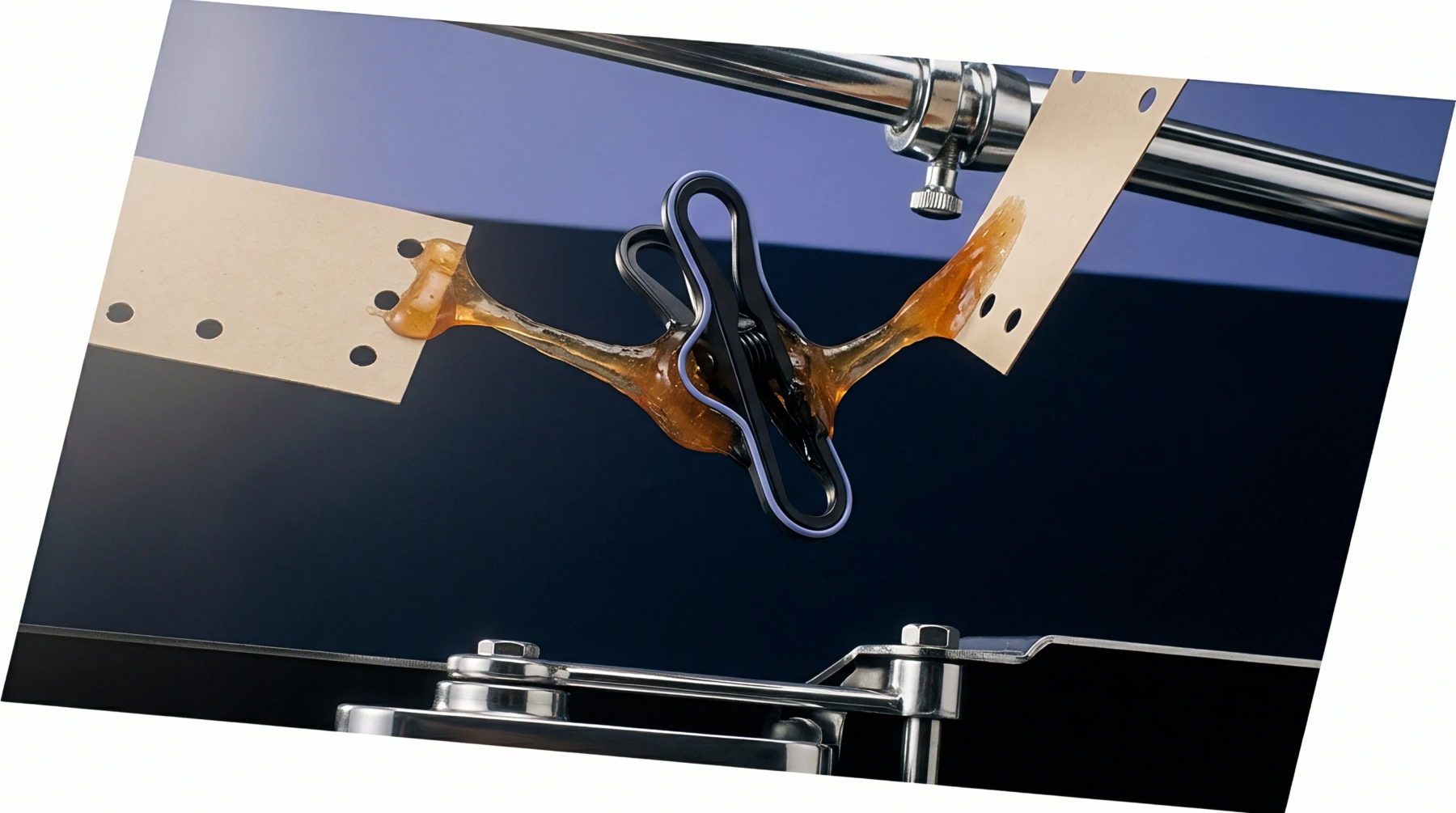
Testing wet spun linen yarn under ISO 2062 requires pneumatic horn clamps and sixty-five percent relative humidity to achieve accurate tenacity measurements.

Commercial mass adjustment isolates reversible hysteretic moisture desorption from true bast fiber shedding through certified oven-dry testing.
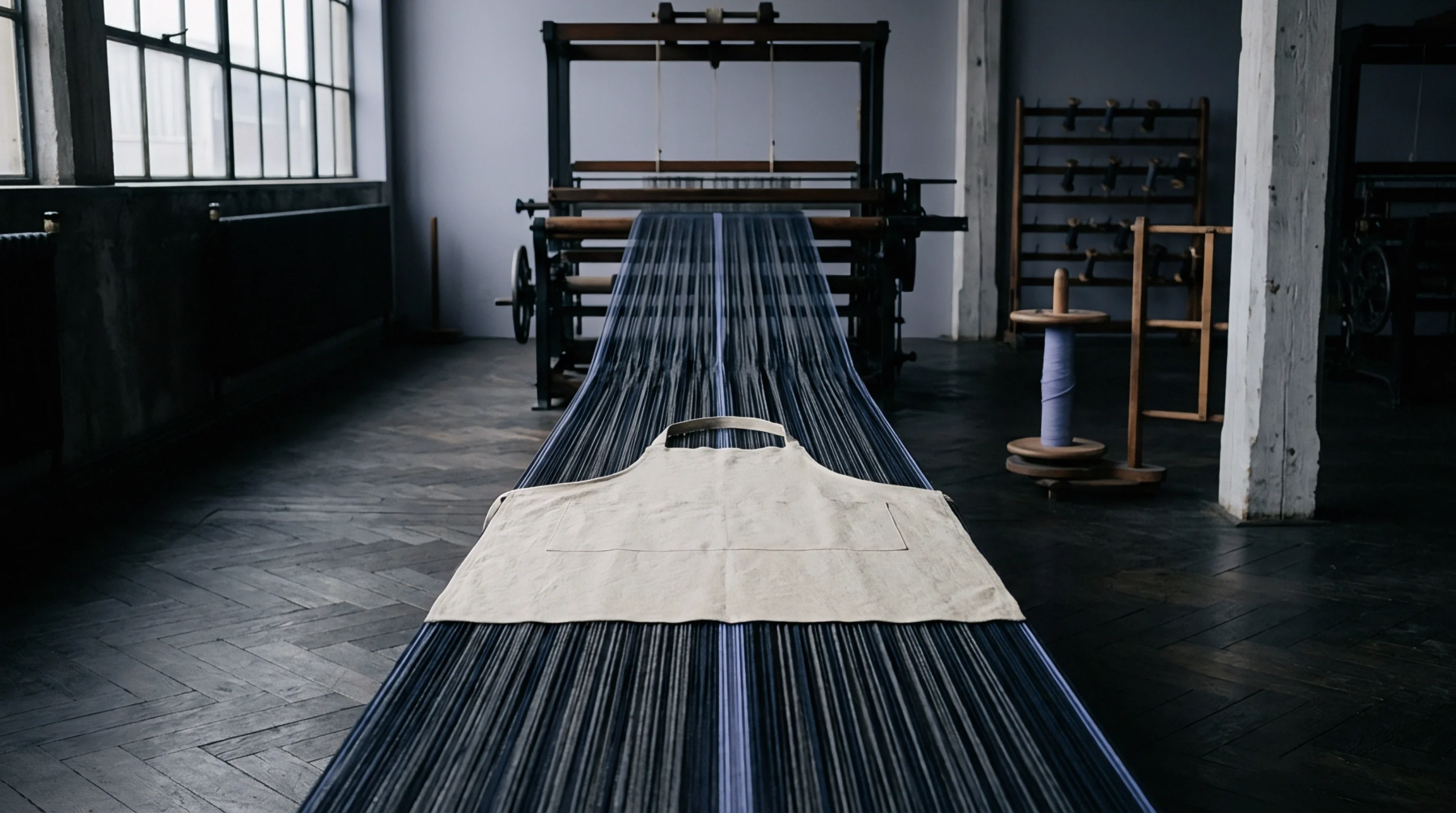
Active whip roll damping combined with lower shed crossover prevents bast yarn rupture while maintaining insertion speed on air-jet looms.
Polyvinyl alcohol sizing on fine linen warps must maintain elastic strain capacity above dynamic shedding peak strain to prevent brittle coating breakdown.
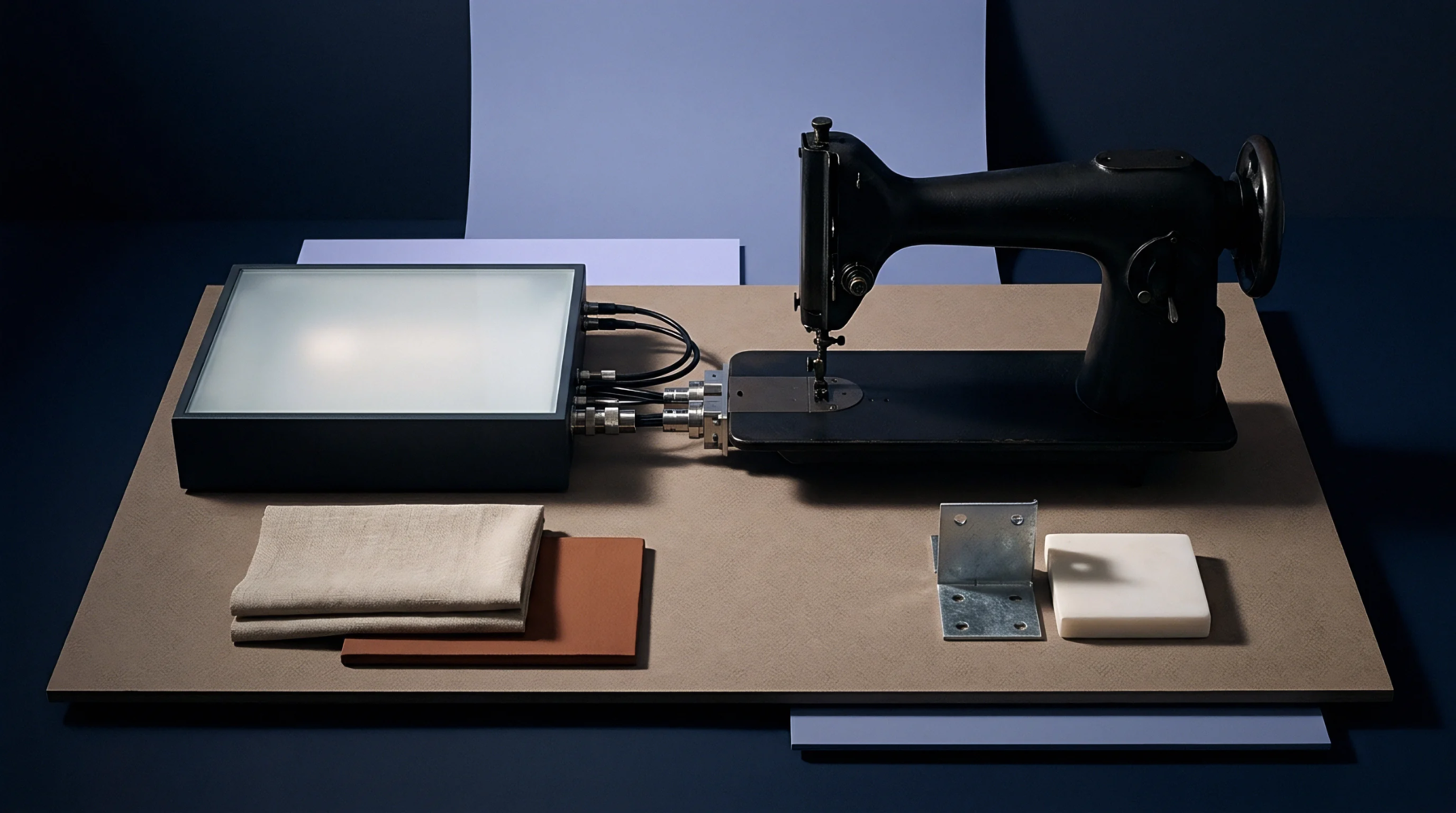
Calculating multi-machine allocation penalties in high-density flax weaving requires auditing loom sensor response times against interference efficiency formulas to penalize unabsorbed overhead and defect downgrades caused by operator overburden.
Expertise is a utility, not a secret. sentiention™ publishes its working knowledge as open reference: intelligence layer covering the materials it sources, the markets it enters, and the reference that serves both.