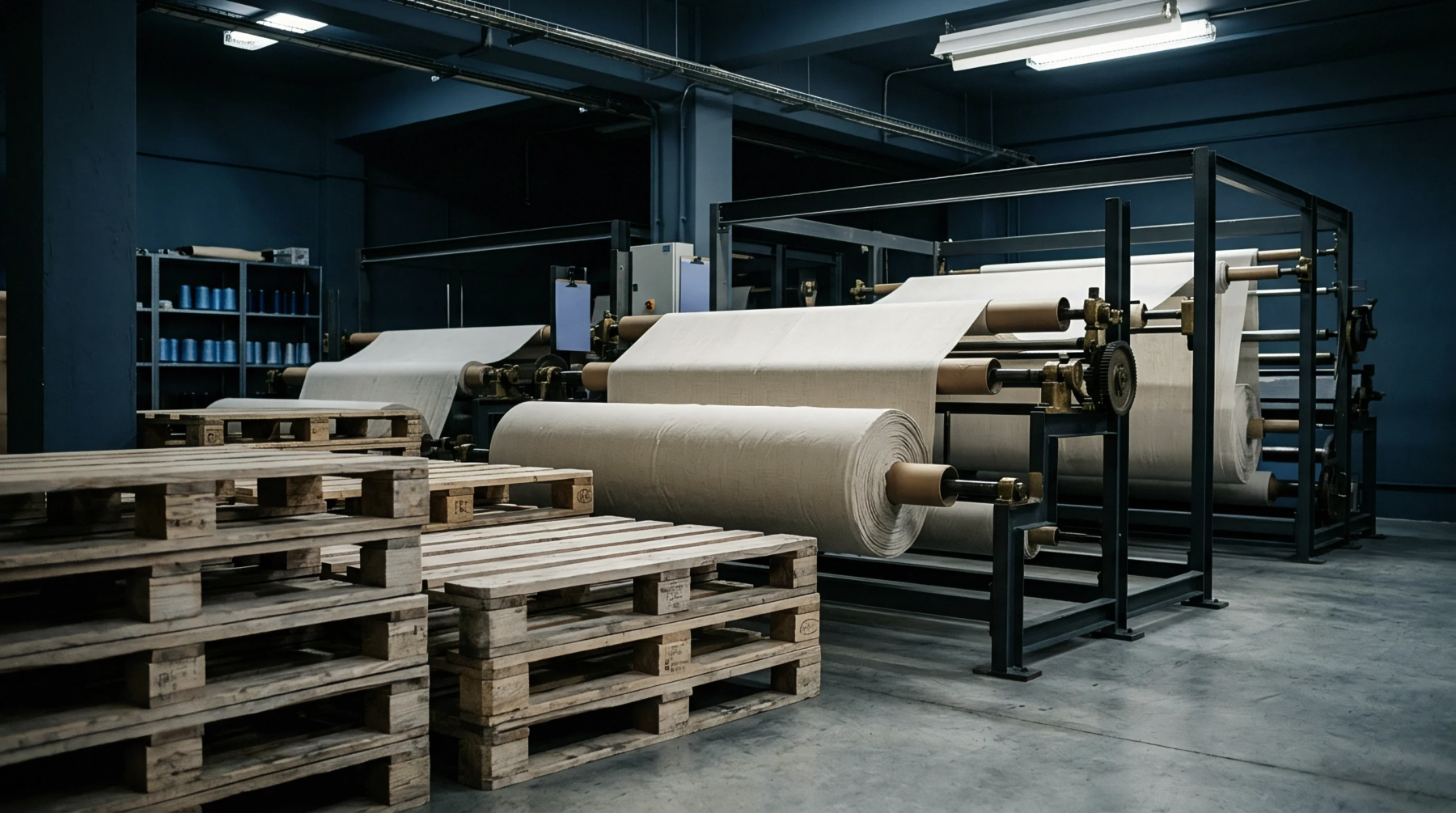
Optimizing Hydrolyzed PVA Add on Rates for High Speed Rapier Looms
Optimizing PVA add-on rates between 8 and 12 percent matches film flexibility and abrasion resistance to high-speed rapier stresses without shed shedding.
Optimizing PVA add-on rates between 8 and 12 percent matches film flexibility and abrasion resistance to high-speed rapier stresses without shed shedding.

Controlling storage humidity at 65 percent and applying reverse winding gradient profiles preserves wet spun flax warp tension during extended beam transit.
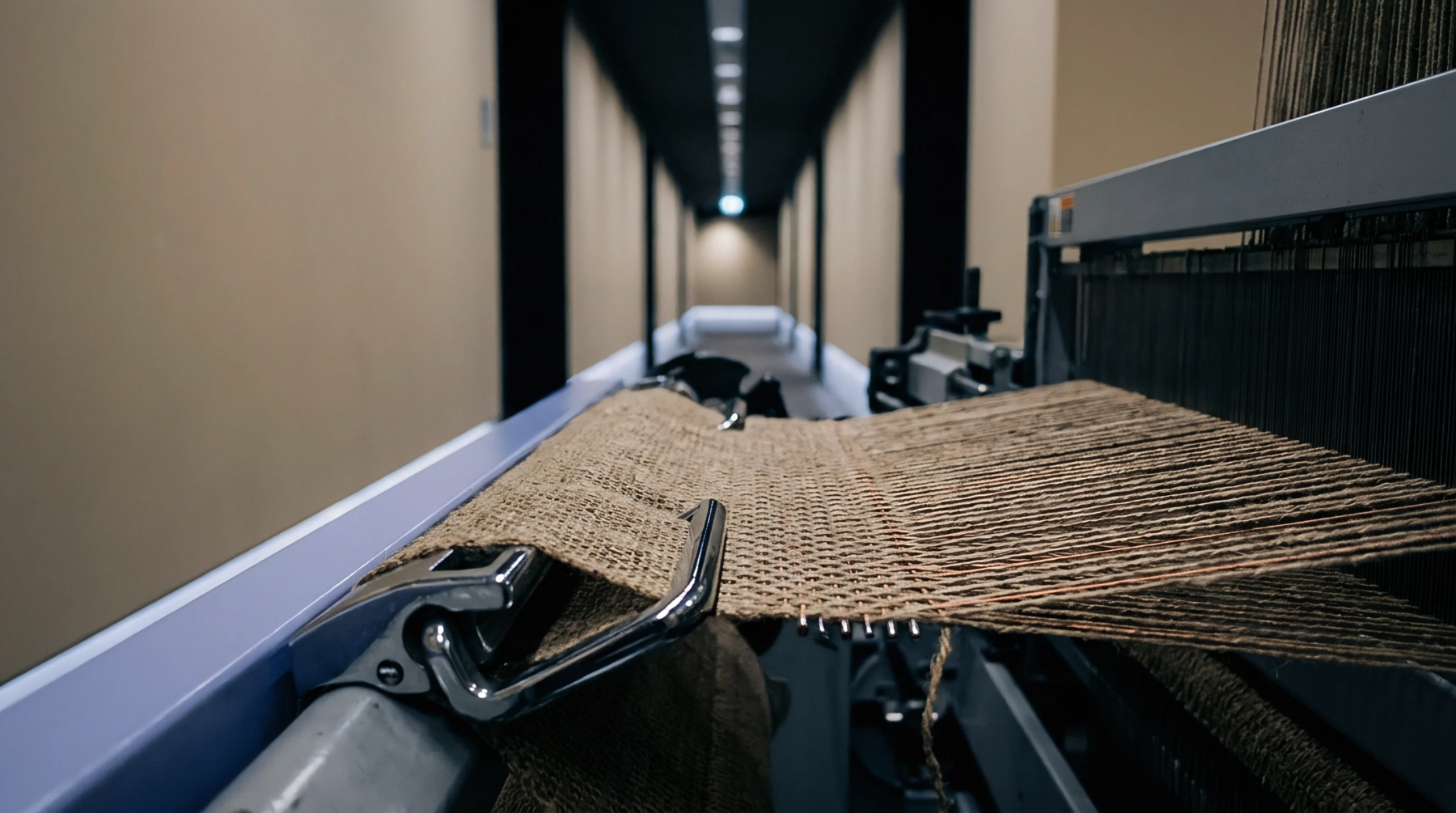
Linen warp survival hinges on low-penetration size encapsulation and dynamic back-rest tension dampening to prevent brittle end breaks under peak beat-up loads.

Constrained elastomeric networks under dynamic cyclic shear decay non-linearly; matching weave float geometry to shear strain limits prevents loom downtime.

Calculating reed denting occupancy and localized friction prevents tension spikes, warp stops, and reed mark defects in high-speed airjet weaving sheds.

Fine wet spun linen warps require water-injection splicing to exceed 75% tensile retention and avoid tension-boundary failures during cyclic shed opening.
Formulations for ultrafine linen warps combine low-viscosity modified starches with water-soluble acrylics to coat fibers without saturating the yarn interior.

Bottom sheet warp tension asymmetry on high-speed rapier looms causes crimp imbalance and fell skewing, demanding dynamic sensor calibration and backrest offset tuning.
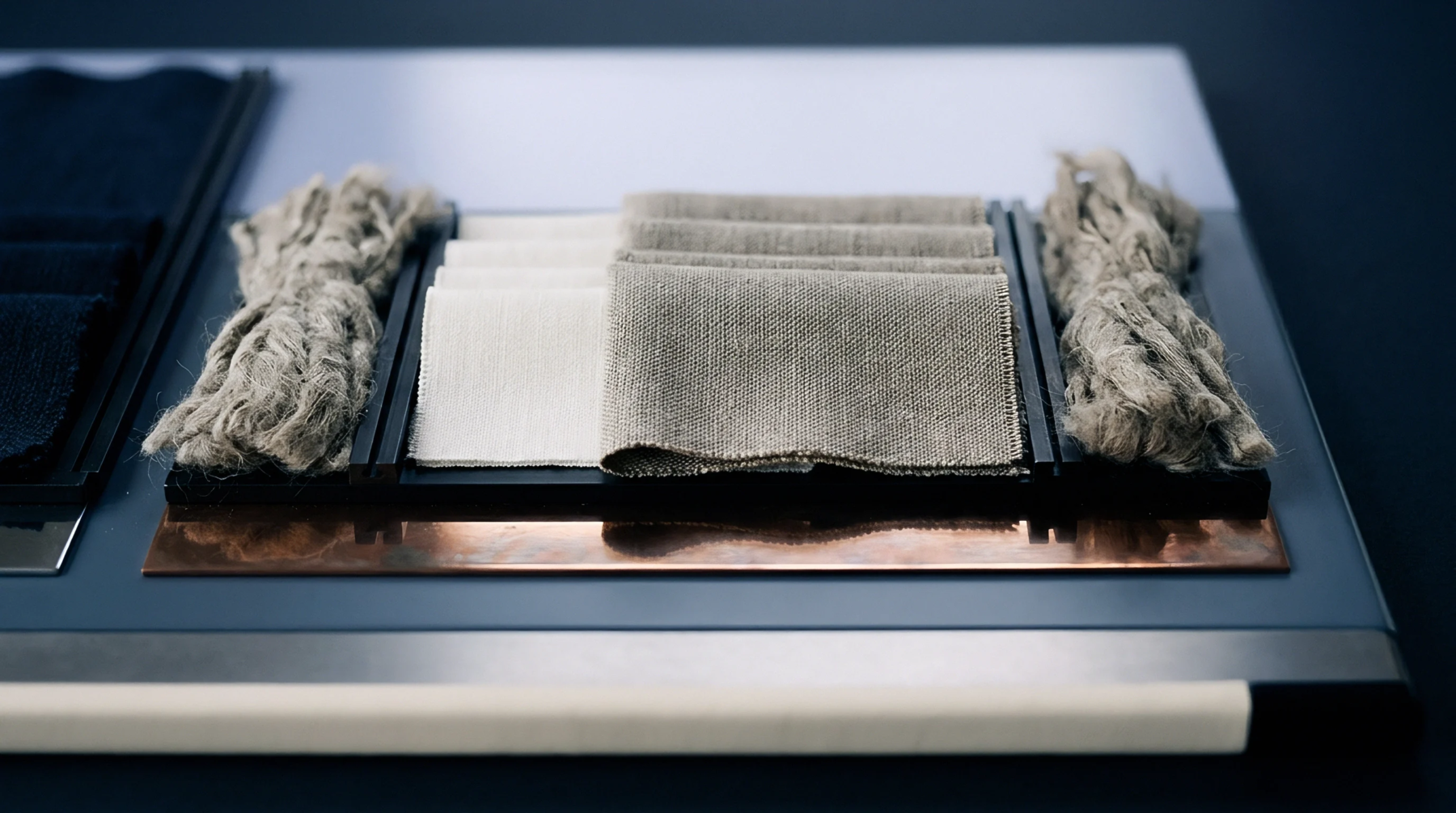
Chemical pectin extraction loss on linen warp yarn must hold between 8.5% and 10.5% to prevent shed cling, high stop rates, and lost high-speed rapier loom hours.
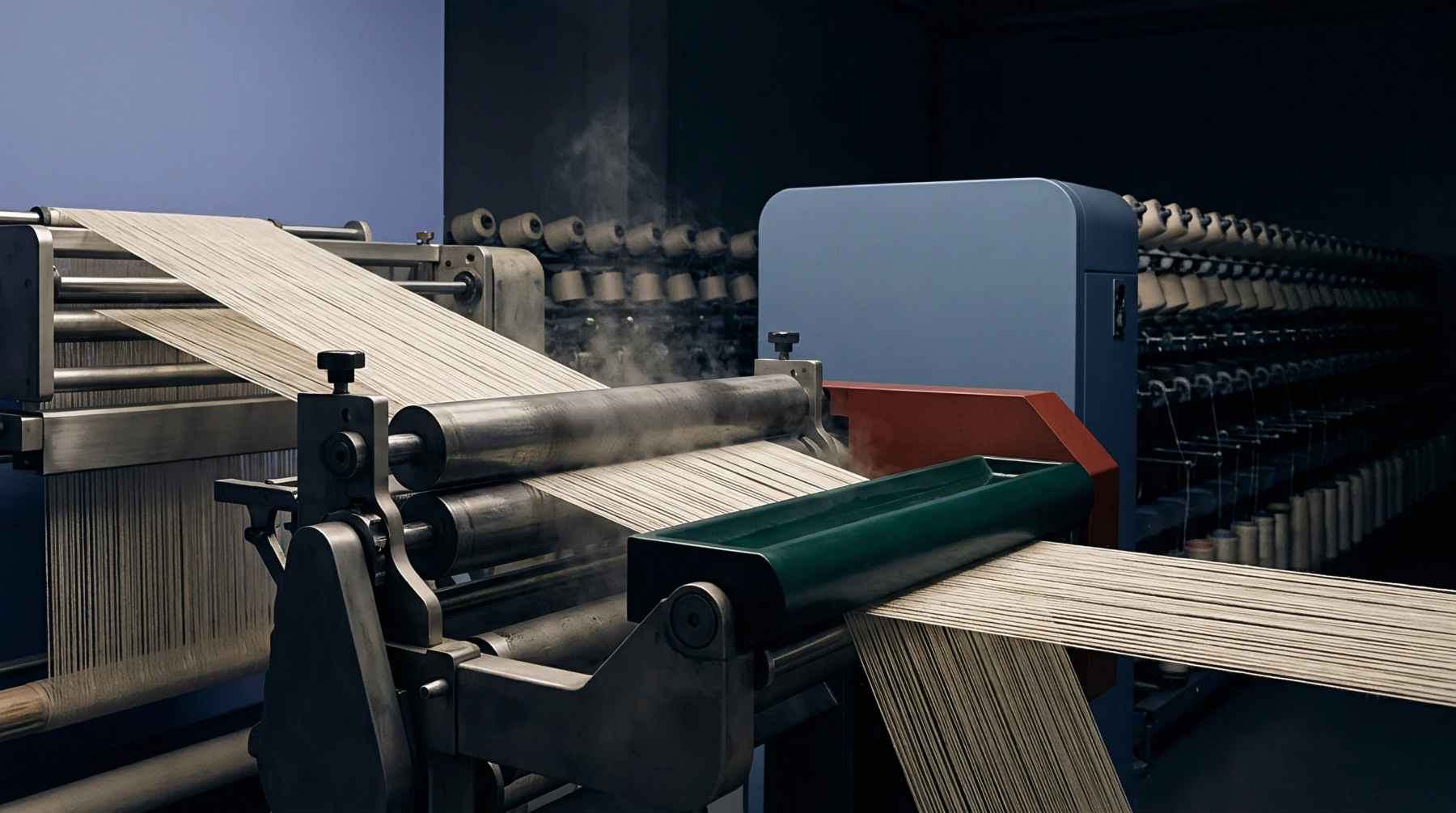
Cross mill warp transfers require dry mass base pricing moisture regain formulas and pre transit four point inspection logs to enforce clear debt clearing.

Elastic sizing films, asymmetric shed timing, and capped loom speeds prevent yarn abrasion and tension rupture in ultra-high-density flax constructions.

Modified starch hybrid sizing films maintain dynamic yield thresholds above 3.5 percent at 15 Hertz, preventing brittle shed flaking and sustaining loom efficiency.
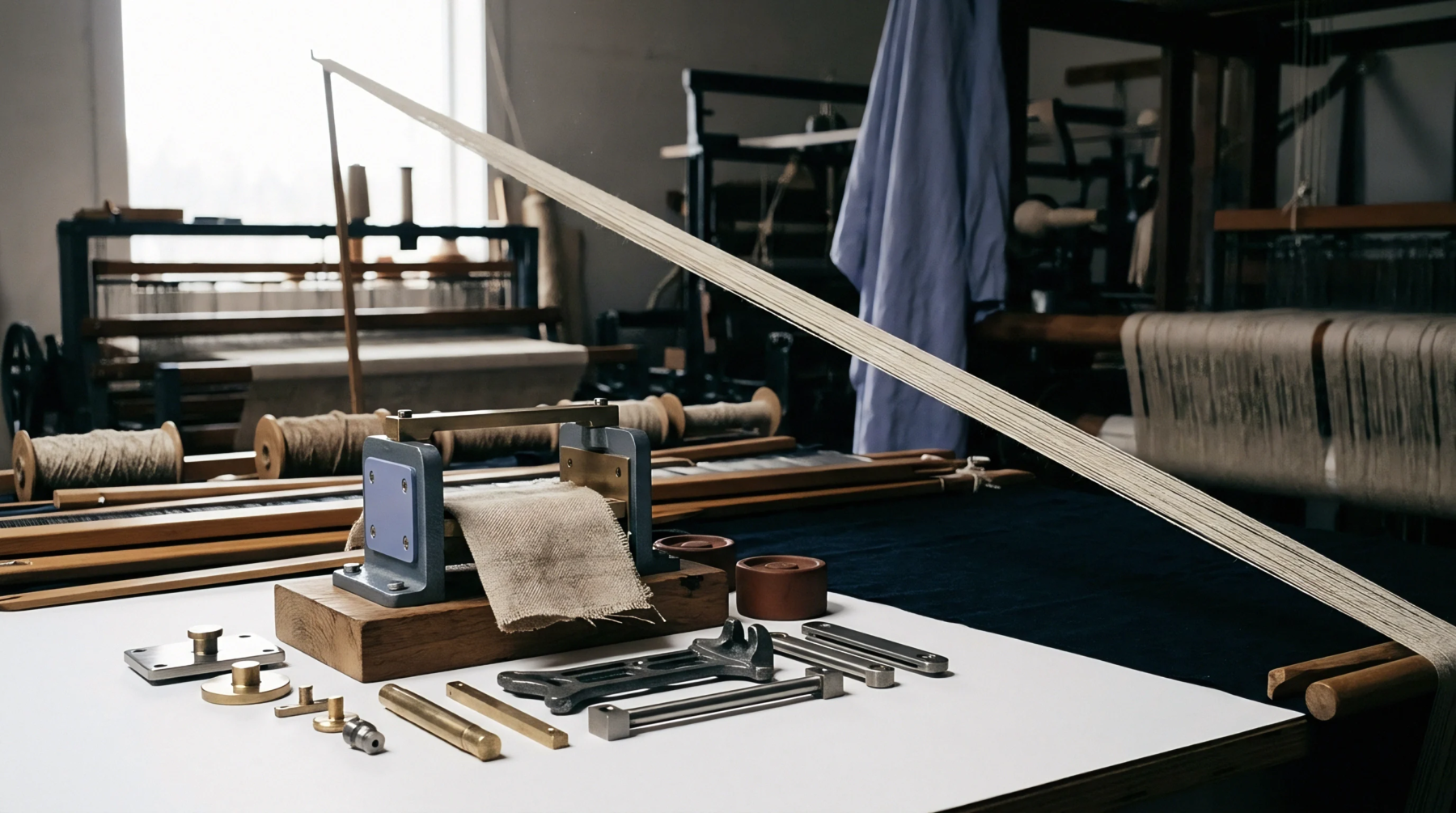
A 70:30 starch to PVA ratio balances film toughness and loom efficiency on high-speed air-jet looms while containing chemical costs and effluent loads.
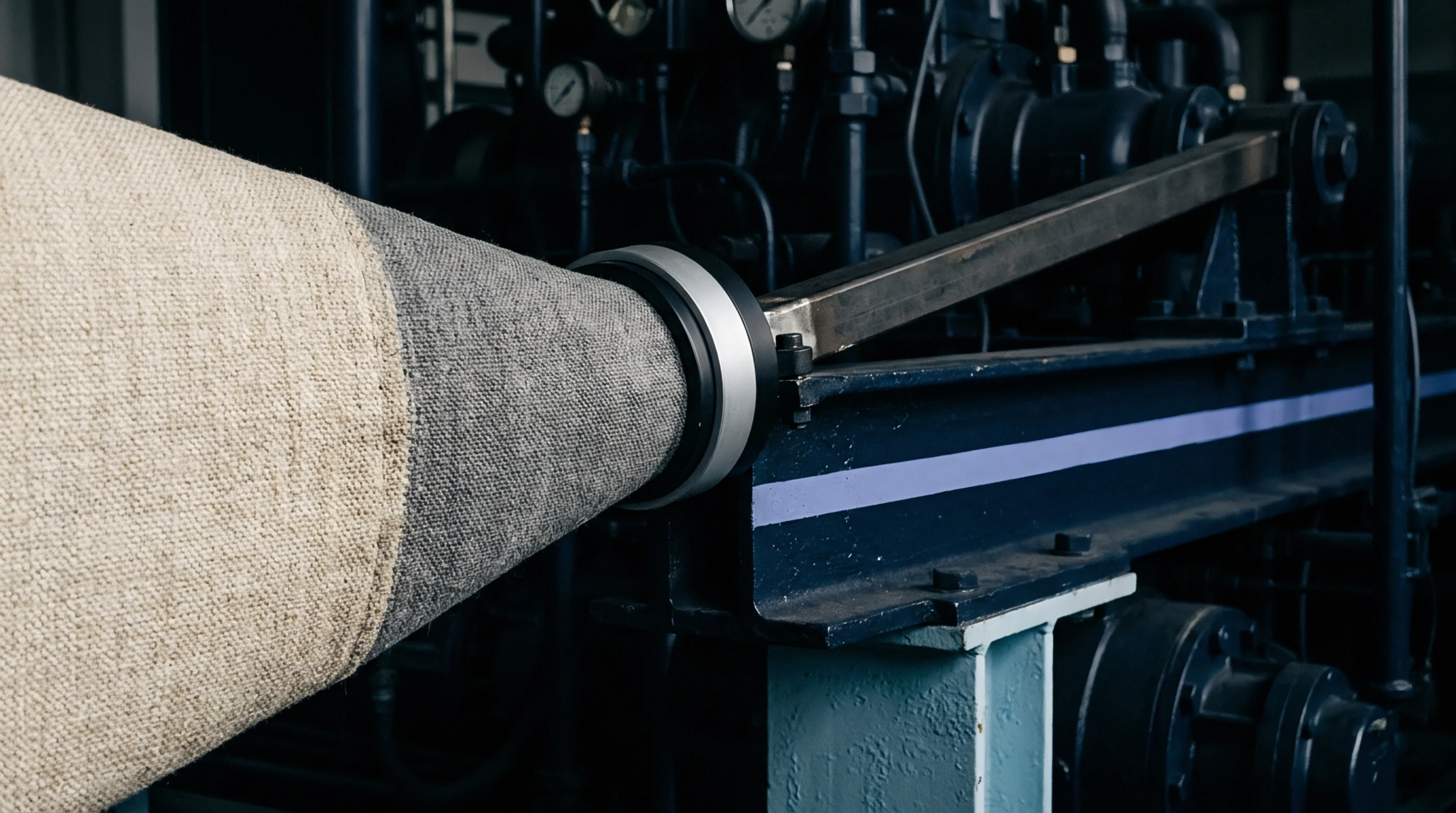
Correct size formulation balances film elasticity with yarn core adhesion, cutting high-speed rapier warp stops to maximize loom uptime and metre output.

Air permeability through bast bundles under ISO 2370 dictates the maximum spinnable wet count by defining available elementary fibrils per drafting cross-section.

Dynamic shedding cycles degrade inelastic linen sizing films, inducing viscoelastic warp creep, starting marks, and avoidable stop frequency losses.
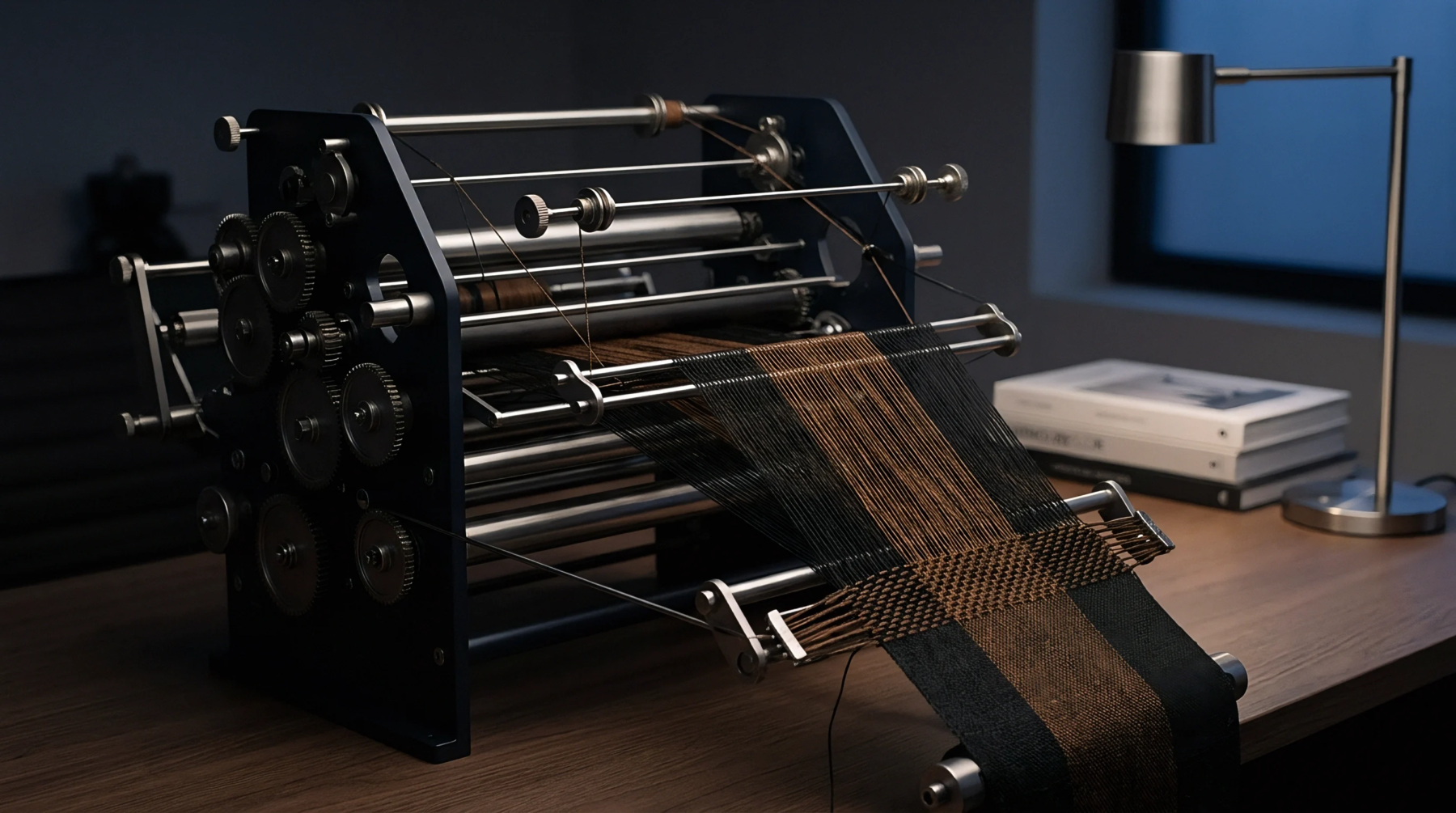
Dynamic viscoelastic friction transitions in wet bast yarns trigger severe stick-slip stops, demanding rigid moisture control to protect loom efficiency.

Ultrafine linen requires sufficient inter-fiber shear cohesion to resist cyclic shed tension and prevent drafting slip during high-speed cloth production.
Calculating reed denting widths for heavy flax requires factoring yarn diameter, wire air gap above fifty percent, and weave-specific width contraction.

Determining fine wet spun linen tensile thresholds demands setting single end tenacity limits above 18 cN/tex to maintain high-speed loom shed efficiency.
Warp stop downtime in dense weaving elevates fixed loom overhead by multiplying idle machine hours and start mark defect downgrades across production batches.
Expertise is a utility, not a secret. sentiention™ publishes its working knowledge as open reference: intelligence layer covering the materials it sources, the markets it enters, and the reference that serves both.