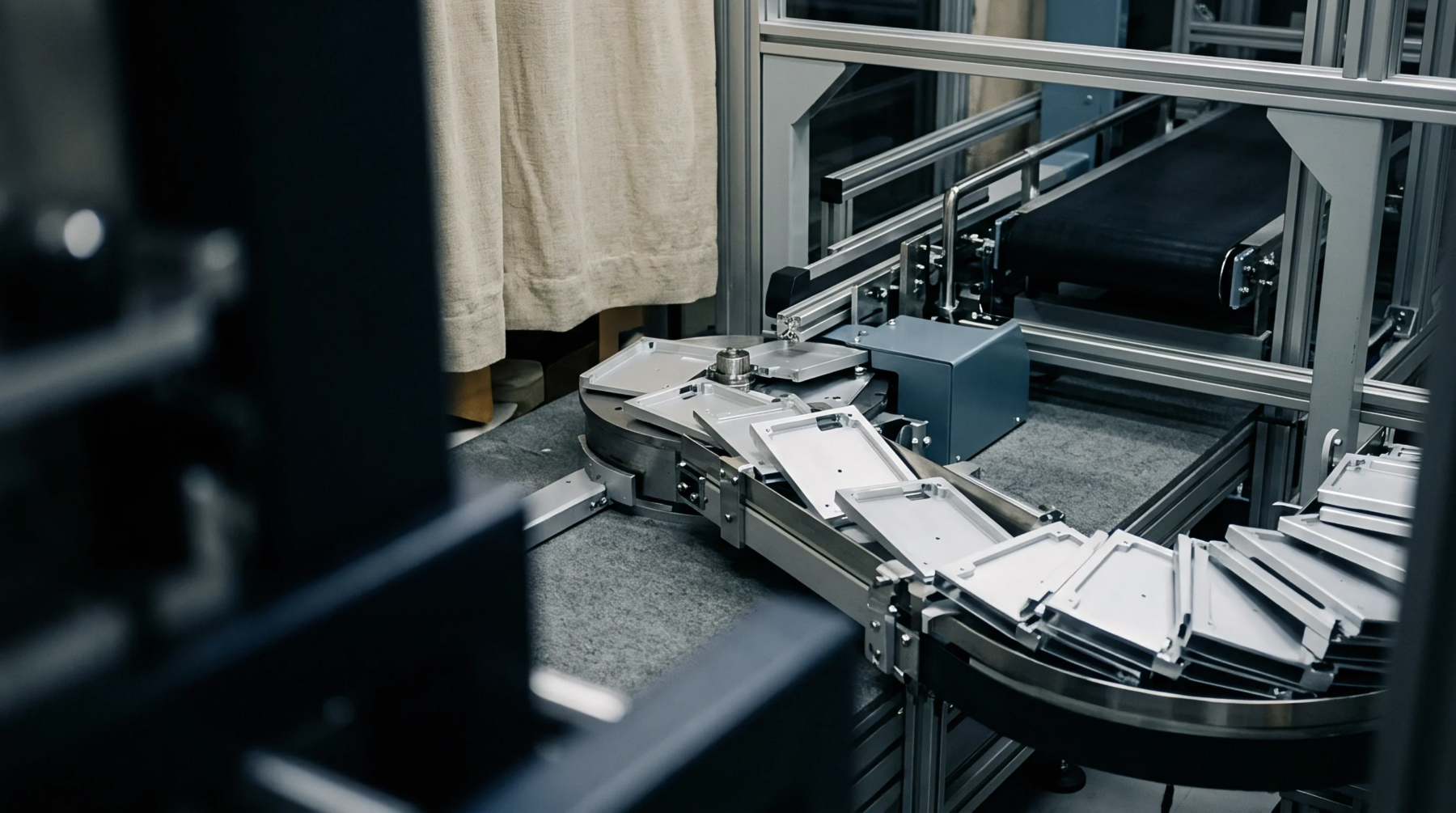
Resolving Crimp Imbalance and Structural Deformation in High-Speed Automated Linen Weaving
Rebalance linen crimp by lowering the backrest 25mm, delaying shed crossing to 325 degrees, and running segmented temples to suppress structural deformation.
Rebalance linen crimp by lowering the backrest 25mm, delaying shed crossing to 325 degrees, and running segmented temples to suppress structural deformation.
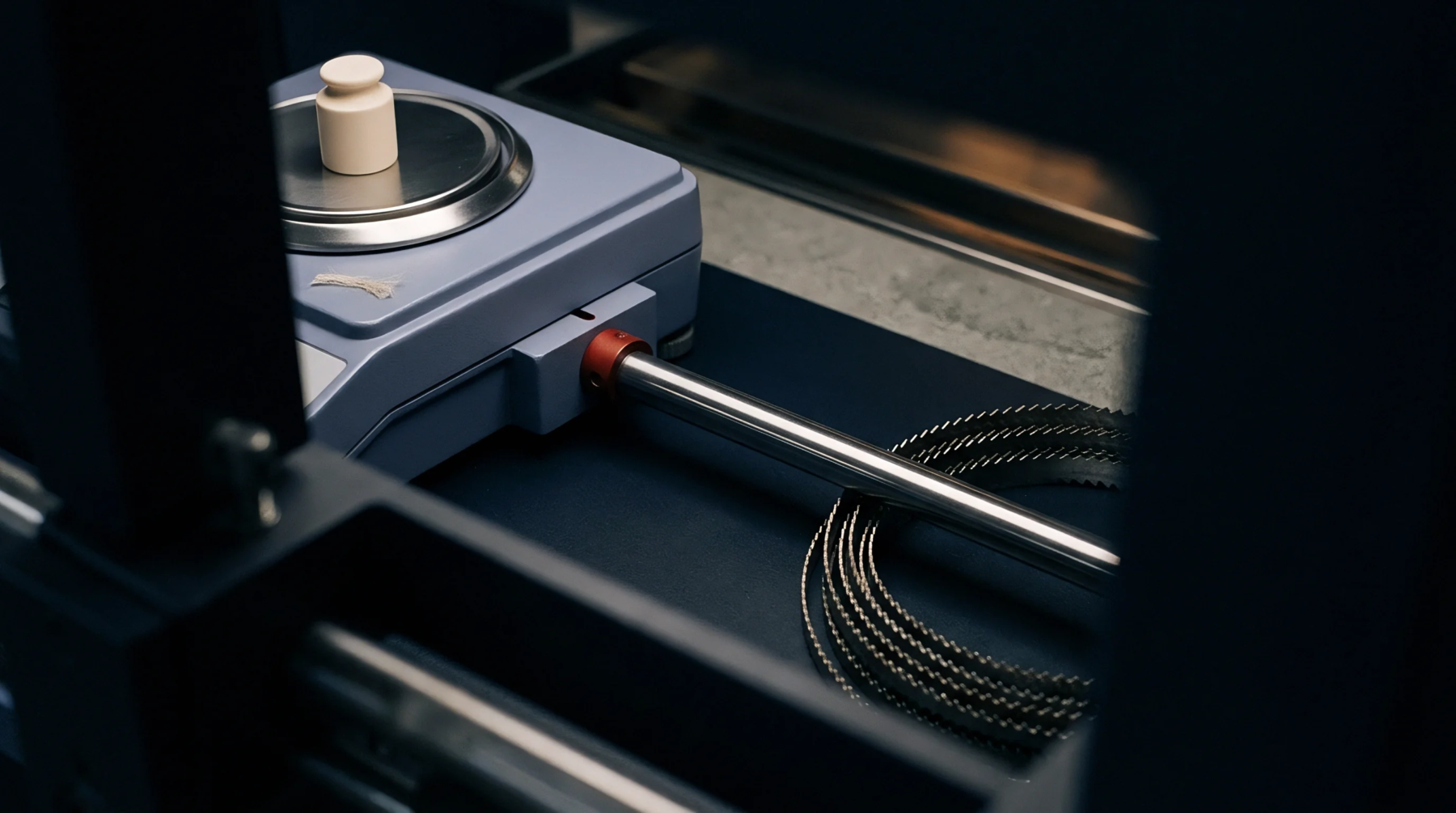
Standard woven linear density testing reconciles cloth mass per linear metre with desized, straightened yarn tex under controlled humidity.
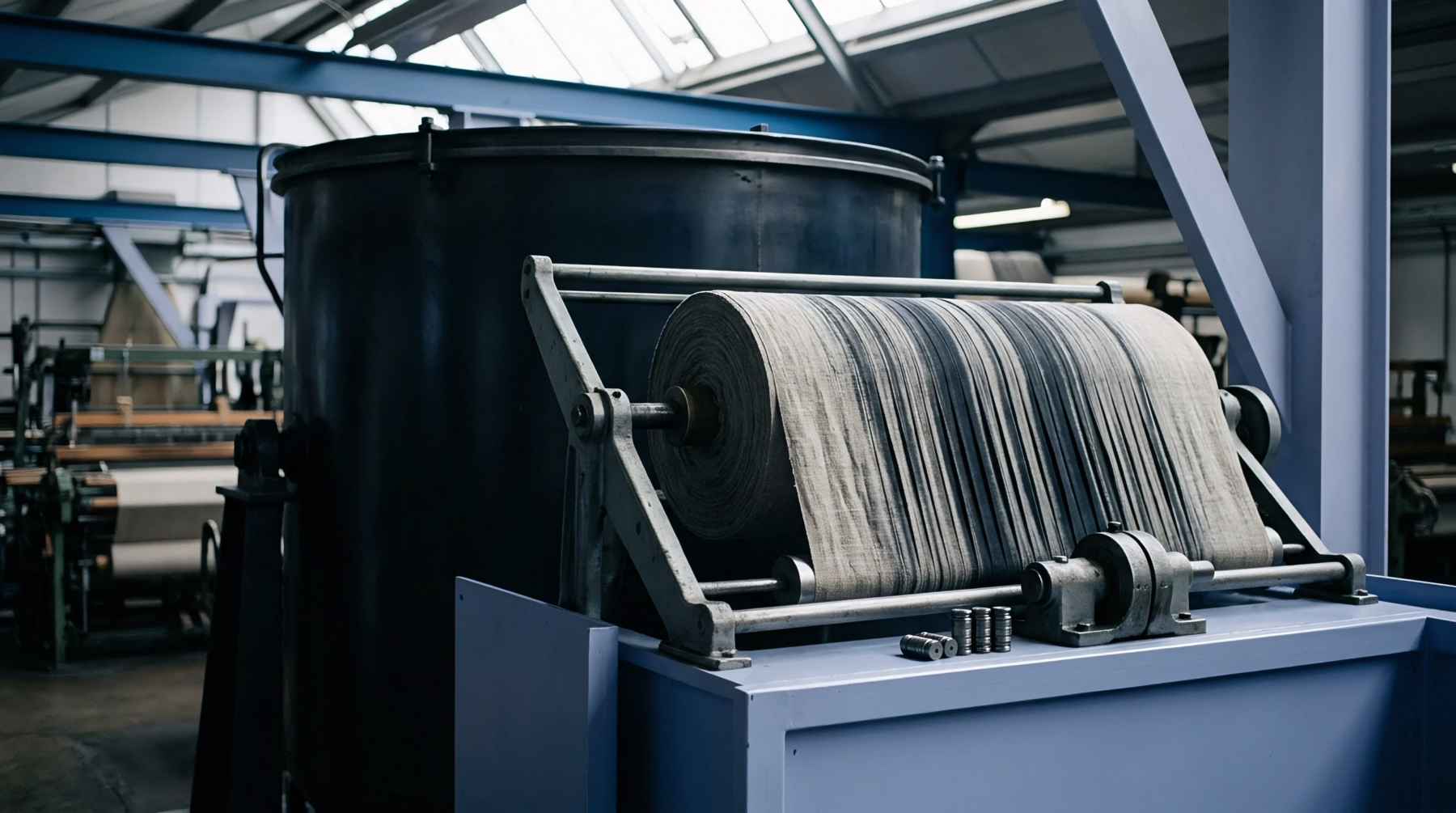
Calculating reed width requires multiplying target greige width by weft crimp and finish shrinkage allowances tailored to flax yarn modulus.
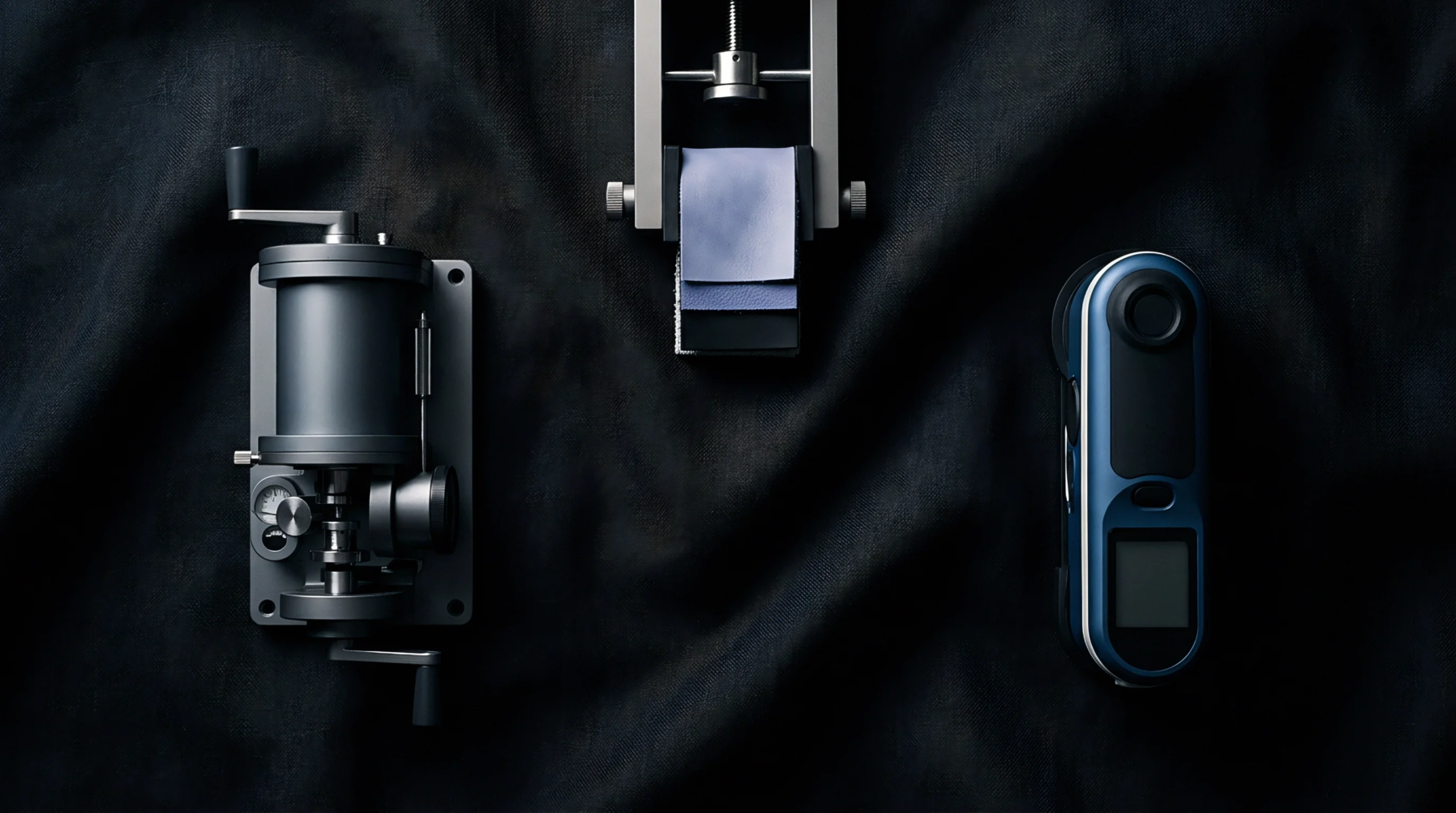
Evaluating unfinished linen crimp by ISO 7211-3 unstraightened thread ratios prevents yarn displacement faults and stabilizes post-scour finished fabric weight.
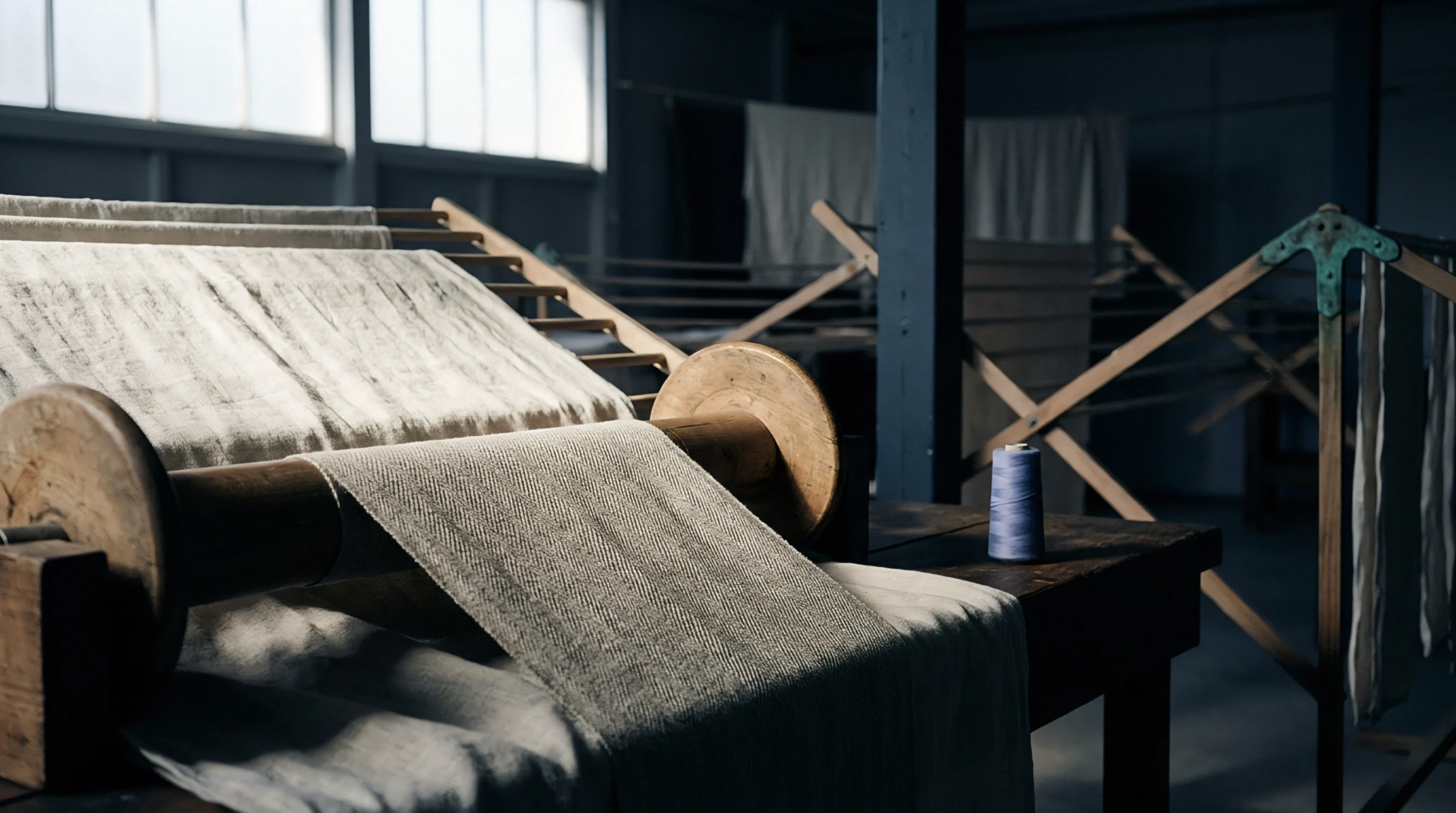
Warp take up ratio in grey plain weave determines true yarn length from cloth length, calculated via thread density, diameter, and crimp geometry.
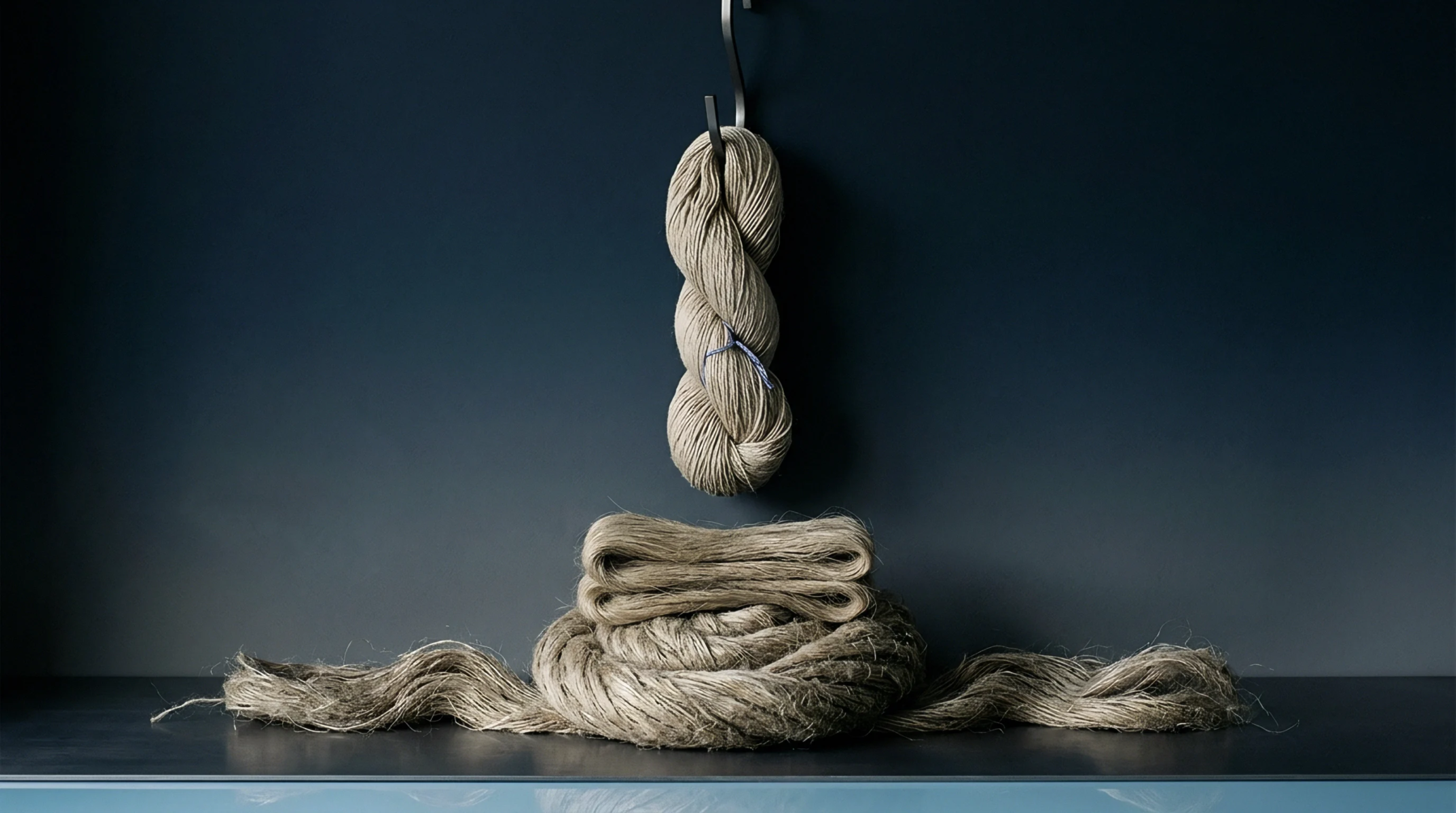
Ultrafine wet spun linen warps demand low-viscosity modified starches with acrylic binders at eight to ten percent size add-on and strict tension limits below one percent.
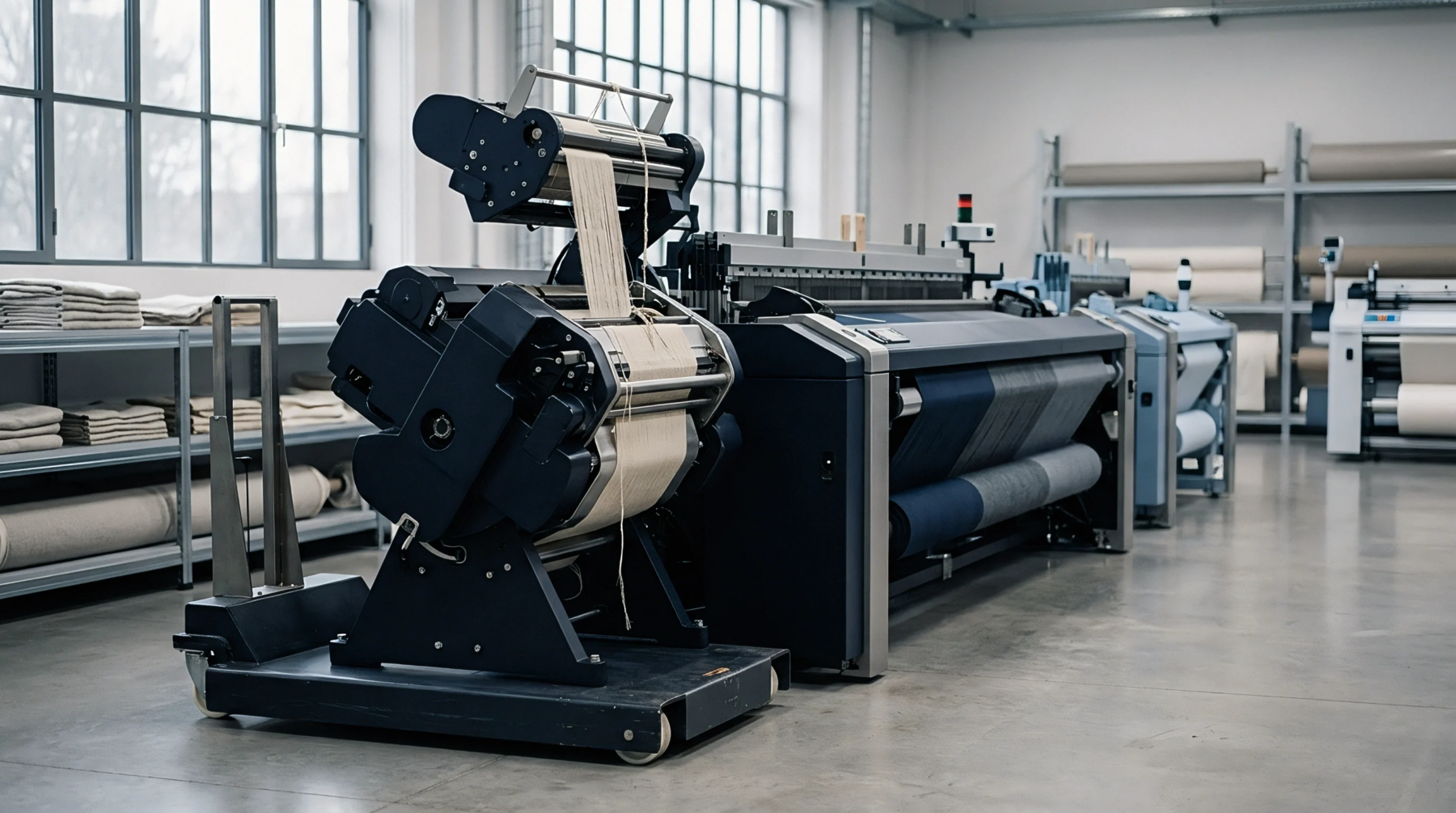
Transitioning linen weaving to mass high-speed looms requires adjusting cover factors for yarn flattening and crimp interchange to prevent weight and width off-spec faults.
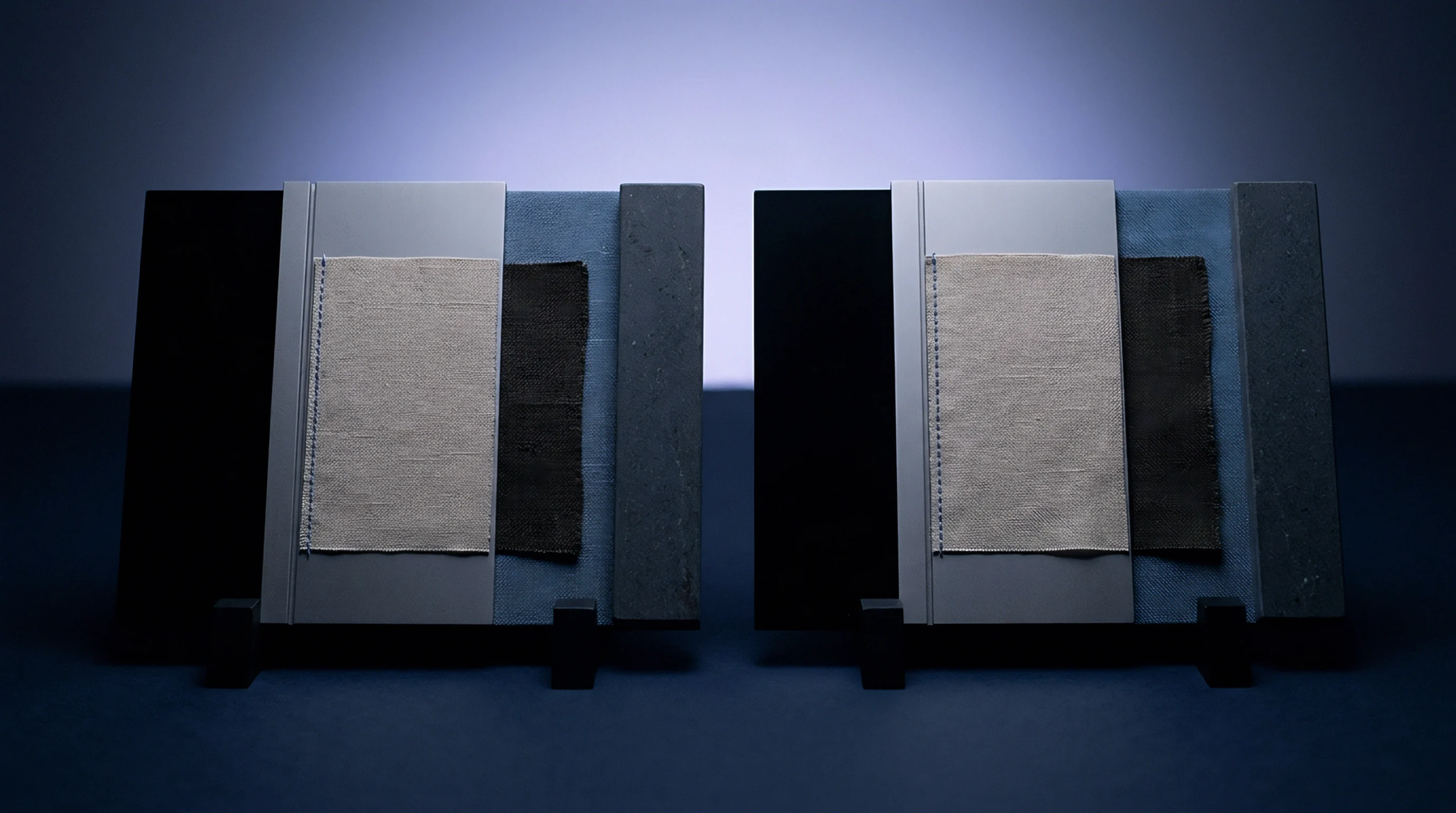
Determine woven linen weight and thread density by converting yarn Lea to Tex, applying cover factor equations, and accounting for finishing shrinkage.
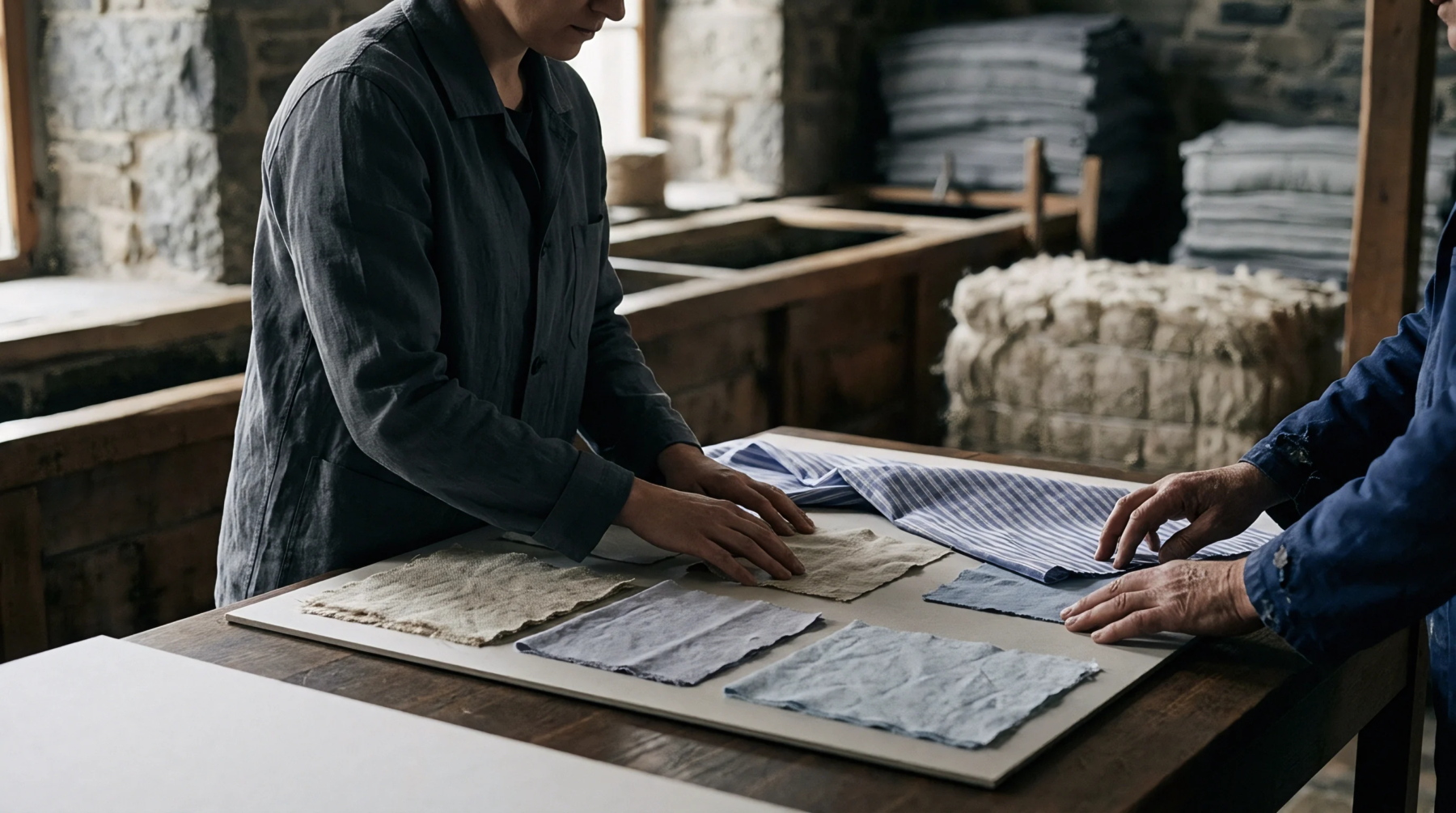
Exact yarn mass calculation for plain weave greige linen requires converting Lea to Tex, factoring warp crimp, reed width, and 12% standard moisture regain.
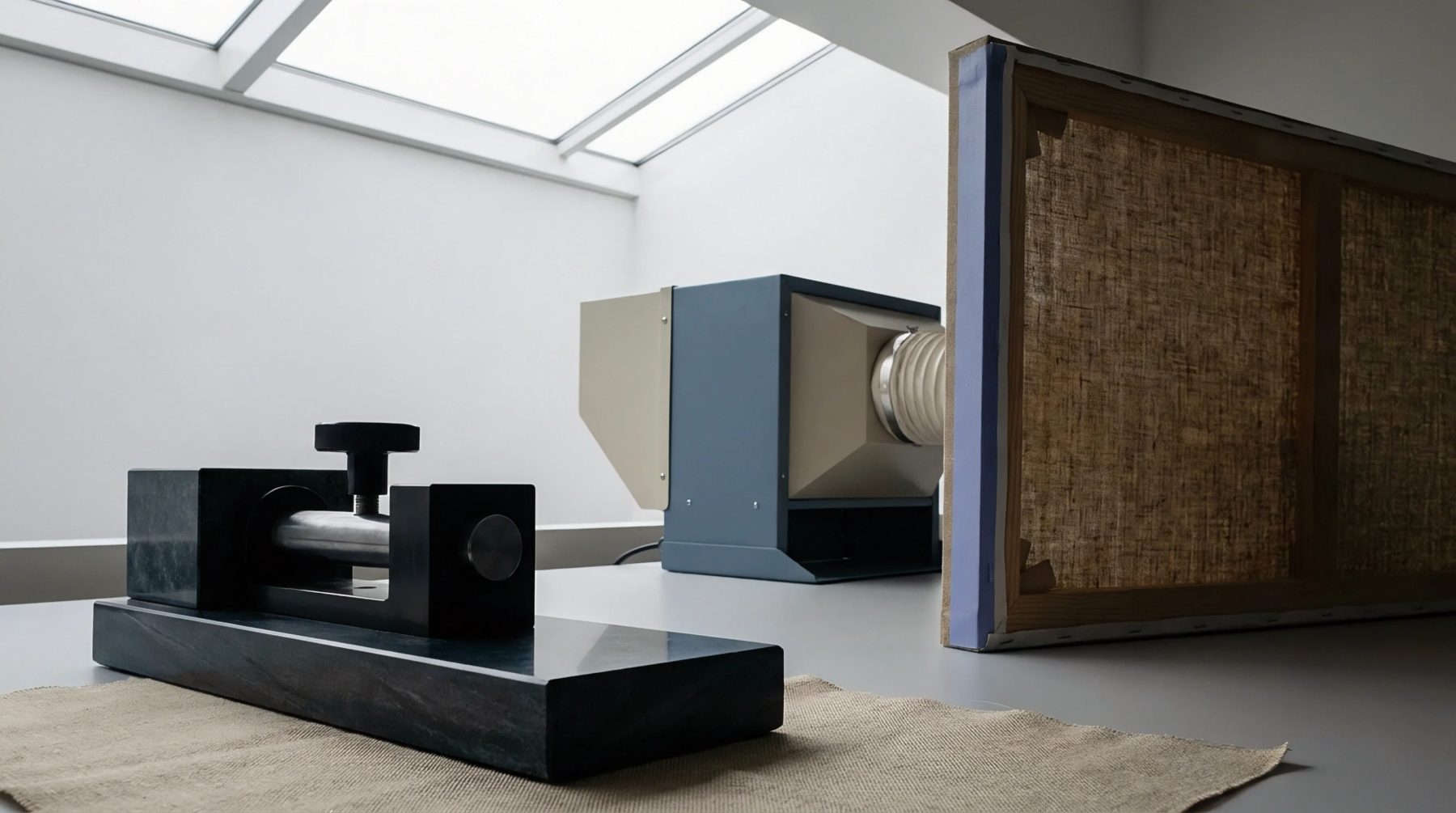
Standardized testing of flexural hysteresis and crimp balance isolates structural yarn friction, securing dimensional stability and reducing garment scrap.
Expertise is a utility, not a secret. sentiention™ publishes its working knowledge as open reference: intelligence layer covering the materials it sources, the markets it enters, and the reference that serves both.