
Predictive Dynamic Tension Kinematics in High Density Wet Spun Flax Jacquard Shedding Systems
Dynamic tension kinematics in wet spun flax jacquard shedding govern warp break rates, shed clearance precision, loom efficiency, and landed metre costs.
Dynamic tension kinematics in wet spun flax jacquard shedding govern warp break rates, shed clearance precision, loom efficiency, and landed metre costs.

High-speed flax weaving requires asymmetric shed geometry and synchronized oscillating backrests to absorb rigid bast strain and suppress starting marks.

Cyclic tensile fatigue in bast yarns stems from microfibril reorientation and dislocation slip, requiring optimized sizing and minimal shed heights on looms.

Derating dense jacquard loom speeds by 15 to 25 percent balances harness load, lowers warp breaks, and yields higher net cloth volume per loom hour.

Variable reed density in natural cellulosic warps requires dynamic tension damping to prevent high-speed shedding breaks and loom efficiency losses.

Dynamic backrest spring calibration reduces peak linen warp stress below 35 cN/tex, cutting loom stops by 80% and increasing efficiency to 96%.

Elastic sizing films, asymmetric shed timing, and capped loom speeds prevent yarn abrasion and tension rupture in ultra-high-density flax constructions.

Cohesive zone modeling prevents flax warp cleavage by matching shed opening acceleration to pectin shear yield limits.
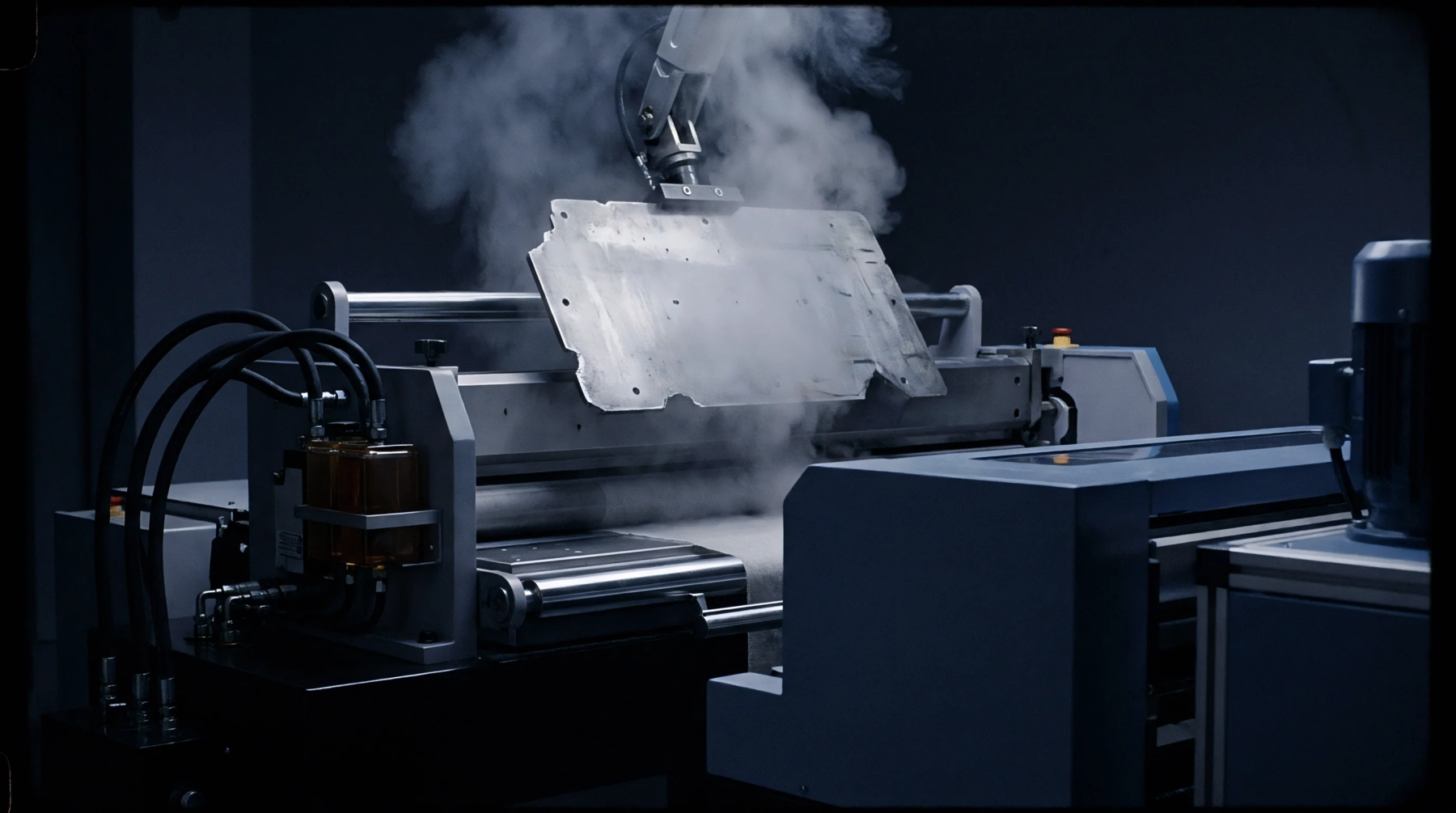
Fine wet spun linen warp breaks are minimized by capping dynamic shed strain below 2.0% through asymmetric back-rest tuning and controlled relative humidity.

Asymmetric loom sheds accelerate flax warp fatigue by shifting cyclic peak tension onto the lower yarn sheet, causing rapid microfibril fracture and stops.

Asymmetric high-tension shedding accelerates viscoelastic creep and microfibrillar fatigue in linen warp yarns, demanding precise dwell and stagger tuning to control breakage rates and fabric crimp imbalance.
Expertise is a utility, not a secret. sentiention™ publishes its working knowledge as open reference: intelligence layer covering the materials it sources, the markets it enters, and the reference that serves both.