Fibre Porosity
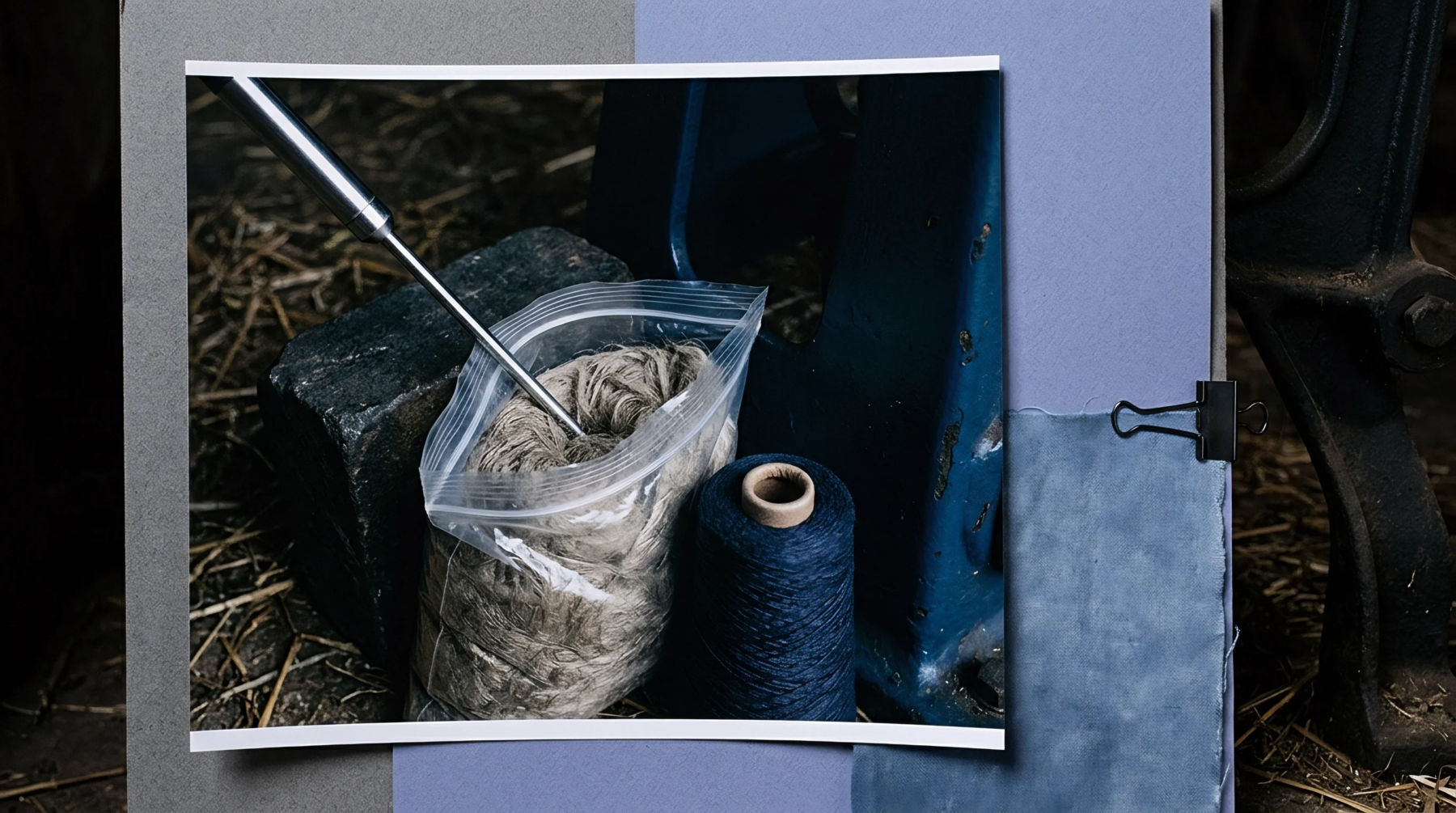
Fluid movement through compressed flax substrate depends on structural gaps between individual cellulose strands within a sliver. Air permeability measures the rate at which gas passes under pressure across a standard cross section of prepared bast material during spinning preparation. Production supervisors record this metric in the daily mill log to monitor carding consistency before roving frames draw the mass further.
Loose retted flax allows rapid flow because natural pectin removal leaves large interstice channels open. Tightly packed slivers restrict movement significantly. Heavy drafting closes gaps and alters readings downward.
Chinese mills test samples constantly to keep batches uniform.
Yarn Resistance
Drafted flax strands undergo mechanical compression during spinning on ring frames, which changes the volume of empty space inside the yarn structure. Air permeability dictates how tightly twist holds individual filaments together along the entire length of the bobbin. Mill engineers adjust spindle speeds when test values drift outside acceptance criteria set by export buyers.
Low readings indicate high twist angles and dense packing, whereas high numbers reveal loose formation that causes downstream breakage during high speed weaving on air jet looms. Excessive porosity lets humidity penetrate the core too quickly during sizing application. Operators alter ring rail tension immediately when test sheets show rising values.
Cloth Density
Finished linen fabric requires precise control over warp and weft intersection to achieve specified wind resistance targets demanded by garment manufacturers abroad. Air permeability evaluates the final fabric surface against the commercial contract by measuring volumetric flow through the woven structure under a standard pressure drop. Dense plain weaves restrict airflow severely because warp and filling yarns flatten at crossing points and block available channels.
Loose basket weaves permit high volume transfer because rectangular apertures remain open between crossing bundles. Export inspectors stamp shipping documents with average values obtained from conditioned specimens kept in standard atmospheric chambers. Laboratory technicians reject lots failing the tolerance band regardless of visual appearance.
Fabric porosity dictates garment performance under windy conditions.