Financial Exposure Dynamics from Multijurisdictional Flax Processing Reclassification in Global Linen Supply Chains
Multijurisdictional flax conversion triggers unexpected tariff shifts and retroactive duties when private sustainability certifications diverge from statutory origin laws.


Appraisal
Cross-border customs entries for finished linen goods carry legal liabilities that certificate aggregators routinely conceal from commercial purchasing desks. Raw flax straw harvested in France, Belgium, or the Netherlands enters scutching cooperatives under clear agricultural provenance standards. Once scutched long line fiber moves into maritime transit destined for Asian conversion corridors, documentary chain of custody diverges from statutory tariff classification.
Sourcing teams frequently conflate private sustainability marks with non-preferential rules of origin. A transaction certificate attesting to Western European agricultural cultivation provides zero legal insulation against customs country-of-origin determinations. Customs authorities apply strict statutory definitions governed by processing transformations, regardless of fiber purity credentials.
Importers discover this exposure when customs services issue unexpected valuation inquiries or redelivery notices. Tariff heading 5301 covers raw, retted, scutched, or combed flax fiber. Heading 5306 governs single and multiple flax yarn.
Heading 5309 controls woven textiles of flax. When French scutched line flax enters spinning mills in Jiangsu or Zhejiang, processing mechanics convert the raw bast fiber into yarn packages through carding, hackling, and wet spinning. Under United States origin statutes codified in 19 CFR 102.21, as well as European Union provisions under Article 60 of the Union Customs Code, tariff shift rules assign legal origin based on specific transformation steps.
Woven linen goods produced from yarn spun inside the People’s Republic of China obtain Chinese origin for tariff assessment, trade remedies, and entry declaration purposes, even when raw fiber content maintains single-origin European certification.
A private scheme certificate issued for agricultural stewardship carries no statutory standing before a customs inspector reviewing an entry summary.
Financial liabilities accumulate when importers clear finished linen shipments under European preferential tariff schedules or declare third-country origin to bypass punitive duties. United States List 4A Section 301 tariffs impose a seven-and-a-half percent additional duty on linen apparel and home textile lines originating from China under Chapters 62 and 63. Woven piece goods classified under subheadings 5309.19 and 5309.29 carry standard most-favored-nation duty rates between two point seven percent and eight point eight percent.
Reclassification by customs brokers or compliance enforcement audits forces immediate retroactive assessment of unpaid duties across all unliquidated entries. Liquidations remain open up to three hundred and fourteen days following entry under standard automated commercial environment processing, leaving open exposure windows that span entire retail buying seasons.
| Processing Stage | Harmonized System Code | United States MFN Duty | Section 301 Exposure | Statutory Origin Attribution |
|---|---|---|---|---|
| Scutched Long Line Flax | 5301.21.00 | Free | Zero percent | European Union |
| Hackled Flax Sliver | 5301.30.00 | Free | Zero percent | European Union |
| Wet Spun Linen Yarn | 5306.10.00 | Free | Zero percent | China |
| Unbleached Woven Cloth | 5309.11.00 | Three percent | Seven point five percent | China |
| Dyed and Finished Woven Cloth | 5309.19.00 | Eight point eight percent | Seven point five percent | China |
| Finished Linen Bed Linen | 6302.29.00 | Six point seven percent | Seven point five percent | China |
Documentary divergence appears whenever a mill supplies an invoice describing European Flax fiber while issuing a commercial invoice reflecting local conversion. Certification bodies track mass balance from scutcher delivery notes to final spinning lots. Customs agencies ignore volumetric mass balance algorithms completely.
Border officials examine tariff shifts, processing locations, and physical operations performed within discrete territorial borders. An importer who purchases finished linen sheeting cut and sewn in Southeast Asia from Chinese-woven cloth faces immediate reclassification under origin accumulation statutes. The finished good takes Chinese origin because weaving represents the foundational transformation determining origin under multi-country textile rules.
The trade desk absorbs unexpected cash outflows across freight, duties, and broker correction fees.
European parent certificates are frequently presented as validating full exemption from Asian origin declarations, but customs authorities routinely reject that claim.
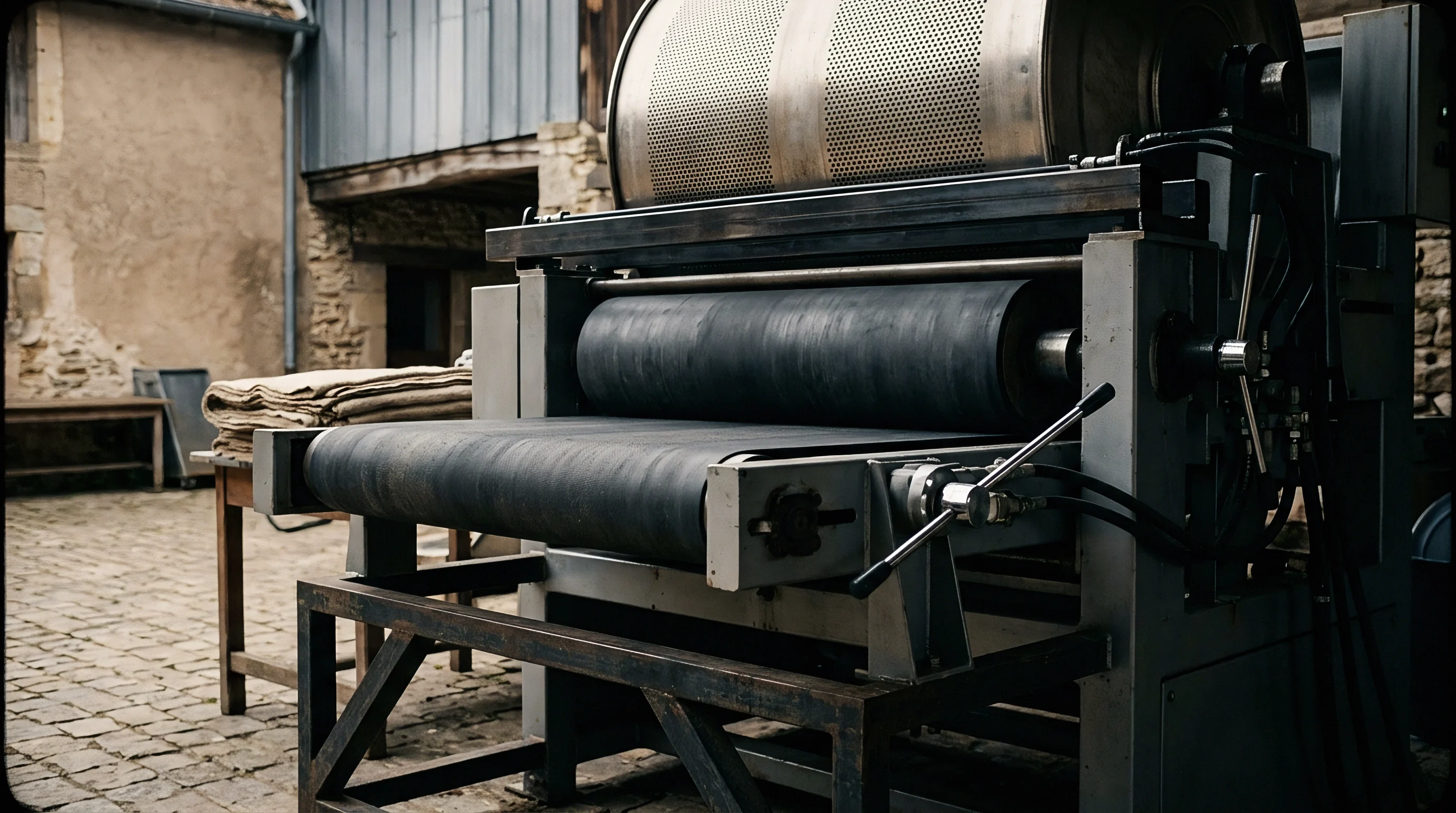
Bobbin
Physical transformation inside a wet spinning plant dismantles the natural pectin structures binding flax fiber bundles. Scutched long line flax arrives at Chinese mills compressed in dense bales weighing two hundred kilograms. Hackling machines pass the raw fiber through graduated pins, separating long line fibers from short tow.
Combing slivers are blended to achieve consistent bundle fineness before transfer to roving frames. Roving bobbins are submerged in hot water baths heated between sixty and seventy degrees Celsius. This thermal bath softens intercellular gums, allowing drafting rollers to attenuate fibers down to fine counts between twenty-six and thirty-six metric count.
Wet spinning inserts high twist into the attenuated roving, producing smooth, strong yarn wrapped onto perforated bobbins.
Mass loss throughout hackling and wet spinning alters the input-to-output ratios tracked on customs declarations. One metric ton of long line flax yield produces between seven hundred and eight hundred kilograms of wet-spun line yarn. Combing waste and short tow comprise the remaining balance.
Moisture regain adds further weight variation across physical lots. Commercial linen tolerances recognize an official regain allowance of twelve percent under international testing standards. Bale tags collected in Jiangsu warehouse depots reveal that incoming fiber shipments show actual moisture readings between eight point five percent and ten point two percent.
Wet spun yarn exiting package drying machines stabilizes near eleven point eight percent moisture content. Customs auditors cross-checking mill intake sheets against yarn delivery logs flag these moisture-induced variances as undeclared volume discrepancies.
- Unregistered sliver blending obscures the precise territorial origin of secondary fiber inputs mixed during roving preparation.
- Moisture regain distortions produce unexplained gross mass expansions between dry fiber entry and humidified yarn packing.
- Tow reassignment protocols divert lower-grade scutching waste into secondary spinning runs without updating transaction certificates.
- Lot aggregation procedures merge multiple European scutching delivery lots into unsegregated mill soaking pits.
Ring spinning bobbins move directly to winding machines that clear slubs and splice breaks before yarn packaging. Spinning operators assemble cones onto wooden pallets wrapped in protective plastic. Bale tags from the European scutcher remain filed in the front office while the mill issues new internal spinning batch codes on carton labels.
Traceability breaks down whenever a single spinning lot incorporates slivers from multiple fiber origins. Mills mix lower-cost domestic Chinese flax or Russian tow with European flax to stabilize running costs. Transaction certificates issued by certification associations rarely reconcile down to individual spinning bobbins.
They certify volume throughput over semi-annual audit cycles.
A twelve percent moisture regain allowance shifts commercial billings without altering physical fiber content.
Weave sheds convert yarn cones into warps on high-speed sectional warping machines. Sizing agents applied to warp yarns protect delicate bast fibers from loom friction. Air-jet or rapier looms insert filling yarn at speeds exceeding four hundred picks per minute.
The resulting greige cloth leaves the loom room stacked on A-frames or rolled on cardboard tubes. Loom records record yarn batch consumption, machine numbers, and total picks per centimeter. Customs compliance auditors examining Chinese conversion facilities inspect these exact loom-state records rather than corporate sustainability brochures.
Discrepancies between loom run dates and raw fiber importation entries trigger immediate fraud investigations under trade enforcement protocols.
Bale tags left in an office drawer cannot prove physical segregation on a running spinning line.


Substantiality
Statutory classification of multijurisdictional linen products depends on the non-preferential substantial transformation doctrine applied by regional customs directorates. United States Customs and Border Protection operates under 19 CFR 102.21, a specific regulatory regime establishing rigid textile origin hierarchies. Under this statute, weaving greige cloth confers non-preferential origin regardless of yarn spinning location.
Bleaching, dyeing, printing, and softening operations fail to meet the substantial transformation threshold when performed on pre-existing greige textiles. European Union customs authorities apply Article 60(2) of Regulation (EU) No 952/2013, assigning origin to the territory where the final, economically justified, substantial processing took place. A conflict arises when identical processing sequences receive opposing origin assignments from different national customs desks.

Is Reclassification Retroactive across Open Entries?
Customs agencies initiate reclassification proceedings by issuing formal administrative inquiries against unliquidated or conditionally released entries. Within the United States, port directors issue CBP Form 28, demanding complete manufacturing records from fiber intake through final garment packaging. Importers have thirty days to produce mill-floor proof.
Failure to establish that manufacturing stages complied with specific tariff shift rules results in CBP Form 29, issuing formal Notices of Action. These notices reclassify declared goods, assign correct country-of-origin markings, and recalculate duty assessments. Customs officers apply reclassifications retroactively to every open customs entry filed within the statutory liquidation period.
Unliquidated entries remain exposed to tariff adjustments for nearly a year under routine customs processing. Extensions granted under Section 504 of the Tariff Act of 1930 push final liquidation deadlines up to four years from the initial importation date. When customs authorities determine that an importer demonstrated negligent disregard for origin regulations, statutory discovery periods extend across five full calendar years under 19 U.S.C. 1592.
Financial exposure expands exponentially as customs officers review prior shipments cleared under identical supply arrangements. Importers face catastrophic balance-sheet adjustments when long-settled product margins get erased by back-duty assessments.
Substantial transformation tests in non-textile manufacturing rely on subjective assessments of name, character, and commercial use. Textiles operate under explicit statutory tariff shifts. Spinning raw flax tow into yarn represents an irreversible transformation of physical character.
The fibrous mass converts into an organized, high-tensile structural yarn. Converting yarn into woven cloth produces a flat textile plane with distinct mechanical properties. Finishing processes, including mercerization, enzymatic washing, and polyurethane coating, alter surface aesthetics without altering structural classification.
Customs authorities reject claims that fabric finishing constitutes substantial transformation. The origin remains bound to the nation where the loom interlaced warp and weft.
United States customs statutes assign origin to the weaving territory regardless of where subsequent dyeing occurs.
International contract disputes erupt when buyers attempt to pass origin liabilities back to downstream converters. A brand contracts with a cut-and-sew facility in Portugal, specifying European Flax yarns. The Portuguese mill imports Chinese-spun linen yarn produced from Normandy flax straw, weaves the cloth in Porto, and delivers finished home goods.
Under United States rules of origin, weaving in Portugal confers Portuguese origin for entry under Chapter 63. Under European export documentation, the high value of Chinese spinning sometimes impairs the product from securing preferential movement certificates under bilateral free trade agreements. Importers must reconcile conflicting legal tests across every jurisdiction involved in the production chain.
The core legal ambiguity remains whether automated mechanical hackling and wet spinning constitute independent origin-conferring processing within customs jurisdictions that lack specific tariff shift codification.

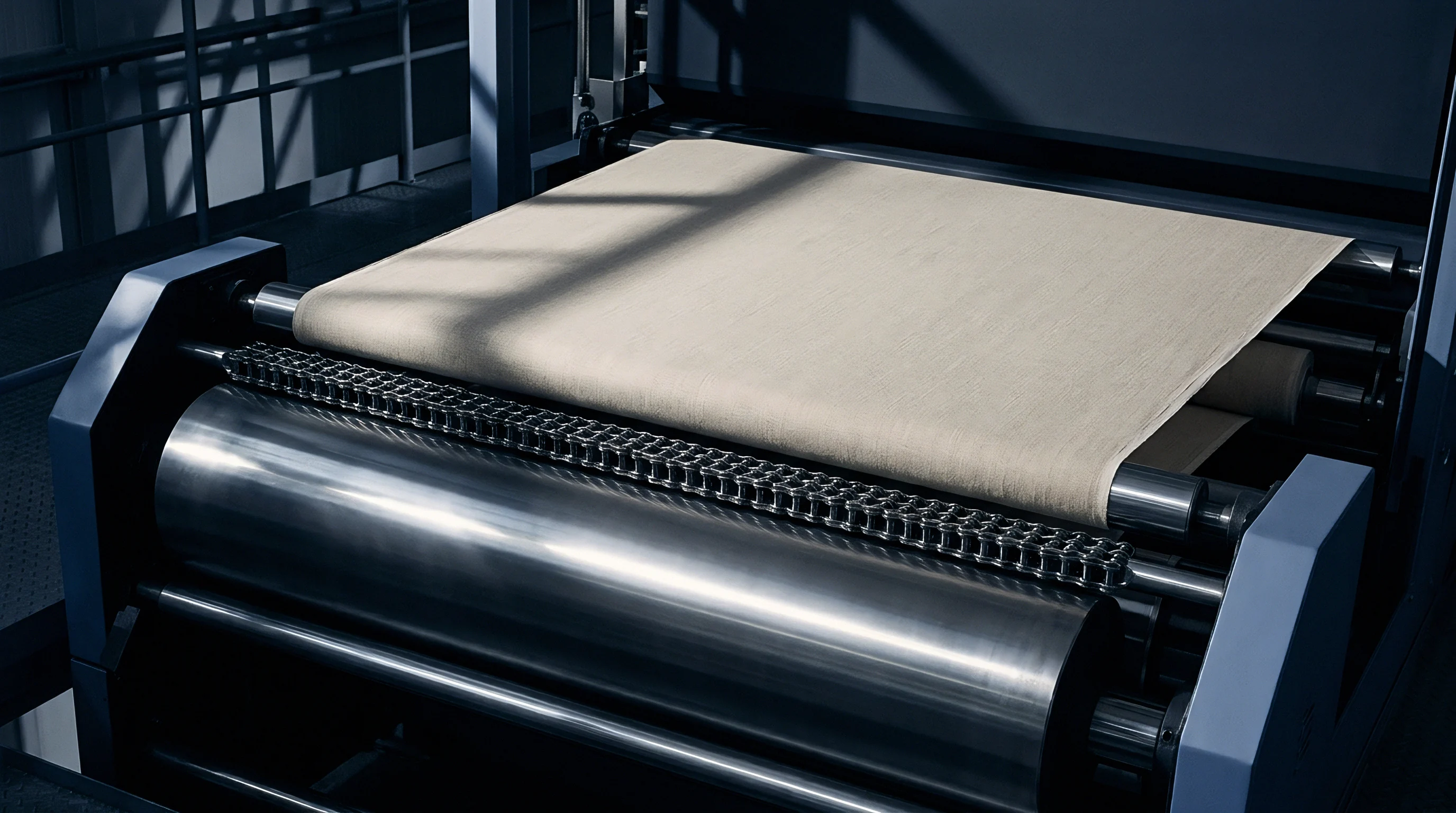
Clawback
Retroactive duty clawbacks dismantle operating margins through immediate liquidity demands. When customs authorities reclassify a linen shipment, importers must pay accumulated duty differentials, compounding interest, and commercial clearance penalties. Consider an apparel importer sourcing woven linen shirts.
The declared entry lists Vietnam as the country of origin based on cutting and assembly operations. An audit reveals that the woven cloth originated from a weaving mill in Shaoxing using European Flax raw fibers. Customs officials reclassify the shirts under Section 301 rules, asserting Chinese origin because the textile components achieved their essential character in China prior to garment cutting.
The importer receives an immediate bill for the seven-and-a-half percent Section 301 assessment, plus the base rate differential under Chapter 62.

Will Customs Bond Limits Absorb Liquidation Adjustments?
Continuous import bonds protect customs authorities against importer default, but they provide zero financial protection to the importing business entity. Under United States regulations, importers maintain continuous customs bonds calculated at ten percent of total duties, taxes, and fees paid over the previous twelve-month period. Minimum bond levels set at fifty thousand dollars quickly fail when retroactive tariff adjustments hit multijurisdictional supply lines.
A medium-scale importer clearing twenty million dollars of linen goods annually maintains a bond near two hundred thousand dollars. A reclassification event imposing fifteen percent aggregate back-duties on ten million dollars of open entries creates a one-point-five million dollar cash liability. This liability exceeds the face value of the surety bond by seven hundred percent.
Sureties demand immediate collateral deposits the moment customs issues demands against an import bond. If an importer fails to settle customs supplemental duty bills within thirty days, the surety covers the immediate government assessment and initiates legal actions to seize company assets. The customs service concurrently issues demands for bond increases.
Customs port directors revoke import privileges for companies that fail to post elevated bond collateral within fifteen business days. Inability to meet collateral calls freezes inbound inventory at sea terminals. Container demurrage fees accumulate at rates between one hundred and fifty and three hundred dollars per container per day.
Supply lines freeze completely while liabilities continue to compound.
- Review every active customs entry summary filed across the previous twelve months under Chapter 53, 62, and 63 classifications.
- Extract factory production logs to confirm the physical location of wet spinning, weaving, and wet processing facilities for each declared shipment.
- Compare declared non-preferential country of origin against the statutory weaving or spinning shift requirements defined by the importing country.
- Recalculate total tariff exposure by applying full most-favored-nation rates, trade remedy additions, and compounding statutory interest charges.
- Issue formal demands to suppliers for contractual indemnity and reserve cash capital to satisfy customs supplemental duty invoices.
Cash reserve depletion accelerates under prolonged audit cycles. Trade compliance attorneys charge hourly rates between six hundred and twelve hundred dollars to draft formal protests under 19 U.S.C. 1514. Laboratory testing fees to establish fiber diameter, lignin content, and physical twist mechanics run between eight hundred and two thousand dollars per sample.
Independent textile specialists examine yarn structures to challenge government determinations of fiber origin. The administrative protest timeline spans eighteen to thirty-six months before final administrative rulings issue from customs headquarters. Capital reserves remain tied up throughout the review cycle, restricting inventory purchasing power for following production seasons.
| Financial Line Item | Compliant European Conversion | Chinese Converted Declared China | Chinese Converted Misdeclared EU | |
|---|---|---|---|---|
| Raw Scutched Fiber Cost (Forty Tonnes) | $320,000 | $320,000 | $320,000 | |
| Spinning, Weaving, Finishing Charges | $480,000 | $260,000 | $260,000 | |
| Finished Goods Commercial Value | $800,000 | $580,000 | $580,000 | |
| Standard MFN Duty (Heading 5309.19) | $70,400 | $51,040 | $0 | |
| Section 301 Punitive Duty (7.5%) | $0 | $43,500 | $0 | |
| Retroactive Clawback Assessment | $0 | $0 | $94,540 | |
| Customs Interest and Audit Penalties | $0 | $0 | $28,362 | |
| Total Landed Cash Outlay | $870,400 | $674,540 | $702,902 | |
| Assumes forty metric tons scutched flax yielding thirty-two metric tons wet-spun yarn converted into one hundred forty thousand meters finished woven cloth. | ||||
Importers operating on net margins between six and nine percent face immediate balance-sheet insolvency when customs audits overturn historic entries. Cash flows dry up as commercial lenders freeze inventory credit lines upon receiving notification of unbonded customs claims. Factor houses reject invoices tied to retailers who hold conditional chargeback rights for mislabeled goods.
Secondary buyers refuse delivery of off-spec or misbranded product lines, forcing distressed liquidations at twenty to thirty cents on the dollar. The financial shock passes through the importing entity directly to corporate shareholders under personal guarantee covenants.
Miscalculating transformation rules triggers comprehensive corporate audits that convert standard trading profits into massive regulatory debt obligations.

Escrow
Contractual risk distribution requires clear separation between commercial fiber warranties and regulatory origin compliance. Sourcing agreements must isolate the physical conversion chain from marketing certifications. Letters of credit opened in favor of Asian mills must condition payment release on the delivery of verifiable customs origin packs.
These document dossiers include non-manipulation certificates, weighbridge receipts, spinning logs, and loom allocation charts matching declared invoice yardage. Relying on an annual sustainability scope certificate allows mills to ship goods converted from unverified fiber blends while presenting clean commercial papers to negotiating banks.
Commercial contracts must establish dedicated indemnity funds to protect buyers against future customs reclassifications. Sourcing desks establish rolling escrow accounts funded by a five to eight percent holdback on the commercial invoice value of finished goods. Escrow agreements hold these funds in third-party banking custody until the underlying entry summaries achieve final liquidation status with customs authorities.
If a border agency initiates an origin inquiry or assesses supplemental duties, the escrow agreement releases capital directly to the buyer to cover customs obligations. The supplier receives the remaining escrow balance once entries clear without governmental challenge.
- Statutory origin warranties affirm that the supplier assumes complete financial liability for non-preferential origin misdeclarations.
- Batch reconciliation records require the mill to submit machine logs matching raw fiber intake kilograms to finished cloth linear meters.
- Direct audit covenants grant the buyer unrestricted access to spinning floor production sheets and internal laboratory moisture testing logs.
- Escrow holdback schedules dictate retention terms linking fund releases to formal customs entry liquidation notices.
Suppliers frequently reject extended escrow terms due to operating margin pressures. The commercial compromise involves securing third-party origin insurance or irrevocable standby letters of credit issued by international financial institutions. Standby letters of credit remain active for twelve months following the bill of lading date, providing an accessible recovery pool if customs audits trigger back-duty notices.
Sourcing desks eliminate high-risk suppliers who refuse origin indemnification terms. A supplier unwilling to back origin declarations with financial guarantees knows their internal production processes fail statutory tracing standards.
A rolling escrow holdback tied to customs liquidation protects operating capital against retroactive trade remedy assessments.
Procurement teams must integrate customs attorneys directly into early supplier qualification procedures. Sourcing managers evaluate fiber hand-feel, shade consistency, and basic tensile strength. Customs counsel evaluates whether the factory structure can survive an intensive supply chain origin audit.
Procurement contracts written with explicit origin representations transform vague vendor statements into legally enforceable debts. Clear contractual mechanisms prevent the importing firm from absorbing liabilities generated by offshore manufacturing substitutions.
The standard supply agreement incorporates a clause stating that any customs assessment arising from origin reclassification triggers an automatic, non-rebuttable setoff against all outstanding accounts payable across the vendor portfolio.