Quantifying Mass Yield Loss in Long Line Flax Wet Spinning
Wet spinning long line flax generates 35 to 40 percent mass yield loss from hackling shive ejection, hydrothermal pectin extraction, and ring frame waste.
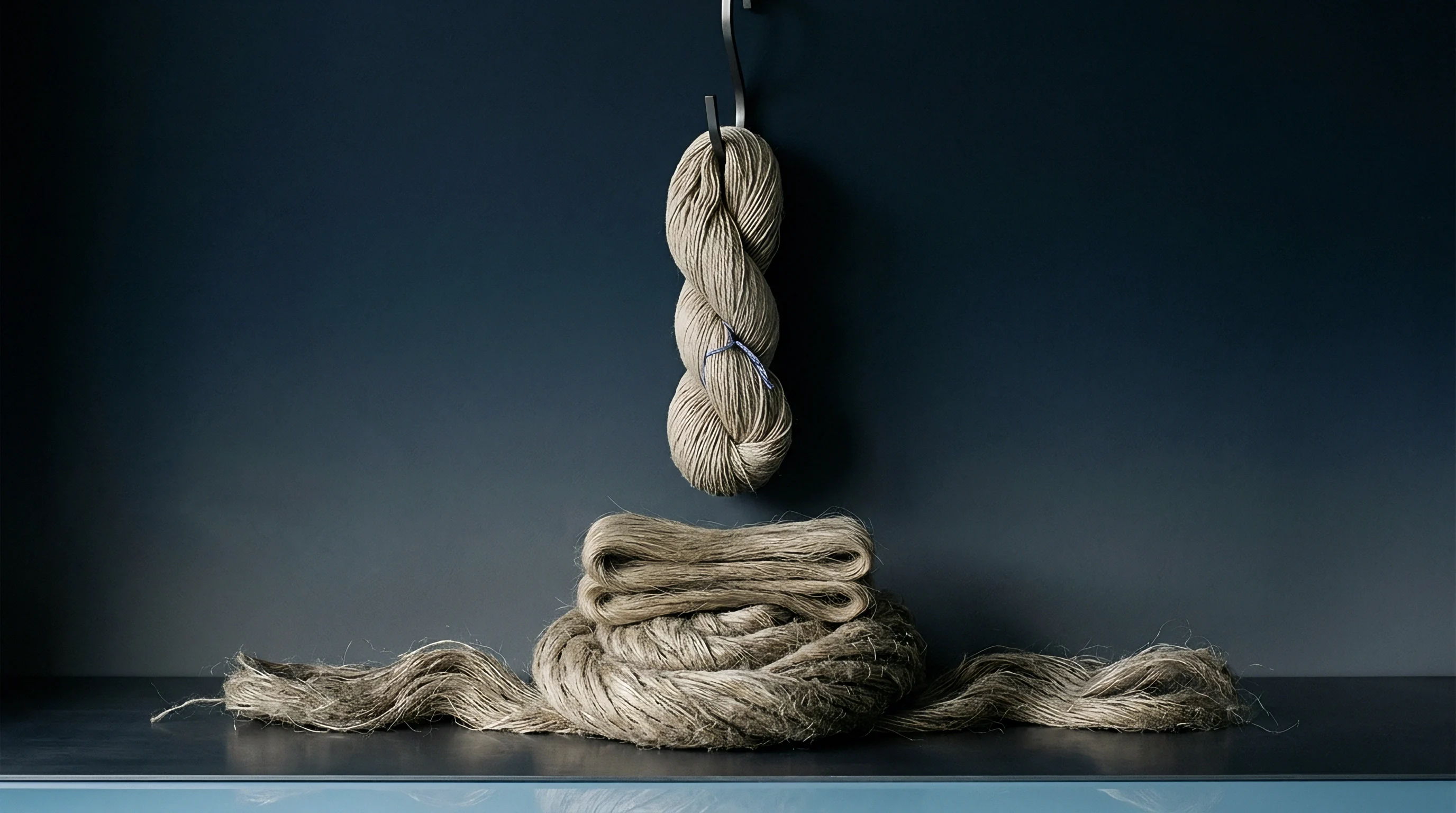

Comb
Raw scutched flax arrives at the mill as long parallel bundles containing non-cellulosic impurities, cortical parenchyma, and epidermis fragments. Mechanical processing separates these raw technical fibers into spinnable long line sliver while ejecting short fiber fraction and woody shive. The initial divider between raw fiber input and usable spinning stock is established on the hackling frame, where pinned aprons combs the bundles under controlled tension.
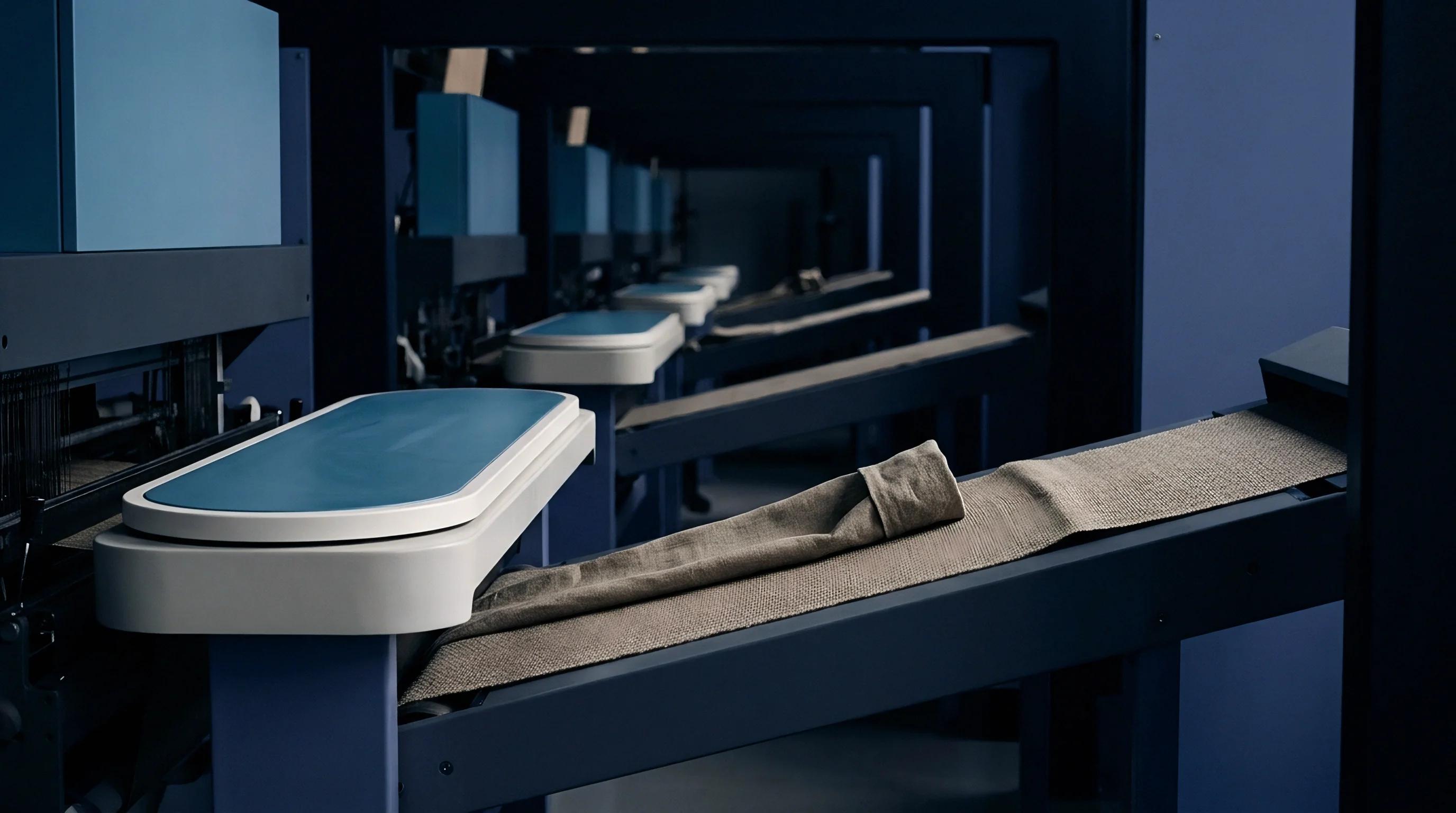
Mechanical Bundle Division and Epidermal Rejection
Steel pin beds strike the bundle tails to separate parallel filaments while dislodging trapped woody shive particles. Fiber breakage occurs when brittle, ill-retted bundle ends strike high-density pin fields. Hackling separates bundle tip filaments.
Short fibers enter tow streams. The mechanical action divides the scutched fiber lot into long line hackled flax, hackle tow, and coarse under-machine waste.
Mass loss at this stage depends on raw fiber retting degree, moisture level at feeding, and pin density gradient across the hackling zones. Over-retted fiber fractures under pin impact, increasing tow yields at the expense of long line sliver. Under-retted fiber retains cortical bark, driving up shive ejection mass and airborne dust shedding.
Scutched flax contains residual shive.
| Process Step | Dominant Mechanism | Typical Loss Range (%) | Secondary Output Destination |
|---|---|---|---|
| Hackling Creel Feeding | Bundle tip breakage and dust release | 0.8 – 1.5 | Dust extraction filters |
| Primary Pin Beds | Shive particle detachment and coarse tow removal | 14.0 – 22.0 | Coarse hackle tow stream |
| Secondary Pin Beds | Fine filament separation and short fiber slippage | 8.0 – 12.0 | Fine hackle tow stream |
| Drawing and Gilling | Airborne fly generation and suction box collection | 1.2 – 2.5 | Aspirator collection boxes |
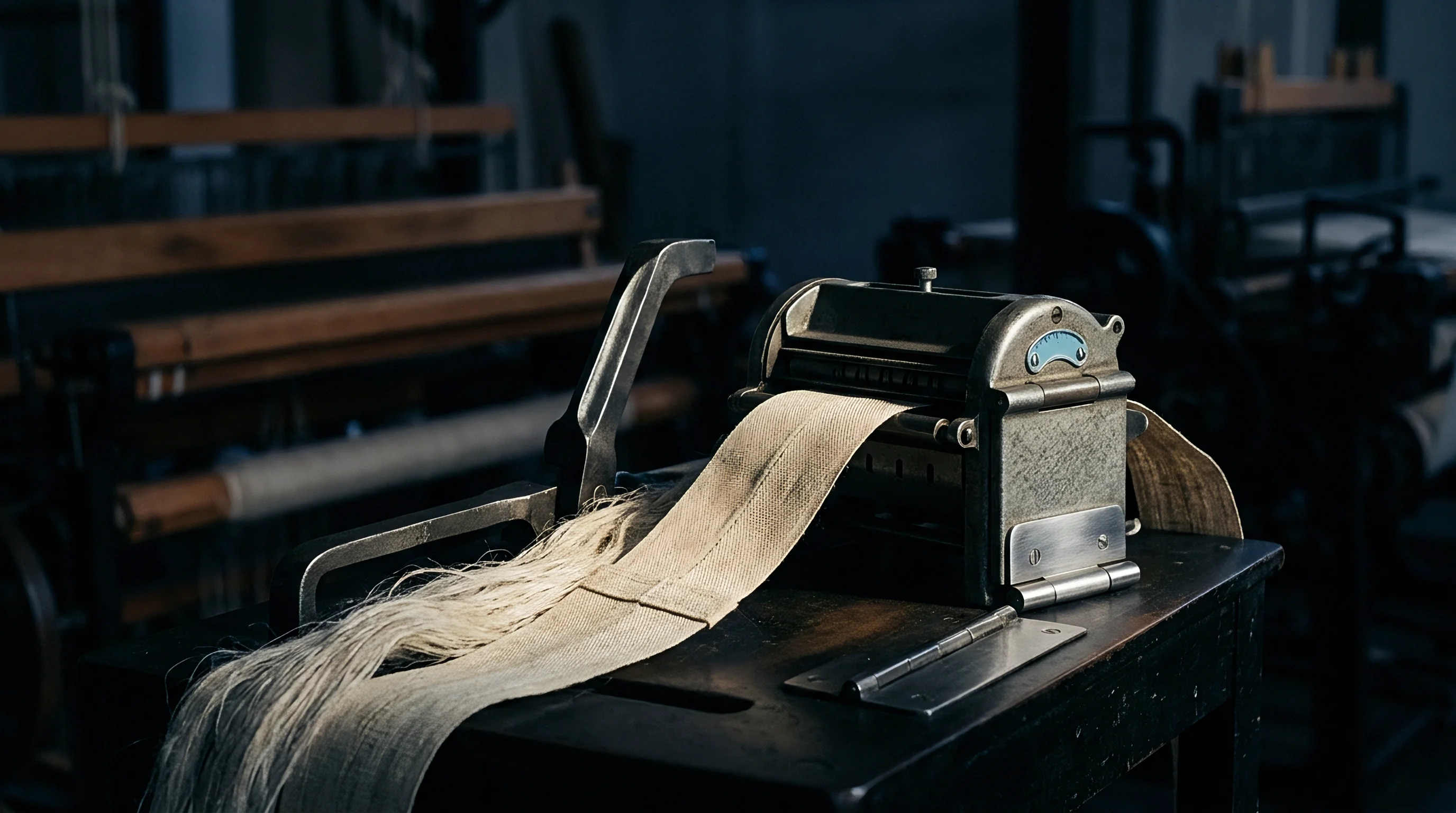
Sliver Preparation and Drawing Line Losses
Doubling frames align hackled bundles into continuous slivers through repeated attenuation over pin gills. Faller bars control individual fiber speed during draft, preventing uncontrolled bundle slipping. Airborne fiber fly collects on drafting zone covers, where pneumatic cleaning pipes sweep low-density material into centralized dust collectors.
- Shive Ejection Wooden core particles detach under mechanical pin impacts, depositing high-density matter into under-machine collection bins.
- Short Fibre Fractionation Filaments under 120 millimeters slip through hackle pins, entering the secondary tow stream rather than remaining in long line sliver.
- Dust and Cortical Shedding Microscopic bark particles and dried cellular debris become airborne under high-speed pin entry, exiting through extraction dust filtration units.
- Tip Snap Mass Reduction Brittle bundle ends fracture during initial hackle pin insertion, generating short fibre waste at the feeding creel.
Sliver uniformity requires consistent removal of short fibers before roving package formation. The drafting process reduces linear mass density while extracting remaining non-parallel filaments. Fine yarns demand higher draft.
Each pass through a gill box extracts a measurable fraction of total fiber mass as suction waste or fly.
Mill managers frequently explain high hackling weight reductions by citing weather conditions during field retting that weakened bundle tip structure.

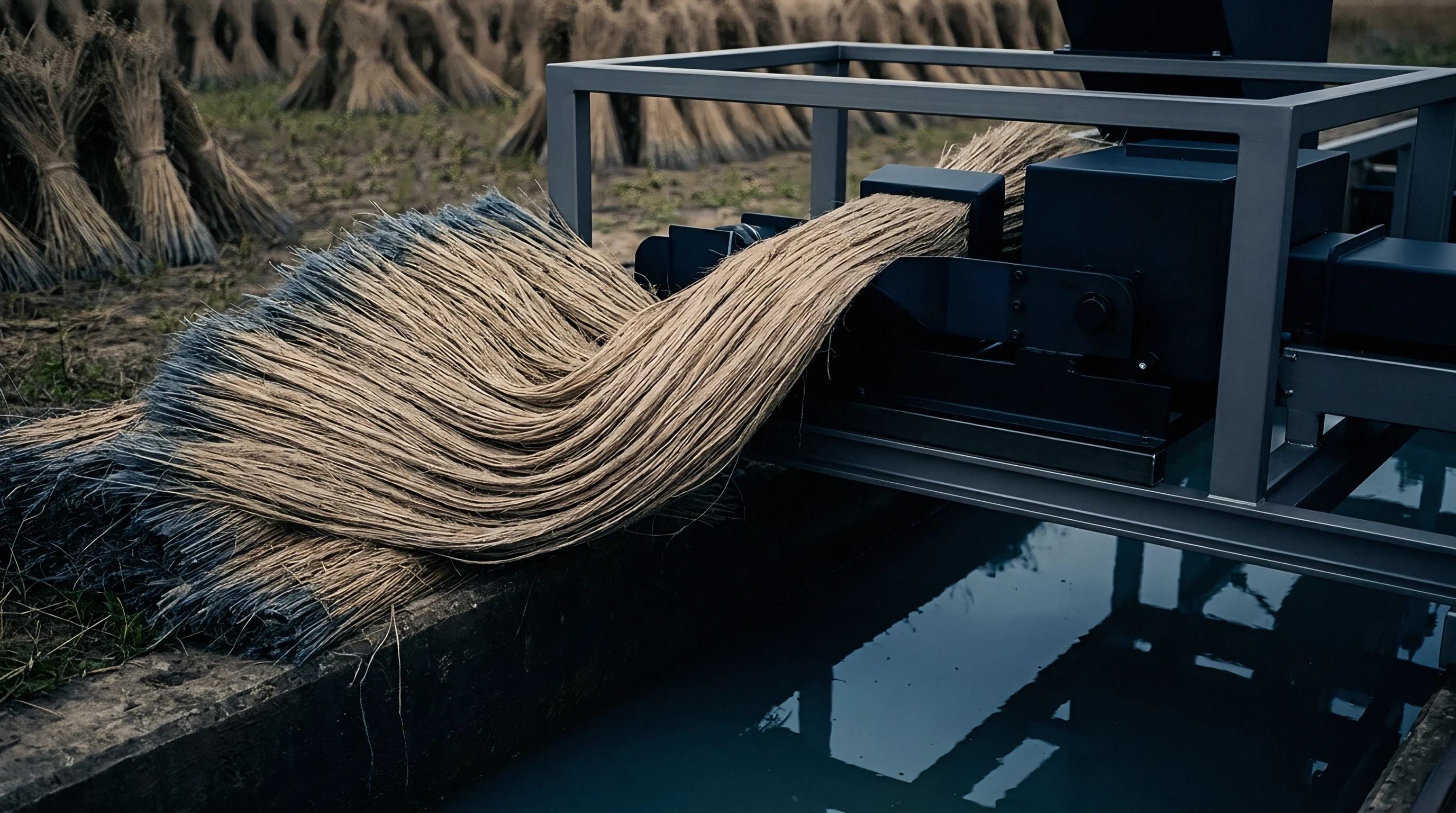
Leach
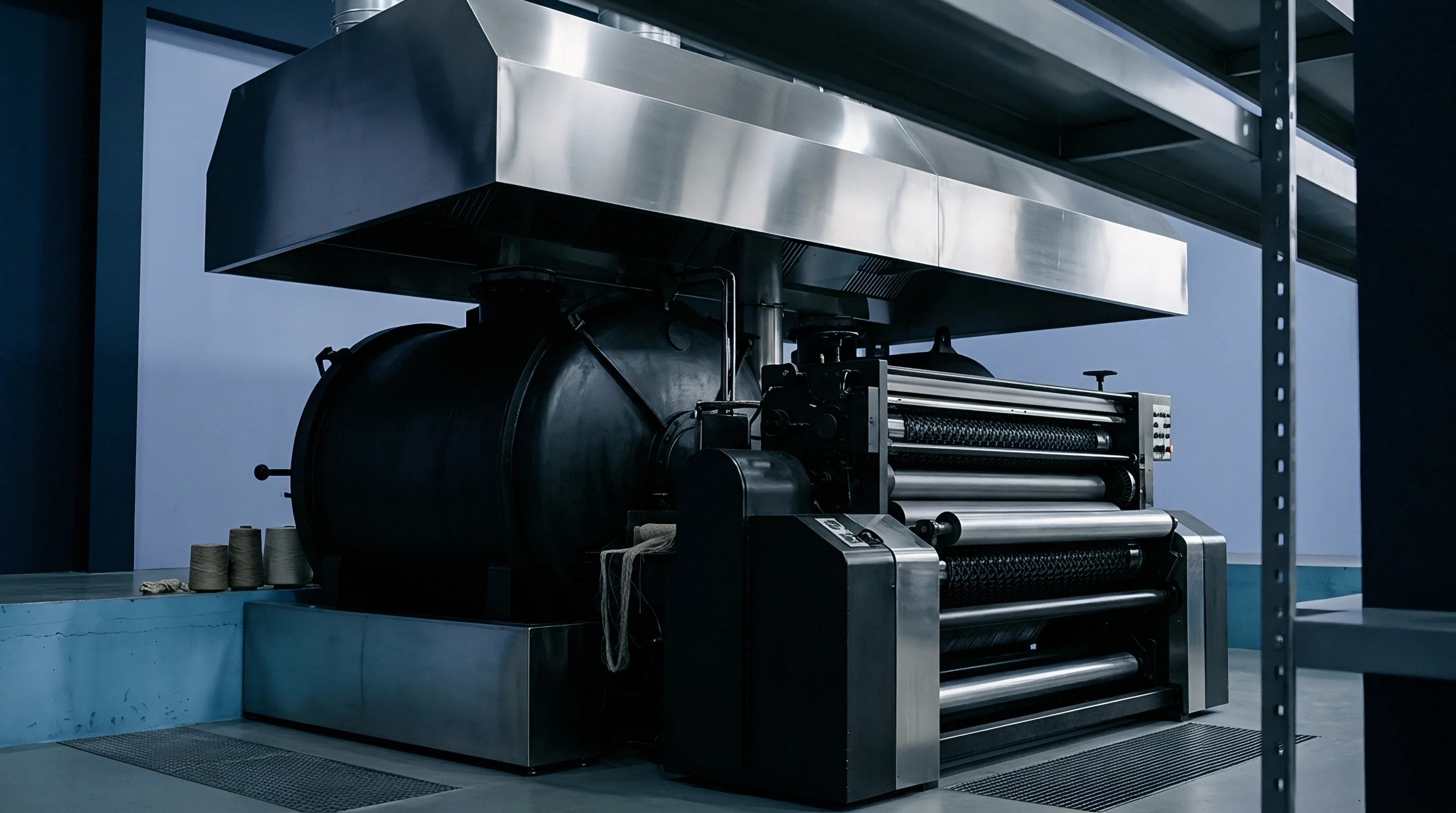
Roving treatment transforms stiff green bundles into soft, pliable structures suitable for fine yarn drafting. Before wet ring spinning, wound roving bobbins undergo hydrothermal boiling in pressurized vessels. This chemical stage solubilizes non-cellulosic components, reducing the overall dry fiber mass before physical yarn formation begins.
Hydrothermal Pectin Dissolution Mechanics
Chemical boiling of roving in alkaline baths targets the inter-cellular middle lamella. Pectin acts as structural binder. Hydrothermal energy breaks complex calcium-pectate chains binding individual elementary fibers within the technical bundle.
Hemicellulose leaches in hot water. Pectin, plant waxes, and water-soluble extracts dissolve into the liquor stream, passing out of the roving package through bath bath circulation.
At a water bath temperature of 68 degrees Celsius and a residence time of 12 minutes, non-cellulosic mass extraction accounts for 4.2 percent of raw roving dry weight.
Mass reduction during roving boiling correlates directly with bath temperature, alkali concentration, and cycle time. Insufficient extraction leaves technical bundles too stiff for fine drafting, causing excessive end breaks on the ring frame. Excessive extraction destroys fiber cohesion, leading to weak roving that drafts unevenly during spinning.
Water temperature controls dissolution speed.
- Alkaline bath immersion saponifies surface waxes at 85 degrees Celsius, releasing hydrophobic lipophilic compounds into solution.
- Sodium carbonate attacks middle-lamella pectin structures, breaking calcium bridges between elementary flax filaments over a 45-minute cycle.
- Warm water rinsing washes out dissolved hemicellulose fragments and free pectates from the core of the wound package.
- Acetic acid neutralization stabilizes remaining binder material while lowering package pH to prevent fiber degradation during drying.
Spinning Bath Extrusion Extraction
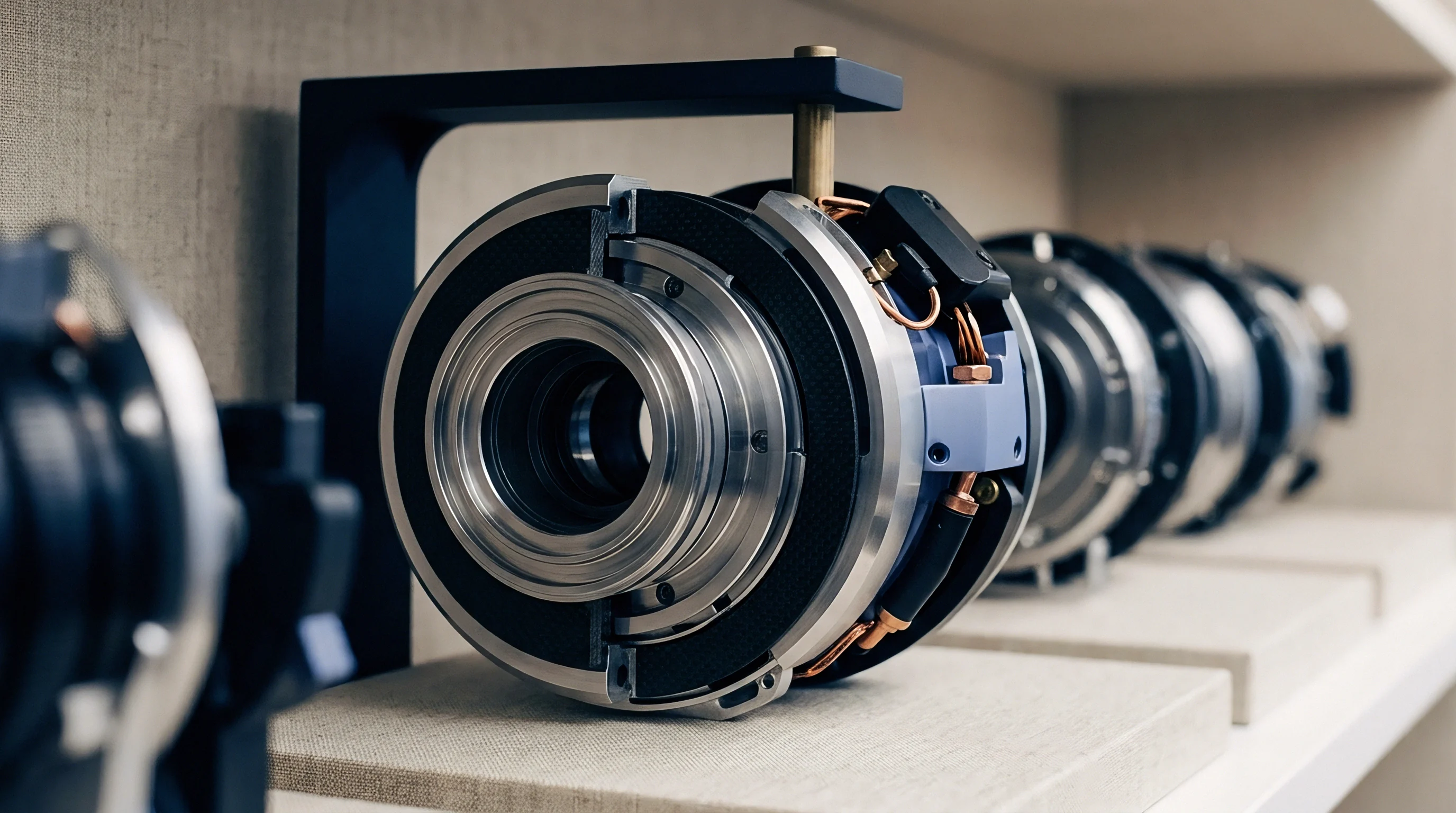
Ring frames draw roving through hot water troughs maintained at elevated temperatures immediately before draft zone entry. Wet spinning removes residual wax. Hot water softens remaining pectins, allowing elementary fibers to slide past each other under the action of drafting rollers.
Draft rollers compress moist roving.
Dissolved solids accumulate in the spinning trough water. Trough overflow systems purge solubilized organic matter continuously to prevent re-deposition onto the drafting aprons. This continuous liquid purge represents a permanent loss of dry mass that never appears in yarn bobbin weight checks.
Lower bath temperatures conserve raw fiber weight while demanding higher mechanical draft forces that increase yarn breakage rates.

Waste
Mechanical spinning generates continuous side streams of unusable short fibers, broken ends, and airborne particulate. High spindle speeds expand fly generation in the spinning triangle, where untwisted elementary fibers exit the front drafting rollers. Managing these side streams determines the physical conversion efficiency between roving input and wound yarn output.
Pneumafil Aspiration and Ring Frame Shedding
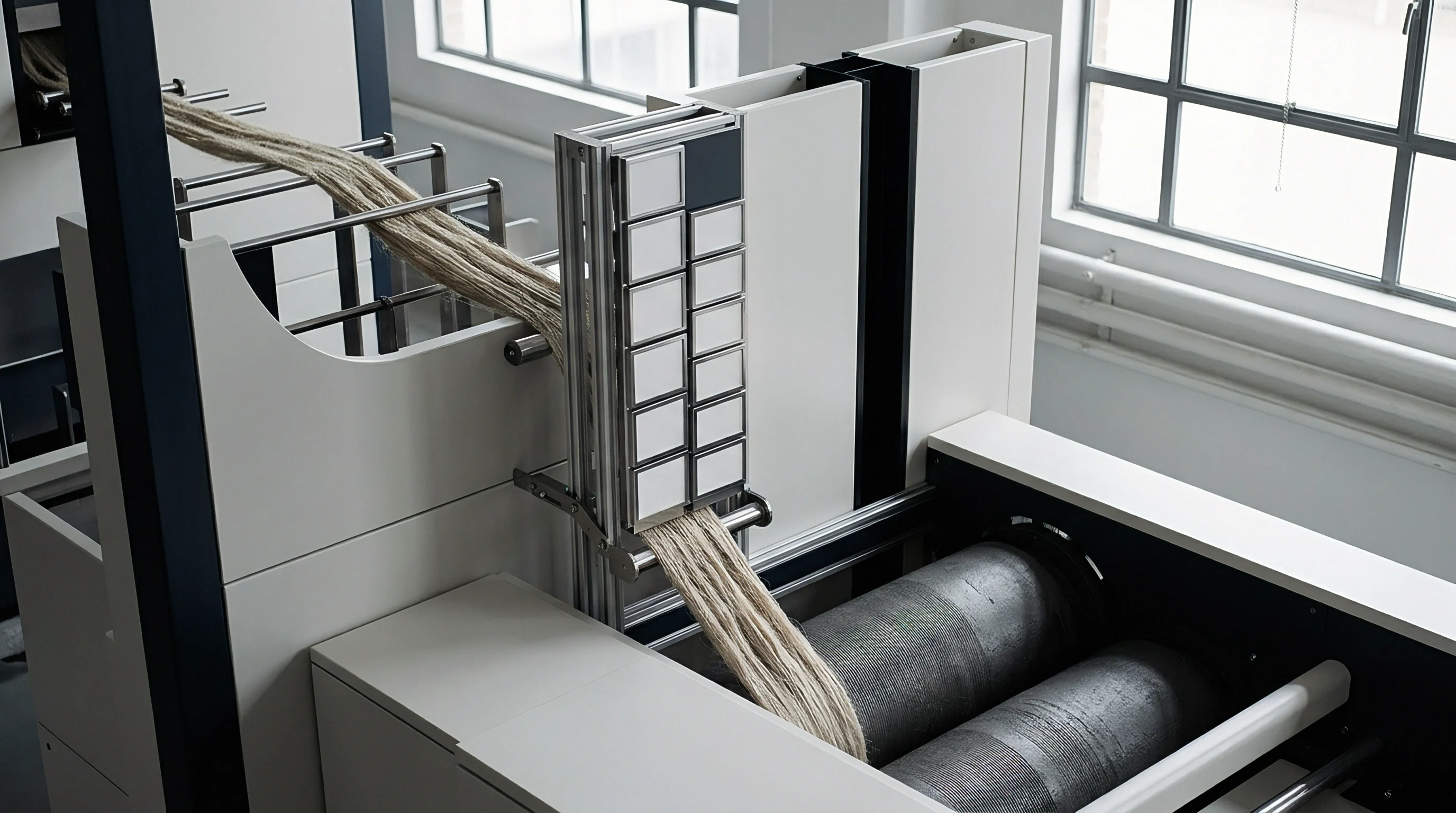
Suction nozzles positioned beneath the front drafting rollers catch roving ends immediately when a yarn strand breaks. Pneumafil tubes capture broken ends. The aspirator system draws continuous roving draft into centralized collection filter boxes until the operator manually ties the broken end.
Spindle stoppage frequency governs total aspirator waste volume.
Higher yarn counts mandate finer hackling, shifting mass distribution away from primary long line sliver toward secondary tow outputs.
Flyer shedding releases short elementary fibers into ambient spinning room air. Rotating flyers generate air currents that strip loose surface fibrils from the twisting yarn strand. Heavy flyer waste collects on frame rails, requiring automated overhead traveling cleaners to sweep frame surfaces every fifteen minutes.
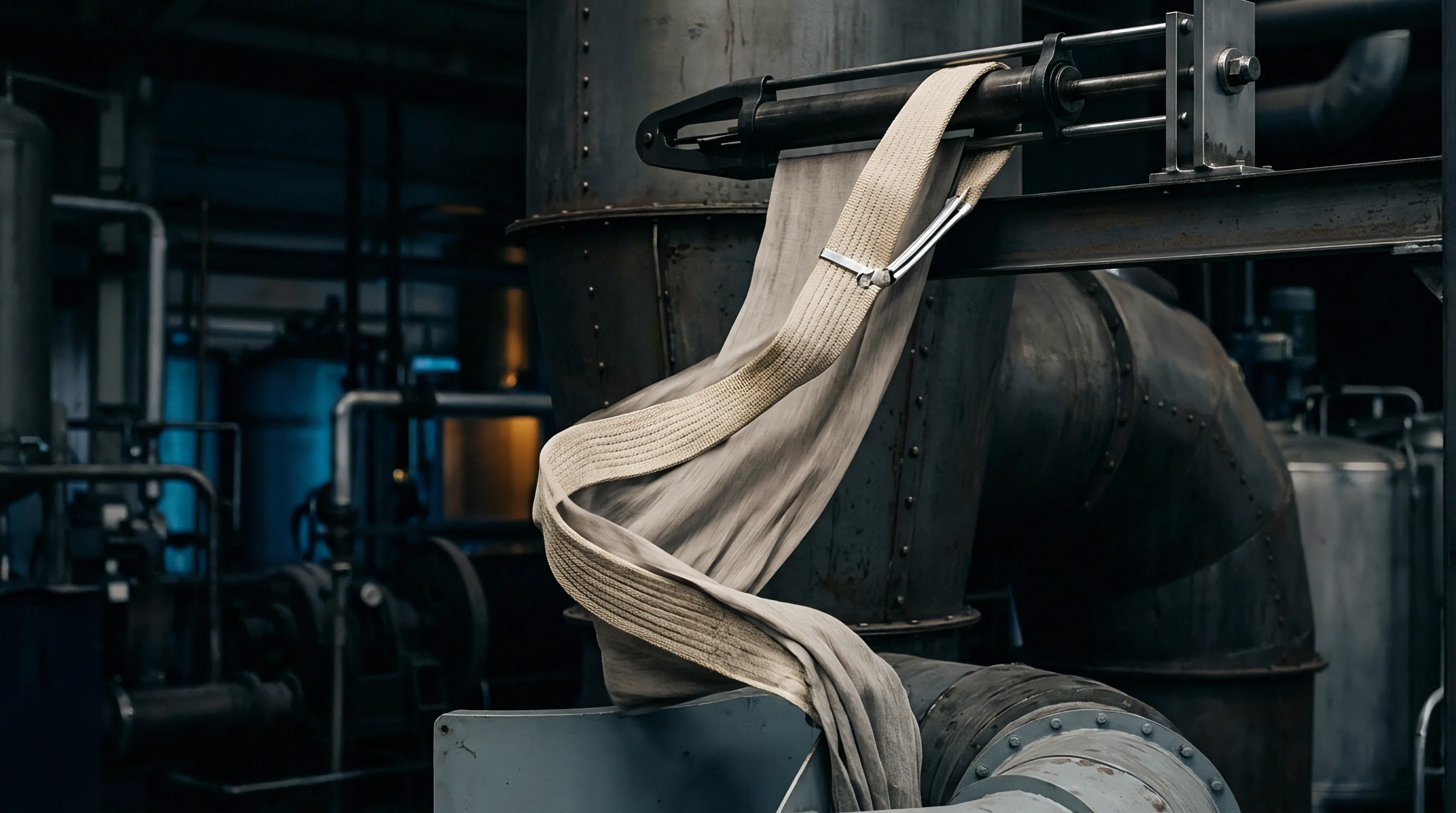
Is Pneumafil Waste Fully Recyclable into Tow Yarns?
Recovered suction fibers carry uneven twist, high dust levels, and thermal degradation from hot water bath contact. Re-carding pneumafil waste shortens mean fiber length, yielding low-grade tow suited only for coarse yarn counts or non-woven industrial felts. Thermal wet exposure reduces fiber tensile strength, lowering commercial value compared to dry hackling tow.
- Pneumafil Aspirator Recoveries Short fiber bundles sucked into collection tubes during spinning breaks contain high moisture and must undergo drying before re-carding.
- Under-Clearing Roller Accumulations Fiber wrap around lower drafting aprons consists of damaged fibrils that reduce yarn uniformity if re-introduced into roving streams.
- Winder Splicer Trimmings Electronic yarn clearers cut out thick places and slubs, dropping short thread fragments into bobbin winder waste bins.
- Creel End Residuals Empty roving bobbins leave short tails of un-drafted material that workers strip manually prior to creel reloading.
Automated cone winders splice yarn ends while removing structural defects. Splice zones create thin spots. Electronic yarn clearers inspect yarn geometry at high speed, cutting out slubs, neps, and vegetable shive particles.
Every cut operation generates thread waste that drops into collection bins beneath the winding head.
Whether advanced mechanical aspirator filtration can recover ring frame suction fibers without introducing micro-neps into secondary tow yarn remains unproven in commercial production.

Margin
Accurate yield determination depends on precise accounting for moisture regain, chemical extraction, and mechanical fiber rejection across the entire wet spinning sequence. Raw scutched flax entering the mill carries variable ambient moisture levels that disguise true dry fiber weight. Normalizing all weight measurements to standard dry mass provides the base metric for yield loss calculations.

Moisture Regain Standard Calibration
Commercial yarn trade relies on conditioned weight calculations that adjust raw mill balance readings to standardized atmospheric equilibrium. Moisture regain alters dry mass. Standard commercial regain for flax fiber yarn sits at twelve percent on a dry mass basis.
Dry weights govern real yield. Weighing moist fiber straight from the spinning frame distorts yield accounting by overstating mass delivery.
ISO 2370 specifies conditioned mass determination at 65 percent relative humidity, penalizing shipments invoiced on uncorrected mill-exit weights.
Conditioned mass calculations apply standard regain formulas to lab-dried sample weights. Desiccating test specimens in forced-air drying ovens at 105 degrees Celsius establishes absolute dry weight. Adding official commercial regain percentage to furnace-dry weight yields the commercial weight billed to fabric weaving mills.

Cumulative Yield Loss Derivation across Process Steps
Mathematical modeling of total mass reduction combines independent loss percentages from hackling, chemical boiling, wet spinning, and winding into a unified conversion equation. Tracking 1,000 kilograms of raw scutched flax demonstrates how individual loss steps reduce total spinnable fiber volume.
| Process Stage | Wet Input Mass (kg) | Moisture Content (%) | Dry Mass (kg) | Stage Loss (kg Dry) | Cumulative Yield (%) |
|---|---|---|---|---|---|
| Raw Scutched Flax Receiving | 1,000.0 | 12.0 | 880.0 | 0.0 | 100.0 |
| Hackling & Combing | 1,000.0 | 12.0 | 880.0 | 228.8 | 74.0 |
| Drawing & Roving Preparation | 740.0 | 12.0 | 651.2 | 19.5 | 71.8 |
| Roving Boiling & Scouring | 718.0 | 12.0 | 631.7 | 37.9 | 67.5 |
| Wet Ring Spinning | 675.0 | 45.0 | 593.8 | 29.7 | 64.1 |
| Winding & Yarn Clearing | 598.0 | 8.0 | 564.1 | 11.3 | 62.8 |
| Final Conditioned Package | 620.5 | 10.0 | 552.8 | 0.0 | 62.8 |
| Data normalized to 105°C oven-dry basis; standard commercial regain of 12.0% applied to final yarn shipment weights. | |||||
Net conversion efficiency for fine wet-spun linen yarn hovers between sixty and sixty-five percent of scutched long line fiber dry mass. The remaining thirty-five to forty percent splits between valuable hackling tow outputs and unrecoverable hydrothermal effluent and suction waste. Fine yarns lose higher mass fractions to aspirator suction due to elevated end break rates during drafting.
Clause 4.2 of the International Linen and Hemp Confederation Contract 16 specifies commercial mass corrections based on an official regain allowance of 12 percent, shifting financial responsibility for wet-shipment transit weight loss back to the spinning mill.

Record
Traceability frameworks rely on serial documentation generated at each weighing station inside the yarn mill. Verifying batch yield requires reconciliation between incoming fiber lot weight dockets and outbound yarn delivery certificates. Discrepancies between physical scale weights and electronic batch records indicate unaccounted material loss or inaccurate tare allowances.

Travel Card Tracking at Weighing Stations
Physical tags attached to individual fibre carts follow raw material from bale breaker through sliver drafting. Tare weight includes bobbin cores. Calibration errors in cart weighing scales corrupt batch yield figures across subsequent processing steps.
Digital weighbridge integration automatically logs gross, tare, and net weights into mill inventory databases upon lot entry.
Residual shive content trapped in roving breaks ring frame drafting aprons during high-speed wet extrusion.
Roving bobbin tare tracking requires deducting bobbin core weight, residual moisture, and plastic tray weight from gross package measurements. Accumulated wax build-up on roving bobbins changes core tare weight over time. Mill maintenance routines re-weigh empty bobbins annually to maintain tare table accuracy within acceptable accounting limits.
Fibre Reconciliation at Receiving
Mill floor auditors verify incoming shipment weights against mill weighbridge delivery dockets to identify transit moisture loss. Fiber lot weight shifts during maritime transit due to ambient atmospheric variations inside shipping containers. Establishing oven-dry mass upon container unsealing protects the mill against paying for water loss that occurred during transit.
- Gross Mass Verification Auditors compare incoming bale tag figures against tare-corrected weighbridge measurements to detect shipment weight discrepancies.
- Moisture Core Sampling Inspector readings from dielectric probe tests are matched against ambient humidity records taken at the moment of container unsealing.
- Tare Weight Standardisation Wooden pallet and strapping weights are deducted using verified historical tare tables rather than mill estimates.
- Tare Container Auditing Empty roving bobbin and sliver can weights are re-weighed annually to prevent systemic calibration error in yield calculations.
| Discrepancy Range (%) | Root Cause Classification | Responsibility Allocation | Commercial Settlement Mechanism |
|---|---|---|---|
| Less than 0.5% | Normal moisture equilibrium shift | Shared / Absorbed | No price adjustment applied |
| 0.5% to 1.5% | Excess moisture at packing | Fiber Supplier | Debit note issued for dry-weight difference |
| 1.5% to 3.0% | Undeclared shive content / high dust | Fiber Supplier | Retest required with price discount |
| Greater than 3.0% | Batch substitution or severe decay | Fiber Supplier / Forwarder | Full lot rejection and replacement |
Failing to reconcile dry mass figures at the weighbridge exposes yarn buyers to double-paying for water weight while underestimating fiber consumption rates across weaving lines.


Warranty
Commercial contracts for high-count wet-spun linen specify rigid yield tolerances and chemical loss limits to establish fair yarn pricing. Sourcing agreements protect buyers against unexpected weight loss during downstream wet finishing. Explicit financial remedies apply when audited conversion yields fall below contract thresholds.
Commercial Allowance Specifications for Dissolution Loss
Sales agreements incorporate fixed percentage deductions for boiling mass reduction based on agreed yarn count targets. Yield loss alters yarn pricing. Buyers specify maximum allowable chemical mass loss during roving pretreatment.
Exceeding agreed boiling loss limits triggers automatic price adjustments per kilogram of delivered yarn.
Quality guarantees stipulate maximum permissible residual shive particle counts per hundred grams of spun yarn. High residual shive content increases yarn breakage during weaving, forcing loom stoppages that degrade fabric quality. Mill laboratories measure shive count using optical yarn scanners during electronic clearing.

Non-Preferential Origin Rules and Value Addition Thresholds
Customs authorities in importing territories evaluate whether wet spinning raw scutched flax constitutes sufficient transformation to confer origin. Non-preferential origin rules examine value addition percentage and tariff classification change. Converting raw fiber under HS Heading 5301 into wet spun yarn under HS Heading 5306 requires proving substantial processing through documented mass transformation.
When wet spinning mills operate in jurisdictions outside Western Europe, customs compliance officers examine chemical treatment logs and mass balance records to confirm that the value added during wet draft processing meets the threshold necessary for non-preferential country of origin markings on downstream woven fabrics.