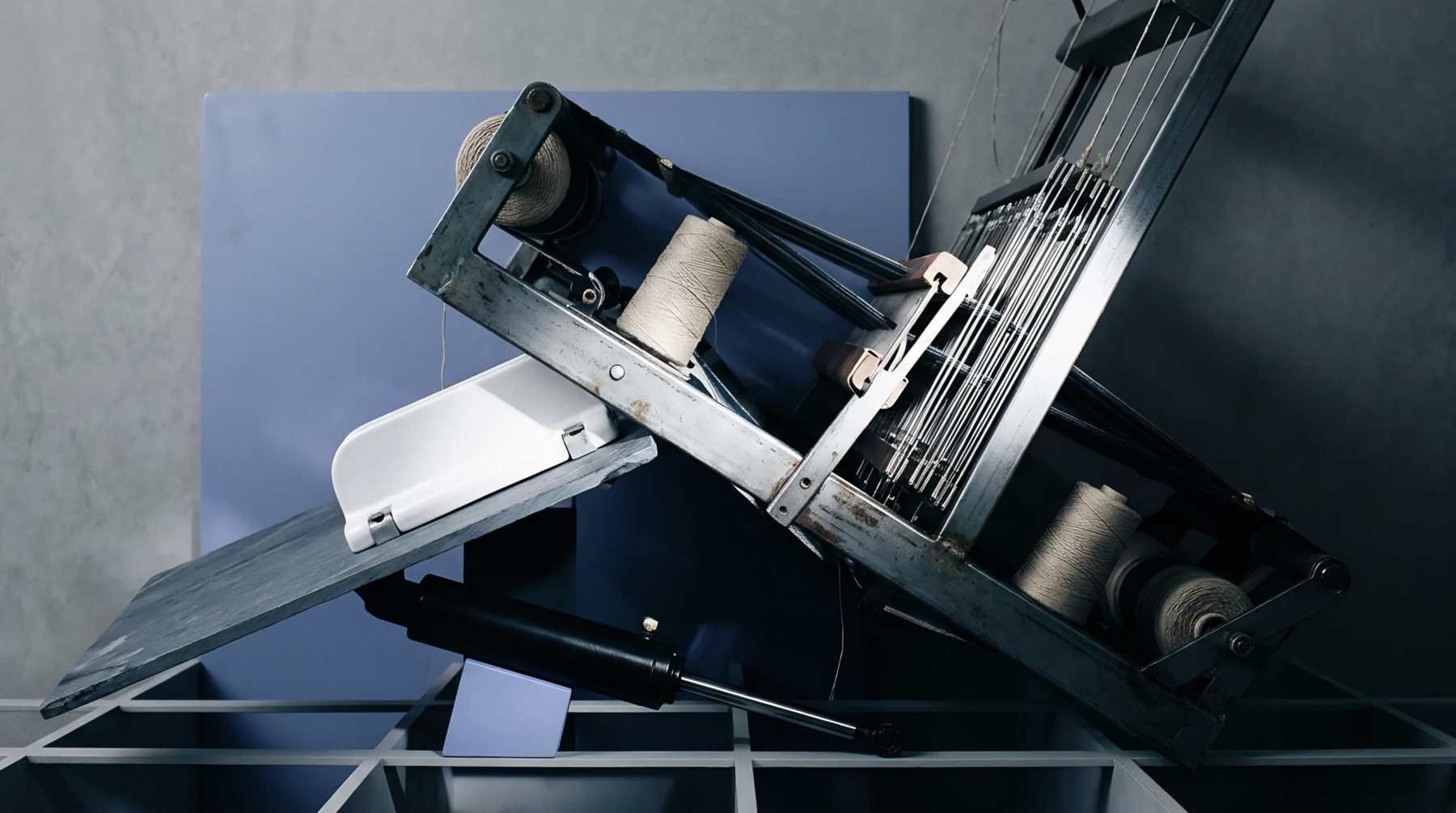
Intake Moisture Adjustment Formulas in Flax Scutching Mill Mass Balance
Intake moisture adjustment formulas normalize raw flax straw weights to twelve percent commercial regain to maintain mass balance integrity across scutching audits.
Intake moisture adjustment formulas normalize raw flax straw weights to twelve percent commercial regain to maintain mass balance integrity across scutching audits.
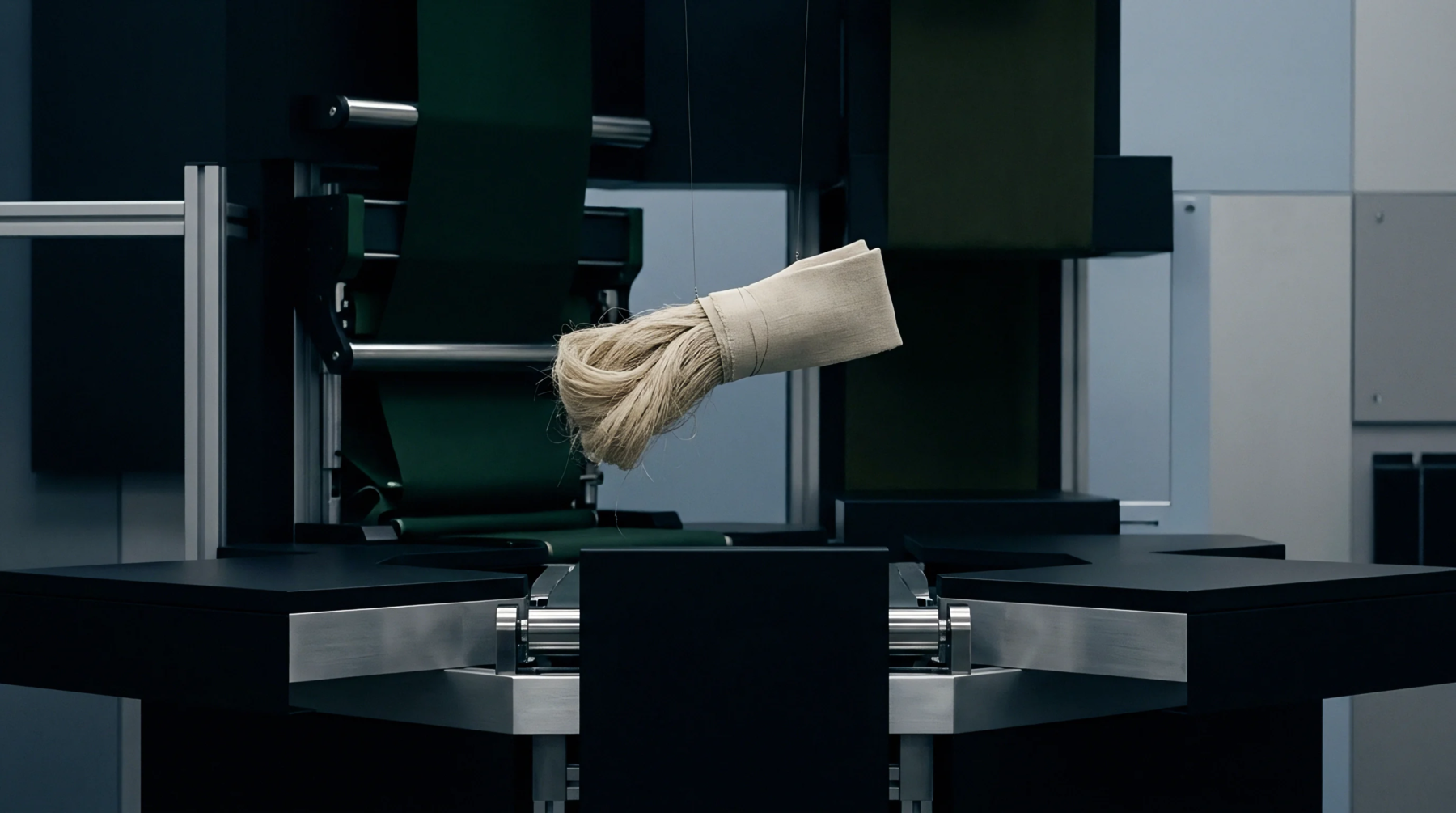
Standardizing dry mass calculations and auditing liquor COD reconciles industrial scouring loss variances between raw hackled flax and finished packages.

Process-induced carbon and oxygen isotopic shifts in bleached linen yarn require alpha-cellulose extraction and mass-balance corrections for origin verification.

Stable isotope analysis of isolated alpha-cellulose resolves European and Asian long staple flax blends down to ten percent with high statistical confidence.
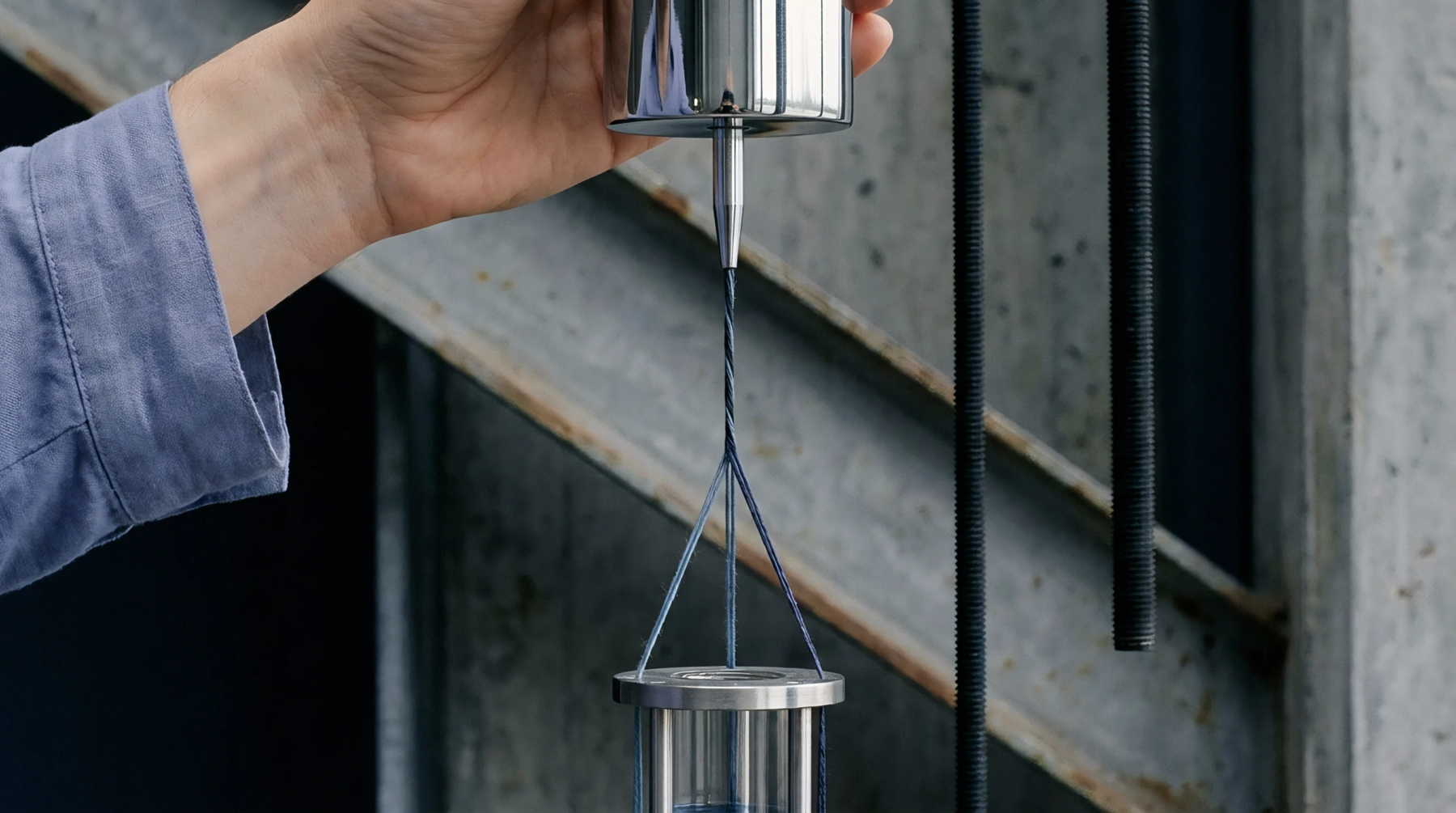
Mass balance reconciliation requires adjusting scutched flax intake for moisture regain and hot water bath solubilization before evaluating yarn yield variance.

Reconciling wet spinning transaction weights requires adjusting bone-dry mass for 1.8 to 4.2 percent solubilized pectin loss measured via ISO 1833-22 extraction.

Harmonized System Chapter 53 classification of flax fabrics relies on an 85 percent mass threshold verified through dry-weight chemical analysis.
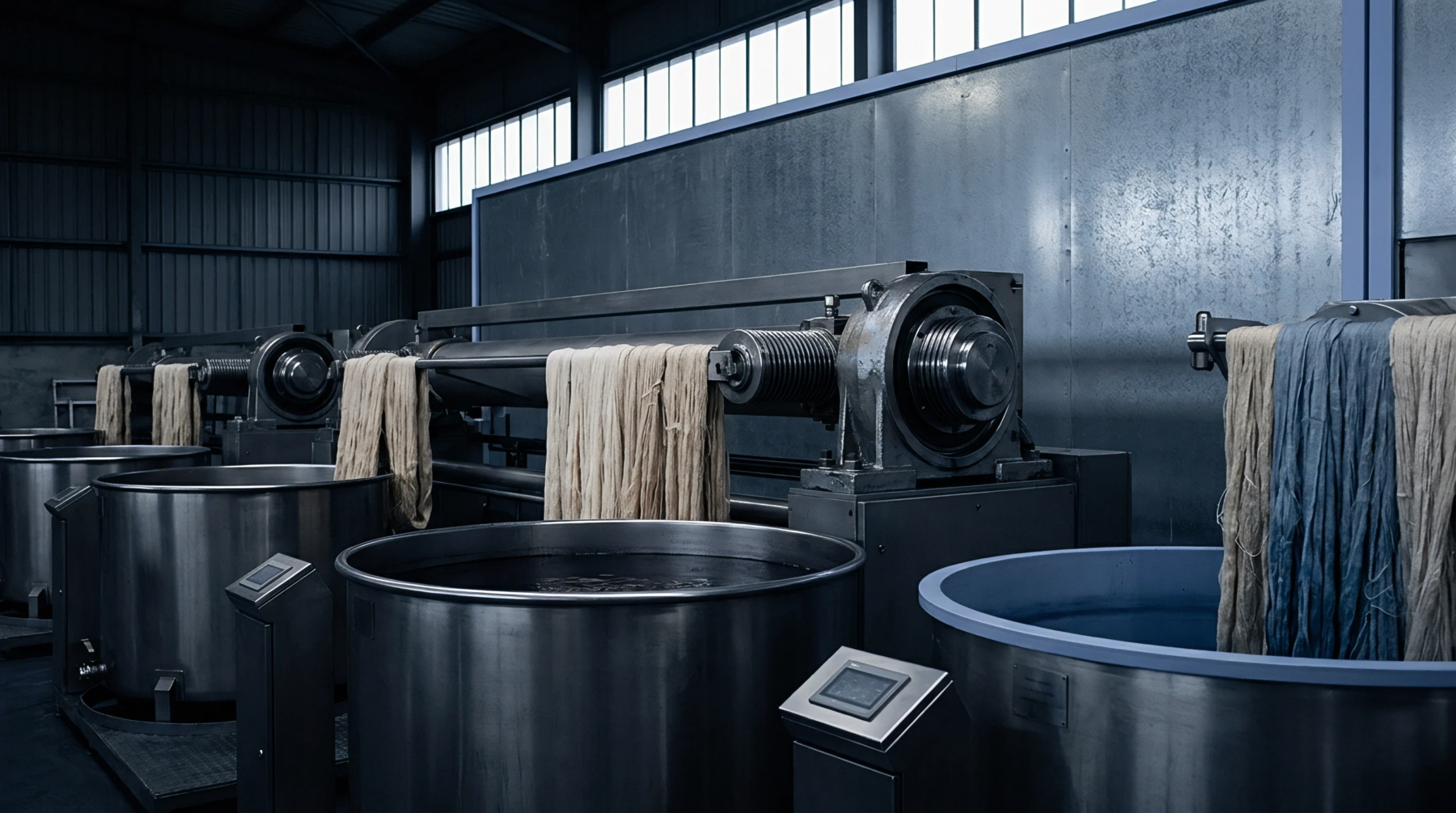
Reconciling wet spinning yield loss requires adjusting raw fiber weights for 12% regain, deducting 3.2-5.8% pectin extraction loss, and verifying comber tow sales.

Resolving isotopic discrepancies requires nitrating yarn cellulose to remove process water hydrogen signals before testing structural strontium and oxygen isoscapes.
Verify European Flax scope claims by matching batch transaction certificates to mill intake logs and applying stage yield losses to raw input mass.
Expertise is a utility, not a secret. sentiention™ publishes its working knowledge as open reference: intelligence layer covering the materials it sources, the markets it enters, and the reference that serves both.