Mass Density
Linear density represents the specific weight of a continuous fibre or yarn measured in grams per one thousand meters of length. Tex serves as the universal unit for this calculation throughout global textile supply chains because it provides a direct ratio between mass and length regardless of material composition or fibre morphology.
Measurement Protocol
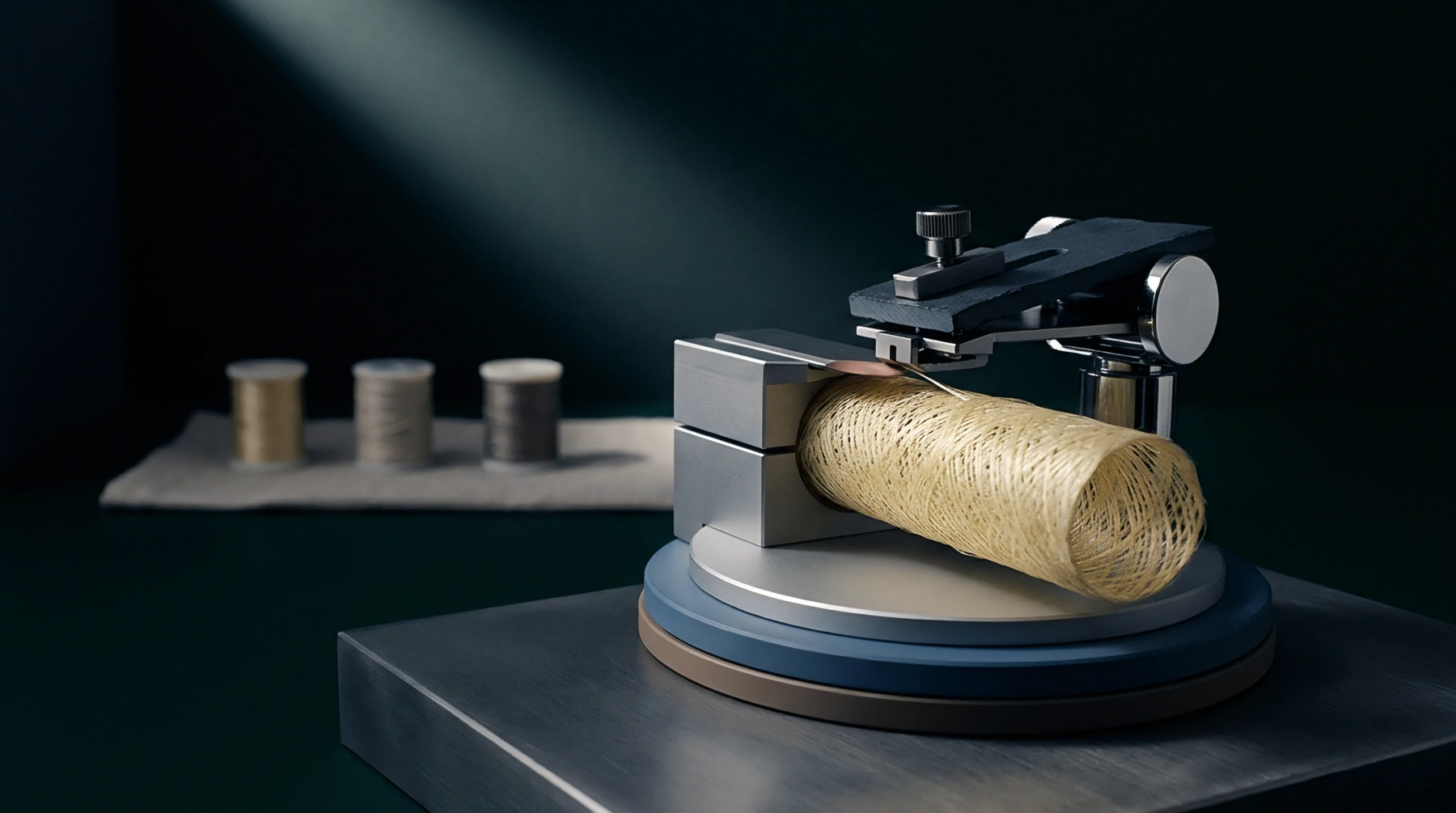
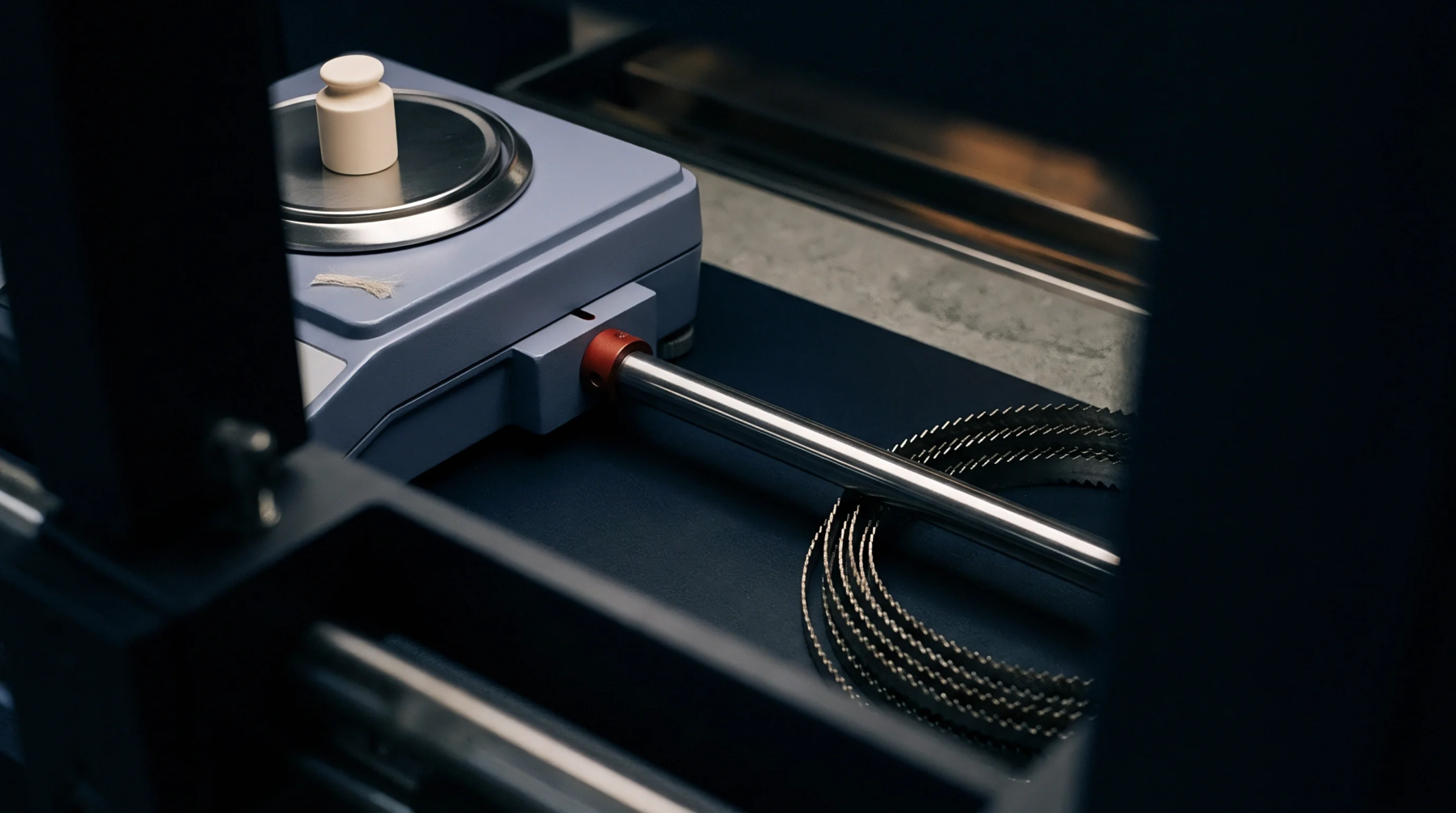
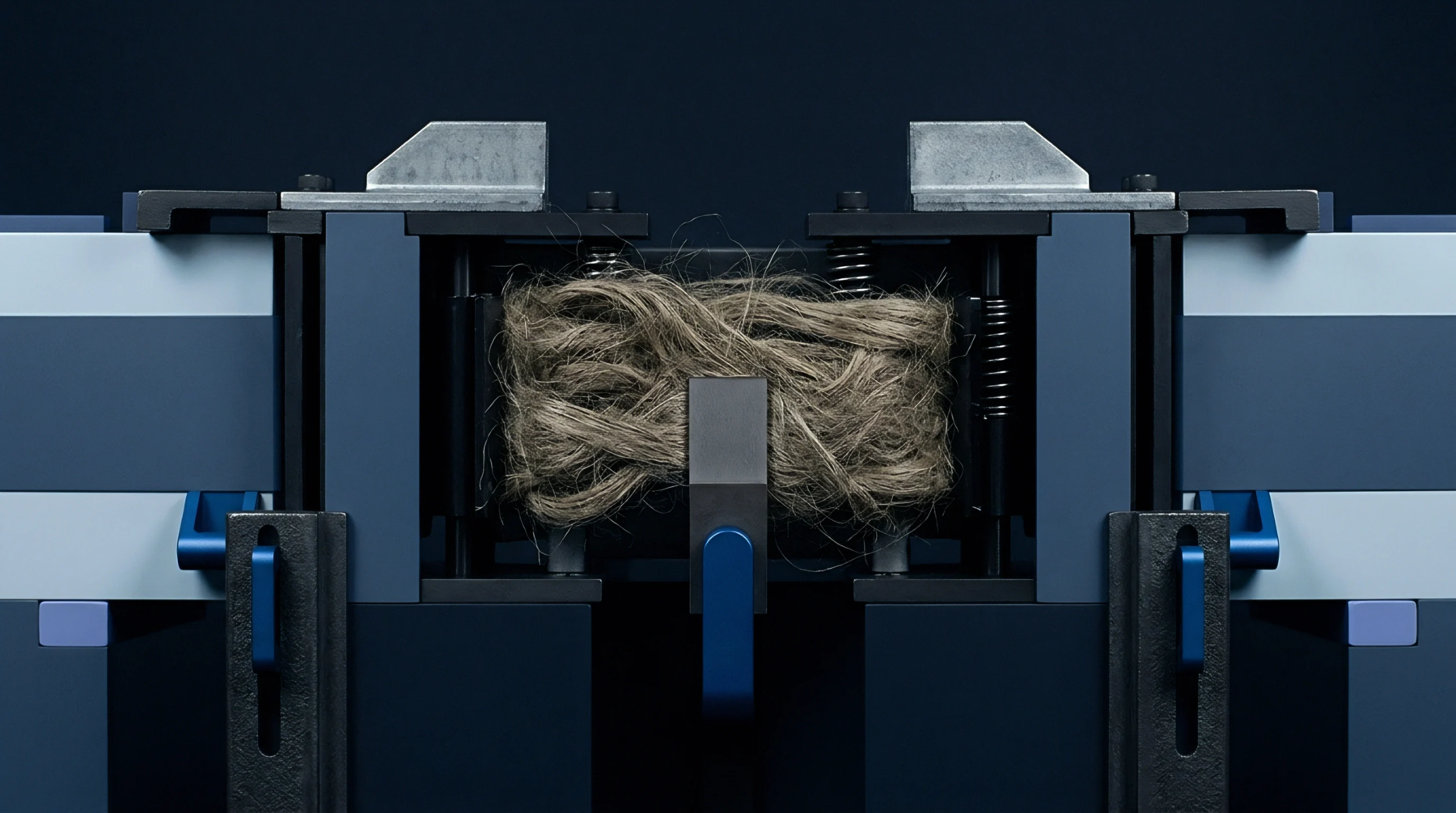
Technicians determine the value by weighing a sample of known length on a calibrated electronic scale after conditioning the fibre in a controlled climate. Humidity shifts alter the weight of natural flax so laboratories maintain strict moisture equilibrium during the testing sequence. A single hank of one thousand meters provides the standard length for the calculation.
If the resulting weight is one gram the sample receives a rating of one. Because the calculation relies on a simple mass to length ratio the system identifies the coarseness of the fibre without the confusion inherent in older indirect counting methods. Consistency in this metric allows spinning mills to calibrate drafting frames and twisting machinery to precise tolerances.
Production Quality
Inspectors at the finishing mill compare the batch results against the procurement specification agreed upon during the raw flax purchase. Mills reject shipments that deviate from the specified range because inconsistent mass density creates structural weakness in the final fabric and produces uneven dye absorption. The buyer maintains a tolerance window based on the technical requirements of the intended cloth.
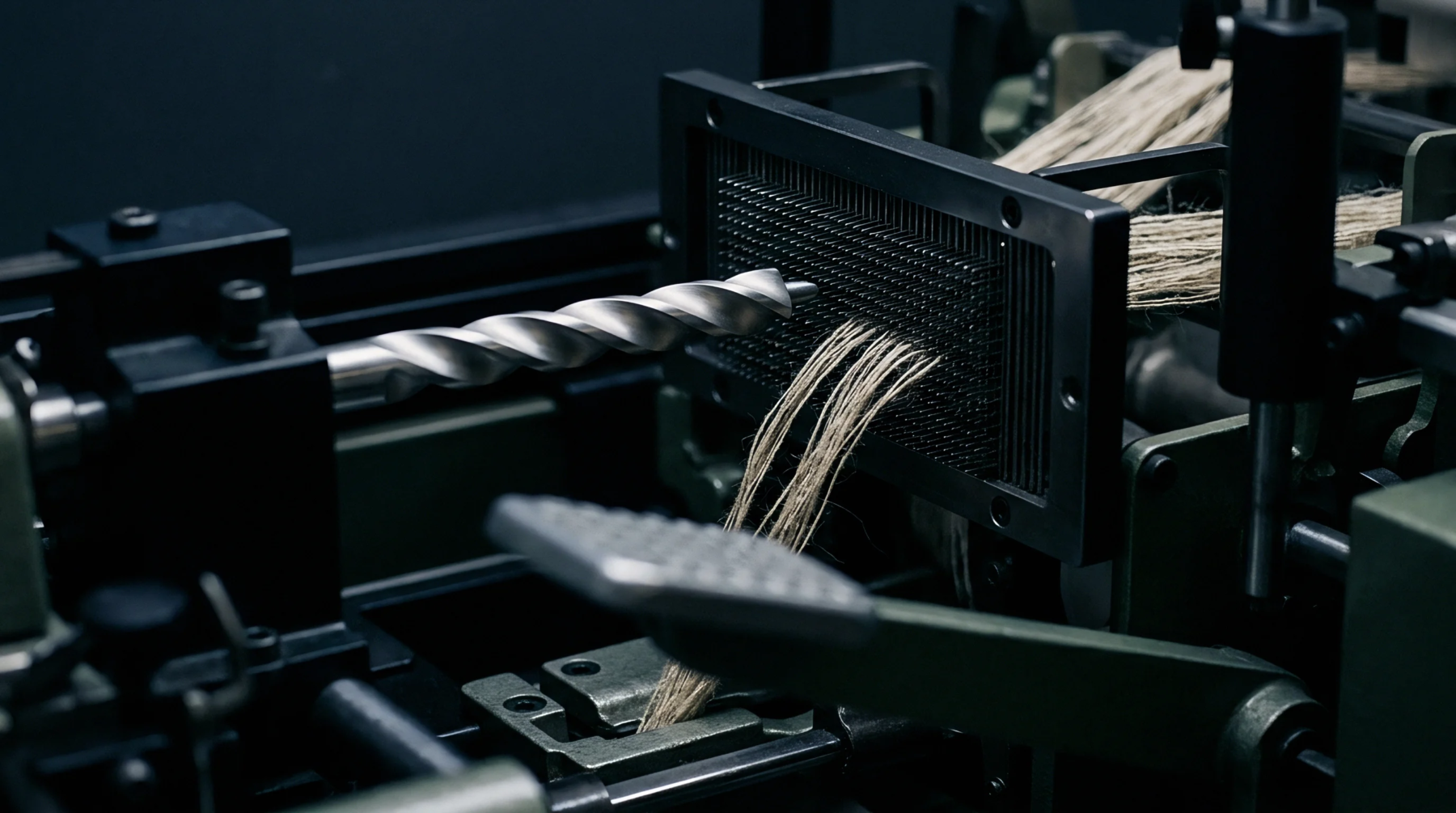
Fibre processors provide a test certificate documenting the average density and the variance recorded across the entire lot. Quality control teams use these figures to adjust the spinning speed and tension settings to maintain uniformity across the output. A batch recording a lower density rating possesses higher fineness and typically commands a premium price due to the increased complexity of harvesting and processing delicate stalks.
Uniformity in the density of the supply guarantees that mechanical looms operate without frequent breakage. Higher values indicate thicker yarns that require lower tension during the warp preparation phase. Production stability depends on the precision of this measurement.