Calculating Moisture Regain Tolerances in Customs Origin Mass Balance Audits
Moisture regain shifts distort linen origin audits; normalizing scale weights to bone-dry fibre mass prevents origin claim revocation and retroactive tariffs.


Oven
Determining the actual quantity of flax fibre in a shipping container demands a rigorous physical baseline because natural bast fibres absorb and release atmospheric water constantly. Moisture regain measures the mass of water present in a fibre material expressed as a percentage of its bone-dry, oven-dried mass. This differs fundamentally from moisture content, which calculates water mass as a percentage of the total moist material.
Commercial trade in flax yarn and raw scutched tow relies on standardized regain values set by international agreement rather than the changing weight indicated on a warehouse scale.
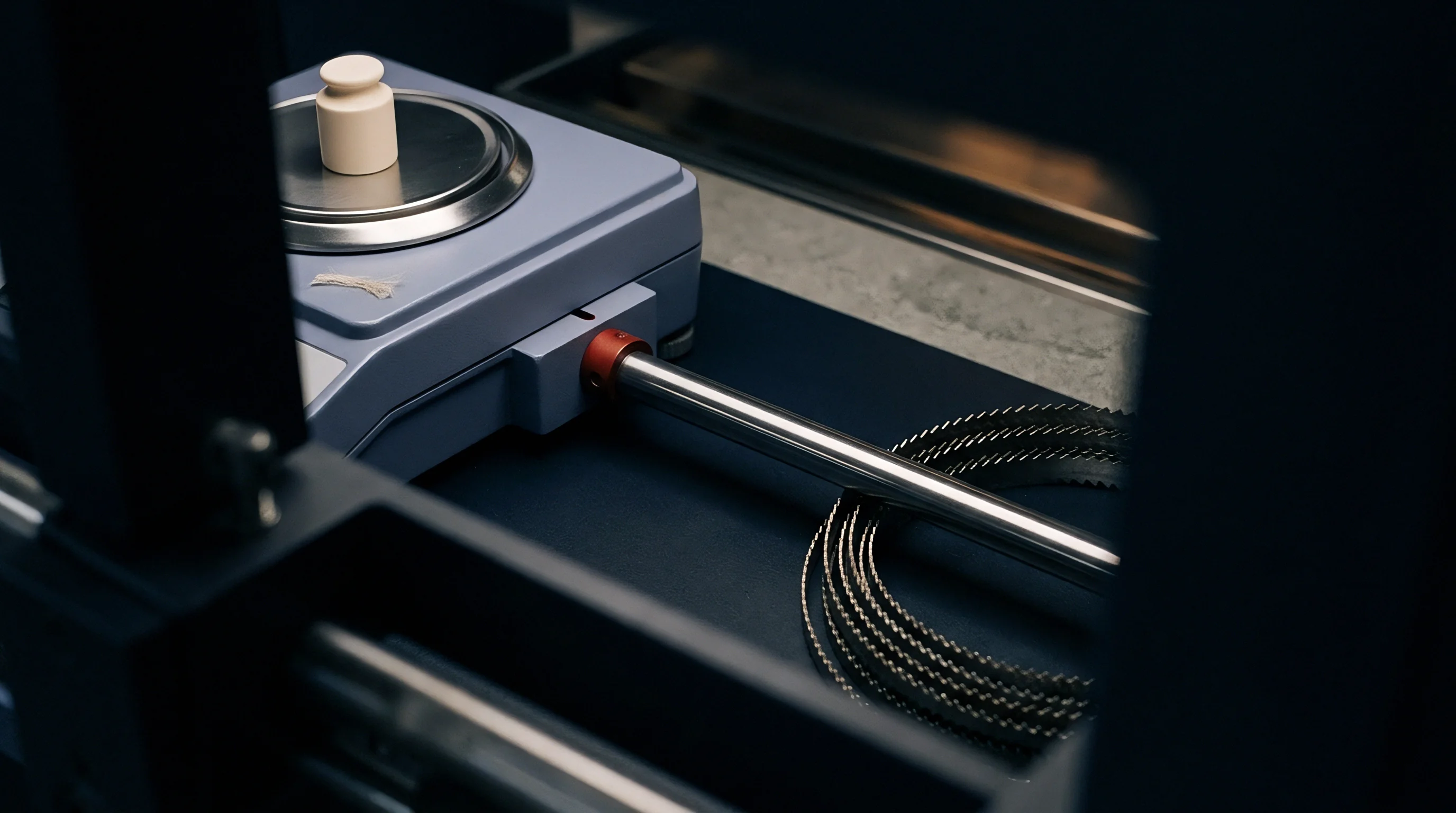
Under ISO 2060 and ASTM D1909, the standard commercial moisture regain allowance for flax and linen yarn is fixed at 12.0 percent. When raw or spun linen is bought, sold, or declared at customs, the invoice mass represents the calculated mass at this official moisture regain allowance. Laboratory verification requires heating sample hanks in a ventilated conditioning oven at 105 degrees Celsius until consecutive weighings show no further mass loss.
This process establishes the true oven-dry mass from which the standardized commercial weight is calculated.
| Fibre Type and Form | Standard Regain Allowance (ISO 2060) | EMC at 45% Relative Humidity | EMC at 65% Relative Humidity | EMC at 85% Relative Humidity |
|---|---|---|---|---|
| Scutched Long Flax Fibre | 12.0% | 7.2% | 10.5% | 15.8% |
| Combed Flax Tow | 12.0% | 7.5% | 10.8% | 16.1% |
| Grey Wet-Spun Linen Yarn | 12.0% | 8.0% | 11.2% | 16.5% |
| Boiled or Bleached Linen Yarn | 12.0% | 6.8% | 9.8% | 14.9% |
When raw scutched flax travels from a moist Western European baling shed to an arid indoor warehouse in Asia, the physical weight of the bale drops as water evaporates into the air. Bone-dry fibre rarely exists commercially. Flax absorbs ambient water rapidly.
Water weight is not fibre weight. If a warehouse worker records a 10,000 kilogram receipt that has dried down to 9,500 kilograms in storage, the loss reflects water evaporation rather than missing raw material. Conversely, bales stored in tropical port facilities absorb ambient water, artificially increasing scale readings without adding genuine bast fibre mass.

Conditioning Norms and Commercial Mass Equations
Customs origin mass balance audits test whether input fibre matches output yarn and fabric volumes within established conversion margins. To prevent artificial weight inflation from biasing these origin calculations, every incoming and outgoing shipment metric must be converted back to its bone-dry mass or normalized to the standard 12.0 percent commercial regain basis. The formula for converting scale mass to bone-dry mass uses the measured moisture regain percentage taken at the time of weighing.
Standard moisture regain for linen yarn is fixed at 12.0 percent under ISO 2060 regardless of local warehouse relative humidity.
The mathematical conversion defines bone-dry mass as the scale mass divided by one plus the actual regain fraction. Standardized commercial mass equals the bone-dry mass multiplied by 1.12. When customs authorities audit origin claims, failing to perform this double conversion distorts the calculated yield ratios across scutching, spinning, and weaving operations.
An unadjusted calculation creates apparent mass discrepancies that trigger regulatory penalties or origin invalidations.
Spinning mills frequently justify discrepancies by claiming that ambient humidity variations during storage automatically validate any mass variance up to five percent on export declarations.

Variance
Atmospheric moisture shifts across oceanic transit routes introduce substantial weight instability into cross-border textile shipments. A container packed with scutched flax bales in Antwerp at 65 percent relative humidity carries a specific moisture profile. During a thirty-day sea transit through equatorial shipping lanes, internal container relative humidity fluctuates dramatically, reaching saturation points during nocturnal cooling cycles.
These thermal swings force ambient water into hygroscopic bast fibre bundles, driving physical weight increases before the vessel berths at a destination port.
Scales at maritime terminals record total gross weight without isolating moisture fractions. High humidity inflates warehouse scale readings. When a destination port weighbridge registers two percent more weight than the original bill of lading, customs clearance documentation creates a structural imbalance for origin auditors.
The origin auditor compares raw fibre mass declared on the European Flax scope certificate against the physical receipt weight logged at the spinning plant. Without moisture adjustments, this discrepancy flags potential unauthorized blending of uncertified local fibre.

Where Does Ambient Water Gain Invalidate Non-Preferential Origin Calculations?
Non-preferential origin rules require a specific substantial transformation, typically defined by HS heading changes or precise value-added and mass balance ratios. In linen yarn spinning, moving raw flax from HS heading 5301 to flax yarn under HS heading 5306 demands absolute mass accounting to prove that non-originating tow was not blended into the batch. Unadjusted weighbridge weight spikes break the ledger by indicating a yarn output mass that exceeds the theoretical maximum yield achievable from the origin-verified raw fibre input.
- Uncalibrated Scale Integration scale data recorded without simultaneous ambient temperature and humidity logging prevents accurate moisture regain normalization.
- Direct Scale Comparisons comparing wet transit receipt weights directly against dry origin certificate values creates artificial yield anomalies in customs ledgers.
- Omission of Processing Losses failing to isolate regain shifts from physical fibre fly loss during carding and combing distorts origin yield calculations.
- Seasonal Humidity Drift ignoring seasonal moisture regain fluctuations between summer ocean shipping and winter dry storage invalidates annual mass balance audits.
Audit discrepancies intensify when mills mix multiple batches with differing initial moisture profiles. Scutching mills record raw mass. A batch harvested during a wet autumn retains significantly higher initial moisture than dry summer fiber.
When both batches enter the carding hall together, their drying rates differ, causing uneven mass loss during initial processing stages. Customs authorities inspecting mass balance ledgers reject origin claims when processing losses fail to separate physical waste from water evaporation.
Unadjusted weighbridge mass logs inevitably trigger origin red flags when humidity drifts across seasonal shipping corridors.
Calculating the true fibre input requires extracting the water mass at every node in the supply chain. Subtracting measured moisture weight reveals the invariant bone-dry fibre core. Origin calculations that rely exclusively on commercial scale weights remain vulnerable to rejection during post-clearance enforcement audits.
Environmental water absorption in transit never expands the physical origin allowance of a certified fibre consignment.

Calculus
Mathematical reconciliation in origin audits demands a precise accounting framework that isolates physical fibre transformations from water weight dynamics. Processing scutched flax into wet-spun yarn involves multiple mechanical and chemical stages, each altering both physical fibre mass and moisture content. Hackling and combing extract short fibres as comb-noils waste.
Wet spinning submerges roving in warm water baths to soften pectin bonds, introducing high moisture levels that must be evaporated during yarn package drying.
Consider an audit scenario involving a 10,000 kilogram raw flax consignment certified under European Flax origin rules. The shipment arrives at a processing facility in China with a weighbridge mass of 10,200 kilograms due to high shipping humidity. Moisture testing shows an actual regain of 14.5 percent at arrival.
The standard regain rate remains 12.0 percent. Normalizing this batch to its true bone-dry mass yields 8,908.3 kilograms of dry flax fibre. On a standard 12.0 percent commercial regain basis, the true baseline consignment mass is exactly 9,977.3 kilograms, proving that 222.7 kilograms of the arrival weight was excess ambient water.
| Processing Stage | Logged Physical Mass (kg) | Tested Regain (%) | Calculated Dry Mass (kg) | Standard Commercial Mass (12% Regain) | Cumulative Fibre Loss (%) |
|---|---|---|---|---|---|
| Bale Store Entry | 10,200.0 | 14.5% | 8,908.3 | 9,977.3 | 0.0% |
| Post-Hackling Tow Split | 8,350.0 | 10.5% | 7,556.6 | 8,463.4 | 15.2% |
| Wet Spinning Roving | 7,800.0 | 22.0% | 6,393.4 | 7,160.6 | 28.2% |
| Finished Yarn Dry Package | 6,950.0 | 11.8% | 6,216.5 | 6,962.5 | 30.2% |
Following this batch through mechanical hackling, the process extracts 15.2 percent of physical dry fibre as comb-noils tow, which is routed into coarse yarn production. Wet spinning adds process water. The remaining long flax roving weighs 8,350 kilograms at a reduced moisture regain of 10.5 percent after temporary dry warehouse conditioning.
Converting this stage to dry mass shows 7,556.6 kilograms of pure fibre. The difference between incoming dry mass and post-hackling dry mass represents genuine mechanical waste rather than water evaporation.
Origin certificates lacking moisture-normalized dry mass logs expose importers to retroactive duty assessments upon audit.
During final wet spinning and drying, yarn packages leave the drying oven at an actual regain of 11.8 percent, weighing 6,950 kilograms. The calculated bone-dry yarn output equals 6,216.5 kilograms. Comparing the original dry input of 8,908.3 kilograms against the combined dry yarn output and dry noils waste proves absolute mass balance integrity.
Customs auditors verify that no non-originating fibre entered the production stream during spinning.
- Verify that raw input weighbridge tickets record both gross scale mass and ambient relative humidity at time of entry.
- Perform oven-dry test sampling per ISO 2060 on three random bales per lot to establish baseline initial regain.
- Convert all scale weights to dry fibre mass equivalents using tested regain metrics prior to yield entry.
- Deduct measured dry mechanical waste logs from carding and combing operations from the baseline dry mass ledger.
- Adjust finished yarn package export weights to 12.0 percent standard commercial regain before filing customs origin balance sheets.
In accordance with standard origin audit guidelines, any yield calculation that omits oven-dry moisture normalization shall be adjusted by customs authorities using the maximum theoretical regain value of 18 percent, shifting the calculated yield ratio against the importer and invalidating preferential tariff claims.

Audit
Customs officials auditing origin claims focus heavily on mass balance reconciliation sheets to detect illicit fibre substitution. In the apparel and home textile sectors, non-preferential rules of origin determine whether goods face punitive tariffs, anti-dumping duties, or import bans. When an audit opens, officials cross-examine mill gate delivery tickets, spinning lot cards, transaction certificates, and shipping manifests.
Inconsistent moisture calculations represent the single most frequent cause of audit flags in bast fibre supply chains.
Inpectors apply standardized tolerance bands to evaluate whether physical yield discrepancies fall within acceptable mechanical limits or indicate origin fraud. Scale drift obscures origin blending. Waste percentages vary depending on raw fibre quality, but moisture regain changes follow strict physical principles.
A mass balance sheet showing a yarn yield exceeding 88 percent of raw fibre input without explicit moisture regain adjustments indicates inaccurate reporting or the unrecorded addition of cheap synthetic or non-originating bast fibres.
| Process Node | Expected Physical Yield (Dry) | Max Allowable Moisture Shift | Audit Tolerance Window | Primary Failure Cause |
|---|---|---|---|---|
| Scutched to Combed Tow | 82.0% – 86.0% | +/- 4.0% Regain | +/- 1.5% Mass Variance | Unrecorded high-moisture bale receipts |
| Combed Tow to Wet-Spun Yarn | 88.0% – 93.0% | +/- 8.0% Regain | +/- 2.0% Mass Variance | Unadjusted wet spinning bath pickup |
| Yarn to Woven Greige Fabric | 95.0% – 98.0% | +/- 2.5% Regain | +/- 1.0% Mass Variance | Omission of PVA warp sizing weight |
| Bleaching and Finishing | 90.0% – 94.0% | +/- 3.0% Regain | +/- 1.2% Mass Variance | Unaccounted pectin/lignin extraction |
Audit procedures require mills to maintain physical lot separation and continuous mass accounting. In wet spinning operations, sizing agents like polyvinyl alcohol or starch are applied to warp yarns to withstand weaving stresses, adding 2.0 to 5.0 percent non-fibrous mass. Desizing and scouring processes remove these agents alongside natural flax waxes and residual lignins, causing an actual dry mass loss of up to 10.0 percent in finished fabric.
Customs auditors mandate that non-fibrous additives and moisture regain must both be subtracted to establish true fibre origin mass ratios.
Importers facing origin inquiries must submit detailed laboratory test reports accompanying each production lot. Documented regain protects origin declarations. When test records are incomplete, customs authorities apply statutory default regain figures that reduce calculated origin percentages below required thresholds.
The resulting origin revocation triggers retroactive duty assessments spanning up to five historical entry years.
What precise documentation hierarchy must a overseas linen spinner provide when customs authorities reject standard commercial regain assumptions during a retroactive origin verification audit?
Exposure
Flax supply chain participants assume massive financial risk when origin documentation ignores moisture regain mechanics. Tariff differentials between originating European flax spun in certified mills and non-originating yarn can exceed thirty percent in major destination markets. When customs agencies reject a mass balance sheet due to unadjusted moisture regain variances, the entire shipment loses its preferential status, triggering immediate customs penalties and duty clawbacks.
Beyond administrative tariff adjustments, origin failures trigger regulatory penalties under trade compliance laws. Importing organizations face severe fines if commercial invoices repeatedly present scale weights as pure fibre weights without accounting for moisture regain differentials. In severe cases, trade enforcement agencies place non-compliant mills on import alert lists, effectively blocking their goods from entering the target jurisdiction.
Sourcing organizations mitigate these financial risks by inserting explicit moisture-adjusted weight clauses directly into master purchase agreements. These provisions obligate suppliers to certify dry mass and present ISO 2060 test reports alongside every transaction certificate. Contractual warranties shift financial liability for duty reassessments back to the spinner if origin failures stem from inaccurate moisture reporting or unadjusted mill gate scale logs.
Commercial mass tolerances in linen contracts fail when physical regain metrics are omitted from supply origin warranties.
Failing to standardize moisture regain metrics across mass balance accounting ledgers converts minor atmospheric humidity shifts into catastrophic origin revocations, leaving importers fully exposed to retroactive duties, seized cargo, and invalidated compliance claims.