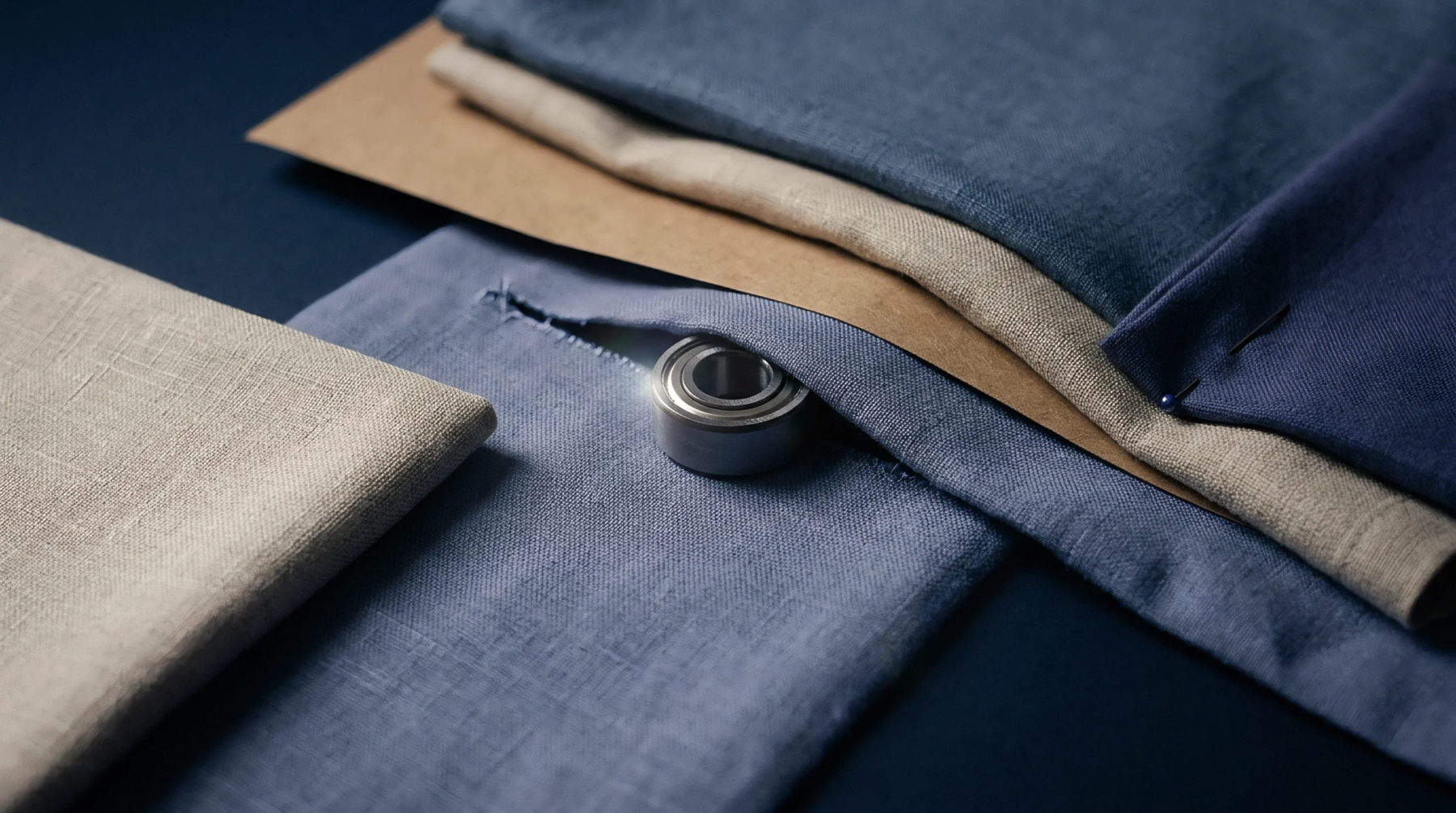
Determining Warp Crimp and Weft Contraction in Linen Weaving
Warp crimp and weft contraction in linen derive from flax flexural rigidity, requiring ISO 7211-3 pretension testing to set exact reed width and beam lengths.
Warp crimp and weft contraction in linen derive from flax flexural rigidity, requiring ISO 7211-3 pretension testing to set exact reed width and beam lengths.

Aero-thermal desiccation at wide reed edges spikes flax end tension, demanding trimmed nozzle timing and differential whip roll settings to prevent brittle breaks.
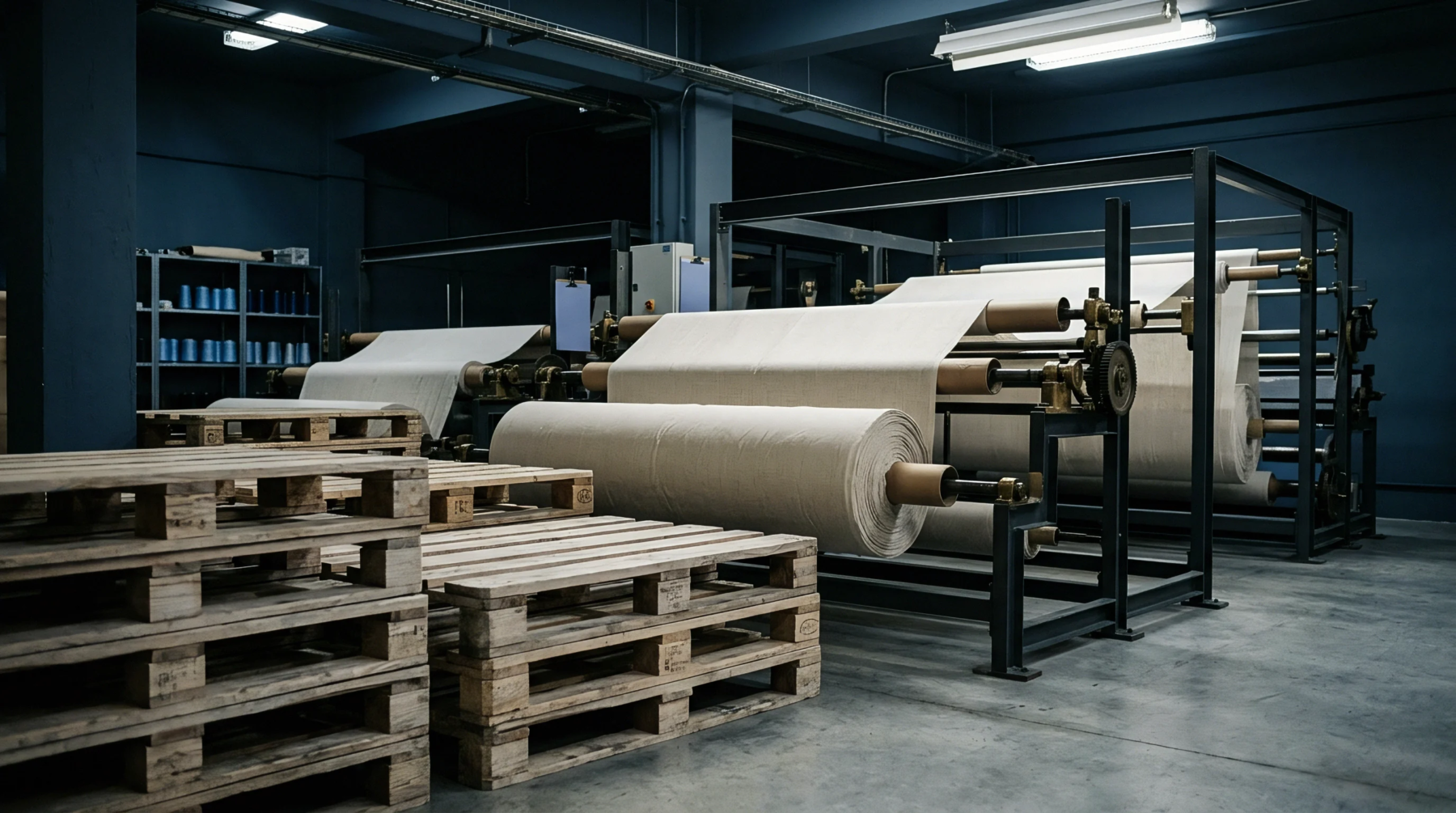
Balancing edge crimp on wide linen warps relies on matched temple pin inclination, selvedge denting gradients, and high ambient shed humidity.
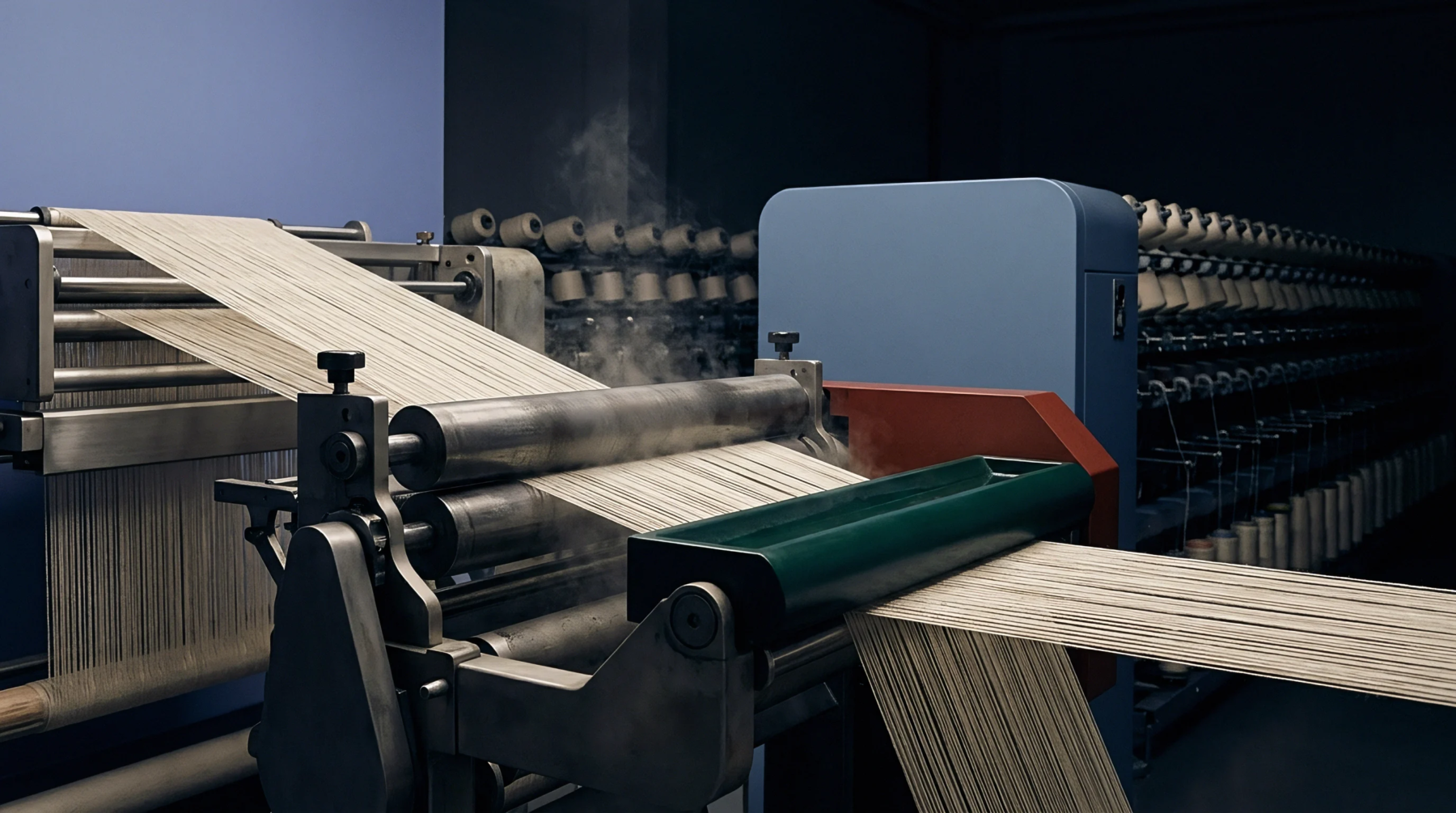
Active whip roll damping combined with lower shed crossover prevents bast yarn rupture while maintaining insertion speed on air-jet looms.
Rebalance linen crimp by lowering the backrest 25mm, delaying shed crossing to 325 degrees, and running segmented temples to suppress structural deformation.
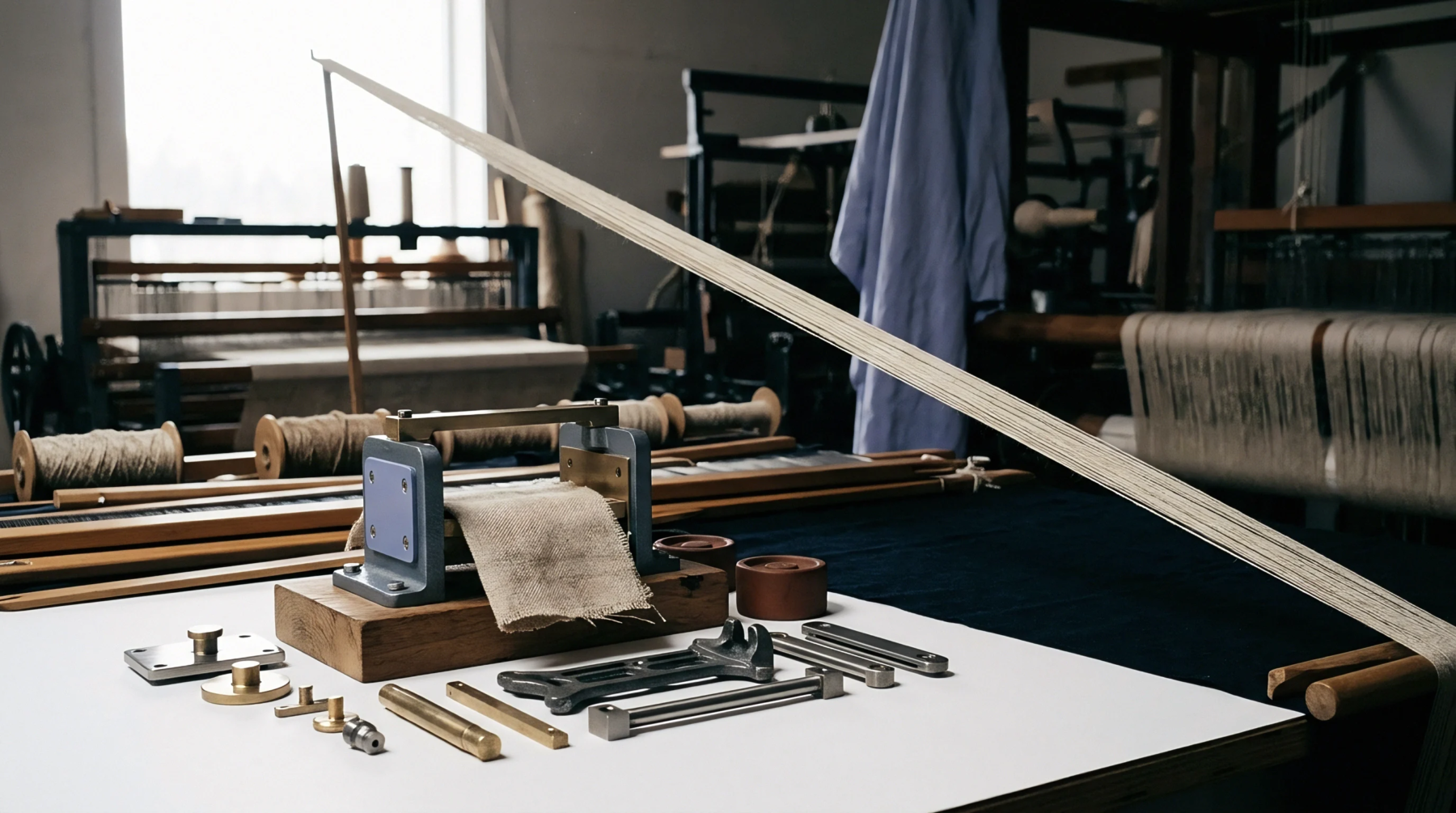
Optimizing size film elasticity and asymmetric shed geometry on rapier loom conversions cuts warp stops below 0.5 per hour and lowers total metre cost.
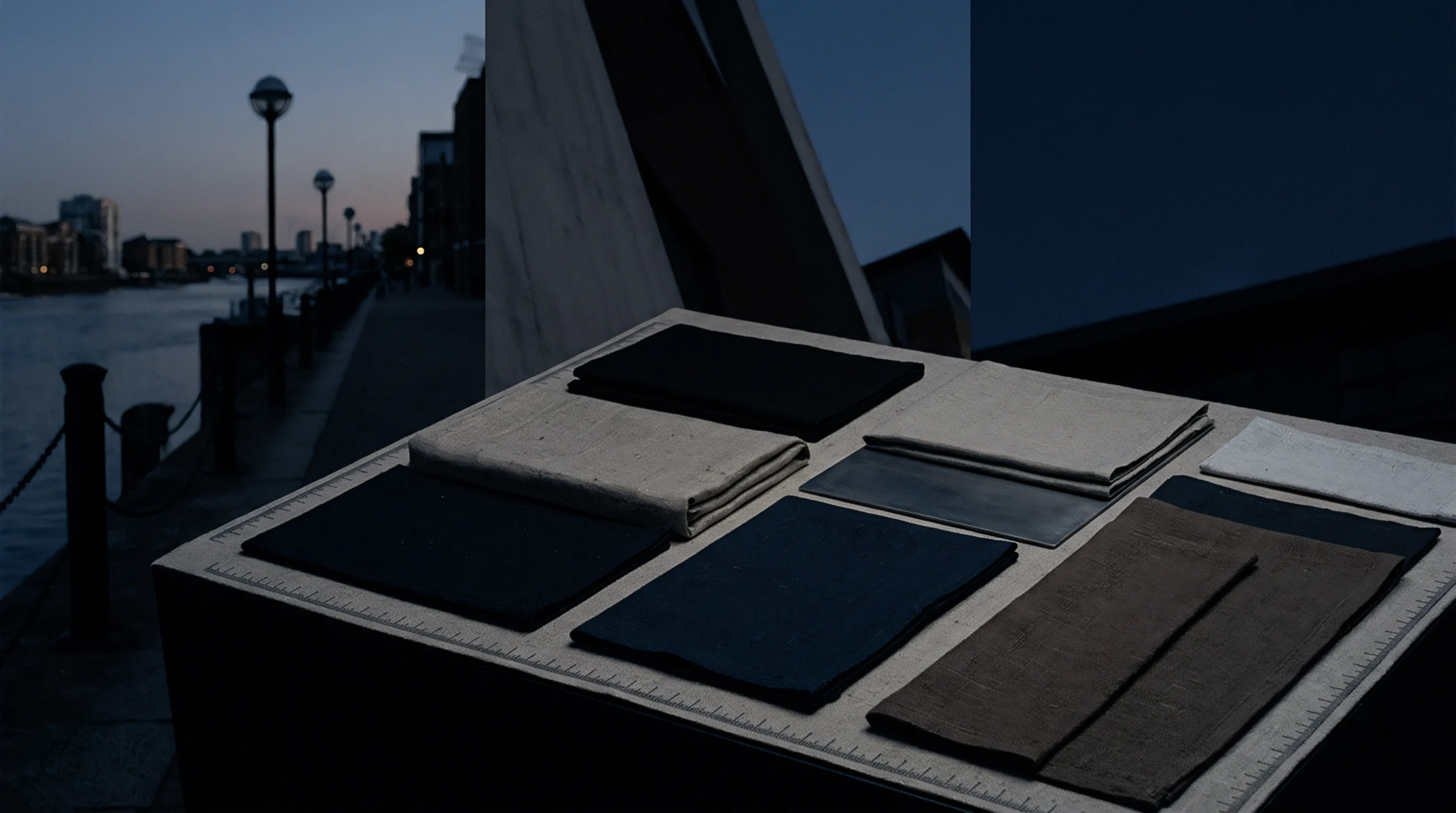
Translating handloom weave structures to rapier looms requires increasing yarn twist, sizing cohesion, and thread spacing to survive peak insertion stress.
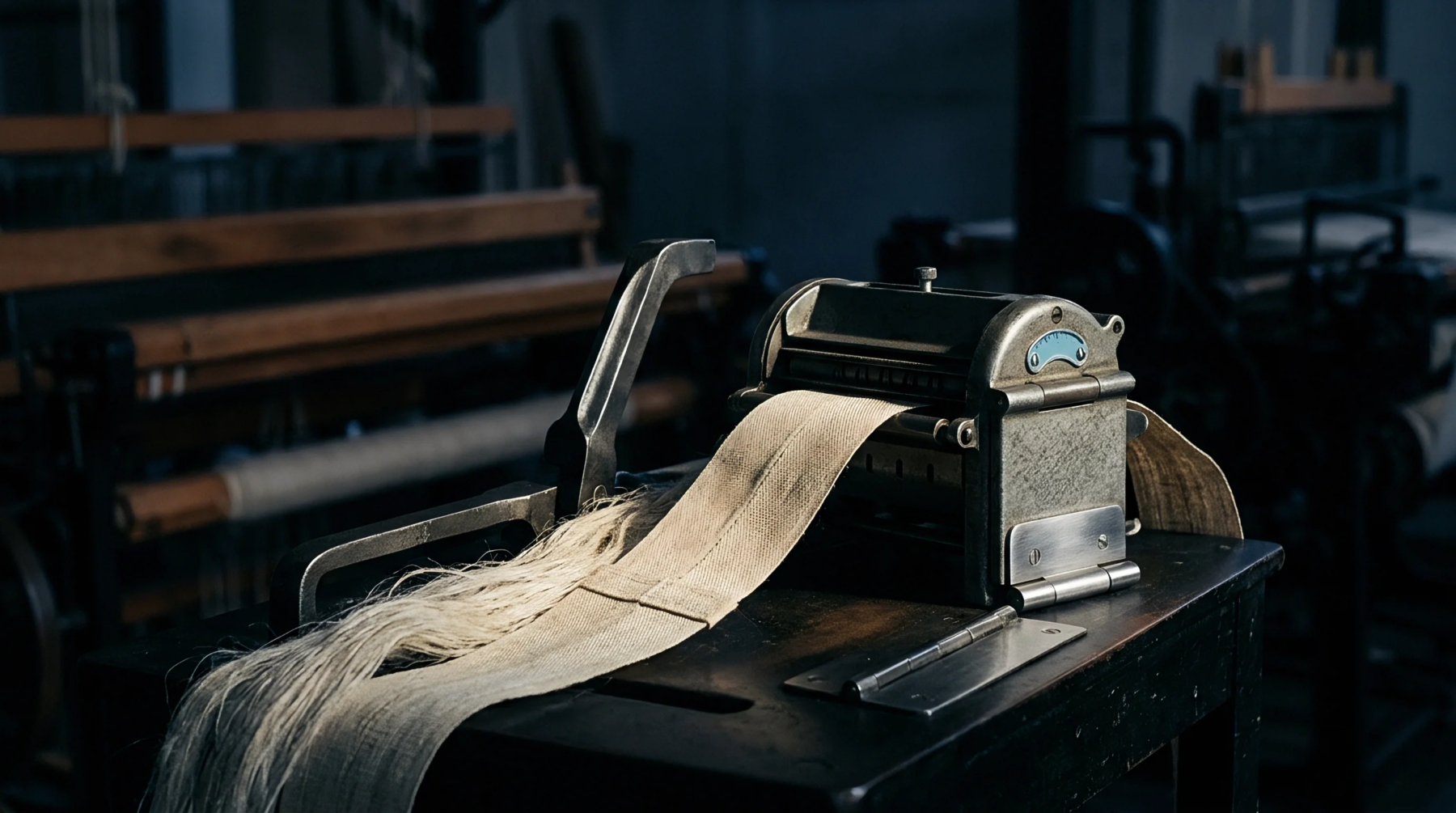
Discrepancies resolve by synchronizing encoder positions, normalizing tension relaxation shrinkage, and weighting telemetry clusters against ASTM D5430 point bands.
Expertise is a utility, not a secret. sentiention™ publishes its working knowledge as open reference: intelligence layer covering the materials it sources, the markets it enters, and the reference that serves both.